
Most Commonly Repaired Appliance Brands in Canada
Canadians hold onto their major appliances for years—often a decade or more—so when something fails, it shows up quickly in service logs, warranty claims, and homeowner forums. This article synthesizes widely reported repair patterns to explain which brands tend to need service most often in Canada and, crucially, why that happens. Keep in mind that “most repaired appliance” does not necessarily mean “least reliable.” In many cases, repair frequency simply correlates with market share (popular brands have more units in homes, so naturally they see more repair calls).
Quick note: Appliance Rescue does not provide repair services. It offers expert guides, appliance tips, and troubleshooting advice you can use before booking a technician. If you want to reach the editorial team, you can Contact us.
How we think about “most repaired”
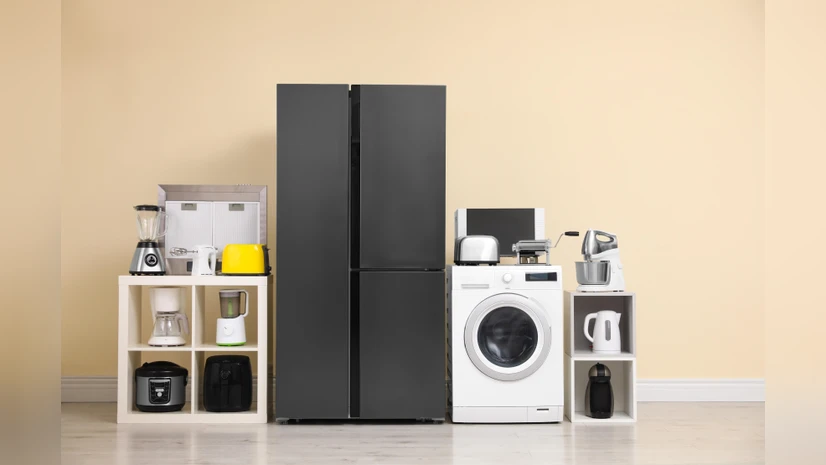
- Market share matters. Brands with the biggest footprint (e.g., Whirlpool family, Samsung, LG, GE, Frigidaire) inevitably dominate Canadian repair tallies.
- Product mix affects outcomes. A brand strong in refrigerators might see different repair patterns than one known for laundry or cooking.
- Feature complexity raises risk. Ice makers, steam cycles, Wi-Fi boards—every added subsystem is another potential failure point.
- Regional parts supply. Access to parts and trained techs varies across provinces; a better supply can encourage repair versus replace.
Brands that frequently appear in Canadian repair tallies

Important context: The following brands are commonly cited in Canadian service discussions primarily because they are widely sold nationally. Within each brand, specific models can be stellar or problematic; the notes below reflect recurring themes seen across categories.
Whirlpool (and family: Maytag, KitchenAid, Amana)
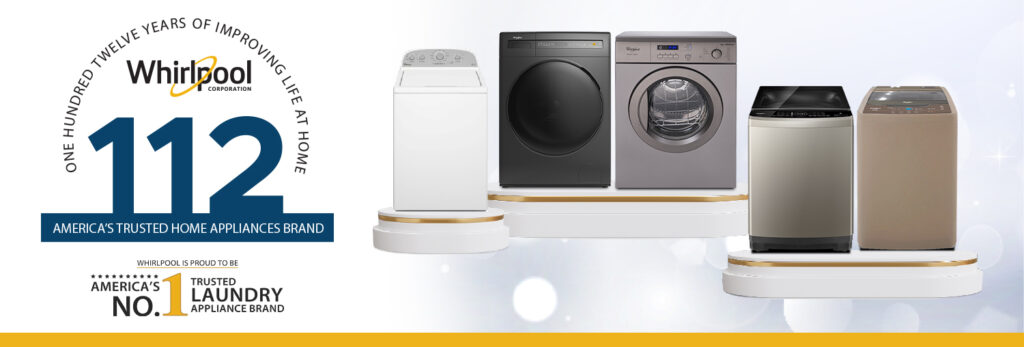
- Why it appears often: Massive market share across laundry, refrigeration, and cooking.
- Typical pain points:
- Top-load washers: Lid lock assemblies, water inlet valves.
- Front-load washers: Door boots (mould/tears), drain pumps.
- Refrigerators: Ice maker fill tubes, evaporator fan motors.
- Upside: Parts availability in Canada is generally strong and reasonably priced, making repairs more economical.
Samsung
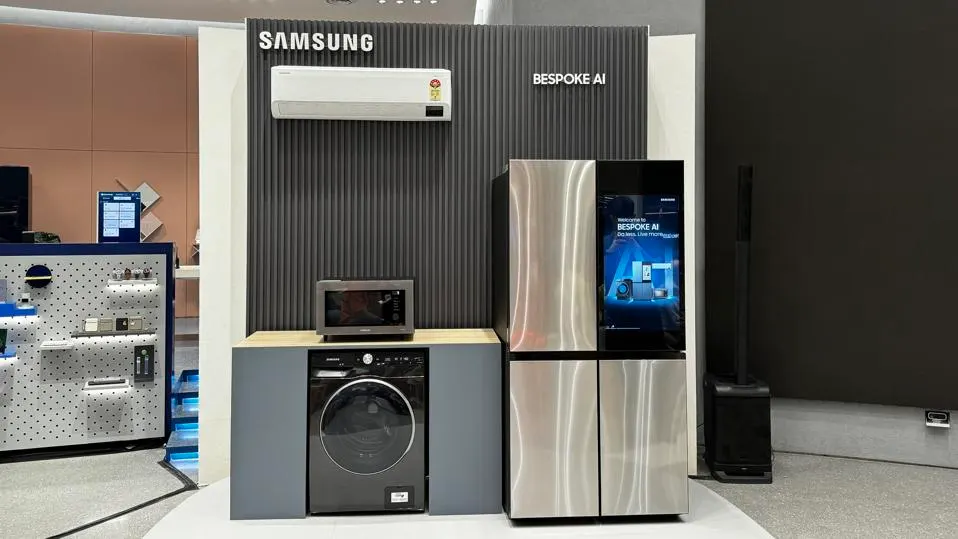
- Why it appears often: Strong growth in French-door fridges and high-feature laundry.
- Typical pain points:
- Refrigerators: Ice maker frosting, defrost system quirks, and fan noise.
- Washers: Drain pump clogs, vibration on pedestal installs if out of level.
- Upside: Excellent efficiency and features; firmware updates sometimes mitigate nuisances.
LG
- Why it appears often: Popular for direct-drive washers and linear-compressor fridges.
- Typical pain points:
- Washers: Door gasket maintenance, water level sensors.
- Refrigerators: Ice production issues; older linear compressor concerns on certain generations.
- Upside: Quiet laundry performance; energy-efficient refrigeration.
GE (including GE Profile & Café)

- Why it appears often: Broad distribution in Canada, especially in cooking.
- Typical pain points:
- Ranges/ovens: Control boards, temperature sensors, igniters.
- Dishwashers: Circulation motors, door latches.
- Upside: Cooking performance is a consistent draw; parts network is mature.
Frigidaire (Electrolux group)

- Why it appears often: Popular entry-to-mid price points, especially in condos and rentals.
- Typical pain points:
- Refrigerators: Defrost heaters/thermistors, door seals.
- Dishwashers: Pump/motor assemblies, spray arms.
- Upside: Straightforward designs; many repairs are cost-effective.
Kenmore (legacy and rebranded models)
- Why it appears often: Large legacy base in Canadian homes; models sourced from multiple OEMs.
- Typical pain points: Vary widely by model/OEM—common items include belts (older dryers), water inlet valves, and control boards.
- Upside: Abundant third-party parts for classic units.
Bosch

- Why it appears (less frequently but notably): Concentrated in dishwashers and premium cooking.
- Typical pain points:
- Dishwashers: Heating relays, inlet valves, door latches.
- Cooktops/ovens: Control modules on certain models.
- Upside: Quiet dishwashers with excellent cleaning; issues often tied to specific runs rather than the line as a whole.
Category-by-category breakdown
Refrigerators (French-door, side-by-side, bottom-freezer)
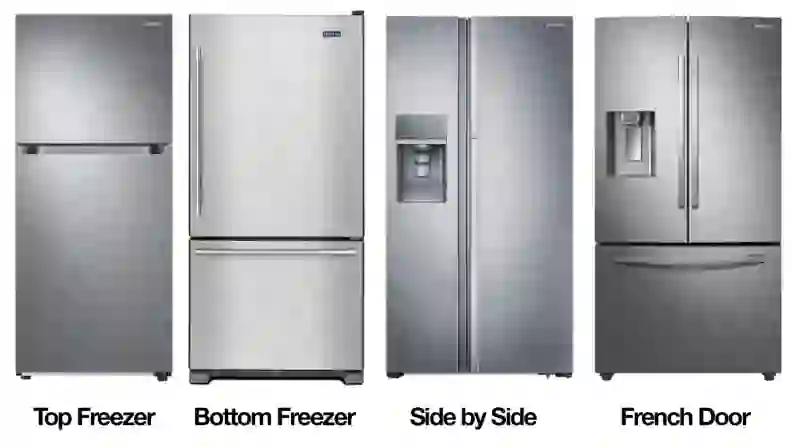
- Most common issues: Ice makers (the #1 complaint), defrost system (heater/thermistor/board), condenser fan motors, door gaskets, and sealed-system leaks on older units.
- Brands frequently mentioned: Samsung, LG, Whirlpool/KitchenAid, GE, Frigidaire.
- Canadian tip: Check for door seal alignment (cold, dry air worsens misalignment). Clean condenser coils twice a year to reduce compressor strain.
Washing machines (front-load & top-load)
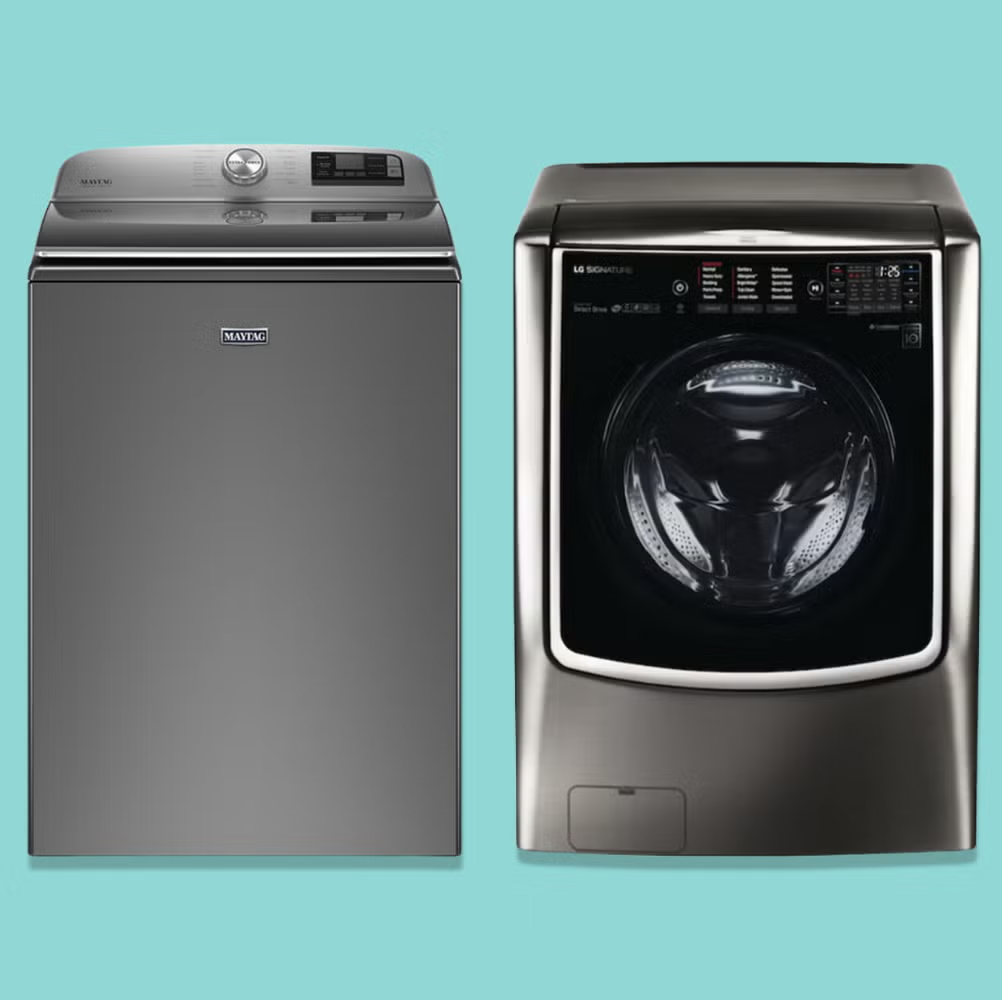
- Most common issues: Drain pumps, door/lid locks, shock absorbers (front-load), suspension rods (top-load), water inlet valves, and control boards after power surges.
- Brands frequently mentioned: Whirlpool/Maytag, LG, Samsung, GE.
- Canadian tip: In cold climates, supply line sediment can spike after municipal work—use braided hoses and consider inlet screens.
Dryers (electric & gas)
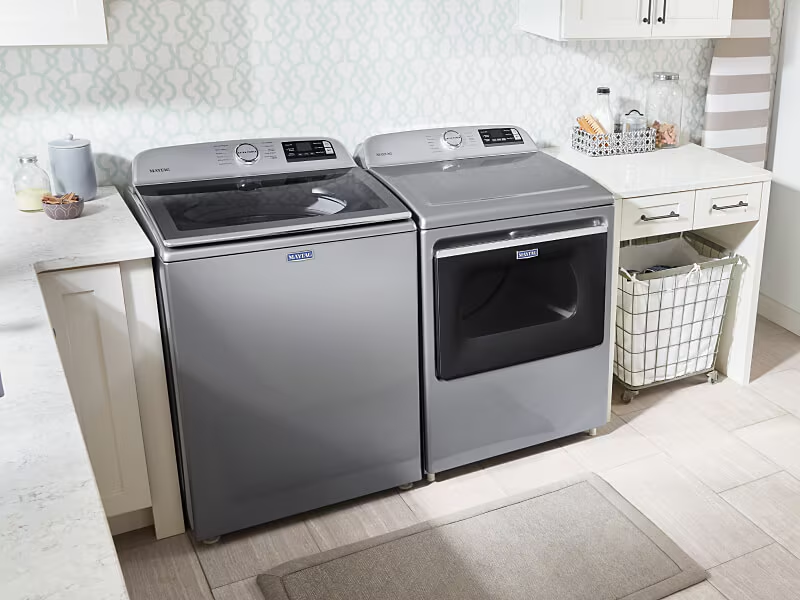
- Most common issues: Thermal fuses, heating elements/igniters, rollers/idlers, sensors.
- Brands frequently mentioned: Whirlpool/Maytag, Samsung, LG, GE, Kenmore.
- Canadian tip: Long vents in townhomes/condos trap moisture. Annual vent cleaning isn’t optional—it’s a performance and safety must.
Dishwashers
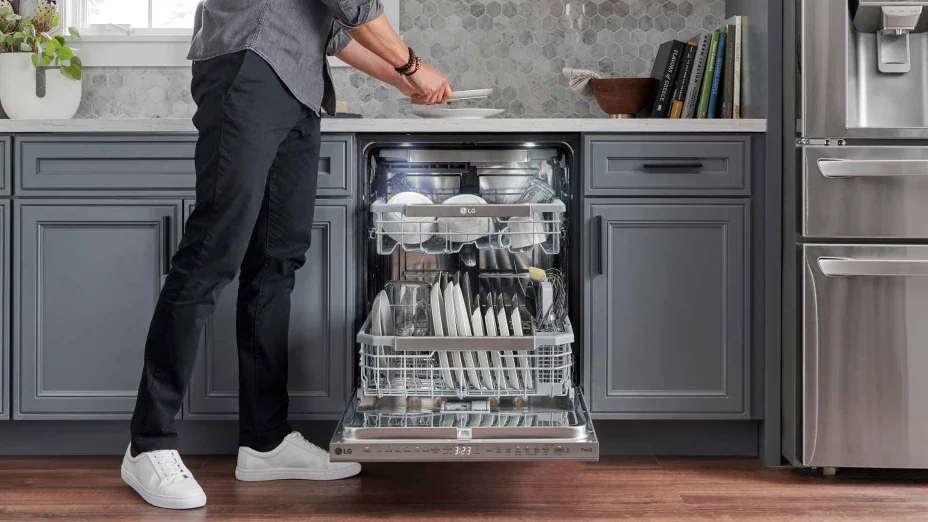
- Most common issues: Circulation/motor failures, inlet valves, heating relays, leakage at door gaskets, and clogged filters.
- Brands frequently mentioned: Bosch, Whirlpool, GE, Frigidaire, Samsung, LG.
- Canadian tip: Hard water (common in many regions) shortens dishwasher life. Use rinse aid and clean filters monthly; consider a softener.
Ranges & Wall Ovens

- Most common issues: Igniters (gas), temperature sensors and control boards (electric), oven door hinges, and convection fans.
- Brands frequently mentioned: GE/GE Profile, Whirlpool/KitchenAid, Samsung, LG, Frigidaire, Bosch (premium).
- Canadian tip: During winter, cold kitchens can cause preheat overshoot/undershoot. Give the oven 10–15 extra minutes to stabilize before baking.
Why “most repaired” doesn’t equal “worst”
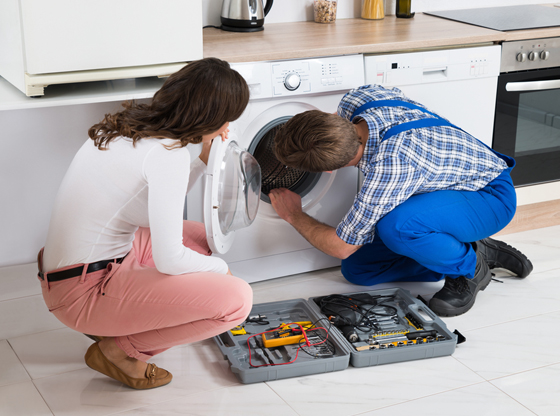
- Population effect: If a brand sells 5× more units, it naturally generates more repair events.
- Feature density: High-end models with ice dispensers, touchscreen controls, smart connectivity—these delight users but add failure points.
- Maintenance mix: Filter changes, coil cleaning, and proper leveling dramatically change outcomes. Many “brand issues” are actually maintenance issues.
- Use cases: Families with heavy laundry loads or frequent door openings on French-door fridges will see different wear patterns than light users.
Practical ways to reduce repairs (regardless of brand)
- Refrigerators:
- Vacuum condenser coils every 6 months; keep 2–5 cm of clearance for airflow.
- Replace water filters on schedule; slow fill = stressed ice maker.
- Level the cabinet; doors must self-close to protect gaskets.
- Washers:
- Run a hot maintenance cycle with a cleaner monthly (front-load especially).
- Leave the door ajar between uses to mitigate mould.
- Clean the drain filter; many “pump failures” are clogged coins, hairpins, or lint.
- Dryers:
- Clean the lint screen every cycle and the vent annually.
- Avoid crushed flex ducts; use rigid metal where possible.
- Dishwashers:
- Scrape (don’t pre-rinse), clean the filter monthly, and descale as needed.
- Ensure hot water arrives fast: run the sink till hot before starting.
- Ranges/Ovens:
- Keep burner ports clear; replace weak igniters early to save the valve.
- Avoid foil liners that block airflow and confuse temperature sensors.
For step-by-step checklists and DIY diagnostics, explore Appliance Rescue—again, it offers guides and tips, not repair services. If you have feedback or spot an error, Contact us.
When to repair, when to replace in Canada

- Repair if:
- The unit is under 6–8 years for major categories, parts are readily available, and the fix costs <40–50% of replacement.
- The model is energy efficient and otherwise fits your kitchen/laundry layout.
- Replace if:
- The cabinet is rusted, the sealed system is compromised (fridge), or the repair needs multiple high-cost boards/assemblies.
- The unit is >10–12 years, and efficiency gains from a new model are significant.
- Parts availability is poor in your province/territory.
A brand-by-brand quick reference (Canada)

- Often repaired because of scale: Whirlpool/Maytag/KitchenAid, Samsung, LG, GE, Frigidaire, Kenmore.
- Typically repair-friendly (parts access): Whirlpool family, GE, Frigidaire.
- Notable for quiet dishwashers: Bosch.
- Feature-rich (more to love, more to maintain): Samsung, LG, GE Café/Profile, KitchenAid.
Bottom line for Canadian households

If a brand appears often in repair conversations, it’s usually because Canadians buy a lot of that brand. Look at model-level reliability, local parts access, and your own usage patterns. Keep up with simple maintenance, and you can extend the life of almost any appliance—no matter whose badge is on the door.
For unbiased walkthroughs and troubleshooting flowcharts, visit Appliance Rescue. If you have questions about their guides or want to suggest a topic, Contact us.