
Guide to Samsung Appliance Issues and Recalls for 2025
Samsung appliances are one of the most popular home appliances in North America, but popularity doesn’t make a product immune to problems—or recalls. This guide pulls together the most widely reported issues with Samsung refrigerators, washing machines, and cooking appliances, then explains what a recall means, how to check your model, and what steps to take to keep your home safe. It also points you to free, trustworthy resources from Appliance Rescue—which provides expert guides, tips, and troubleshooting advice (and does not offer repair services).
Quick Summary: Known Issues & Notable Recalls

- Top-load washers (2016): Structural problems could cause the top to detach during certain high-speed cycles. Samsung and the U.S. Consumer Product Safety Commission (CPSC) issued a recall with repair or refund options.
- Top-load washers (2022): Certain “Super Speed Wash” models faced a fire hazard linked to control panel overheating; a software repair was provided.
- Slide-in electric ranges (2024): Over 1.1 million units were recalled because front-mounted knobs could be unintentionally turned on, posing a fire hazard. Remedies include free knob locks/covers and app alerts on supported models.
- Refrigerator ice makers (ongoing reports): Many owners report ice maker freeze-ups, leaks, and noise; these concerns have driven class-action litigation and sustained attention, though recall action is not the typical remedy here.
For the very latest notices, always cross-check the CPSC recall database; it updates regularly and lists affected model/serial numbers.
Samsung Refrigerators: The Ice Maker Problem (and Other Quirks)
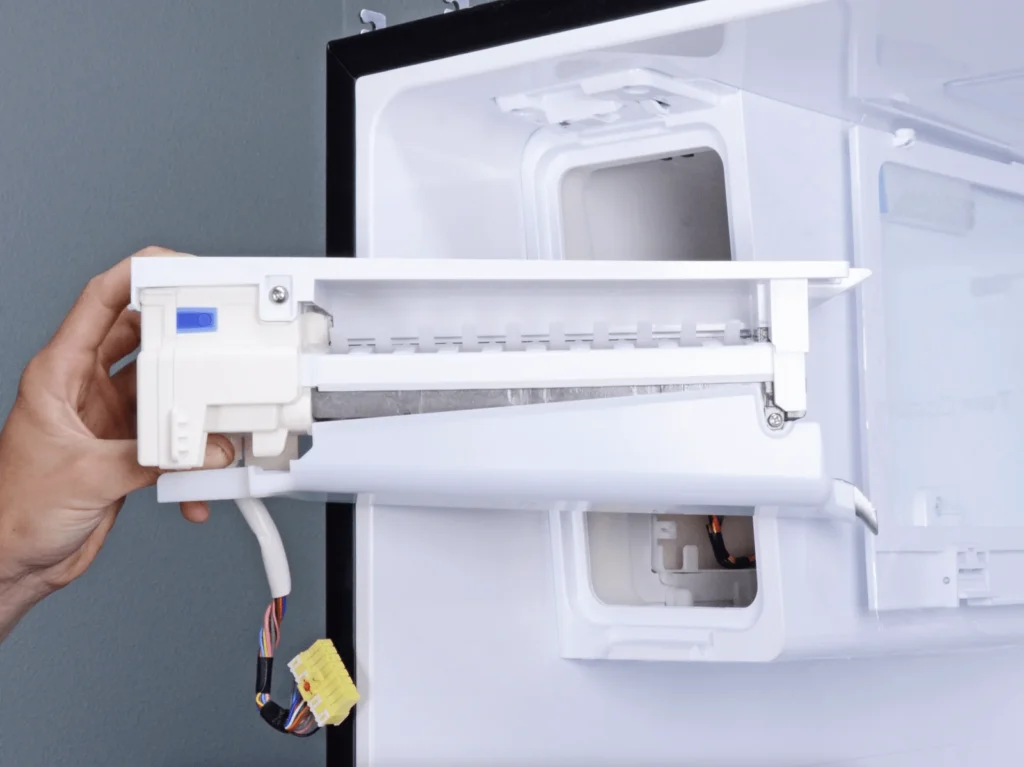
What owners report:
French-door models with built-in ice makers are frequently flagged for ice buildup, jammed augers, leaks into the crisper area, and noisy operation. Symptoms often start small—slushy ice, cubes fused into clumps—and progress to recurring frost that requires periodic manual defrosting. While not a recall in itself, the issue has been prominent enough to spur class-action lawsuits and extensive community troubleshooting.
Practical steps you can try first (DIY):
- Check door seals and alignment. Warm air ingress accelerates frost.
- Defrost properly, don’t chip. Use a controlled manual defrost; prying at ice can damage liners and sensors.
- Level the unit. A slight tilt can affect drain paths and fan noise.
- Clean condenser coils. Poor airflow stresses the sealed system and worsens temperature swings.
- Run diagnostic modes (if available). Many Samsung fridges have service tests for fans and sensors in the control panel.
If you’re out of warranty and just want calm, step-by-step advice, the Appliance Rescue library is built for that—walkthroughs, checklists, and decision trees (again, they publish guides, not repair services).
Washing Machines: From Vibration Concerns to Software Fixes

2016 top-load recall (impact risk):
Older top-load units (sold roughly 2011–2016) could experience excessive vibration, leading to the top panel detaching. Remedies included in-home repair, rebates toward a new machine, or refunds for recent purchases. If you still own one of these models, check your serial number and confirm that the remedy was completed.
2022 top-load recall (fire hazard):
Some newer top-load models with “Super Speed Wash” needed a software repair to address potential control-panel overheating. Owners were instructed to update the firmware—via Wi-Fi or a Samsung-provided dongle—and to use certain cycles cautiously until the update was applied. If your washer falls in series like WA49B–WA55A, verify your status and apply the fix immediately if you haven’t already.
Everyday prevention tips:
- Don’t overload. Heavy, water-resistant items can destabilize any top-loader.
- Level the cabinet. Even a few millimeters matter at 1,000+ RPM.
- Mind the spin cycles. Delicate or bedding cycles can mitigate stress on the suspension.
For at-home troubleshooting sequences—from balancing to error-code lookups—browse the guides at Appliance Rescue.
Cooking Appliances: Accidental Activation and Overheating Complaints
2024 slide-in electric range recall:
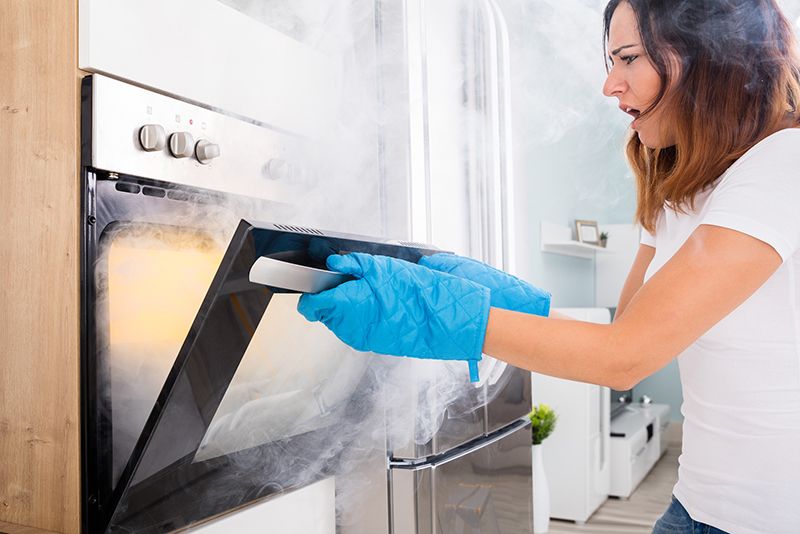
Because the front-mounted knobs can be bumped or nudged (by people, kids, or even pets), some ranges could turn on inadvertently, causing heat damage or fires. The official remedy provides free knob locks/covers and guidance to enable “Cooktop On” notifications in SmartThings, where supported. Until you receive the remedy, keep the cooking surface clear and double-check knobs before leaving the kitchen.
Owner-reported pain points:
Beyond the recall, owners sometimes report temperature overshoot, error codes under self-clean, or oven fans running loudly. While individual causes vary—from sensor drift to airflow blockages—the best first steps are to update firmware (if applicable), verify proper ventilation clearances, and avoid running self-clean back-to-back.
How to Check Whether Your Samsung Model Is Recalled
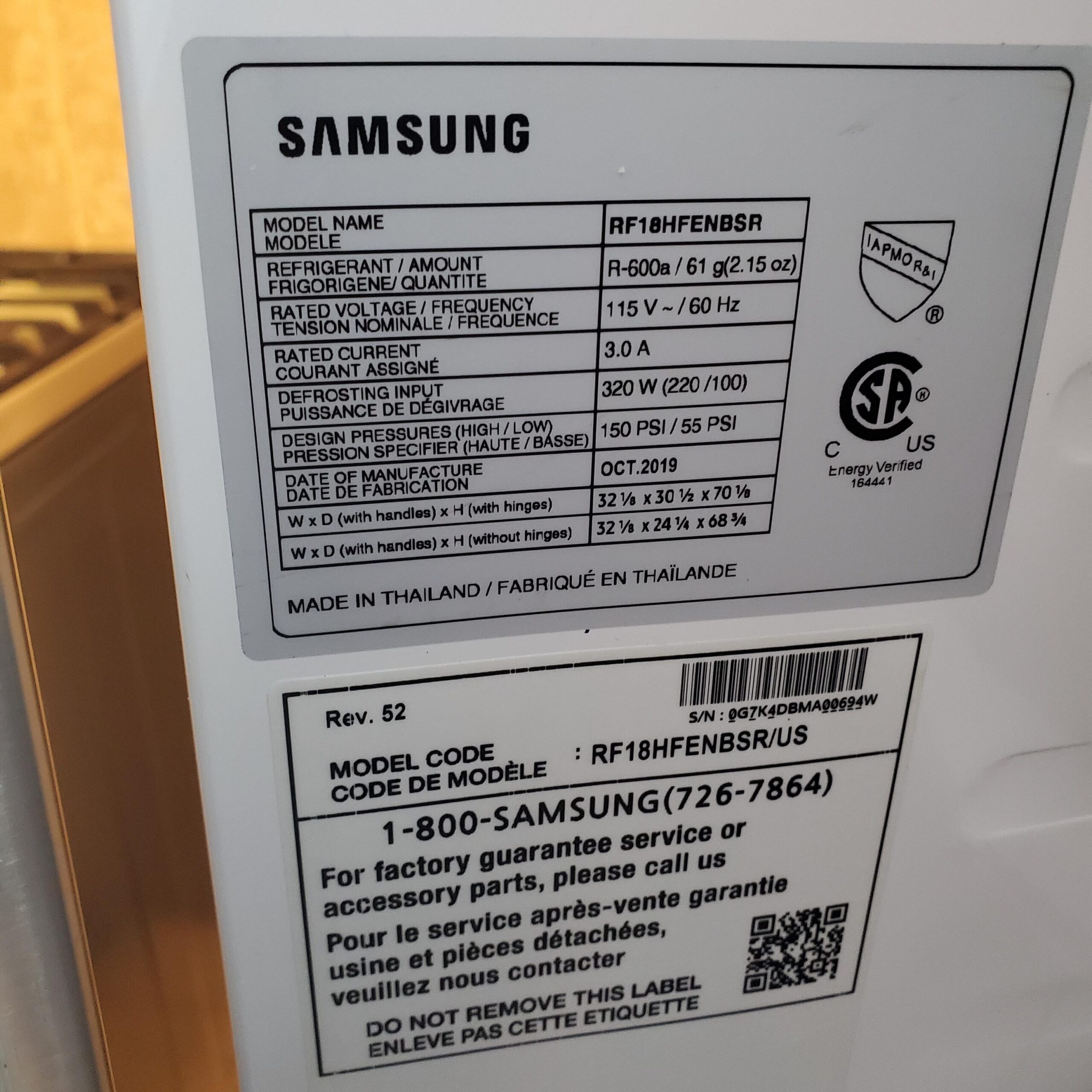
- Find the model & serial number.
- Refrigerators: usually inside the fresh-food compartment wall.
- Washers: under the lid or behind the door frame.
- Ranges: frame behind the oven door or on the side panel.
- Search official recall databases.
- CPSC Recalls (U.S.) lists model numbers, remedy details, and contact steps.
- Follow the remedy to the letter.
Some fixes are software-based (washers); others involve hardware add-ons (range knob locks) or in-home repairs (older washers). - Document everything.
Keep photos, serials, case numbers, and any proof of remedy—helpful for insurance and future resale.
Safety First: What to Do If You Suspect a Hazard

- Stop using the risky function immediately. For example, if a burner turns on by itself, flip the breaker and call the manufacturer’s recall line.
- Report incidents to CPSC. This helps regulators spot patterns and can accelerate remedies.
- Schedule professional service if needed. If you’re out of warranty or the unit isn’t on a recall list but seems unsafe, an independent technician can assess wiring, sensors, and control boards.
If you want help deciding which steps to try first, you can reach out via Contact us—again, this is for guidance, not booking repair service.
When It’s Not a Recall: Getting Past Common Headaches
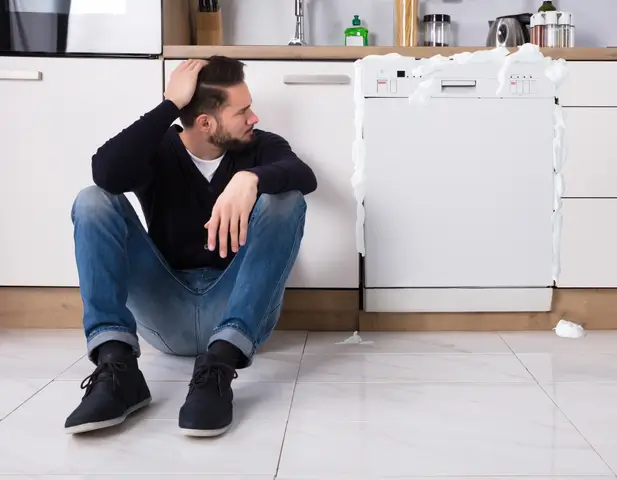
Not every frustrating symptom is recall-worthy. A few examples:
- Fridge not cold enough? Check door gaskets, clear blocked vents, remove plastic film from shelves, and ensure the rear coils are dust-free.
- Washer walking across the floor? Re-level, remove shipping bolts (on new installs), and redistribute loads.
- Range burning too hot? Verify the temperature calibration setting; many ovens can be adjusted ±30°F in the control menu.
For each, Appliance Rescue offers step-by-step diagnostics, simple tools you may need, and decision points for when to call a pro—without selling you a repair visit.
Final Notes on Expectations and Warranty

- Firmware matters. Modern appliances behave like computers; updates can resolve real faults (especially on 2022-era washers).
- Self-clean cautiously. Extended high-heat cycles stress sensors and door locks across brands; use sparingly.
- Out of warranty? Keep receipts of parts and labor; some credit cards extend protection, and well-documented issues sometimes get goodwill support.
About Appliance Rescue (Important!)
Appliance Rescue is an information resource—expert guides, appliance tips, and troubleshooting advice only. They do not provide in-home or on-site repair services. If you need coaching on a repair decision or want help interpreting a recall notice, browse the guides on Appliance Rescue or reach out via Contact us for guidance.