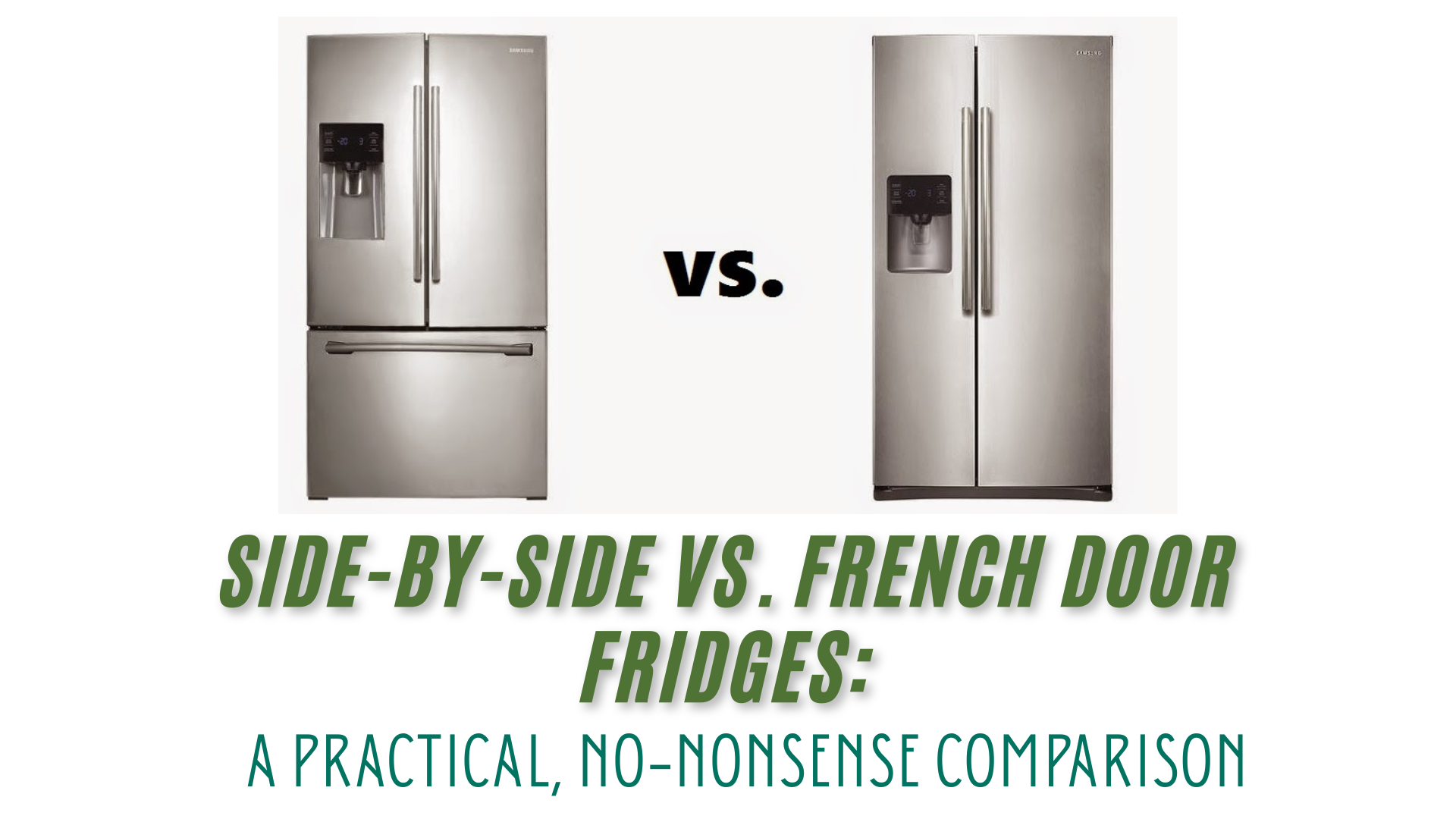

If you’re torn between a side-by-side refrigerator vs. French door model, you’re not alone. Both layouts are wildly popular, both claim “better organization,” and both look great in a modern kitchen—yet they solve different problems. This guide breaks down the real-world trade-offs: storage, ergonomics, energy use, installation, reliability considerations, and total cost of ownership. By the end, you’ll know which style is likely to fit your home, your cooking habits, and that stubborn corner of your kitchen where the oven door already barely clears.
Quick note: Appliance Rescue provides expert guides, appliance tips, and troubleshooting advice. They do not offer repair services. If you have questions about this guide or want to suggest a topic, feel free to Contact us.
The Two Layouts at a Glance
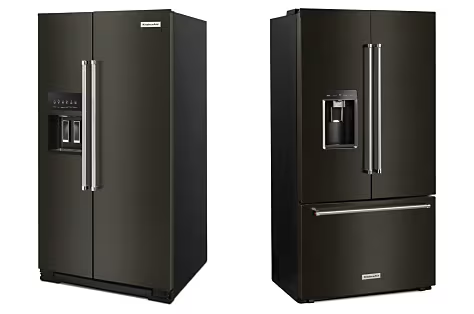
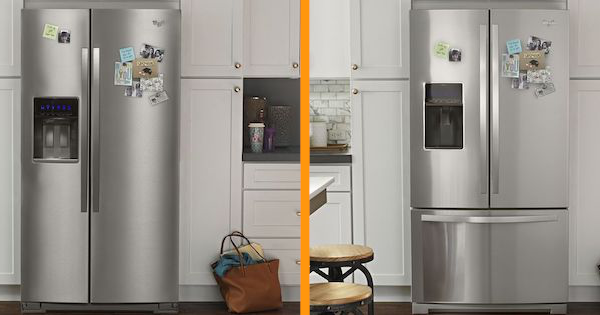
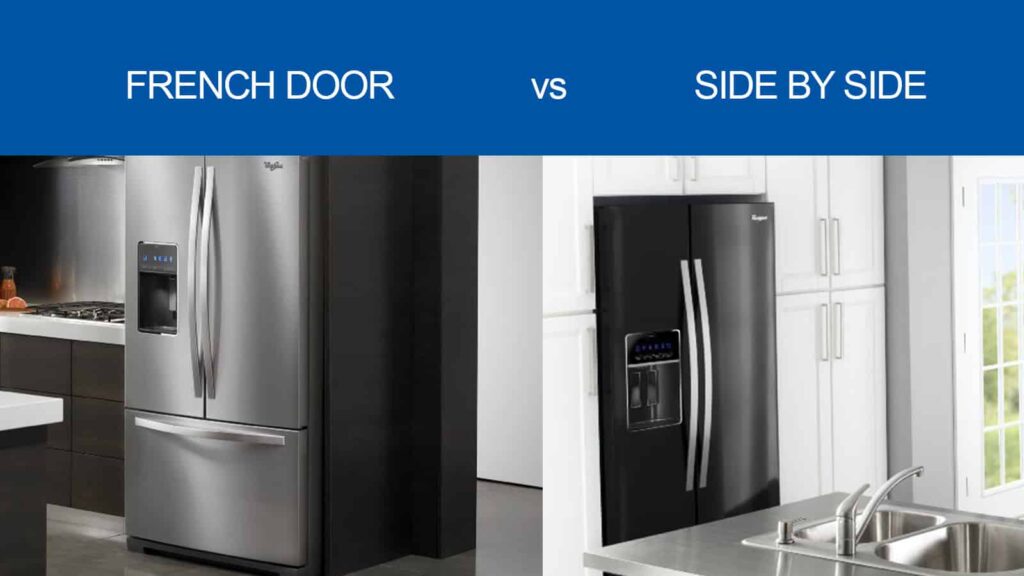
Side-by-Side (SxS): Two tall vertical doors; fridge on the right, freezer on the left (usually). Narrower doors swing out less, which is handy in tight kitchens. Freezer space is tall and easy to browse, but shelves are narrow.
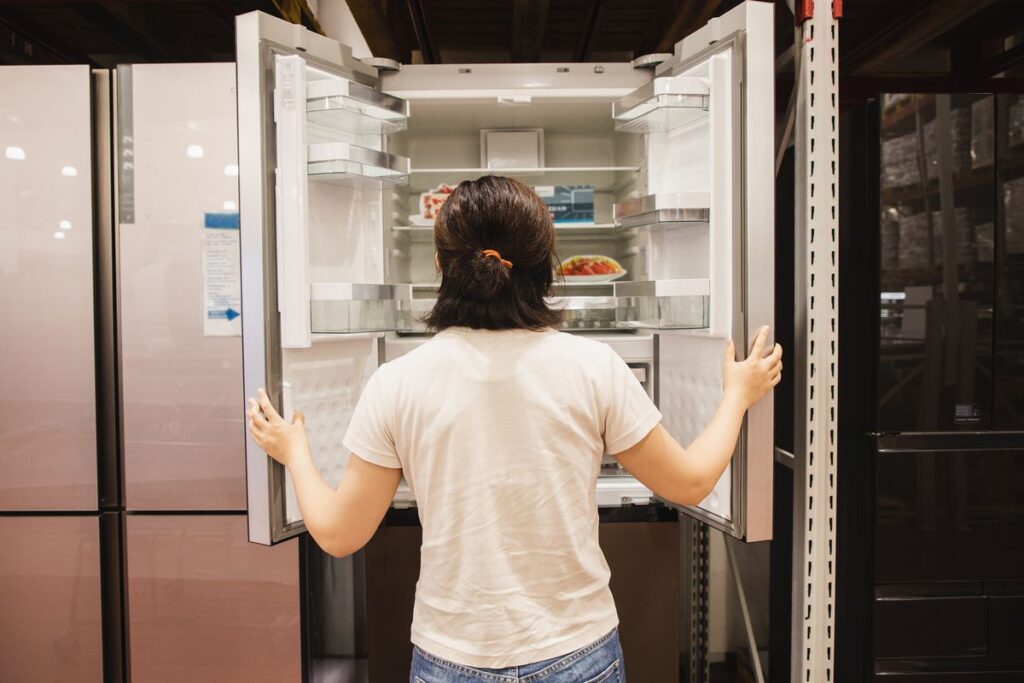
French Door: Two half-width doors up top for the refrigerator, with a full-width drawer freezer below. Doors are wide but shallow; the fridge section spans the full width, which is fantastic for platters, sheet pans, and party trays.
Who Typically Prefers Each?
- Side-by-Side often suits households that:
- Need frequent freezer access (ice cream at eye level—no judgment).
- Deal with tight door clearance near an island or a galley kitchen.
- Prefer lots of visible freezer shelving over digging through a bin.
- French Door tends to win with households that:
- Store-wide items—pizza boxes, baking sheets, charcuterie boards.
- Want the fresh food zone at eye level, minimizing bending.
- Like flex drawers (select models) that switch between fridge and soft-freeze.
Capacity, Space, and Organization
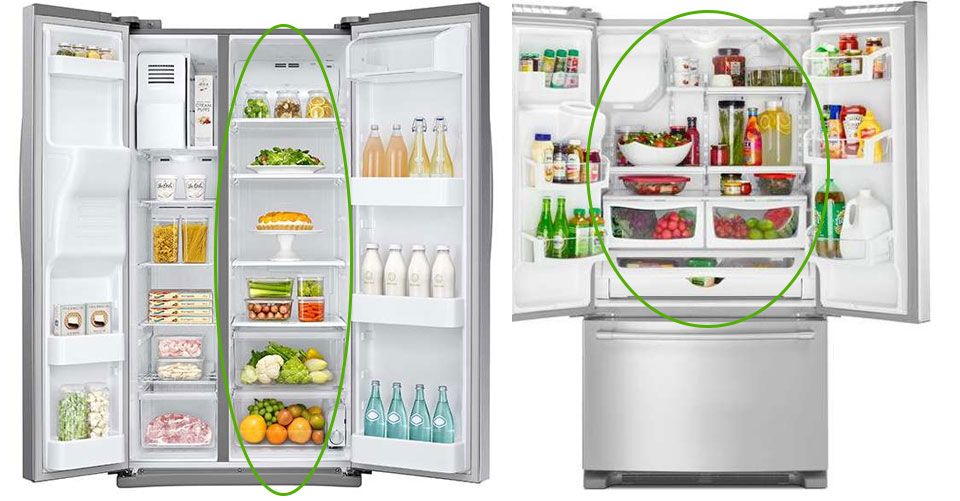
Usable Capacity: On paper, both styles can hit 20–30+ cu. ft., but French door designs often feel roomier in the refrigerator compartment because you get the entire width for flexible storage. Side-by-side models spread capacity vertically; that can make tall items tricky, but keeps categories tidy (frozen veg on one shelf, meats on another, etc.).
Door Bins & Shelves:
- SxS: Lots of narrow shelves; great for bottles and small containers. Long items can feel cramped.
- French Door: Wider shelves and adjustable bins; accommodates awkward containers. The freezer drawer can become a catch-all if you don’t use dividers—plan for baskets.
Door Swing & Traffic:
- SxS doors swing less, which is ideal in tight aisles or near walls.
- French doors need more clearance when both are open, but many daily tasks only need one door.
Freezer Experience: Eye-Level vs. Dig-Level
- Side-by-Side Freezer: Eye-level browsing is the winner here. You can scan categories easily, and door bins help with small items. The downside is shelf width—some frozen pizzas or bulky boxes may require rearranging.
- French Door Freezer Drawer: Capacity is usually generous and flexible with sliding trays. However, you’ll do more stacking and digging, which some people dislike. If you batch-cook and freeze in labeled bins, this becomes manageable—and surprisingly efficient.
Energy Use and Performance
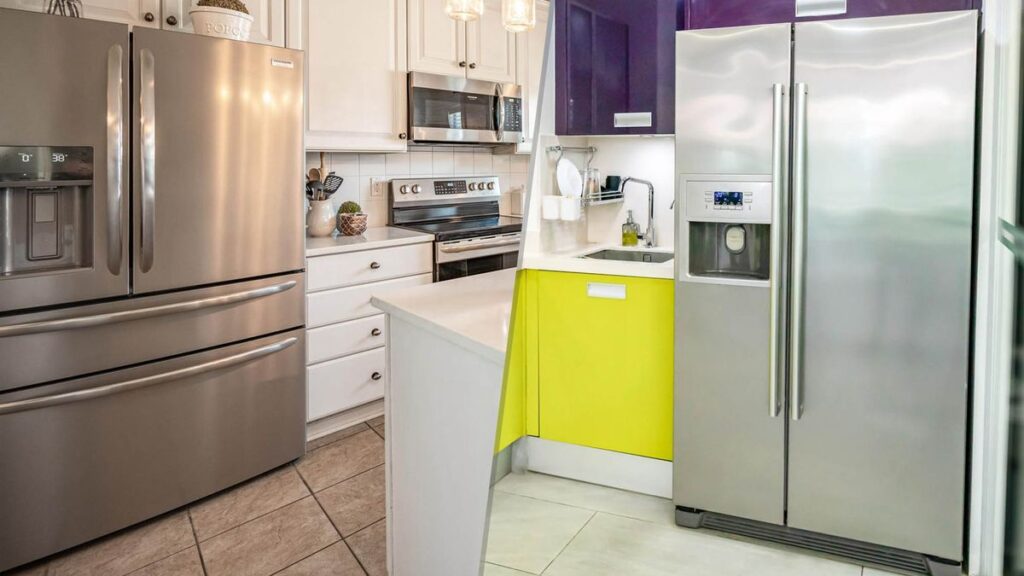
Energy ratings vary more by model than by layout, but two patterns are common:
- French Door: The split doors mean you can open only half for quick grabs, and the freezer drawer can be well-insulated. Many premium French doors include features like dual evaporators, which help humidity control and reduce odors transferring between compartments.
- Side-by-Side: Narrower doors can reduce cold air spill, and the vertical airflow paths are straightforward. Some budget SxS units may be noisier or less sophisticated in humidity control, but again, check specific models—there are efficient standouts in both camps.
Ice, Water, and Maintenance
External Dispensers:
- SxS models frequently ship with through-the-door ice and water. Super convenient, but dispensers introduce complexity: more parts to clean, filters to replace, and a slightly higher chance of minor leaks or clogs over the years.
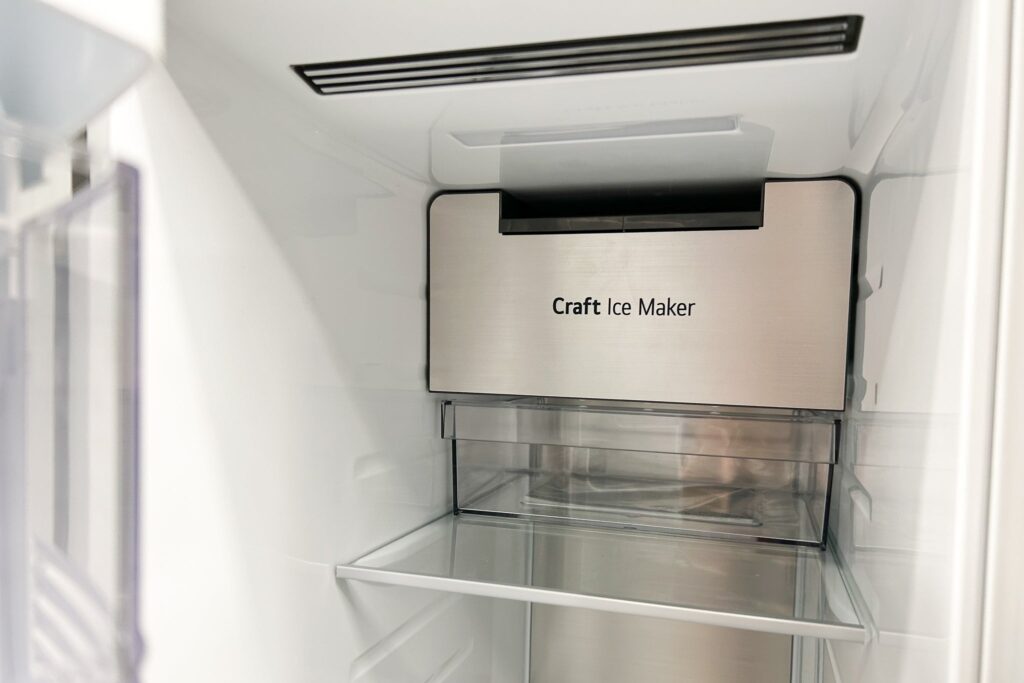
- French Door units often tuck ice makers in the left door or freezer drawer. This preserves shelf space up top but can slightly reduce door-bin room or freezer volume.
Filter Costs & Cleaning: Expect to replace water filters every 6 months (usage-dependent). Wipe gaskets and dispenser areas regularly to avoid odors. If you prefer simplicity, a model with internal water only (no door dispenser) reduces maintenance and sometimes increases reliability.
Noise, Fit, and Finish
- Noise: In everyday use, premium French door models with advanced compressors can be quieter, but it varies. SxS units can be just as silent—listen in person if possible.
- Finish & Style: French doors often lead the way on design (counter-depth, panel-ready options, smart displays). Side-by-side designs still look sleek, and you’ll often find better pricing for stainless at the same capacity.
Cost and Value Over Time
- Upfront Price: Generally, side-by-side fridges offer more capacity per dollar.
- French door models command a premium for the layout, features, and aesthetics.
- Long-term value depends on build quality, parts availability, and how well the layout matches your cooking patterns. Paying for a layout you don’t fully use is false economy.
Reliability Considerations (Practical, Not Alarmist)

No brand or layout is fail-proof. A few pragmatic tips:
- Keep features proportional to your tolerance for upkeep. More gadgets (craft ice, door-in-door, touchscreen) = more potential maintenance.
- Ventilation matters. Leave proper clearance around the cabinet; poor airflow strains compressors.
- Water quality counts. Hard water shortens filter and valve life—use the right filter schedule and, if needed, a whole-home or under-sink solution.
Installation & Kitchen Fit Checklist
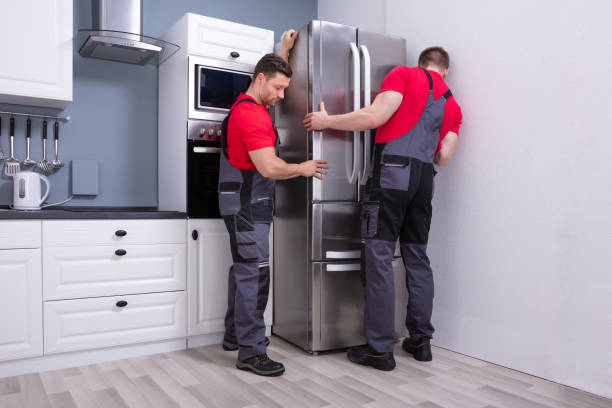
- Measure three ways: width, height, depth—twice. Include doorways, hallways, and elevator dimensions if applicable.
- Door swing reality check: For SxS, verify both doors clear adjacent walls; for French doors, confirm you can fully extend crispers and the freezer drawer without colliding with the island.
- Counter-depth vs. standard-depth: Counter-depth looks built-in but trades some interior volume. Many French door buyers choose counter-depth for aesthetics; SxS shoppers often prefer standard-depth for value capacity.
- Power and water: Confirm a dedicated 120V receptacle and a reachable, shut-off valve water line (if using ice/water).
Accessibility & Ergonomics
- Back and knees: If bending is a concern, French doors keep everyday items at eye level.
- Freezer access: If you dislike rummaging, a side-by-side makes frozen foods easier to organize visually.
- Kids & snacks: French doors make the top shelves easy to see; SxS keeps tempting freezer treats behind a tall door that little hands may ignore—sometimes.
Smart Features Worth Considering (But Optional)
- Dual evaporators/humidity control for crisper produce.
- Full-width temperature-flex drawers (often on French doors) for deli platters or a “party mode.”
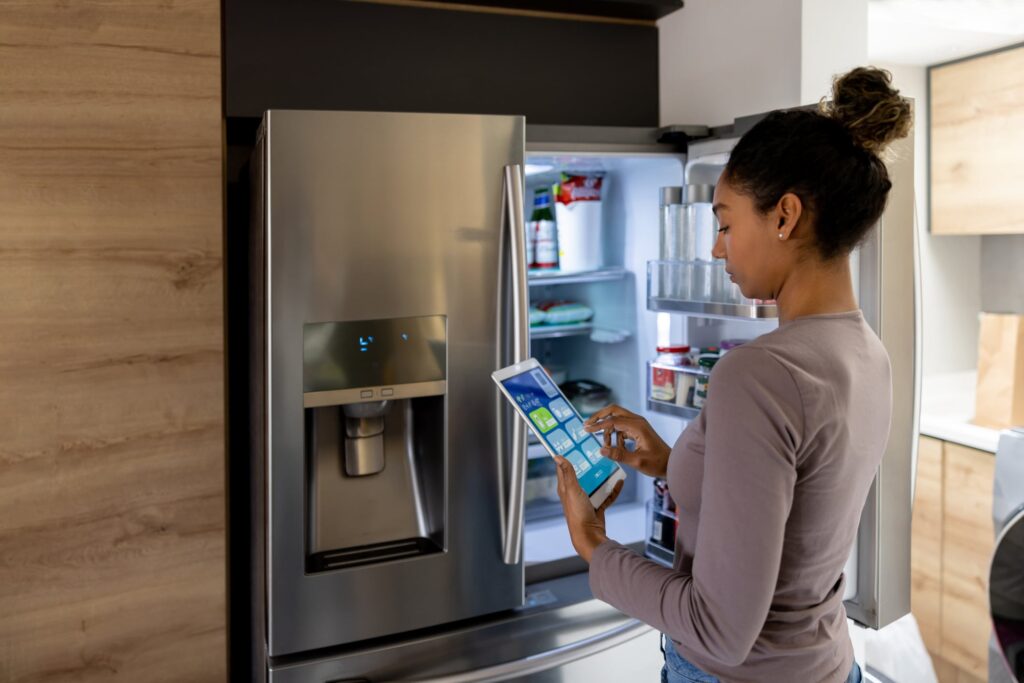
- Wi-Fi diagnostics and alerts (door ajar, filter replacement, temperature swings). Handy, but not essential for everyone.
Pros and Cons Summary
Side-by-Side – Pros
- Narrow door swing fits tight kitchens
- Eye-level, easy-to-scan freezer
- Often, a lower price for similar capacity
- Common, convenient through-the-door dispensers
Side-by-Side – Cons
- Narrow shelves limit wide containers
- More bending for lower fridge items
- Door bins can crowd tall jugs on some models
French Door – Pros
- Full-width fridge space for platters and pans
- Fresh foods at eye level
- Flexible drawers and premium humidity control on many models
French Door – Cons
- Freezer digging if you don’t use bins
- Wider door swing; needs more clearance
- Typically higher upfront cost
Decision Guide: Match the Fridge to Your Household

Choose Side-by-Side if you:
- Have a narrow kitchen aisle or wall interference.
- Prioritize organized, visible freezer access.
- Want high capacity without splurging for top-tier features.
Choose French Door if you:
- Frequently store wide, awkward containers.
- Want everyday, fresh items front and center with minimal bending.
- Appreciate flexible drawers and are okay managing a drawer freezer.
Care, Longevity, and Little Habits That Help
- Level the fridge to ensure doors self-close and drawers slide smoothly.
- Clean condenser coils annually (more often with pets).
- Replace water filters on schedule; don’t ignore reduced flow—it stresses valves and pumps.
- Use labeled bins, especially in a French door freezer, to turn “dig-fest” into “grab-and-go.”
Final Word
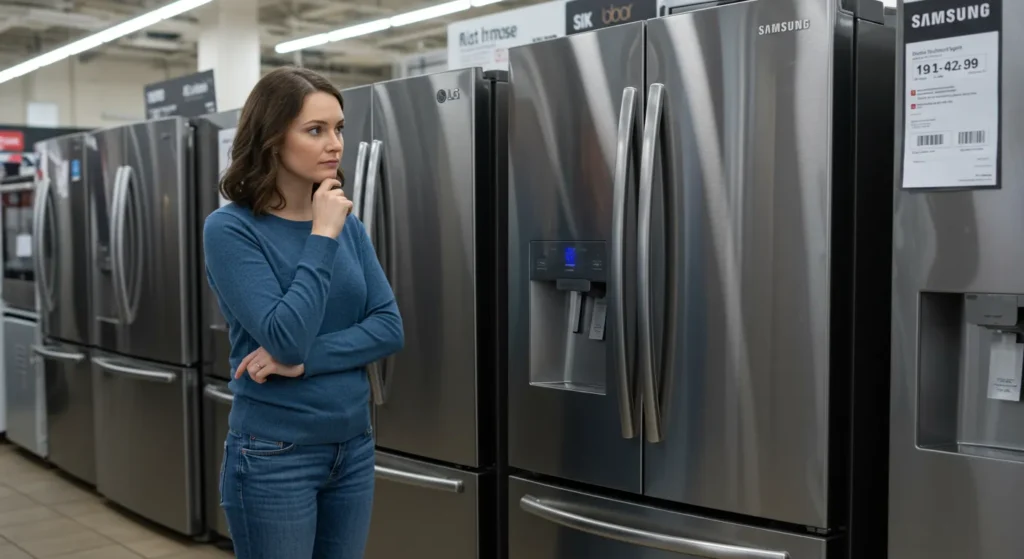
There’s no universal winner—only the refrigerator that fits your kitchen, your budget, and the way you actually cook and shop. If you can, bring a few “problem items” (baking sheet, tall bottle, pizza box) to the showroom and try loading them; that simple experiment settles the question for many shoppers in five minutes.
For more hands-on guidance, tools, and troubleshooting tips (again, no repair services provided), visit Appliance Rescue. Have a specific question about this comparison or want us to cover another appliance topic? Contact us and we’ll point you to the right guide.