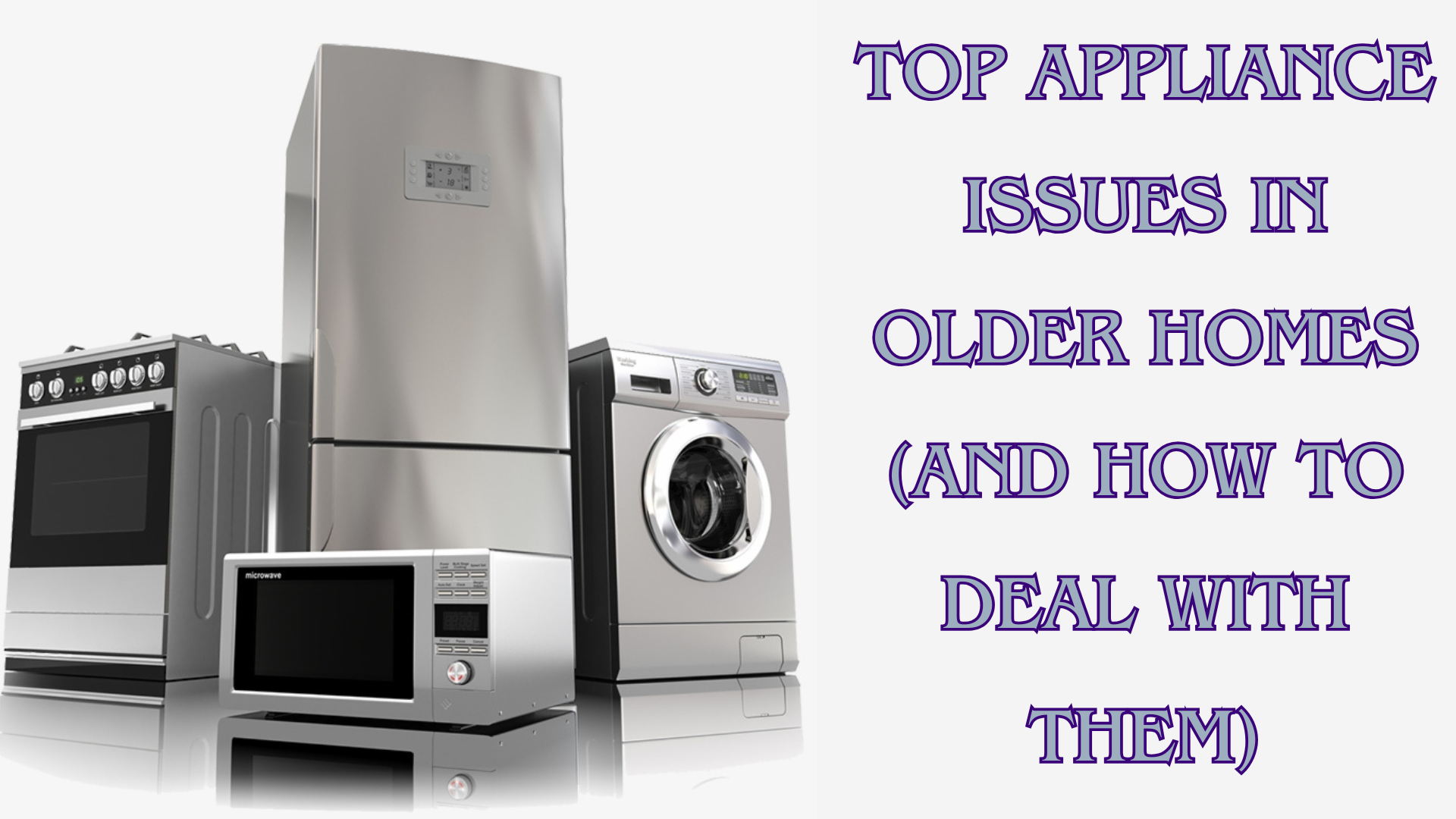

Older homes have character—original trim, quirky floor plans, and sometimes wiring and plumbing that predate modern appliances. That charm can also translate into temperamental fridges, washers that sputter, or ovens that never quite hit the set temperature. This guide breaks down the most common appliance issues in older houses, why they happen, and what you can do about them—safely and cost-effectively. It also explains when an upgrade or a small retrofit solves far more headaches than repeated “quick fixes.”
Note: Appliance Rescue provides Expert Guides, Appliance Tips, and Troubleshooting Advice only. They do not offer repair services. Explore their how-to library here: Appliance Rescue. For questions about their resources, you can Contact us.
1) The Hidden Root Cause: House Infrastructure vs. The Appliance

Most “appliance problems” in older homes are actually house-infrastructure problems showing up at the appliance:
- Undersized circuits or outdated wiring: Older wiring (including knob-and-tube or aluminum branch circuits) may not meet the load needs of a modern refrigerator, induction range, or dryer.
- Inconsistent voltage and surges: Aging panels and long branch runs can cause voltage sag; lightning and utility events can cause brief spikes that confuse control boards.
- Low water pressure or sediment: Mineral scale and pipe rust clog inlet screens, valves, and spray arms.
- Poor ventilation or ducting: Lint-packed dryer ducts and oven hoods that don’t actually vent outside reduce appliance performance and lifespan.
- Grounding and GFCI/AFCI gaps: Missing or mixed grounding methods lead to nuisance trips or unsafe operation, especially near water sources.
2) Refrigerators: Warm Spots, Noisy Compressors, and Ice Maker Drama
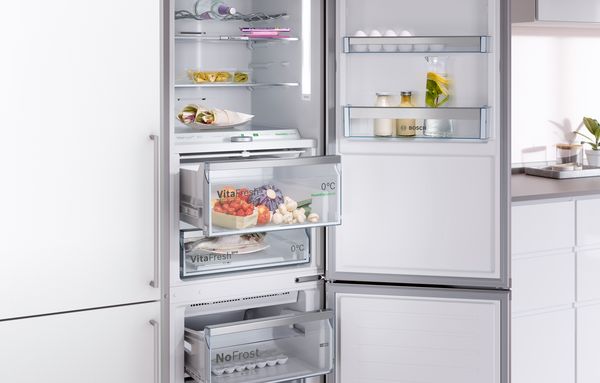
Symptoms
- Inconsistent cooling, especially on hot days or during defrost cycles
- The ice maker is slow to produce or jamming
- Compressor runs constantly or is unusually loud
Likely Causes in Older Homes
- Voltage fluctuations: Control boards and inverter compressors are sensitive to dips and spikes.
- Cramped cavities: Many older kitchens have tight alcoves; modern fridges need rear and top clearance for airflow.
- Old supply valves & clogged filters: Rust or scale restricts water flow to the ice maker.
What to Do
- Add a surge protector or whole-home surge protection to protect delicate electronics.
- Measure clearance and improve ventilation; clean condenser coils every 6–12 months.
- Replace old saddle valves with a proper shut-off valve and flush the water line; change water filters on schedule.
When to Consider Upgrading
- If the sealed system is failing or the unit predates modern efficiency standards, a new ENERGY STAR model may cut energy use and reduce voltage-related quirks.
3) Ovens & Ranges: Wonky Temperatures and Tripping Breakers
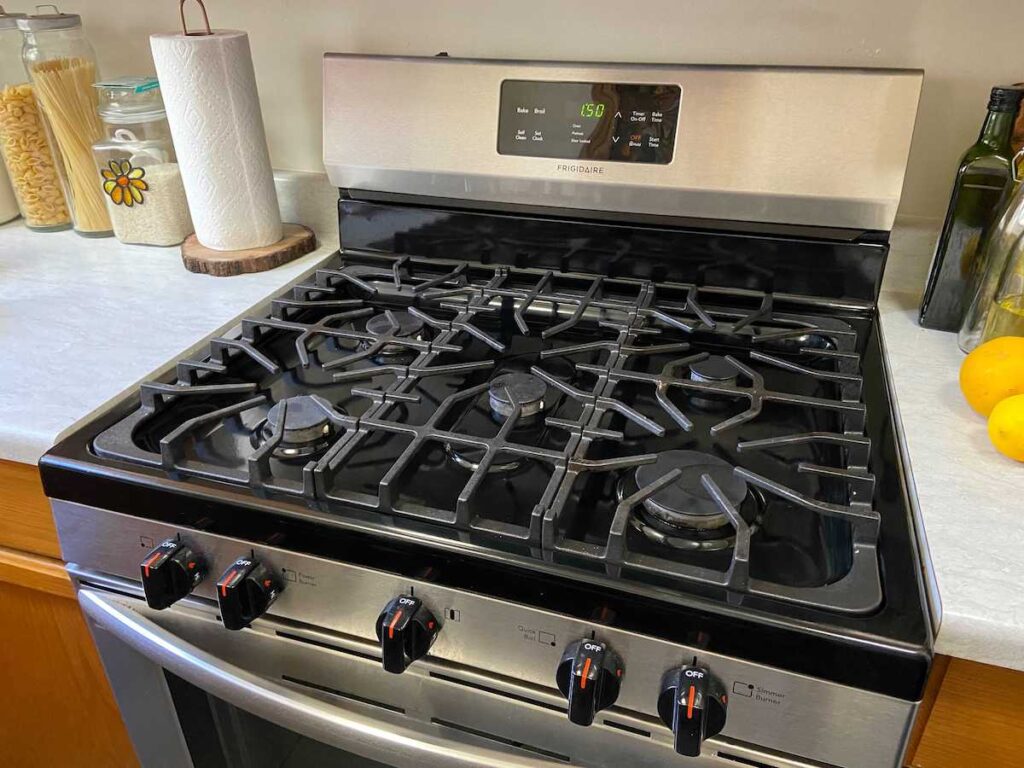
Symptoms
- Oven runs 25–50°F (10–25°C) off target
- Burners are slow to heat, or an electric range trips the breaker
Likely Causes
- Undersized or shared circuits: Older kitchens sometimes share circuits across multiple outlets and lights.
- Legacy outlets and cords: Mismatched 3-prong/4-prong configurations or brittle receptacles lead to heat and arcing.
- Out-of-calibration thermostats on older models.
What to Do
- Verify the dedicated circuit (typically 40–50A for many electric ranges) and correct the receptacle/cord type.
- Calibrate the oven via the control panel (many allow ±30°F adjustments); verify with an oven thermometer.
- For gas ranges, ensure proper ventilation and that the regulator is set for your fuel type (natural gas vs. LP).
Upgrade Clues
- Persistent breaker trips, scorched outlets, or aluminum wiring near high-draw appliances warrant an electrician’s evaluation and likely circuit upgrades.
4) Dishwashers: Gritty Glassware and Mystery Leaks
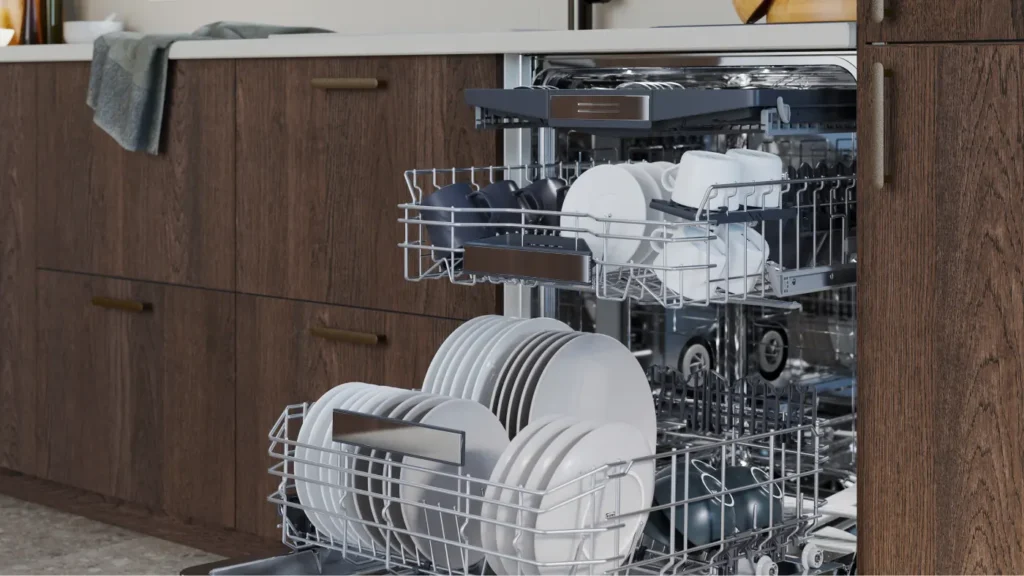
Symptoms
- Dishes not getting clean; residue on glassware
- Long cycles; occasional water left in the tub
- Drips around the door or under the sink
Likely Causes
- Low incoming water temperature/pressure: Many older water heaters are set below 120°F (49°C), and old plumbing reduces flow.
- Clogged inlet screens or spray arms from mineral scale.
- Unsealed or cracked air gaps and deteriorated hoses.
What to Do
- Set the water heater to 120°F (49°C); run hot water in the sink before starting the cycle.
- Clean filter screens and spray arms; use a descaling cycle with citric acid if the water is hard.
- Replace old drain hoses and ensure the air gap or high-loop is correctly installed.
Upgrade Clues
- If the tub, pump, or control board is failing on a very old unit, newer models clean better using less water and are quieter—especially helpful in compact, older kitchens.
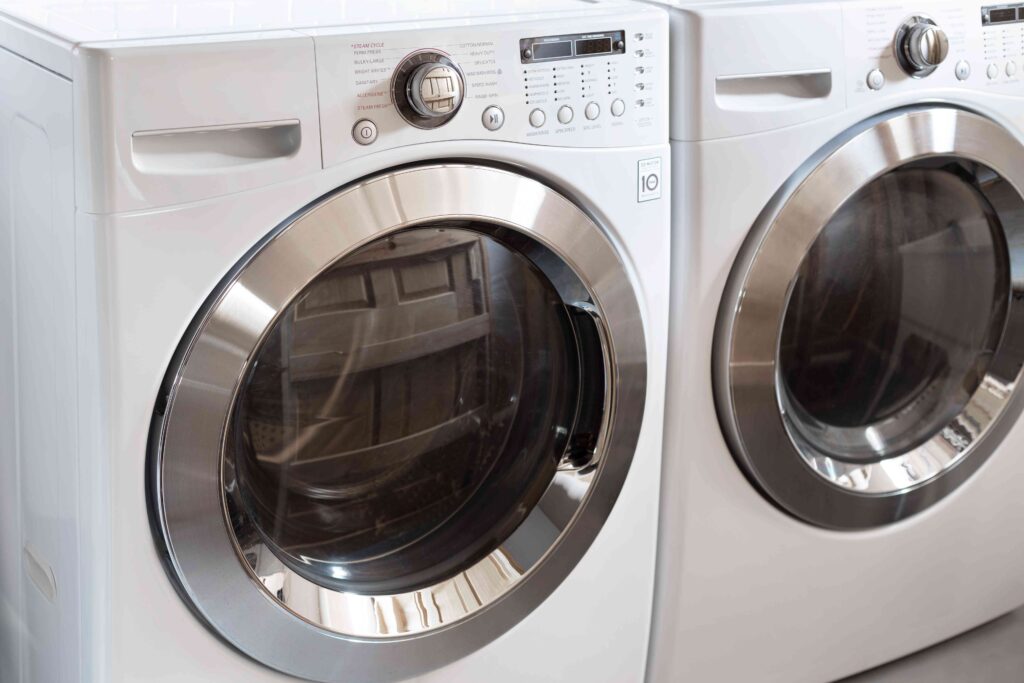
5) Washers: Shakes, Slow Fills, and Early Bearing Noise
Symptoms
- Excessive vibration during spin
- Long fill times or valve error codes
- Musty odors in front-loaders
Likely Causes
- Uneven floors and springy joists are typical in older houses.
- Clogged inlet screens from rust/scale; kinked hoses.
- Poor ventilation around the unit is encouraging mildew.
What to Do
- Level the washer and add anti-vibration pads; consider moving the unit perpendicular to joists or installing a laundry base.
- Replace old rubber supply hoses with braided stainless lines and clean the inlet screens.
- Leave the door ajar between cycles and run a tub clean monthly with an appropriate cleaner.
Upgrade Clues
- Early bearing roar or persistent out-of-balance errors can indicate end-of-life, especially if the machine is well beyond its expected lifespan.
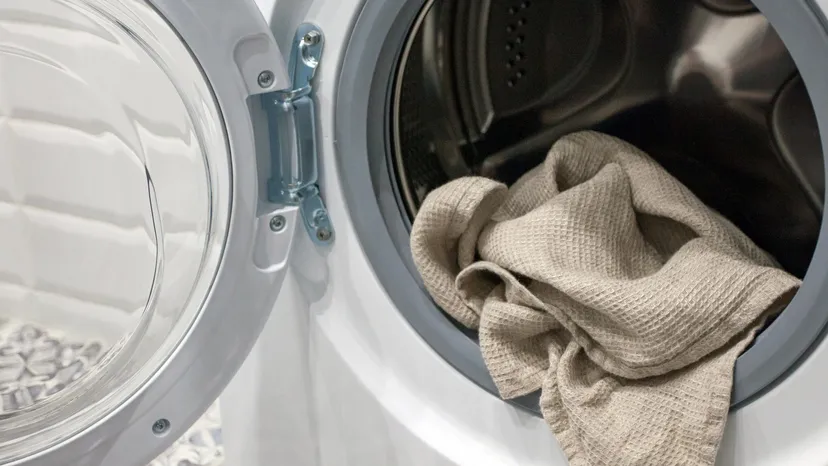
6) Dryers: Endless Cycles and Overheating
Symptoms
- Clothes take forever to dry
- The dryer gets hot to the touch; the auto-dry never stops
Likely Causes
- Lint-clogged or long duct runs: Older homes often route ducts with multiple bends; some vent into crawlspaces (not allowed).
- Crushed transition hoses and stuck vent flappers.
What to Do
- Clean the entire vent path from dryer to exterior and minimize bends; replace foil or plastic hoses with rigid/semi-rigid metal.
- Check the outdoor vent flapper for free movement and bird screens for blockage.
- Consider a booster fan for long runs if allowed by code and manufacturer.
Upgrade Clues
- If venting cannot be improved, heat-pump dryers (ventless) can be a smart fit for older buildings without reliable exterior vent paths.
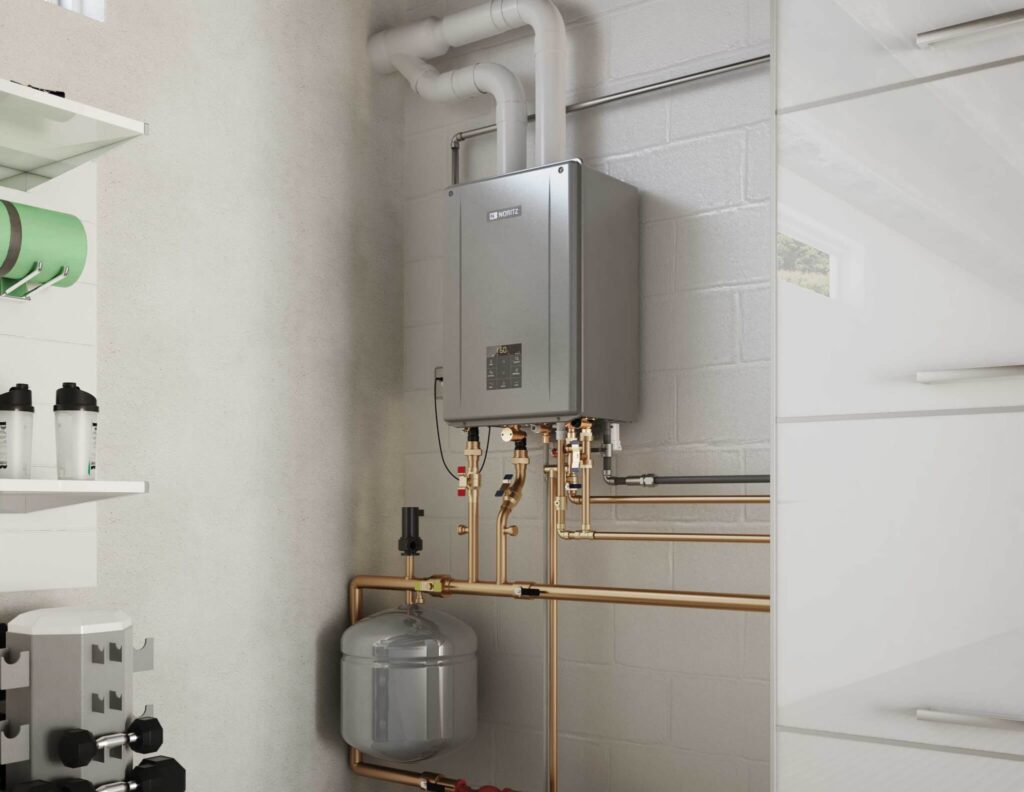
7) Water Heaters: Lukewarm Water and Rumbling Tanks
Symptoms
- Reduced hot water volume
- Rumbling or popping noises
- Discolored water after tank refills
Likely Causes
- Sediment buildup from years of minerals settling in the tank.
- The old anode rod is no longer protecting the tank.
- Aging gas controls or electric elements.
What to Do
- Flush the tank annually to remove sediment.
- Inspect/replace the anode rod every 3–5 years (more often with very hard water).
- Verify thermostat settings (120°F / 49°C is a good target for efficiency and safety).
Upgrade Clues
- Tanks beyond their rated life, frequent leaks, or recurrent pilot/element failures point to replacement—consider heat-pump water heaters where climate and space allow.
8) Small Appliances & Built-Ins: The “Death by a Thousand Outlets” Problem
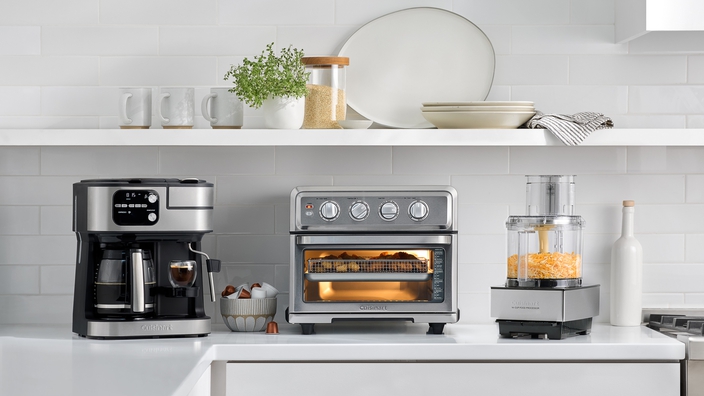
Microwaves, disposals, wine coolers, and built-in icemakers often share circuits with lighting and countertop receptacles in older kitchens. Nuisance trips and poor performance follow.
What to Do
- Add dedicated circuits for high-draw devices where practical.
- Use GFCI/AFCI protection where required by code.
- Install line conditioners or UPS units for sensitive electronics in areas with frequent brownouts.
9) Safety First: When to Pause DIY
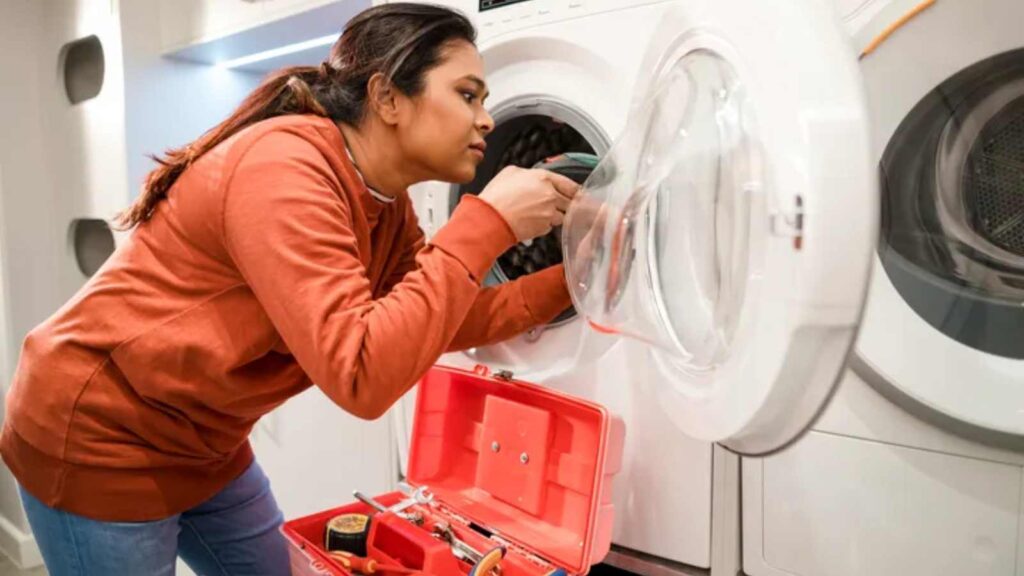
While many issues are straightforward—cleaning filters, improving ventilation, swapping hoses—others demand caution:
- Signs of overheating: Scorched outlets, melted plugs, or warm breaker panels.
- Uncertain fuel connections: Gas odors, incorrect or missing regulators, or makeshift LP conversions.
- Wiring mysteries: Mixed neutrals/grounds, two-prong receptacles feeding grounded appliances, or aluminum/copper pigtails done poorly.
- Water leaks in concealed spaces: Risks of mold and structural damage.
When in doubt, consult a licensed pro for electrical, gas, or structural work. Then use authoritative DIY resources to finish the appliance-side adjustments.
For curated how-tos and checklists, browse Appliance Rescue’s educational content: Appliance Rescue. If you have questions about their guides or need help finding a topic, use their Contact us page. Again, they do not perform repairs; they publish Expert Guides, Appliance Tips, and Troubleshooting Advice.
10) Quick Retrofit Wins for Old-House Kitchens & Laundries
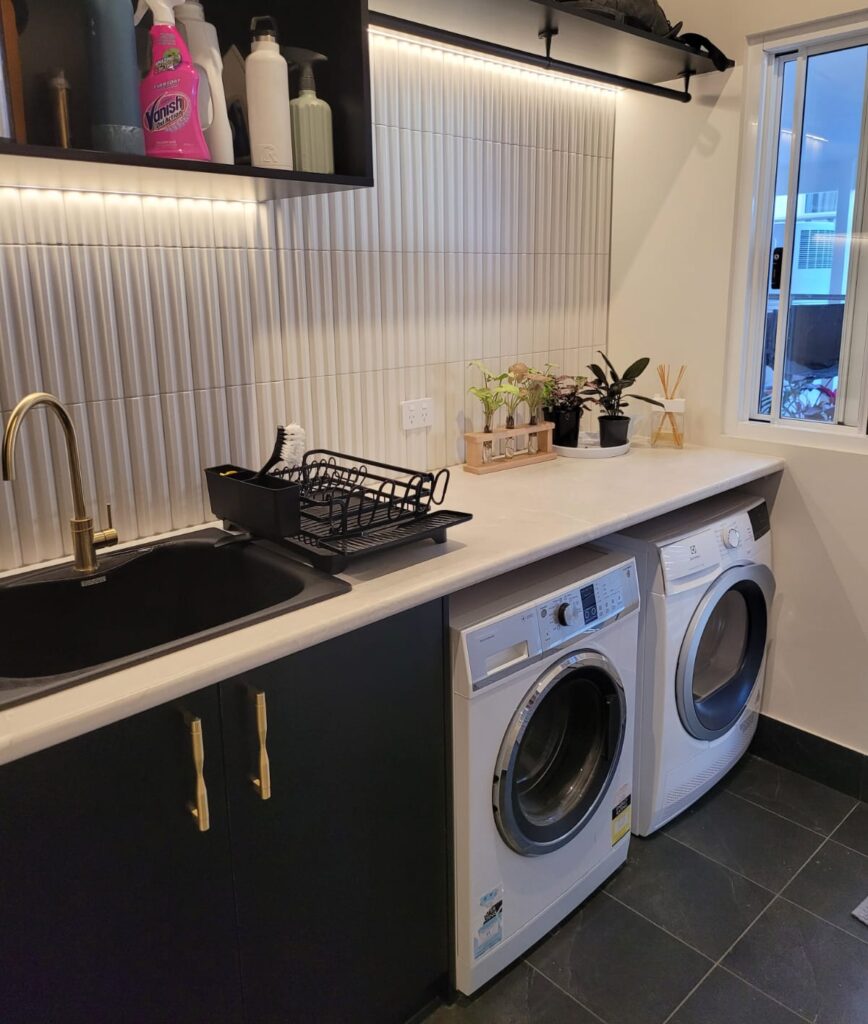
- Whole-home surge protection + point-of-use surge strips for control-board appliances.
- Braided stainless steel water lines with new shut-off valves for washers/fridges/dishwashers.
- Rigid or semi-rigid metal dryer vent, trimmed to length with gentle bends.
- Clearance & airflow checks behind refrigerators and around wall ovens.
- Descale routine (citric acid or manufacturer-approved cleaners) for dishwashers and coffee systems in hard-water zones.
- Dedicated circuits for ranges, microwaves, and laundry—future-proofing during panel upgrades.
- Thermometer & power meter kit: An inexpensive oven thermometer and a plug-in power monitor help diagnose erratic behavior quickly.
11) Planning an Upgrade Path (Without Gut-Renovating)
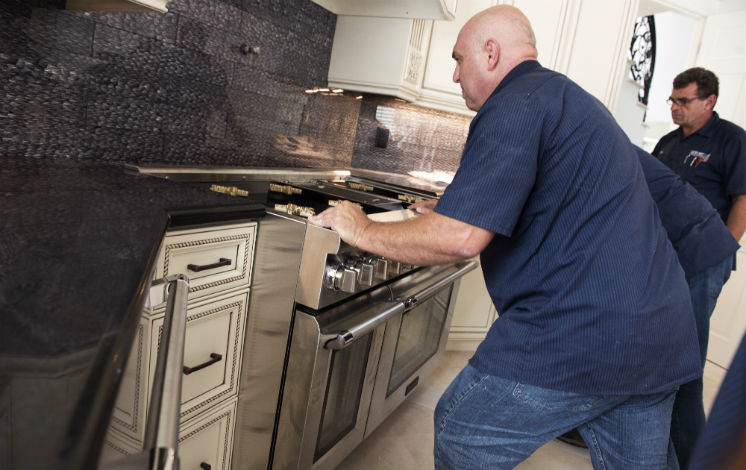
If opening walls isn’t on the agenda, you can still modernize performance:
- Map the panel and circuits. Label breakers, note wire gauges, and identify shared circuits that give appliances trouble.
- Target the worst offenders first. Fix venting and water-supply restrictions before replacing appliances.
- Choose appliances that fit your infrastructure. For example, a compact, counter-depth fridge in a tight alcove, or a ventless heat-pump dryer where exterior venting is impractical.
- Phase in electrical improvements. Add a couple of dedicated circuits and whole-home surge protection during other home projects to spread costs over time.
- Track energy and water use. Smart plugs (for small appliances) and utility rebates can guide which replacements deliver the biggest payoff.
Conclusion
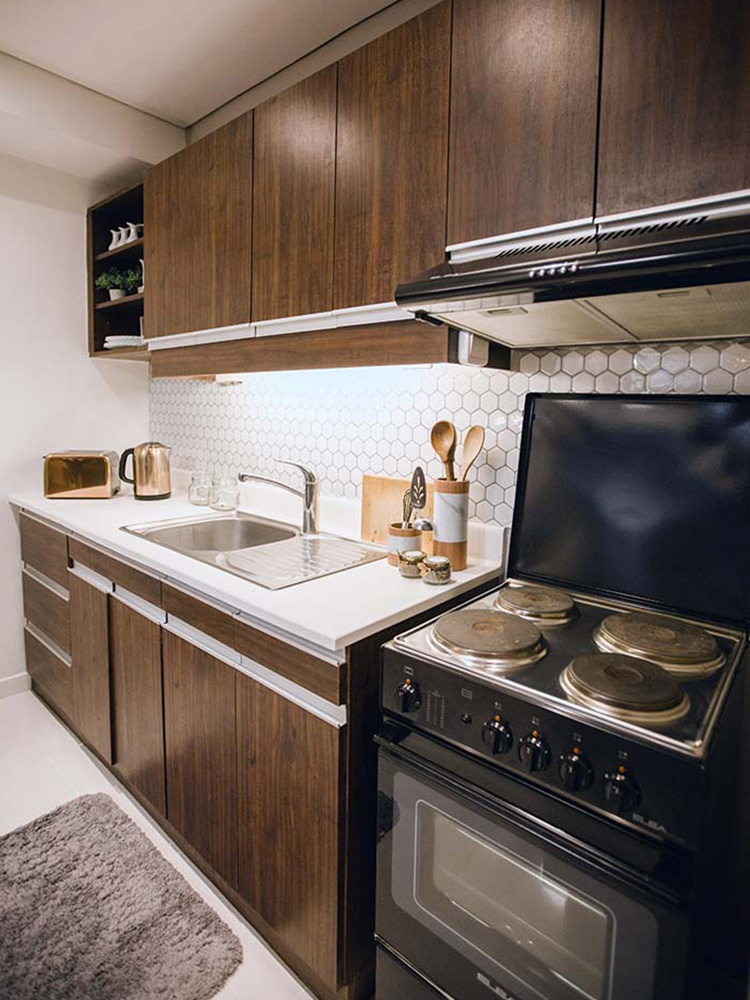
Appliances in older homes aren’t doomed; they’re just working with different constraints. Start by addressing the “house” problems—power quality, water supply, and ventilation—and many appliance quirks will vanish. For the rest, smart retrofits and strategic upgrades make a world of difference. To dive deeper into specific fixes and maintenance routines, explore the educational library at Appliance Rescue. For questions about their guides, you can Contact us. Remember: they publish guidance and troubleshooting advice, not repair services.