

The Rise of Connected Appliances: IoT’s Role in Modern Kitchen Design
Not long ago, “smart” kitchen gear mostly meant a shiny app and a few gimmicks. Today, the Internet of Things (IoT) is turning kitchen appliances into connected, context-aware helpers that can save energy, cut food waste, and simplify daily routines. This article breaks down what IoT actually does in the kitchen, the benefits and trade-offs, and how to choose and set up devices that will work reliably for years.
Quick note: Appliance Rescue does not offer repair services. Instead, they publish expert guides, practical appliance tips, and troubleshooting advice to help you solve problems confidently at home.
What “IoT” means in the kitchen
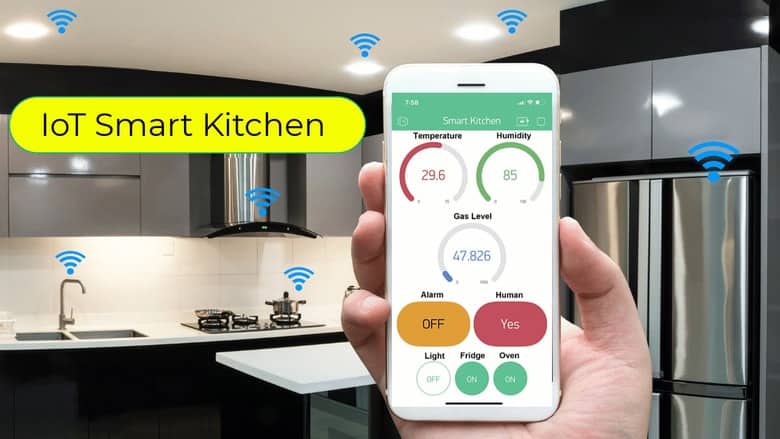
IoT refers to everyday devices embedded with sensors, software, and connectivity so they can gather data, communicate, and automate tasks. In kitchens, that usually includes:
- Connectivity: Wi-Fi, Bluetooth, or low-power protocols (e.g., Zigbee, Thread) to talk to apps and voice assistants.
- Sensing: Temperature, humidity, door-open events, water flow, or weight for real-time insight.
- Control & automation: Remote starts, scheduled runs, and routines that react to triggers (e.g., preheating the oven when you arrive).
- Integration: Compatibility with ecosystems like Google Assistant, Alexa, Siri, or the emerging Matter standard.
Tangible benefits you can feel day to day
1) Convenience without the mental load

- Remote control & status: Check if the oven is off, start the dishwasher during off-peak hours, or see what’s left in the fridge while you’re at the store.
- Hands-free cooking: Voice-controlled timers, guided recipes, and automatic preheating streamline busy weeknights.
2) Energy efficiency and lower utility bills

- Smarter cycles: Dishwashers and washers optimize water and heat.
- Demand response: Some devices can run during cheaper electricity windows.
- Standby management: Apps can reveal always-on power hogs so you can tweak settings.
3) Food safety and less waste

- Fridge monitoring: Temperature and door-left-open alerts protect perishables.
- Inventory reminders: Track expiration dates or receive prompts to use ingredients before they spoil.
4) Predictive maintenance & longer life

- Self-diagnostics: Appliances can report error codes and component wear trends.
- Usage insights: Abnormal cycles or temperatures become early warnings, often fixable with simple steps from a reliable guide.
5) Accessibility & independence

- Adaptive control: Larger fonts, voice commands, and remote access help users with mobility or vision challenges cook more safely.
Real-world examples

- Smart refrigerators: Camera snapshots, drawer-level temps, humidity tuning for produce, and push alerts for doors left ajar.
- Connected ovens & ranges: Precise preheat notifications, probe-based cooking that stops at target temps, and downloadable cooking modes.
- Dishwashers: Turbidity sensors that adapt water usage, with “run now” scheduling during off-peak times.
- Coffee makers & small appliances: Morning routines that sync with alarms; grind size or brew temp presets stored per user.
The trade-offs: what to watch before you buy
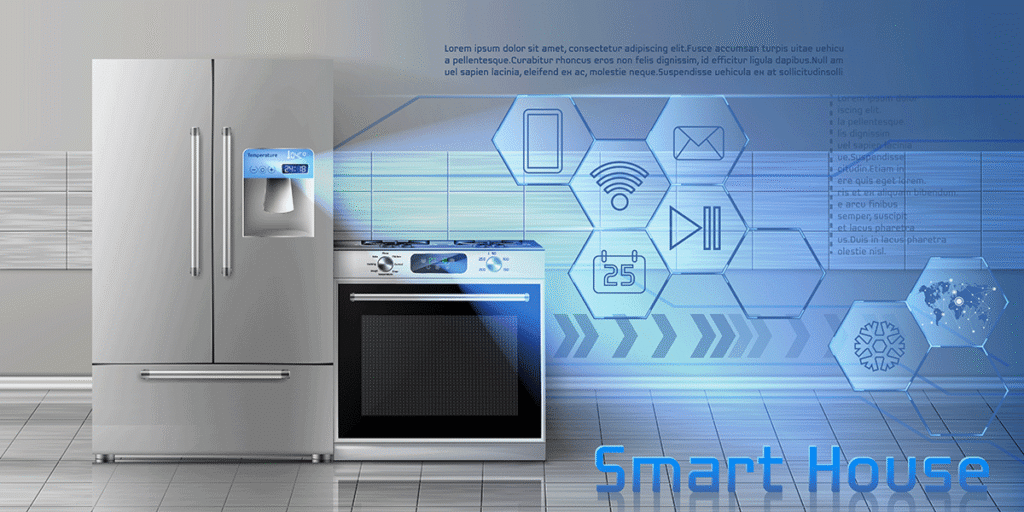
IoT adds complexity. Before you commit:
- Privacy & data: Understand what’s collected (usage patterns, temperatures, error logs) and how it’s stored. Look for robust privacy controls.
- Security: Favor brands with regular firmware updates, two-factor authentication, and local control options.
- Interoperability: Check Matter/Thread or confirmed compatibility with your voice assistant and hub.
- Longevity: Ask how long the brand provides updates and whether core features work if a cloud service changes.
- Costs & subscriptions: Some advanced recipe platforms or remote diagnostics require paid plans—know this up front.
Buying checklist: future-proof without overpaying

- Connectivity standard: Wi-Fi is common; Thread/Matter improves reliability and multi-brand compatibility.
- Local control fallback: Ensure basic functions remain if the internet is down.
- Update policy: Look for clear timelines for security patches and feature support.
- App quality: Ratings matter—clunky apps undermine otherwise good hardware.
- Privacy controls: Account permissions, data export, and deletion options are a plus.
- Service transparency: If a feature requires a subscription, is it essential or optional?
- Sustainability: Energy Star ratings, replaceable parts, and recyclable materials reduce long-term impact.
Set up best practices for a hassle-free smart kitchen

- Secure the network: Use a strong, unique Wi-Fi password and enable router updates. Consider a guest IoT network.
- Name devices clearly: “Kitchen-Oven-Main” beats “Device-8F21.” You’ll thank yourself later.
- Automate lightly: Start with one or two routines (e.g., preheat reminders, leak alerts) and expand gradually.
- Tune notifications: Keep critical alerts (leaks, high temps) on; mute noisy low-value pings.
- Maintain routinely: Clean sensors, update firmware quarterly, and review permissions annually.
- Document basics: Keep model numbers, warranty info, and Wi-Fi credentials in one secure place.
Future trends shaping the smart kitchen

- AI-assisted cooking: Adaptive heat profiles and camera-based doneness detection.
- Smarter inventory: Computer vision that recognizes items and predicts meal plans from what you have.
- Grid-aware appliances: Automatic scheduling to sync with rooftop solar or off-peak pricing.
- Micro-robotics & automation: Emerging countertop robots to stir, flip, or plate—still early, but promising.
Troubleshooting and learning—where to get reliable help
If an appliance throws a cryptic error code or a new feature isn’t behaving, you don’t have to guess. Appliance Rescue offers expert guides, appliance tips, and troubleshooting advice—no repair services, just clear how-tos and decision support so you can fix small problems or understand when professional service is warranted. Need more guidance or have a specific question? Contact us for friendly help and additional resources.
Bottom line
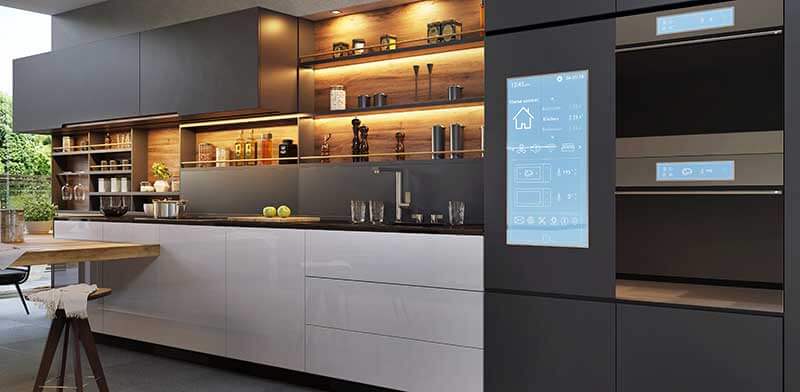
IoT-enabled kitchen appliances can genuinely improve convenience, efficiency, and safety—when chosen carefully and set up well. Focus on security, interoperability, and long-term support, and lean on trustworthy, vendor-neutral resources for troubleshooting and best practices. With that foundation, your “smart” kitchen won’t just be clever—it’ll be quietly, reliably helpful every day.