
Sustainable Appliance Buying Guide: What to Choose (and Why)
Modern appliances are more efficient, quieter, and kinder to the planet than ever. But “green” labels alone don’t tell the whole story. This guide walks you through the technologies that actually cut energy and water use, how to choose among competing models, and what to do after purchase to keep your footprint—and your utility bills—low. (Quick note: Appliance Rescue provides expert guides, sustainable appliance tips, and troubleshooting advice—but no repair services. If you need help picking or using efficient features, we’ve got you.)
Why Sustainable Appliances Matter
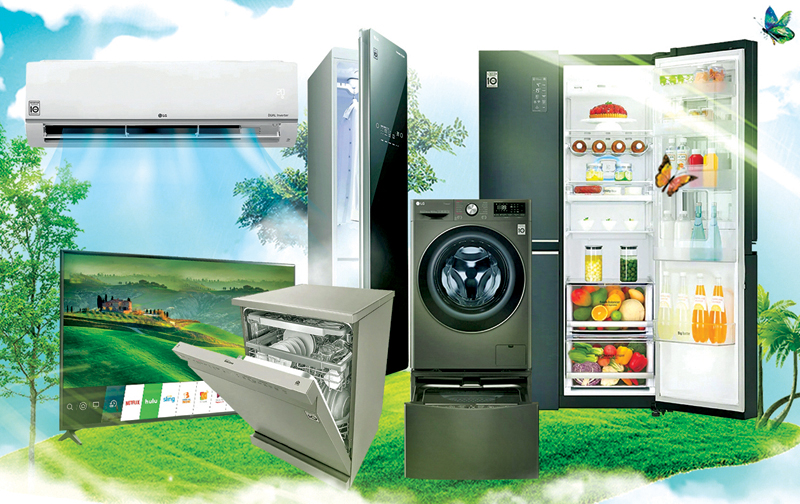
- Household impact adds up. Appliances draw power every day and often heat or move air or water—energy-intensive tasks. Small gains in efficiency compound over the years.
- Costs track efficiency. The most efficient models usually cost more upfront but pay back through lower electricity and water bills.
- Comfort and convenience improve. Advanced compressors, brushless motors, and smart controls reduce noise, vibration, and guesswork.
Key Efficiency Technologies to Know
1) Heat-pump magic (not just for HVAC)
- Heat-pump dryers: Reuse heat rather than venting it outdoors, slashing electricity use. They run cooler, so fabrics last longer, though cycles can be a bit longer.
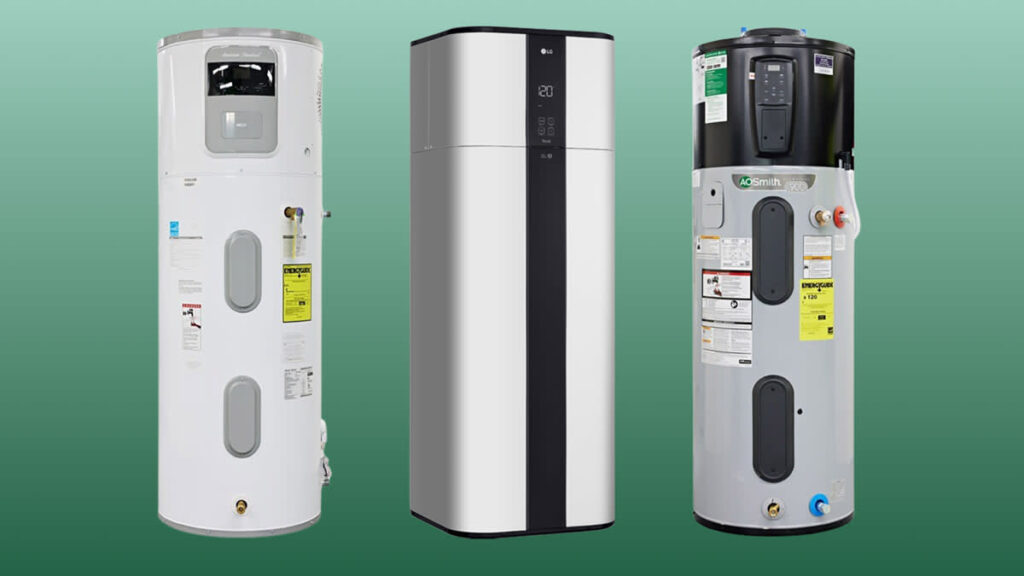
- Heat-pump water heaters: Pull heat from ambient air to heat water; ideal in garages or utility rooms where they also provide a dehumidifying effect.
2) Inverter compressors & brushless DC motors
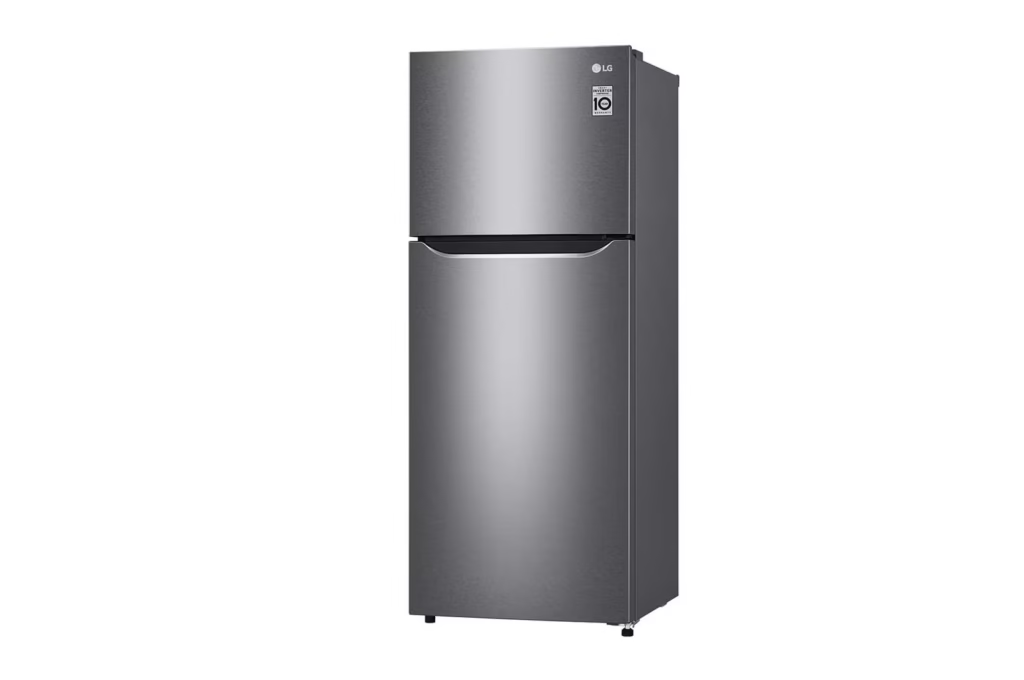
Refrigerators with inverter compressors and washers/dishwashers with BLDC motors modulate speed precisely. That means fewer start-stop spikes, steadier temperatures, less noise, and lower energy draw.
3) Induction cooktops
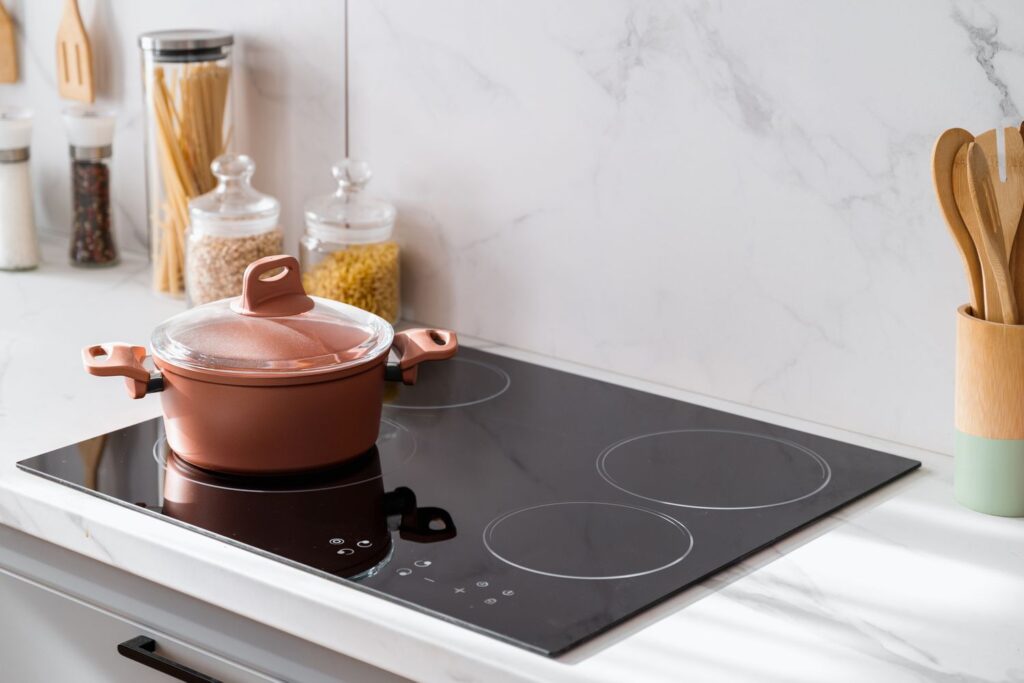
Induction transfers energy directly into the pan with magnetic fields. Upsides: very fast heating, precise control, and cooler kitchens. You’ll need compatible cookware (a magnet sticks = you’re good).
4) Load-sensing and auto-dosing
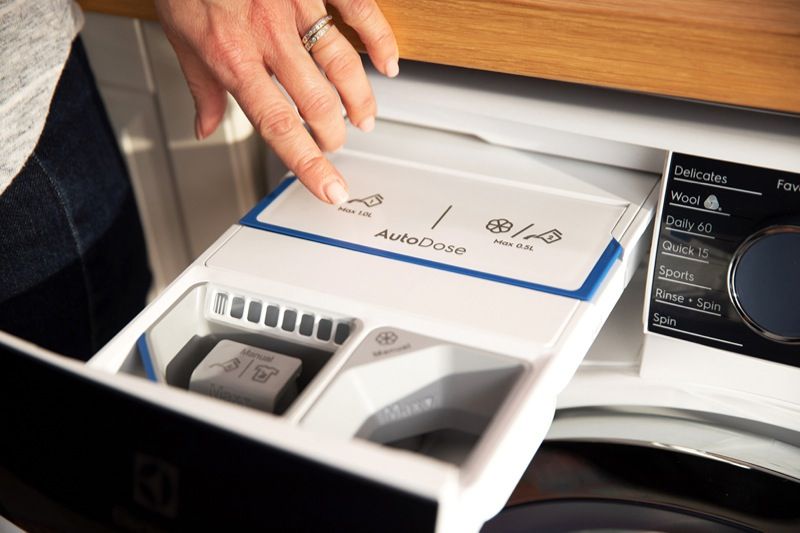
Modern washers and dishwashers weigh or sense soil and adjust time and water accordingly. Some add auto-dosing, metering just the right detergent amount—better cleaning with less waste (and fewer micro-suds clogging things).
5) Eco cycles that actually help
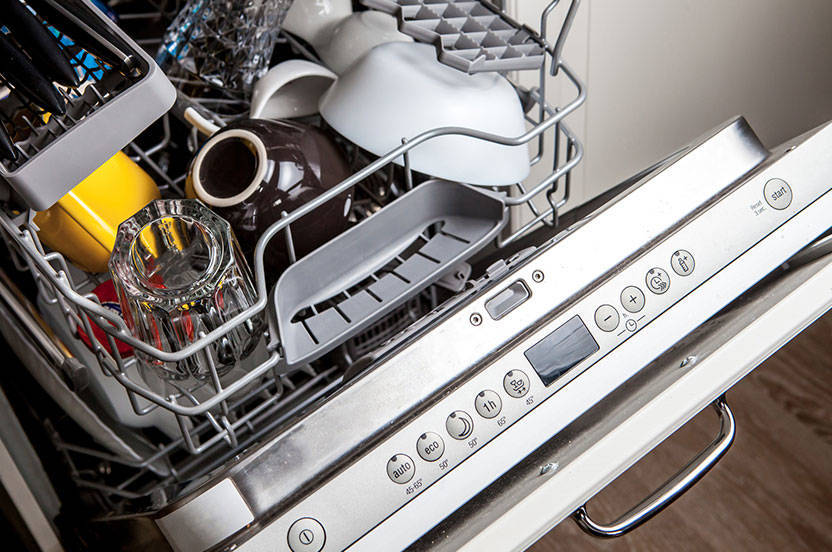
“Eco” or “normal” programs may run longer at lower temperatures, which often uses less energy overall. For dishwashers, leaving heated-dry off and using the door-ajar air-dry trick saves a surprising amount.
6) Water-sipping designs
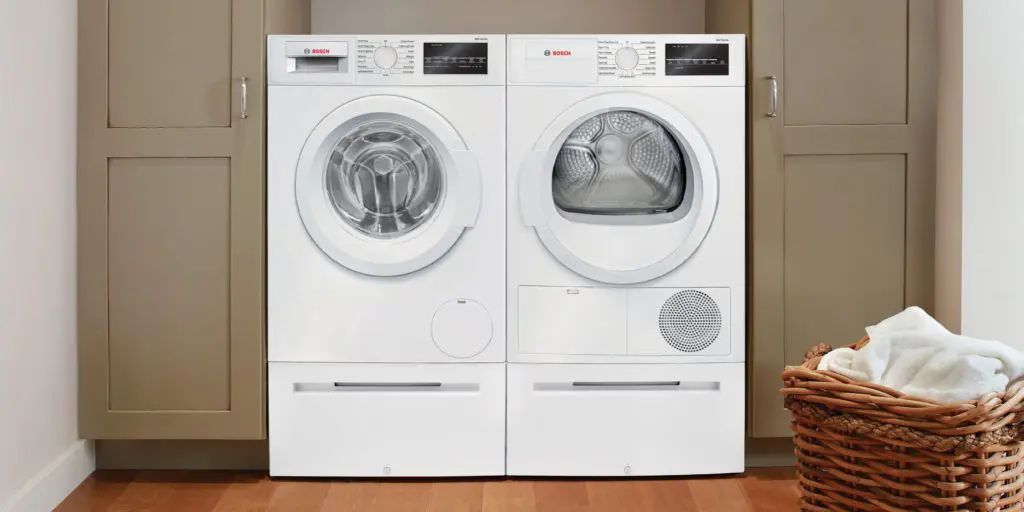
- Dishwashers with efficient spray arms and soil sensors often beat handwashing for water use.
- Front-load washers tumble rather than agitate in a full tub, cutting both water and energy.
7) Filtration and microplastic reduction
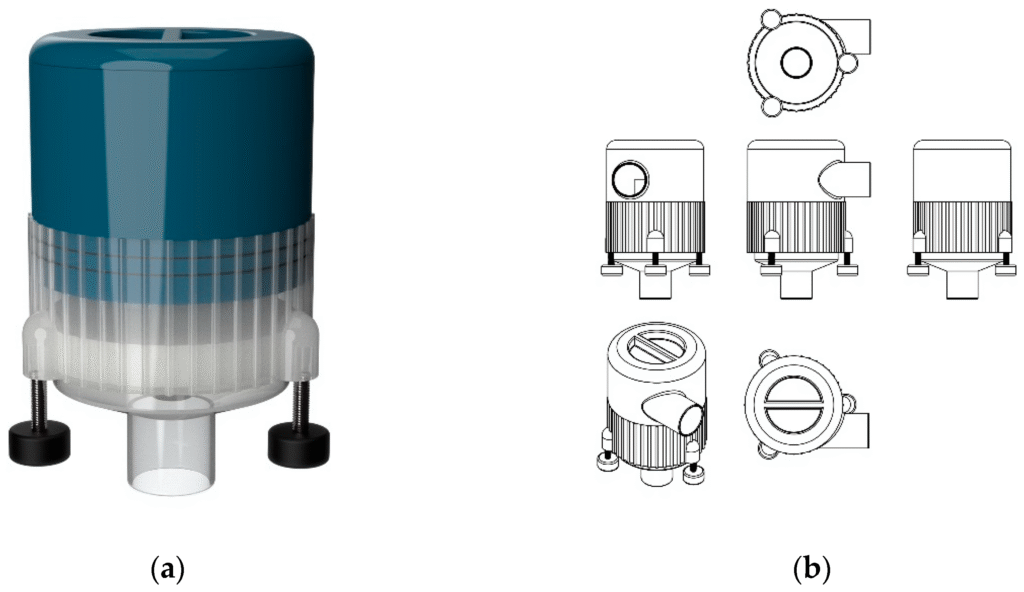
Some washers now support lint filters or external microfibre catchers that trap synthetic fibers before they reach wastewater. It’s a small change with outsized environmental benefits.
8) Smart features that aren’t gimmicks
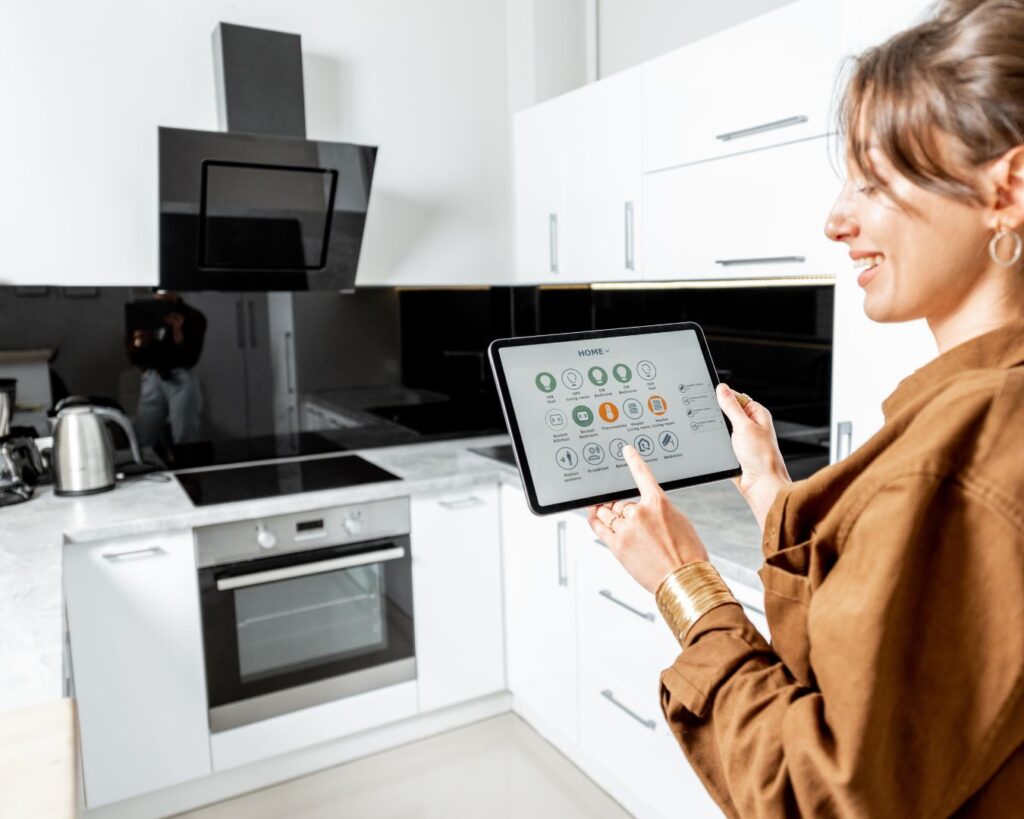
Wi-Fi scheduling, energy-use reports, and peak-time avoidance can trim bills. The best apps make it simple to run an eco cycle or delay start until off-peak hours.
Labels & Standards—How to Read Them Quickly
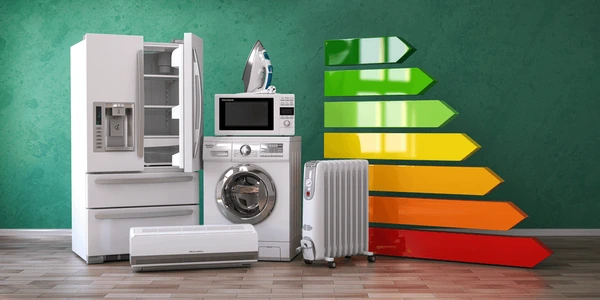
- Energy efficiency ratings (e.g., ENERGY STAR® or regional equivalents) indicate top-tier performance in a category.
- Annual energy use (kWh/year) on the label lets you compare models directly—lower is better, assuming similar capacity.
- Water factor (washers) and gallons per cycle (dishwashers) matter if you live in drought-prone areas or pay for metered water.
Pro tip: Compare per-capacity metrics (kWh per cubic foot, liters per place setting). A huge, “efficient” machine-driven half-full may waste more than a smaller one used wisely.
Choosing the Right Size (the Unsexy Win)
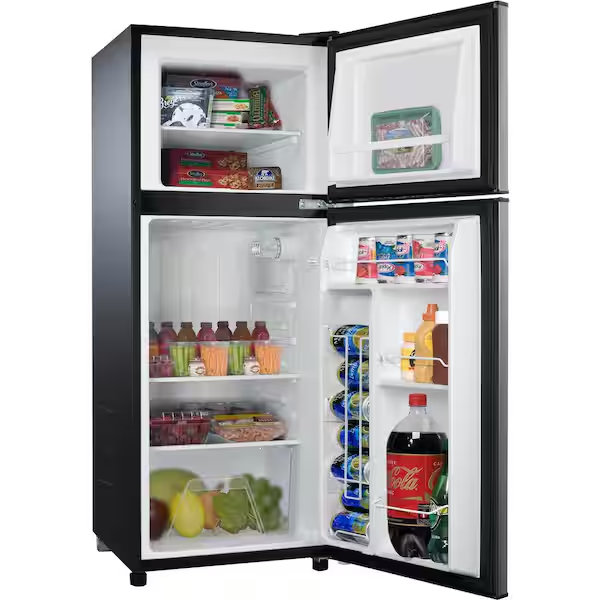
Oversized equals overkill. Pick capacities aligned to your household reality:
- Refrigerators: 4–6 cubic feet per adult is a rough rule. Empty air takes energy to keep cold.
- Washers/Dryers: If you routinely run tiny loads, consider compact models, or batch laundry to use full drum volume efficiently.
- Dishwashers: Slimline (18") units can be perfect for small spaces, but standard (24") units often use less water per item when fully loaded.
Durability, Repairability & the Circular Mindset
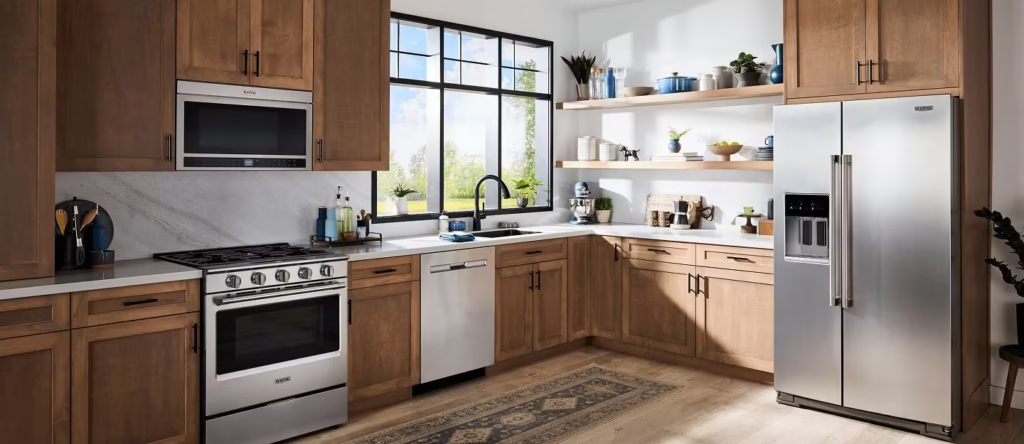
- Modular parts (e.g., replaceable pumps, fan motors) make future fixes easier.
- Screws over glue. Fasteners suggest disassembly friendliness; sealed designs often mean “replace, not repair.”
- Spare parts availability and manuals: Check the brand’s support pages before buying.
- Right-to-repair momentum: Where available, repairability scores are a useful tie-breaker.
Remember: Appliance Rescue focuses on guides, tips, and troubleshooting—not hands-on repairs. If you’re hunting for how-tos, that’s our lane.
Running Appliances the “Green” Way (After You Buy)
Refrigerator & Freezer
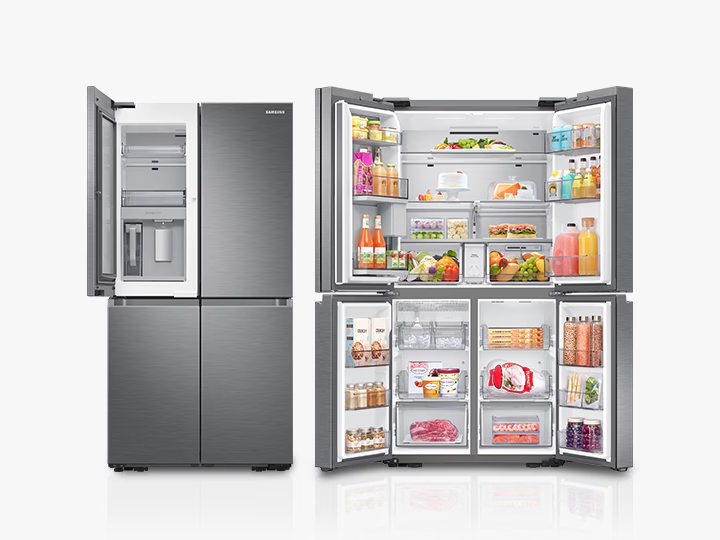
- Set temps to ~3–4 °C (37–39 °F) for the fridge, −18 °C (0 °F) for the freezer.
- Keep coils clean, door seals tight, and space around the unit for airflow.
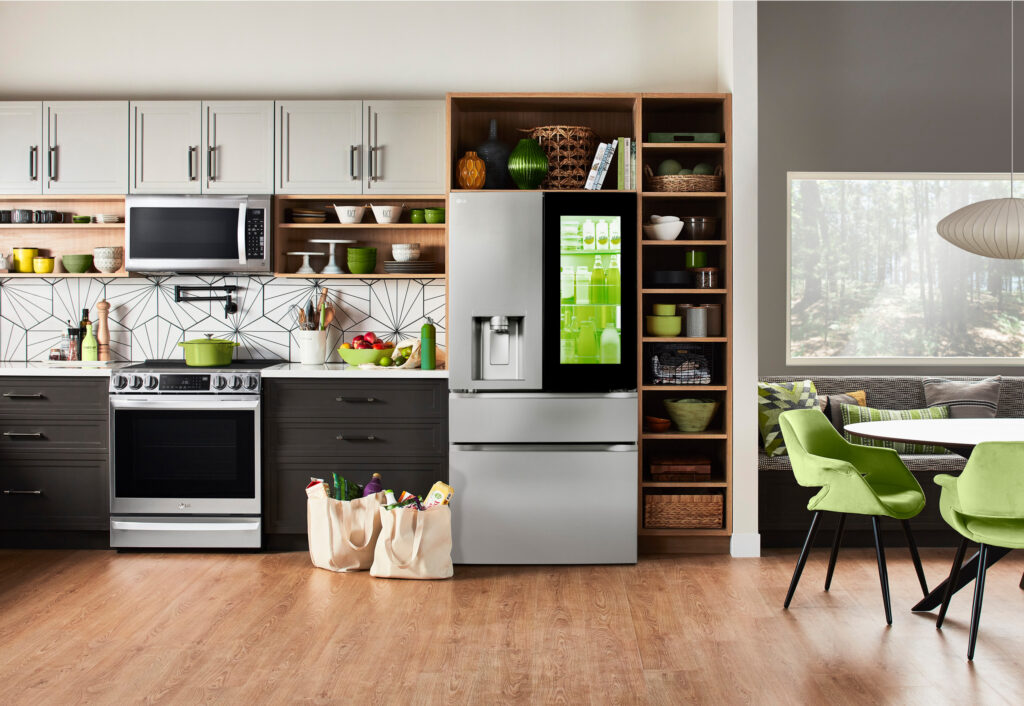
- Avoid prolonged door-open time; consider transparent bins so you can “shop your fridge” quickly.
Washer & Dryer
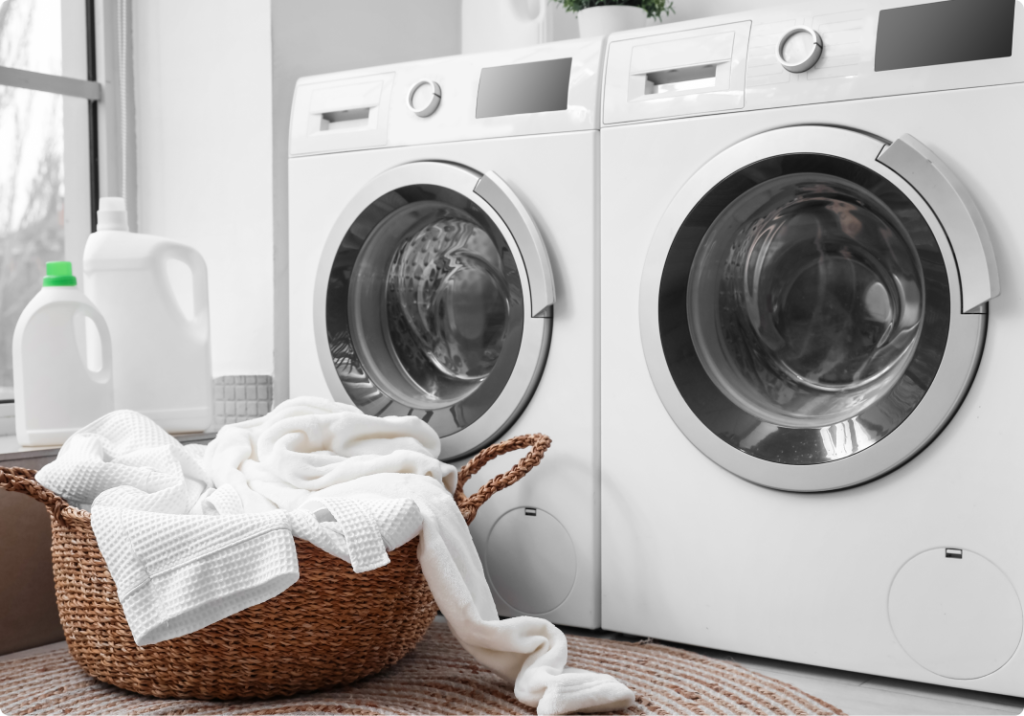
- Wash cold whenever possible; modern detergents are designed for it.
- Spin at higher RPMs to cut dryer time; then use low-heat or heat-pump drying.
- Clean the dryer’s lint filter every load; clear ducts seasonally.
- Add a microfibre filter accessory if your washer supports one.
Dishwasher
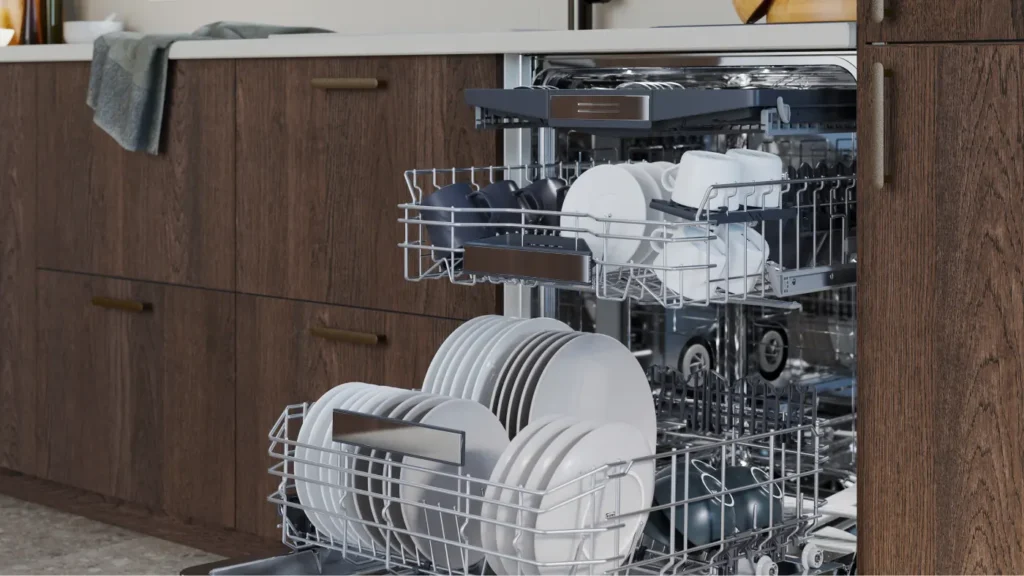
- Scrape, don’t pre-rinse. Let the machine’s sensors do their job.
- Run eco/normal cycles, disable heated dry, and crack the door to air-dry.
- Load strategically so spray arms aren’t blocked.
Cooking
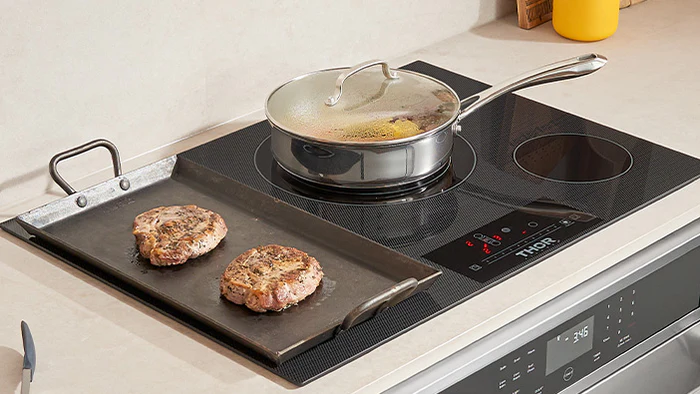
- Prefer induction or convection modes for efficiency.
- Use lids, match pan size to burner, and preheat only when recipes truly need it.
End-of-Life: Keep Materials in the Loop
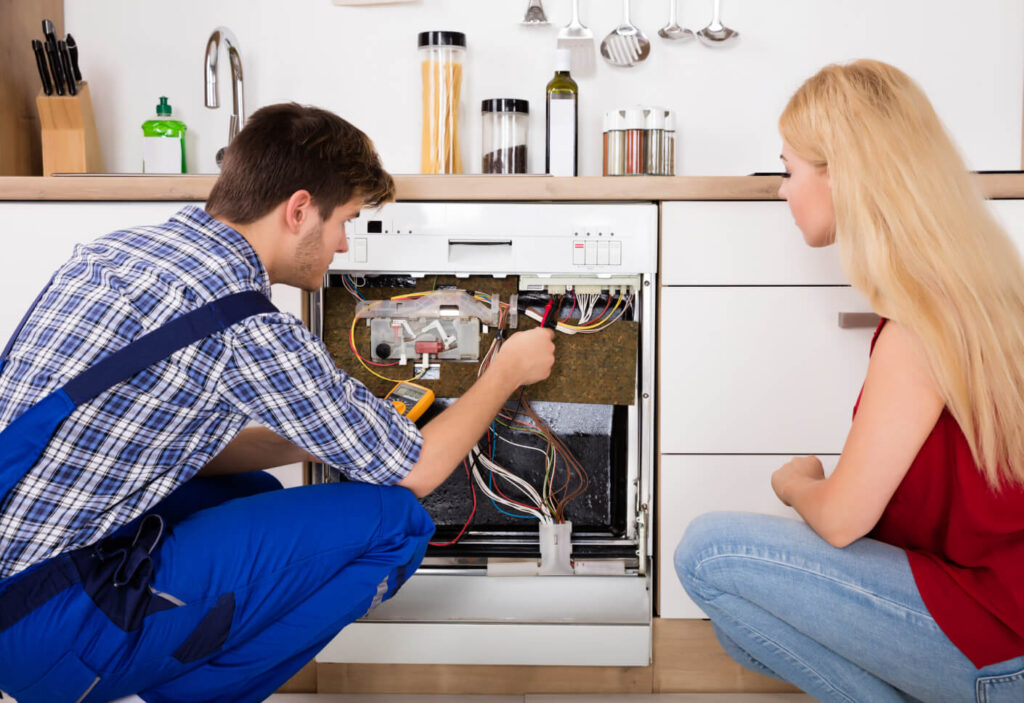
- Repair first if practical—small parts swaps can add years.
- Resell or donate working units; “second life” beats recycling.
- Certified e-waste/recycling for dead units ensures refrigerants, oils, and metals are handled safely.
Quick Buying Checklist

- Confirm the category’s best-in-class tech (heat-pump, inverter, BLDC, induction).
- Check verified efficiency labels and compare kWh/year or water per cycle for similar capacities.
- Match capacity to household size to avoid running half-empty.
- Assess noise, reliability data, and parts availability.
- Test real-world usability: eco cycle length, app quality, interior layout.
- Plan the install: ventless vs. vented, electrical requirements, clearance for airflow.
- Think end-of-life: brand recycling programs or take-back options.
Common Myths—Gently Debunked
- “Eco cycles don’t clean well.” They clean fine for normal soil; use heavy or sanitize cycles only when needed.
- “Bigger is always more efficient.” Only if fully loaded. Otherwise, right-sized wins.
- “Smart features waste energy.” Standby draw is tiny; scheduling to off-peak or low-temp cycles more than offsets it.
Where to Learn More (and Get Practical Help)
If you want step-by-step usage tips, troubleshooting checklists, or comparisons between eco features, browse Appliance Rescue. Have a question about picking or using sustainable options? Contact us—we’re happy to guide you toward the right choice. Again, we don’t perform repairs; our focus is education and self-help resources.