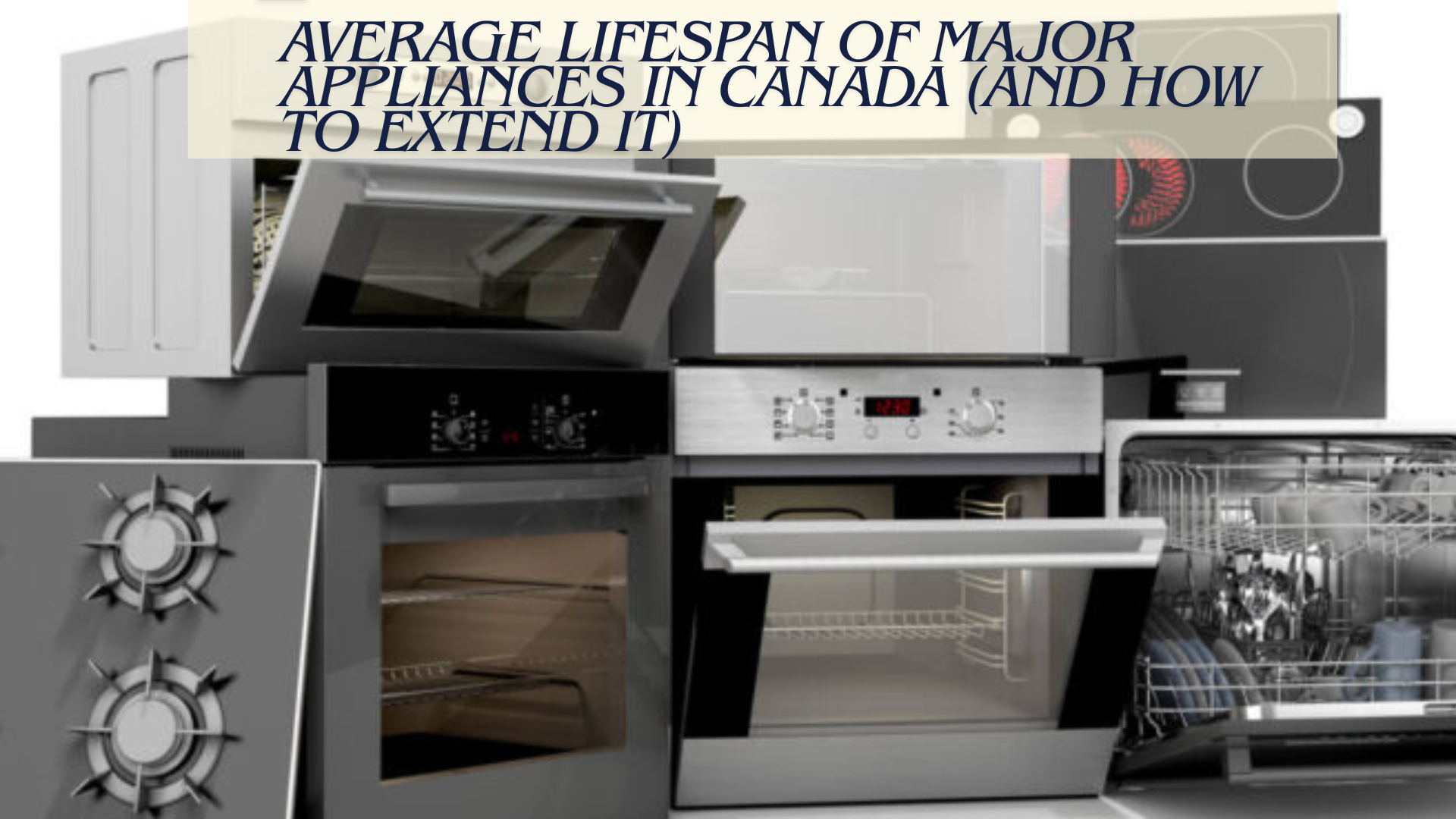

How Long Do Major Appliances Last in Canada? Lifespans & Ways to Extend Them
Canadians ask a practical question every time a fridge hums a little louder or a washer starts to shimmy: “How long is this thing supposed to last?” The answer depends on brand, build quality, and how you use and maintain it—plus a handful of uniquely Canadian factors like cold garages, hard water in many regions, and voltage fluctuations during winter storms. Below is a clear, Canada-focused guide to typical lifespans for major household appliances and the smart habits that meaningfully stretch those years.
Quick note: Appliance Rescue doesn’t sell or perform repairs. Instead, they publish expert guides, practical tips, and troubleshooting advice you can follow at home. If you’ve got questions or want a topic covered in their resources, Contact us.
Snapshot: Typical Lifespans (Canada)
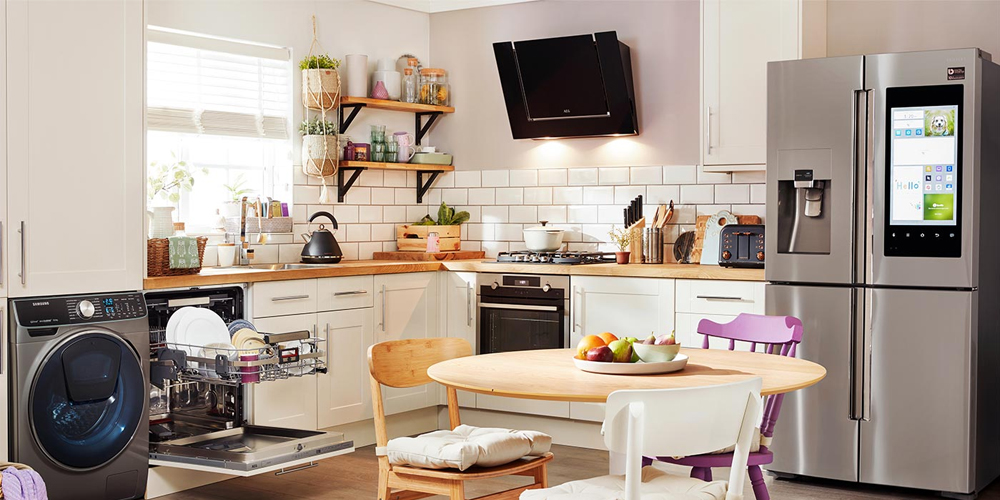
- Refrigerator (bottom-freezer, top-freezer): 12–15 years
- Refrigerator (French door, built-in/column): 10–14 years
- Stand-alone Freezer: 12–16 years
- Dishwasher: 8–12 years
- Electric Range / Oven: 13–17 years
- Gas Range / Oven: 12–15 years
- Cooktop (electric/induction): 11–15 years
- Over-the-Range Microwave: 8–10 years
- Countertop Microwave: 6–9 years
- Range Hood: 10–14 years
- Washer (front-load): 10–14 years
- Washer (top-load): 10–13 years
- Dryer (electric or gas): 11–15 years
- Dehumidifier: 5–8 years
- Water Heater (tank): 8–12 years
- Water Heater (tankless): 15–20 years
These ranges assume regular maintenance and “normal use.” Frequent high-load laundry, mineral-heavy water, unheated garages, and inconsistent cleaning can shorten the spans—sometimes dramatically.
Why lifespans vary more in Canada than you’d think
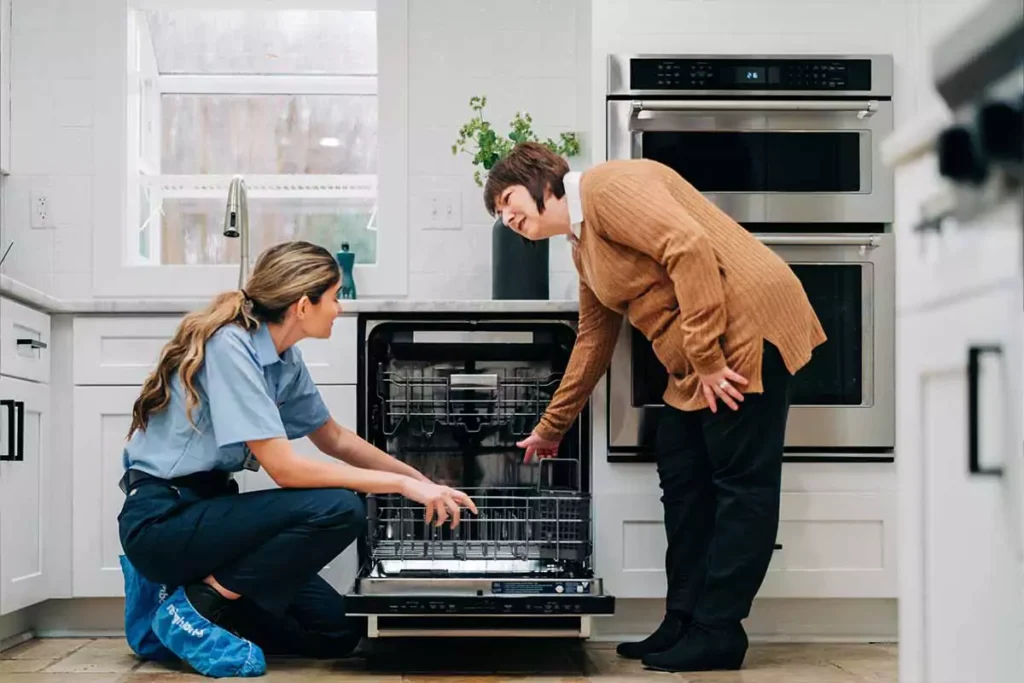
1) Climate & placement. Garages and cottages can get very cold. Standard fridges are designed for indoor, heated spaces—sub-zero environments can confuse thermostats and shorten compressor life. Likewise, hot, humid summers put A/C-adjacent loads on refrigerators and freezers.
2) Water quality. Hard water (common in Prairie provinces and parts of Ontario) accelerates scaling in dishwashers, washers, and tank-style water heaters, reducing efficiency and stressing pumps and heating elements.
3) Power conditions. Winter storms and rural service can bring brief voltage drops or surges. Sensitive control boards in modern dishwashers, ovens, and washers are sometimes the first casualties.
4) Usage intensity. Big families run laundry and dish cycles more often; cottage properties may see long idle periods followed by heavy, seasonal use. Both patterns can be tough on seals, bearings, and valves.
How to extend the life of each major appliance
Refrigerators & Freezers

- Keep coils clean. Vacuum condenser coils every 6 months (more if you have pets). Dust forces longer run times and shortens compressor life.
- Respect the clearance. Leave 2–5 cm behind and above for airflow; crowded built-ins need manufacturer-specified gaps.
- Stable temperatures. Fridge: ~3 °C; freezer: −18 °C. Extreme waste of energy and strain components.
- Avoid the unheated garage. If you must, choose a “garage-ready” model rated for low ambient temps.
- Door seals matter. Replace gaskets that feel brittle or fail the “paper test” (a sheet should hold snugly when the door is closed).
Dishwashers
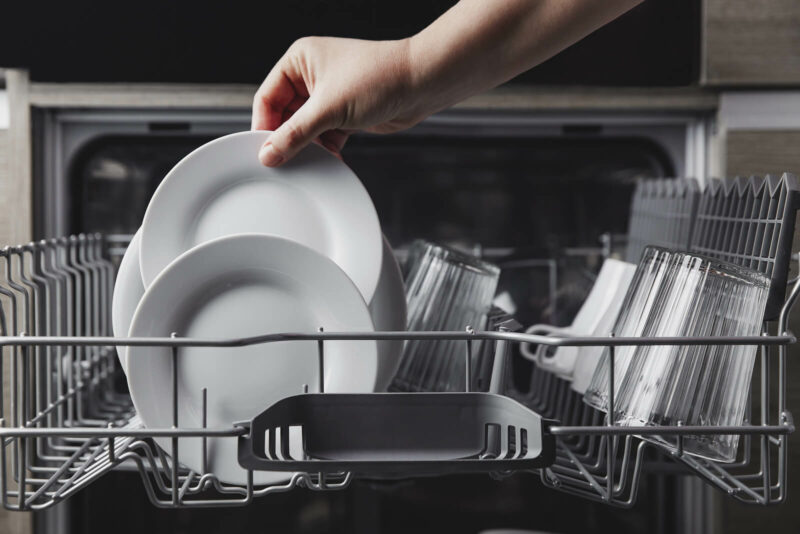
- Descale regularly. Use a dishwasher cleaner or a citric-acid cycle monthly in hard-water regions.
- Rinse filters. Clean the sump filter every 2–4 weeks to reduce pump strain.
- Run hot water first. Before starting the cycle, run the sink hot for 30 seconds—it helps the detergent activate and shortens the heat time.
Ranges, Ovens & Cooktops
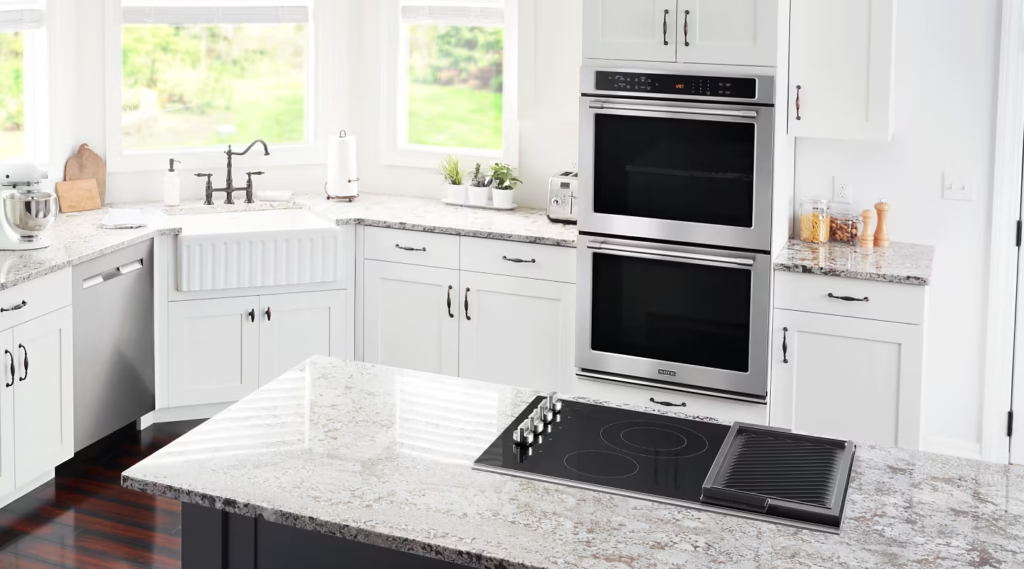
- Avoid foil on the bottom. It can reflect heat, warp sensors, or trap spills that carbonize.
- Gentle cleaning on glass tops. Use a razor scraper and cooktop cream—abrasives etch and weaken the surface over time.
- Check door seals. A leaky oven loses heat, bakes unevenly, and overworks elements.
Microwaves
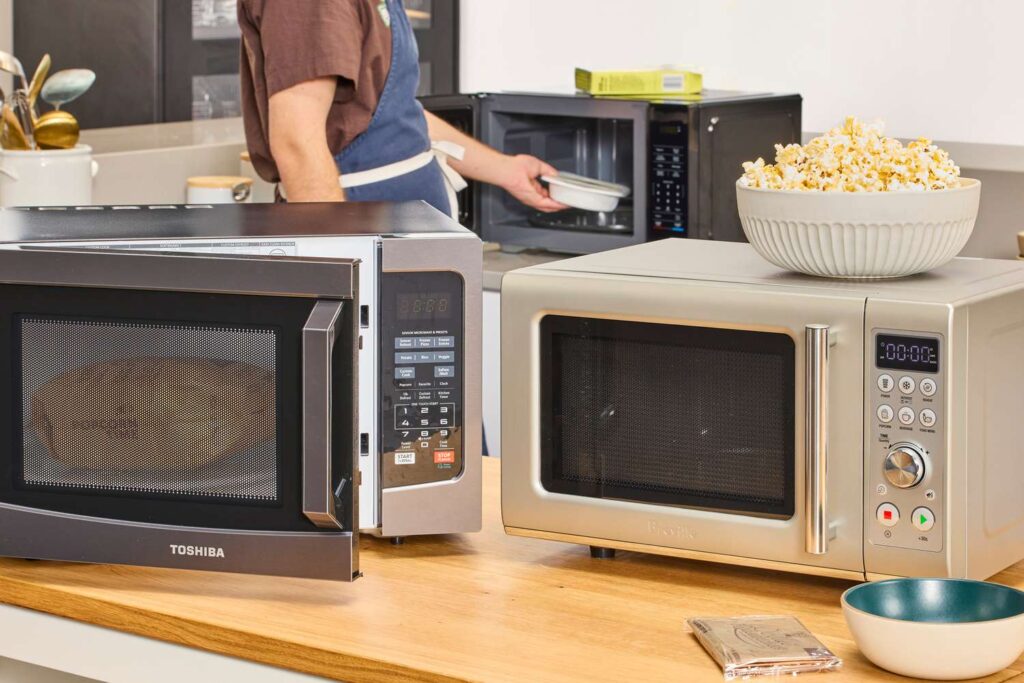
- Use proper covers. Splatter causes arcing; covers reduce mess and protect the waveguide cover.
- Don’t run empty. It’s a fast track to magnetron damage.
- Clean the grease filter. For over-the-range units, degrease monthly.
Washers
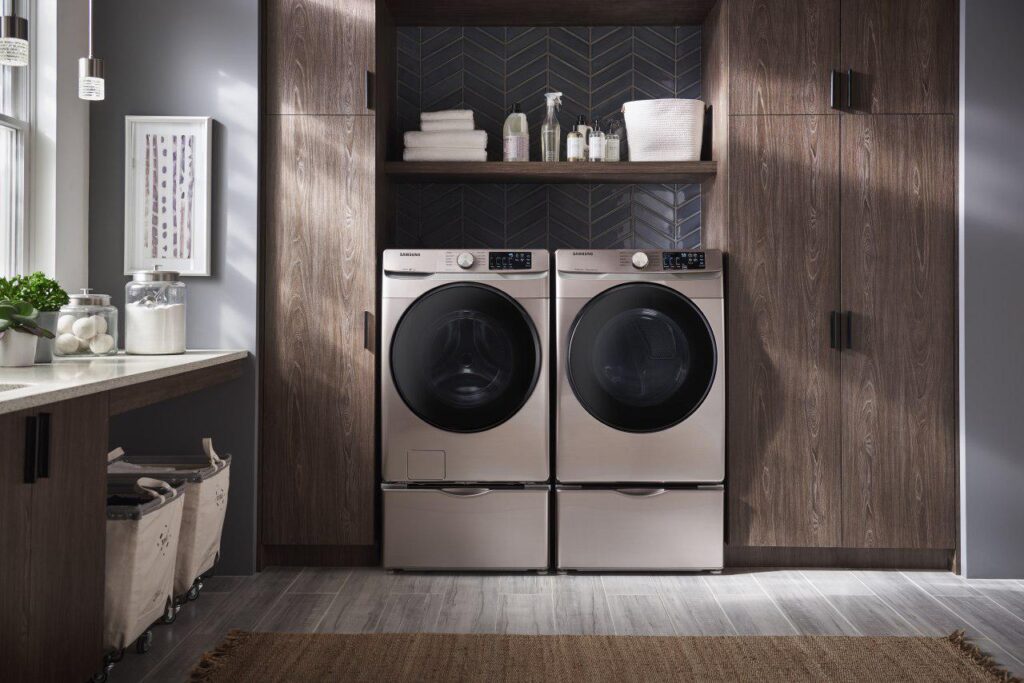
- Balance the loads. Chronic unbalanced spins shorten bearing and suspension life.
- Low-suds detergent, correct dose. Too much detergent = residue, odor, and extra rinses. HE machines need HE detergent—full stop.
- Leave the door ajar. Prevents mildew and preserves door boots and gaskets.
- Monthly maintenance wash. Hot cycle with washer cleaner or 1–2 cups of white vinegar (check your manual first).
Dryers
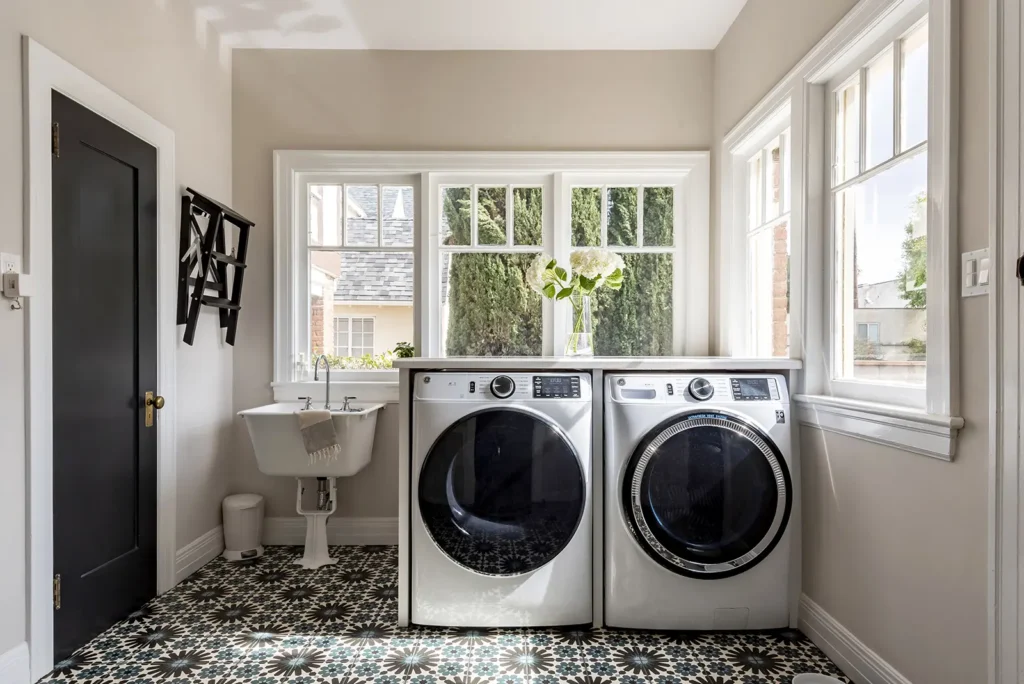
- Clean the lint screen every load. And wash it with warm, soapy water monthly if you use dryer sheets (they leave film).
- Clear the vent annually. Long or crushed ducts are fire hazards and burn out heating elements. Metal rigid or semi-rigid ducts beat plastic flex every time.
- Don’t over-dry. Moisture sensors are your friend; excessive heat cooks fabrics and stresses components.
Range Hoods

- Degrease the filters. In heavy-use kitchens, run them through the dishwasher or soak in a degreaser.
- Check outside dampers. Stuck flaps strain the fan and reduce capture efficiency.
Water Heaters

- Drain sediment. For tank units, flush a few litres quarterly; full flush annually where the water is very hard.
- Anode inspection. Replacing the sacrificial anode every 3–5 years can add years to a tank’s life.
- Descale tankless. Annual vinegar or solution flush keeps heat exchangers efficient.
Maintenance schedule you can actually follow

Every month
- Clean dishwasher filter and run a cleaner cycle (hard-water areas).
- Degrease range hood filters.
- Wipe the washer door gasket; leave the door open afterward.
- Inspect fridge door seals; quick wipe with mild soap.
Every 6 months
- Vacuum fridge and freezer condenser coils.
- Run a washer maintenance cycle; clean dryer moisture sensors gently.
- Check the dryer vent for lint buildup and crushed segments.
Every 12 months
- Professional-level vent cleaning (especially long dryer runs).
- Descalcify dishwasher and tankless water heater (more often if water is very hard).
- Flush a few litres from the tank water heaters; test the T&P valve (carefully).
- Inspect range/oven door gaskets; recalibrate oven if baking temps drift.
Signs it’s time to repair—or retire

- Frequent resets or tripped breakers. Often a control board or a shorted component.
- Grinding, screeching, or metal-on-metal sounds. Bearings or motor issues—don’t ignore.
- Rising utility bills without a lifestyle change. Aging compressors, scaled heaters, or clogged vents can be the culprit.
- Parts availability. If key parts are discontinued or cost more than ~50% of a new unit (installed), replacement is usually wiser.
- Age + major failure. A 14-year-old dishwasher with a dead control board? Replacement makes economic sense.
Energy efficiency: extending lifespan and cutting bills
Efficient machines run cooler and cycle less, which often means fewer failures. Some quick wins:
- Level and load correctly. Leveling reduces vibration; correct loading improves airflow and water distribution.
- Use eco or sensor modes. Modern algorithms save wear on pumps and elements.
- Tame hard water. A softener or point-of-use filter can pay back through longer appliance life and lower detergent use.
- Whole-home surge protection. In storm-prone and rural regions, a panel-mounted protector safeguards sensitive boards.
Canada-specific placement tips

- Cottages & garages: Choose models rated for wider ambient temps, or install a small space heater/thermostatic outlet to keep the area above the manufacturer’s minimum.
- Basements: Elevate washers/dryers on vibration pads; check for floor drains and use braided stainless hoses with shut-off valves.
- Small urban condos: Clean condenser fans more often—tight spaces collect heat and dust.
Final thought
Appliances aren’t disposable—most fail early from neglect, not inevitability. A few routine habits (clean filters, clear vents, descale where needed) can add years to your fridge, dishwasher, or laundry pair. For step-by-step checklists, buying guides, and troubleshooting walk-throughs, browse Appliance Rescue. If there’s a guide you’d like to see added or a tip you think we should cover, Contact us—and remember, they provide information, not repair services.