

The Ultimate Guide to Choosing Between Electric and Gas Ranges in 2025
Choosing between an electric and a gas range in 2025 isn’t just about how quickly water boils. It touches your home’s wiring or gas infrastructure, the way your kitchen handles heat and fumes, long-term safety, and what you’ll actually spend over the next decade. Below is a clear, practical comparison to help you decide what fits your space, cooking style, and budget.
Note: Appliance Rescue provides expert guides, appliance tips, and troubleshooting advice—not repair services. If you have a question about this guide or want a second opinion for your situation, feel free to Contact us.
Quick snapshot (2025)
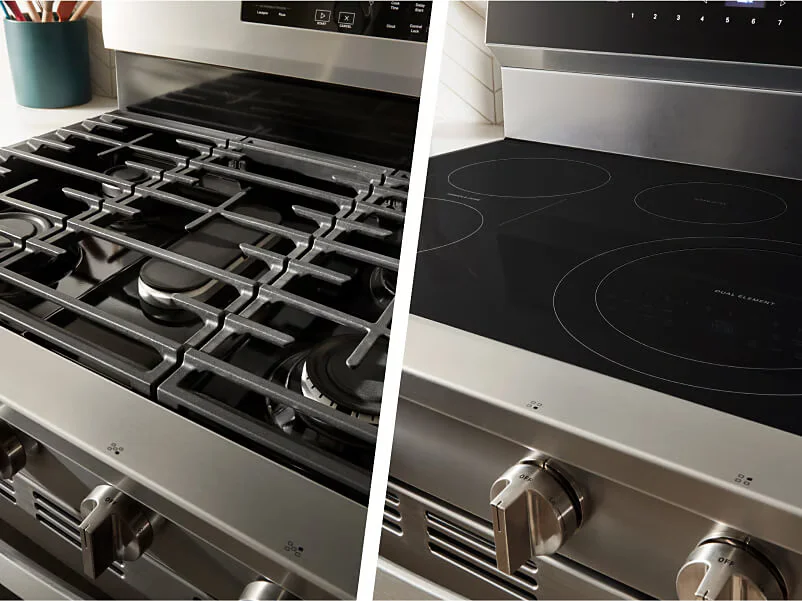
- Electric (coil, smoothtop/radiant, or induction): Easier for homes without gas, typically simpler ventilation, strong safety features (especially induction), stable oven temps, but may require a dedicated 240 V circuit and can be slower to respond than gas unless you choose induction.
- Gas (natural gas or propane): Fast, visible flame control, works during some power outages (oven safety systems often still need electricity), requires proper gas line sizing, strict ventilation for combustion by-products, and periodic leak checks.
Installation: what each option asks of your home
Electric ranges
Power & circuits.
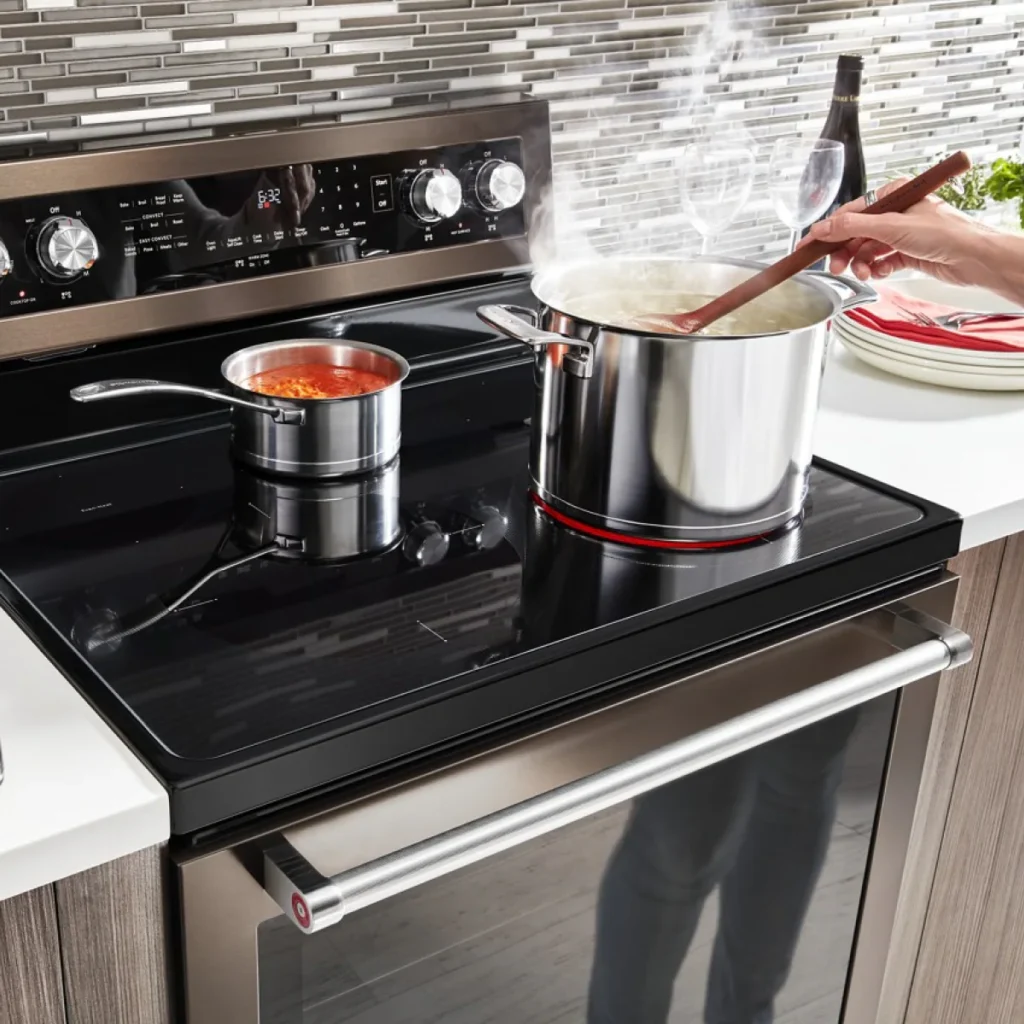
Most full-size electric ranges require a 240 V / 40–50 A dedicated circuit with a 4-prong receptacle. Older homes sometimes have 3-prong outlets; plan to update to the current code with neutral and ground separated.
Space & clearances.
Standard 30-inch widths dominate, but measure cabinet openings and ensure counter overhangs won’t interfere with a flush fit. Check anti-tip bracket placement—mandatory for both gas and electric.
Induction specifics.
Induction tops may have inrush current and clear airflow requirements beneath the cooktop. Verify cabinet cut-outs (if slide-in) and keep vents unblocked so the cooling fans can breathe.
Common surprises.
- Panel upgrades if the service is already maxed out.
- Cord kits are not always included; confirm plug type (NEMA 14-50R is common).
Gas ranges

Gas line capacity & placement.
You’ll need a properly sized branch line (often 1/2" or 3/4", depending on total BTU load across all gas appliances). Flexible stainless connectors are the norm; never reuse damaged connectors.
Regulators & conversions.
Ranges ship for natural gas by default; if you’re on propane (LP), a conversion kit and proper regulator are required. Burner orifices must match fuel type.
Electric still needed.
Modern gas ranges still need a 120 V outlet for igniters, clocks, lights, and fans. In an outage, burners can sometimes be lit with a match (manufacturer safety policies vary), but ovens typically won’t operate.
Permits & testing.
Expect leak checks with soapy solution or gas sniffer, proper shutoff valve placement, and sediment trap (“drip leg”) where required by code.
Ventilation: more than just steam
Why ventilation matters

Cooking creates heat, odors, moisture, and fine particles. Gas adds combustion by-products such as nitrogen dioxide (NO₂), carbon monoxide (CO), and trace formaldehyde. Even electric cooking produces grease aerosols and ultrafine particles. Ventilation protects air quality and cabinets and helps your smoke alarms stay quiet during searing.
Range hood basics
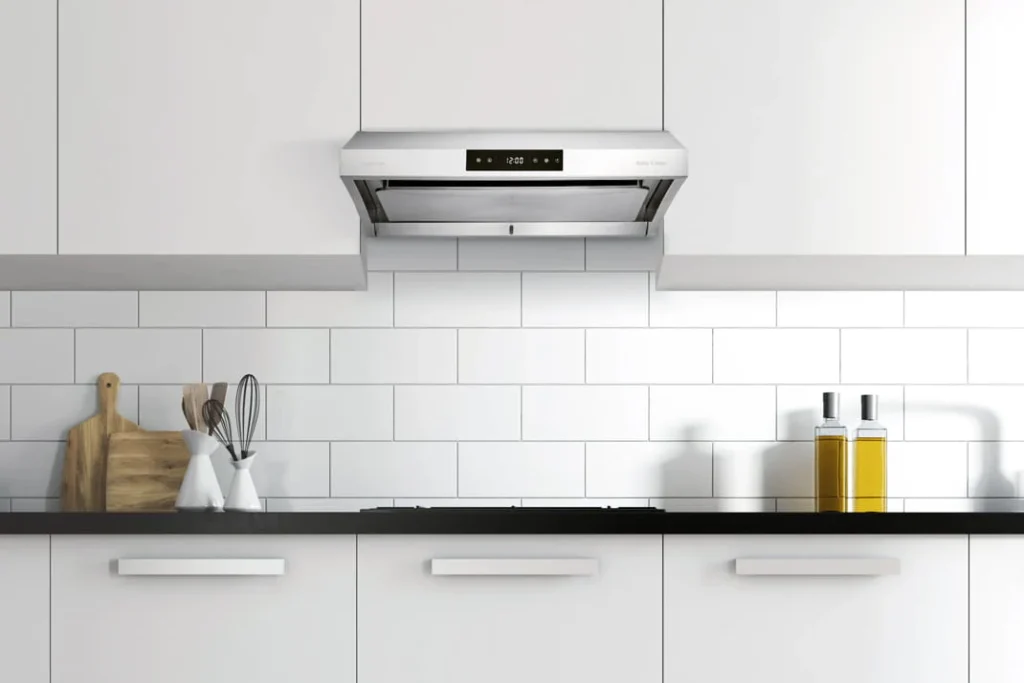
- Capture area & CFM. A hood should cover the back burners and extend to the front ones; 400–600 CFM suits many 30" ranges. High-BTU gas (e.g., >60,000 BTU total) may justify 600–900 CFM with make-up air provisions per local code.
- Ducting. Favor short, straight, smooth-walled duct runs, 6"–8" diameter as specified by the hood. Vented outside beats recirculating filters every time for removing heat and moisture.
- Induction advantage. Induction reduces ambient heat and some cooking emissions compared with gas and radiant electric, but you still create grease and odors—vent them anyway.
Recirculating vs. exterior venting
- Recirculating hoods use charcoal filters to reduce smells but do not exhaust humidity.
- Exterior venting removes humidity and fumes outdoors and is strongly recommended—especially for gas ranges.
Safety: everyday practices, built-in protections, and risks
Electric ranges
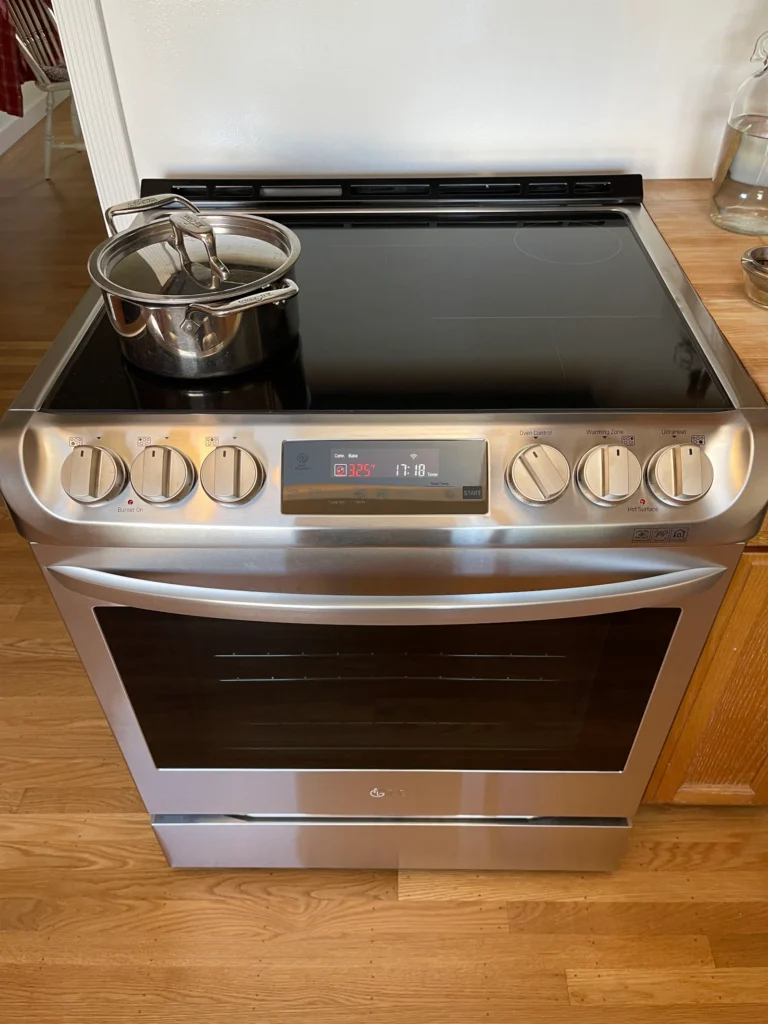
- Shock & wire safety. Use the correct receptacle, breaker size, and a properly grounded connection.
- Burn risk. Radiant smoothtops stay hot after powering off; always use residual-heat indicators.
- Induction benefits. The glass warms mostly from the pan, not the element, and many units include pan detection, auto shut-off, and temperature limiting, lowering burn and fire risk.
- Child safety. Look for control locks. Induction is the easiest to child-proof since no flame is present.
Gas ranges
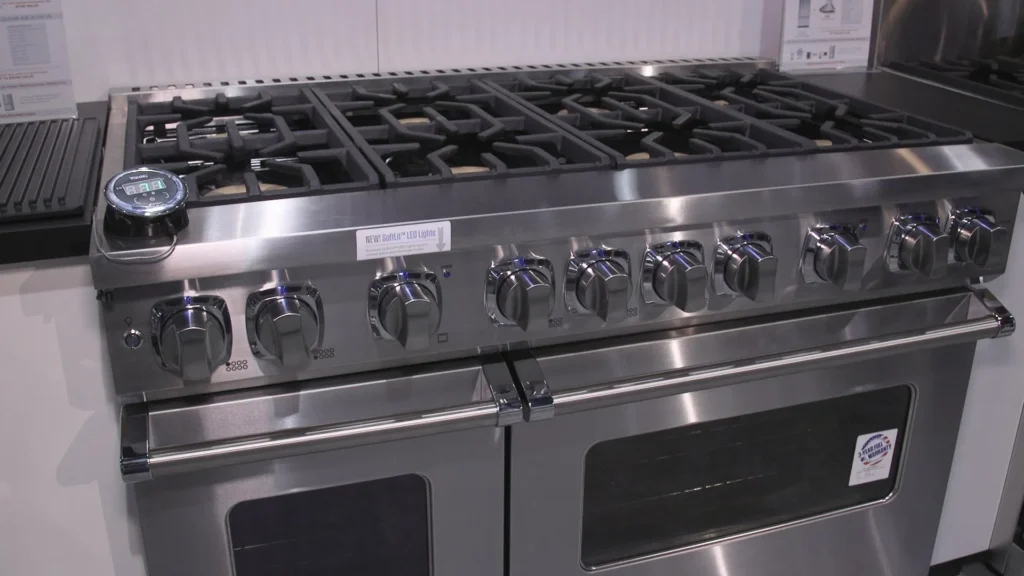
- Combustion by-products. Always use a vent hood during burner and oven use. Consider CO detectors within code-compliant distances.
- Flame exposure. Open flames can ignite loose sleeves, paper towels, or oil mist. Keep a Class K or multi-class fire extinguisher nearby and never use water on grease fires.
- Leak prevention. Regularly inspect connectors and shutoff valves; if you ever smell gas, ventilate the space, avoid switches, and contact your gas utility immediately.
- Ignition reliability. Modern electronic ignition reduces continuous pilot gas use but makes the range more dependent on electricity for normal operation.
Cost to own: the numbers that matter over 10–15 years
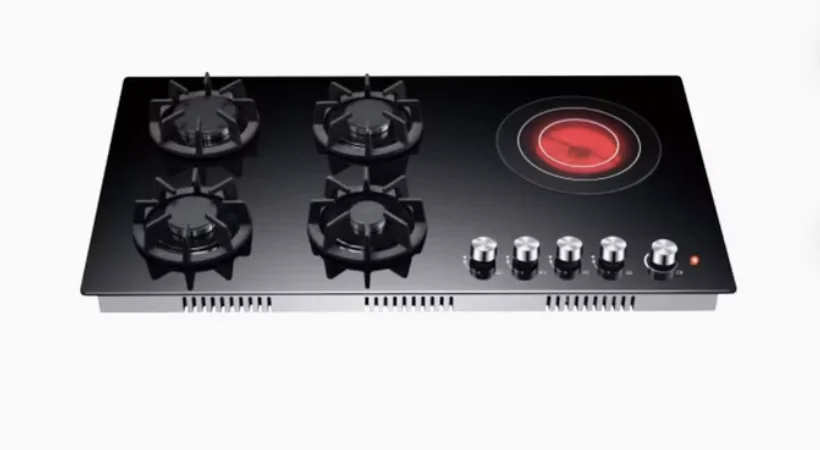
Upfront
- Electric: Often lower purchase price than equivalent gas in the same brand line, but you might face electrical work (new 240 V circuit or panel upgrade).
- Gas: If gas is already stubbed out nearby, install costs can be modest. If not, the new line run (plus potential meter upsizing and permits) can exceed the price difference vs. electric.
Energy use & utility rates
- Electric (radiant): Efficient ovens, but cooktops lose heat to the surrounding air.
- Induction: Typically, the most efficient cooktop technology—fast boil, precise low-simmer, and less waste heat.
- Gas: Great responsiveness; however, a significant portion of burner energy doesn’t reach the pan, and you pay for both energy and extra ventilation (conditioned air exhausted outdoors).
A simple way to compare:
- Check the range’s annual kWh estimate (electric/induction) or typical cooktop/oven BTU usage (gas).
- Multiply by your local per-kWh or per-therm rates.
- Add an allowance for ventilation energy and conditioned air loss (more impactful for powerful gas setups).
- Include maintenance (filter replacements, occasional service checks, possible glass-top repairs) and consumables (LP refills if applicable).
Maintenance & lifespan
- Electric radiant: Fewer moving parts; glass tops may scratch or crack if abused.
- Induction: Electronics and cooling fans add complexity; choose brands with long parts availability.
- Gas: Burners and valves are durable; keep ports clean and check igniters, gaskets, and regulators over time.
Cooking performance & user experience
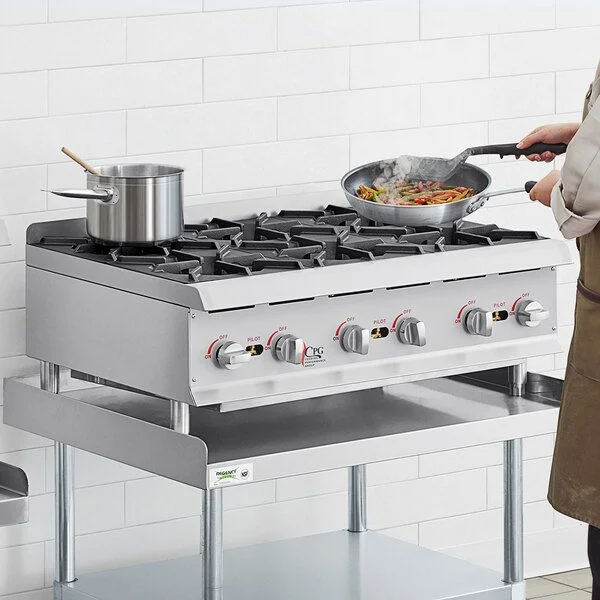
- Responsiveness: Gas excels at visual, instant flame control; induction rivals—and often beats—it with near-instant power changes and low-temperature precision.
- Oven baking: Both fuel types bake well; electric ovens often hold steadier temperatures and are favored for delicate baking.
- Cookware: Induction needs magnetic bases (cast iron, many stainless). Radiant electric and gas are cookware-agnostic.
- Heat in the room: Induction keeps kitchens cooler; gas generally warms the space more—nice in winter, less fun in summer.
Environmental and indoor-air considerations (short version)

- Electricity mix matters. If your grid relies more on renewables, electric/induction can lower your indirect emissions.
- Indoor air. Gas ranges require disciplined ventilation because combustion by-products accumulate quickly in closed kitchens.
- Noise. High-CFM hoods can be loud; pick quiet models, larger ducts, and use lower speeds when practical.
Which should you choose in 2025?
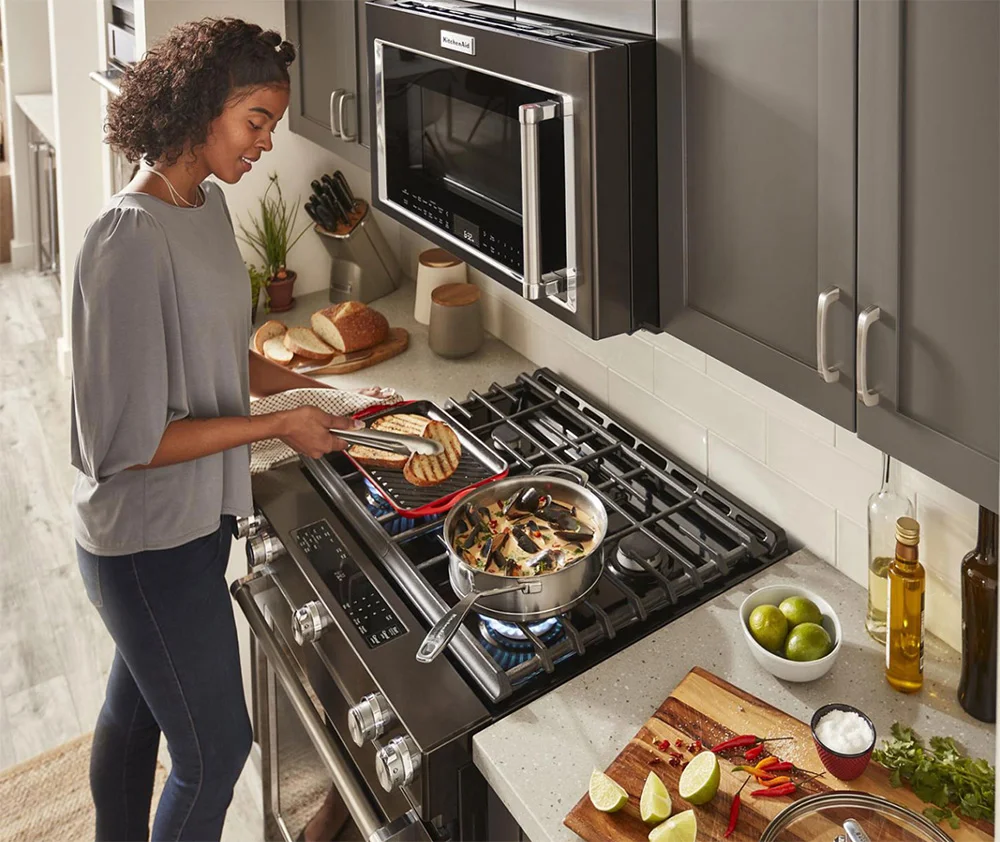
Choose electric (induction if possible) if:
- You don’t have an existing gas line or don’t want one.
- You value the coolest kitchen, easy cleanup, child safety, and steady oven temps.
- You want lower everyday emissions at the stove and potentially lower operating costs, depending on your electricity rate.
Choose gas if:
- You already have a properly sized gas line and love visible flame control.
- You frequently work with charred peppers or toast tortillas directly over flame.
- You’re prepared to invest in strong exterior ventilation and stick to it.
Middle path: Some cooks pair an induction range with a small portable butane torch (used safely, away from the hood filter) for occasional flame finishing—getting most induction benefits without installing a gas line.
Planning checklist (save this)

- Measure the opening (width, depth, height, and counter overhangs).
- Confirm power or gas supply (breaker size, outlet type, line diameter, shutoff valve).
- Select a vent hood with adequate CFM and outside ducting; verify make-up air if required.
- Install the anti-tip bracket—non-negotiable for safety.
- Test everything: burner ignition, element cycling, oven temperature accuracy, and hood airflow.
- Place a CO detector (for gas) and review the owner’s manual safety section.
Get more help (guides, tips, troubleshooting)
For more practical breakdowns, see Appliance Rescue—your source for expert guides, appliance tips, and DIY-friendly troubleshooting (again, not repair services). If you’re weighing a tricky installation detail or hood sizing for a high-BTU setup, contact us, and we’ll point you to the right resources.
FAQ (fast answers)
Do I need a 240 V outlet for electricity?
Yes, for full-size ranges. Most require a 40–50 A dedicated circuit and a 4-prong receptacle.
Can I use a recirculating hood with gas?
It’s allowed in some jurisdictions, but exterior venting is strongly recommended for combustion by-product removal.
Will a gas cooktop work in a blackout?
Sometimes you can light surface burners with a match; ovens usually won’t because safety systems need electricity.
Is induction really faster than gas?
For boiling and precise simmer control, commonly yes—plus it keeps the kitchen cooler.
If you found this guide useful and want more straight-talk appliance advice, bookmark Appliance Rescue or contact us with your next kitchen question.