
Do Trusted Brands Really Last Longer? A Guide to Appliance Longevity
When you’re spending hundreds—or even thousands—on a refrigerator, washer, or range, you’re not just buying a machine. You’re buying years of daily reliability. That’s why brand reputation matters. It isn’t about logos or hype; it’s a shorthand for build quality, engineering choices, parts supply, warranty performance, and long-term support. In other words, reputation is often the visible tip of a very practical iceberg.
Below is a clear, research-minded guide to how brand reputation influences how long appliances actually last, plus what savvy shoppers should look for before they hit “buy.”
Why “Reputation” Isn’t Just Marketing
Reputation forms over time through a loop of design decisions, manufacturing practices, and customer outcomes. Brands that consistently deliver long-lived appliances tend to share certain traits:
- Conservative engineering: Fewer failure-prone features, sturdier components, and time-tested designs.
- Quality control discipline: Tight tolerances, thorough testing, and supplier oversight.
- After-sales ecosystem: Ready access to parts, trained technicians, and transparent warranty policies.
- Support for software and connectivity: For smart appliances, timely firmware updates prevent glitches that can shorten useful life.
When a brand is known for longevity, it usually means these systems work together, year after year.
Build Quality: Materials, Design, and Tolerances
Longevity starts on the factory floor. A reputable brand is more likely to:
- Use robust materials in high-stress points (hinges, drum bearings, door gaskets, knobs, heating elements).
- Design for serviceability, not just sleek aesthetics—think front-access panels, modular components, and standard fasteners.
- Maintain tighter tolerances so motors run cooler, seals seat correctly, and electronics are shielded from moisture and heat.
This is why two washers with nearly identical specs can have very different life spans: the unseen details.
Buyer tip: Look for clues like metal (not plastic) hinges and robust door seals, replaceable heating elements, and drum assemblies with accessible bearings. Read user manuals to see if routine parts (filters, gaskets, water inlet screens) are designed for easy DIY maintenance.
Parts Availability: The Hidden Lifespan Multiplier
Even a well-built appliance needs a new valve or control board eventually. A strong brand reputation often correlates with parts availability for 7–10 years (or more) after the model is discontinued. That translates directly into extra years of service.
- Common, standardized parts (e.g., water pumps, belts, thermostats) keep costs down.
- Regional distribution warehouses reduce wait times.
- Clear parts diagrams and SKUs make DIY troubleshooting realistic.
Red flags: “NLA” (no longer available) on essential parts within a few years of release, or proprietary parts that only one supplier carries at a premium price.
Service Networks and Warranty Performance
Reputation shows up when something breaks. Brands with strong track records typically:
- Publish warranty terms clearly and honor claims without labyrinthine hoops.
- Certify technicians and provide them with service bulletins, online diagnostics, and phone support.
- Offer responsive scheduling and reasonable turnaround times for common repairs.
A brand might advertise a long warranty but fail to deliver on logistics. Reputation is earned when customers actually get timely, effective fixes.
Buyer tip: Scan owner forums and retailer reviews specifically for service experiences, not just initial impressions. Quick diagnosis + fast parts delivery is the combo you want.
Software Support for Smart Appliances
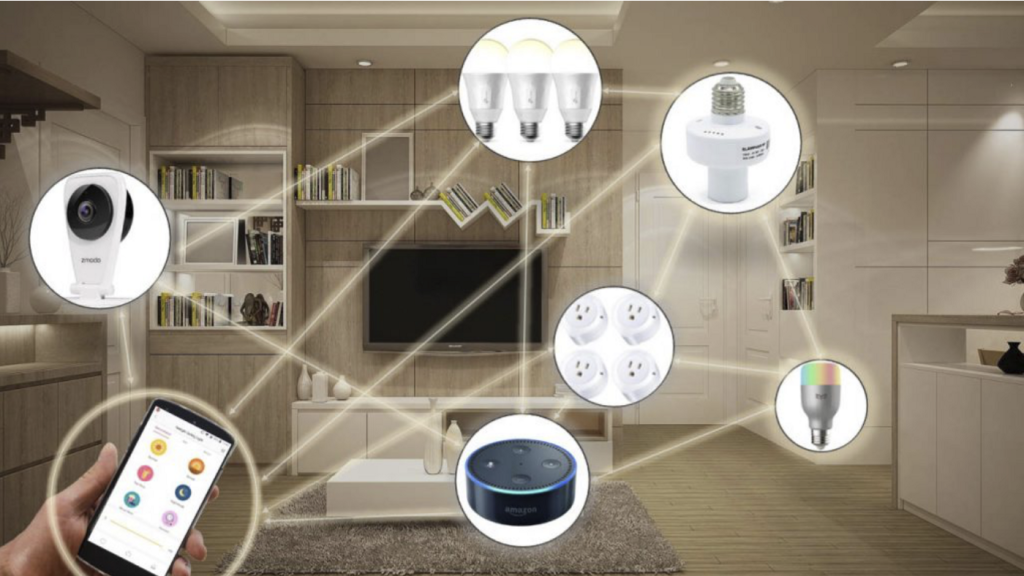
Modern refrigerators, ovens, and washers often rely on boards and firmware. That’s convenient—until lagging updates cause bugs, sensor misreads, or communication errors. Reputable brands:
- Patch reliably (including security updates for connected models).
- Maintain backward compatibility with mobile apps.
- Document error codes and provide update notes.
If you prefer set-and-forget durability, consider simpler models from brands that are known for mechanical robustness and minimal software complexity.
Energy Efficiency vs. Longevity: Finding the Balance
High-efficiency designs reduce utility bills and environmental impact. However, pushing the efficiency envelope can add complexity—extra sensors, variable-speed drives, specialized seals—that must be executed well to last. Top brands balance:
- Efficient motors and compressors that are appropriately sized (not underpowered).
- Thermal management so electronics don’t cook themselves.
- Accessible maintenance points (lint filters, condenser coils, air flow paths).
If a brand has a reputation for reliable efficiency, it usually means they’ve solved these engineering trade-offs without compromising durability.
The Economics of Longevity: Total Cost of Ownership (TCO)
Sticker price is only the beginning. Consider:
- Expected lifespan: A $900 washer that lasts 12 years beats a $700 model that lasts 6.
- Repair costs and frequency: Brands with stable parts pricing and abundant techs minimize downtime and surprises.
- Resale and secondary market: Well-regarded brands hold value in buy-sell groups and refurbishing shops.
A trustworthy reputation signals a lower TCO, especially over a decade or more.
Manufacturing Consistency Across Product Lines

A brand may excel in laundry but be average in dishwashers. Reputation can be category-specific. Established brands often have:
- Center-of-excellence factories (e.g., one plant known for stellar front-load drums).
- Shared component platforms across models to simplify parts and repairs.
- Transparent model numbering so you can trace generation, feature set, and production year.
Buyer tip: Evaluate reputation by category. A great refrigerator maker is not automatically a great range maker.
Right-to-Repair, Documentation, and DIY Friendliness
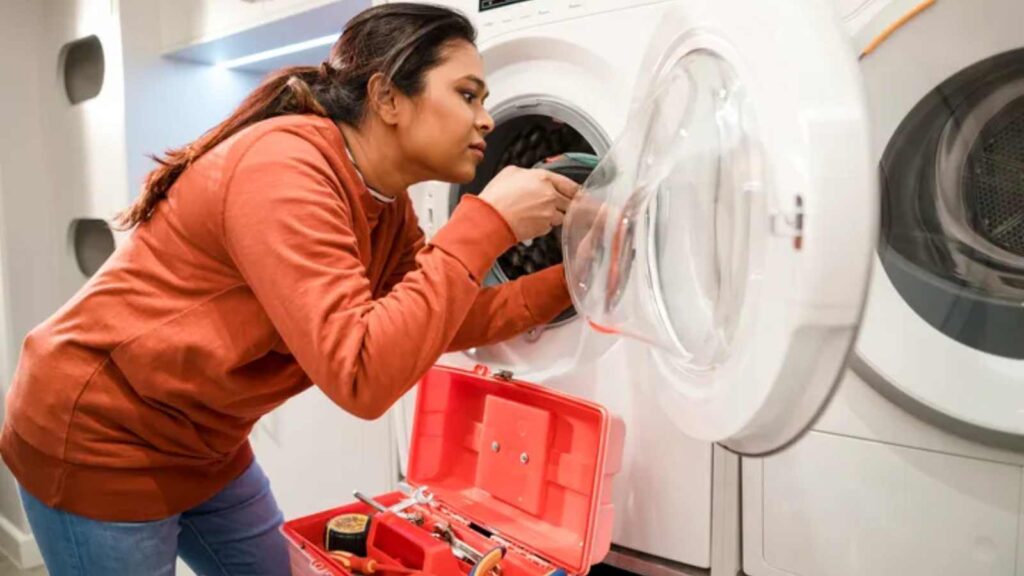
Longevity thrives where customers can maintain what they own. Reputation improves when brands:
- Publish service manuals and exploded diagrams.
- Use standard fasteners and connectors instead of glue or one-way clips.
- Sell diagnostic tools or expose service modes (even basic ones for error codes).
This doesn’t replace professional help, but it empowers quick fixes that prevent minor issues from becoming fatal.
Counterfeit or Low-Grade Replacement Parts
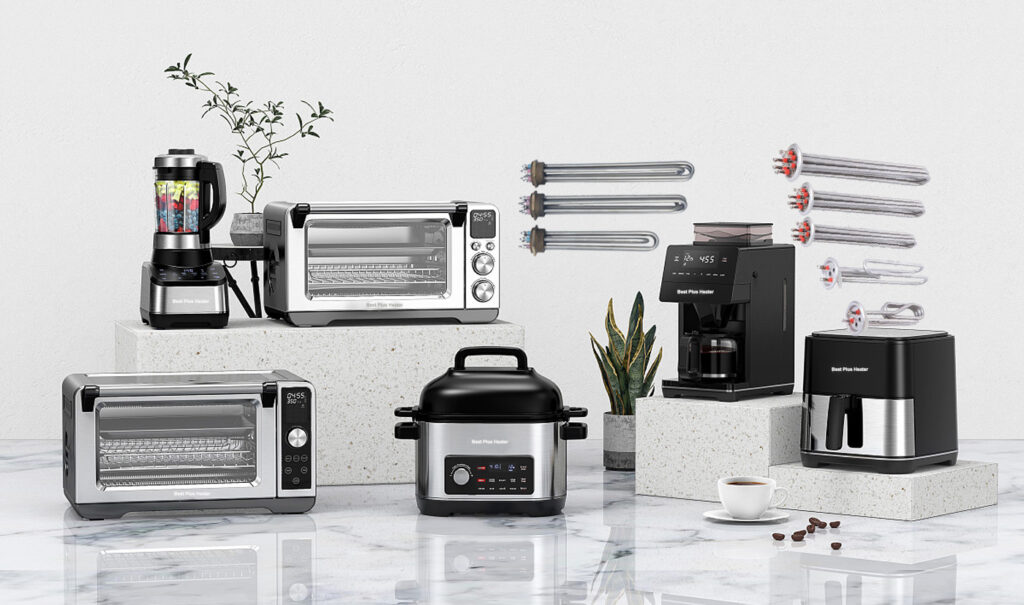
Even the best brand can’t survive bad parts. Cheap, off-spec components can shorten life dramatically, especially for thermal and high-load parts (heating elements, control boards, pumps). Reputable brands and sellers maintain quality thresholds and traceability.
Rule of thumb: Choose OEM or reputable aftermarket parts with solid reviews and clear specs, especially for electrical and water-handling components.
Practical Shopping Checklist (Save This Before You Buy)
- Reputation by category: Judge the brand specifically for the appliance type you’re buying.
- Service ecosystem: How many authorized technicians operate in your area? What do reviews say about scheduling and outcomes?
- Parts horizon: Can you find a parts diagram and multiple sources for common components?
- Service design: Are panels accessible, filters replaceable, and error codes documented?
- Warranty clarity: What’s covered, for how long, and how is labor handled?
- Software support: Do smart models receive updates and retain app compatibility?
- TCO lens: Consider lifespan, repair likelihood, parts cost, and energy use over 10 years.
- Model age: New isn’t always better. A model with a few years of field history gives you real-world data.
Maintenance: Your Role in Longevity (Regardless of Brand)
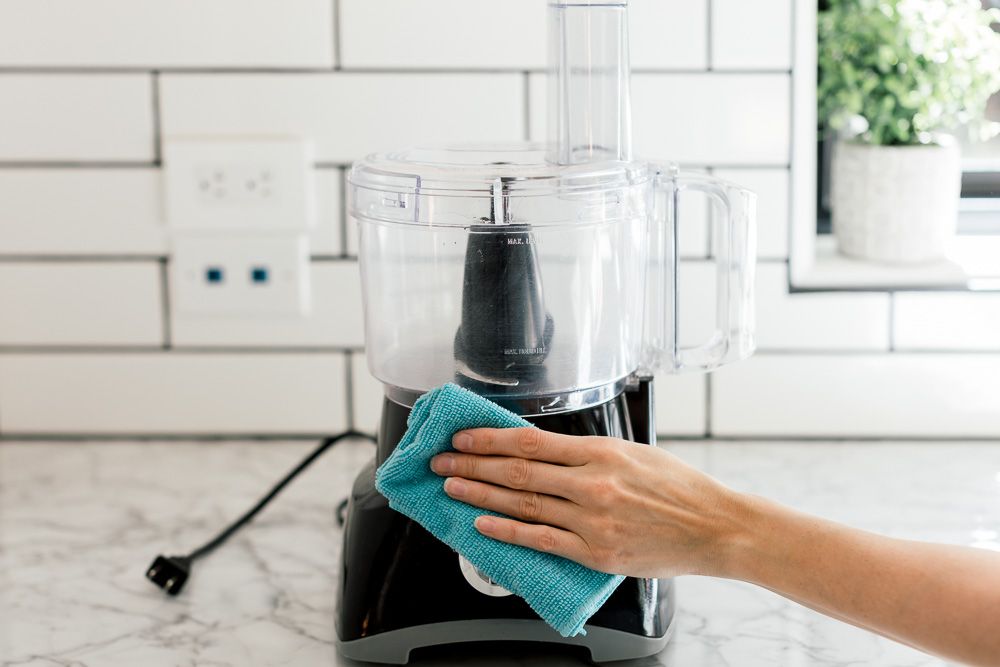
Even with a stellar brand, owner habits matter:
- Keep things clean: Coils, lint traps, door gaskets, and dishwasher filters.
- Respect load limits: Overloading strains motors and bearings.
- Water quality counts: Hard water accelerates scale buildup—use softening or descaling routines.
- Mind the environment: Give appliances proper ventilation and level installation.
- Respond to early signals: Vibration, unusual heat, or odd noises often point to a fixable issue.
Small habits compound into years of extra life.
How to Research Without the Noise
- Look for patterns over hype. A few five-star reviews after week one say little about durability. Search for reports after 12–24 months.
- Compare parts diagrams and availability across brands before you buy.
- Read service forums to see which models techs praise or avoid.
- Check recall histories and responses. Fast, transparent fixes boost trust.
Where to Find Neutral, Helpful Guidance
If you’re trying to make sense of specifications, error codes, or routine upkeep, you don’t necessarily need a repair service. Appliance Rescue focuses on Expert Guides, Appliance Tips, and Troubleshooting Advice—no repair services offered. It’s a good place to learn how to care for your machines and make informed buying choices. And if you have questions about a guide or need clarification, feel free to Contact us—again, for educational support, not to book a repair.
Bottom Line
Brand reputation is a practical proxy for the systems that create long-lived appliances: disciplined engineering, reliable parts pipelines, trained service networks, and sustained software support. Use that reputation wisely—validate it by category, cross-check parts availability, and consider how you’ll maintain the unit over time. With a little homework, you’ll spend less, stress less, and keep your home running smoothly for years.