
Smart Home Appliances We Recommend in 2025—Hands-On Reviews & Comparisons
Smart home tech in 2025 isn’t just about novelty—it’s about meaningful automation that saves time, trims energy bills, and actually works with the rest of your setup. Below, we break down the year’s standout appliances by category, what the lab tests and long-term reviews say, and how to choose the right device for your ecosystem (Alexa, Google Home, Apple Home, SmartThings). You’ll also see where the new Matter updates make life easier—and where reality still lags the hype.
Quick note: Appliance Rescue does not offer repair services. Instead, the site publishes expert guides, appliance tips, and DIY troubleshooting advice. If you have a question about this guide or want to suggest a product to test, you can Contact us anytime.
What’s new in 2025 (and why it matters)

- Robot vacuums leveled up: Roborock’s 2025 flagship line pushed hard on autonomy (even experimenting with robotic arms), while staying focused on cleaning power and navigation. Coverage from CES and multiple reviews highlight Matter compatibility and advanced obstacle avoidance.
- Smart fridges are becoming true hubs: Samsung’s Bespoke AI Family Hub models now lean into personalization (multi-voice recognition via Bixby) and tighter SmartThings integrations—though a recent ad rollout on some Family Hub models sparked debate.
- Thermostats: premium polish, cheaper entry: Ecobee’s Smart Thermostat Premium keeps landing on “best of” lists for comfort, air-quality sensing, and ecosystem support, while the new Ecobee Essential brings a cheaper touchscreen option (though without Matter at launch).
- Matter got easier to live with: The Matter 1.4.1 and 1.4.2 updates focus on smoother setup—multi-device QR codes, tap-to-pair with NFC, and Wi-Fi-only onboarding—plus incremental security and reliability gains. Translation: less app-hopping, fewer pairing headaches.
Best by Category (with quick pros/cons)
Best Robot Vacuum: Roborock Saros 10R (and Z70 if you love experiments)
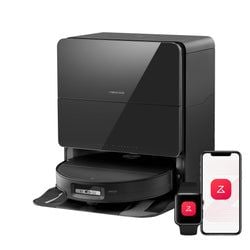
Why it stands out: Reviewers consistently praise the 10R’s cleaning and navigation, with the Z70 adding a wild card: a small robotic arm that attempts to pick up light clutter. The arm is ambitious but still feels early-stage; many buyers will be happier with the more reliable 10R. Both emphasize mapping, obstacle avoidance, and modern docks.
Pros
- Excellent navigation and deep cleaning; advanced obstacle detection.
- Matter support on the latest Roborock line improves ecosystem flexibility.
Cons
- The Z70’s robotic arm is clever but inconsistent in real homes; battery life takes a hit.
- Premium pricing across the lineup.
Who should buy it: Busy households with mixed flooring that want “set it and forget it” cleaning—without babysitting.
Best Smart Thermostat: Ecobee Smart Thermostat Premium

Why it stands out: Strong multi-platform support, polished app, room-balancing remote sensors, and air-quality monitoring make it a perennial top pick. If you’re price-sensitive, the 2025 Ecobee Essential gives you a budget path (but no Matter at launch).
Pros
- Consistently rated for comfort and ease of use, robust integrations.
- Sensors help fix hot/cold room imbalances.
Cons
- Essential model launched without Matter; premium model still costs more than Nest’s entry unit.
Who should buy it: Homeowners who prioritize comfort, energy insights, and a “just works” experience across ecosystems.
Best Smart Fridge (Family Hub): Samsung Bespoke 4-Door Flex with AI Family Hub
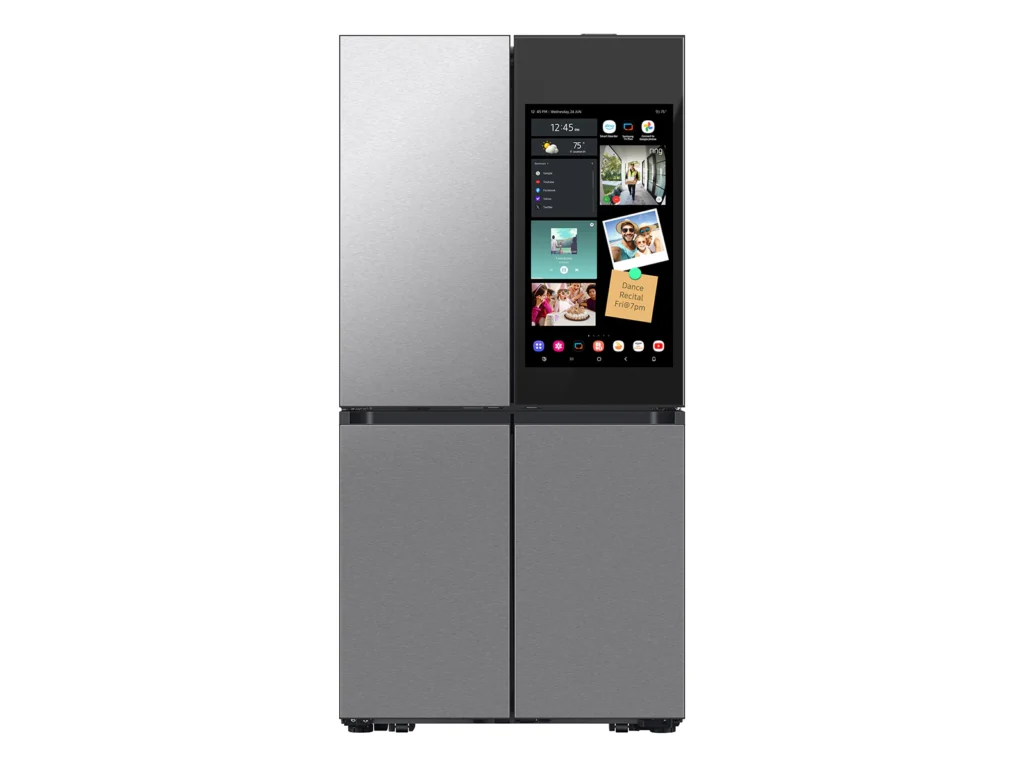
Why it stands out: Huge touchscreen, food-tracking “AI Vision Inside,” and SmartThings tie-ins make this a command center for the kitchen. Newer models add multi-voice recognition to personalize calendars, photos, and accessibility settings. That said, ads appearing on some Family Hub models in 2025 have raised eyebrows.
Pros
- Big screen with genuinely useful planning features, food inventory tools.
- Personalized widgets and voice profiles can be helpful for families.
Cons
- Ads on premium fridges are a turn-off for many; check settings to opt out.
- High price; not everyone needs a screen on a refrigerator.
Who should buy it: SmartThings households that want a visible “home status board” in the kitchen.
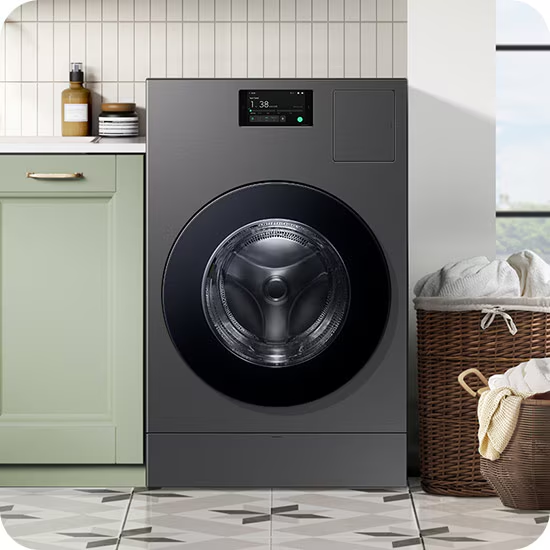
Best Washer/Dryer Combo: Samsung Bespoke AI Laundry Combo
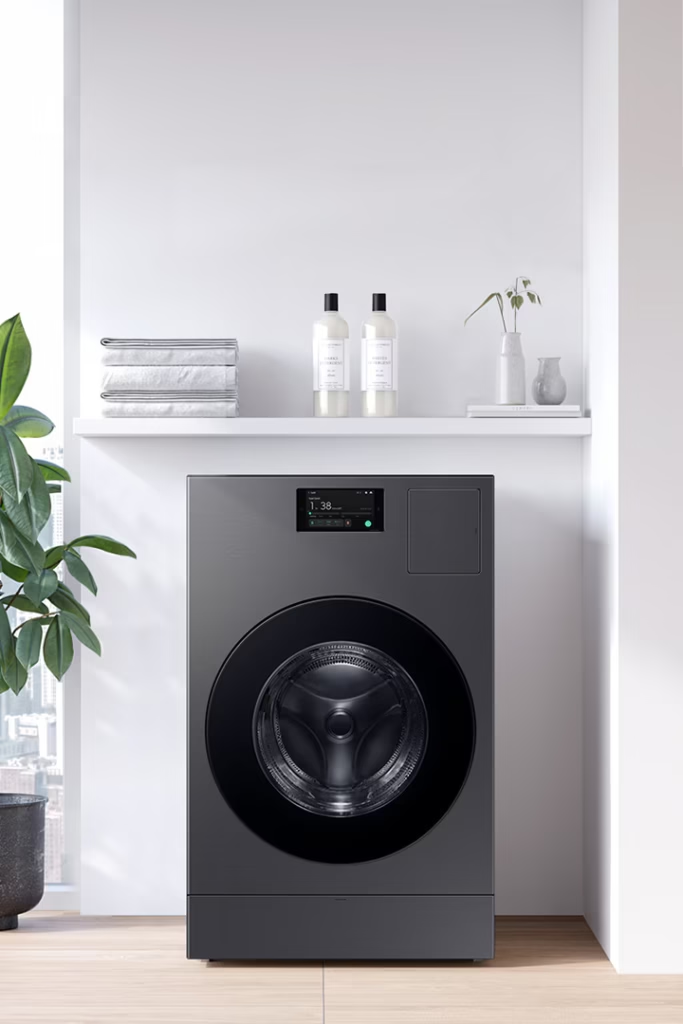
Why it stands out: Tests and hands-on coverage call out large capacity, speedy combined cycles, and effective SmartThings features. Newer vented combo versions emphasize faster cycles and an onboard display.
Pros
- Space-saving, high-capacity combo with strong washing performance; app control that’s actually useful.
- Newer variants tout quicker “Super Speed” wash-to-dry cycles.
Cons
- Combos can’t always match separate units for simultaneous throughput; verify vented vs. ventless behavior. (General caution based on category norms.)
Who should buy it: Apartments and condos where space is at a premium, or anyone who wants one machine to handle the whole job.
Best Smart Oven (Countertop category): GE Profile Smart Oven
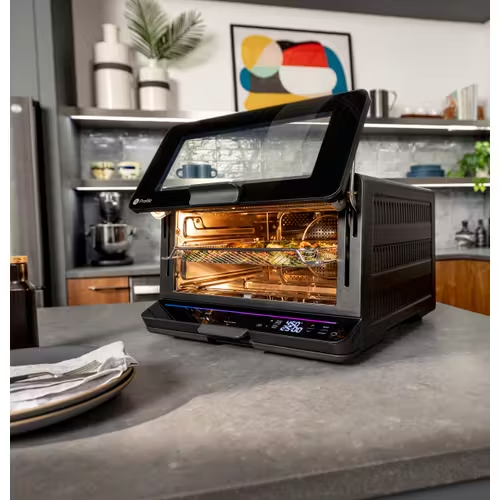
Why it stands out: A versatile countertop multi-cooker with remote control and guided modes. Reviewers like capacity and air-fry results, while noting the “no-preheat” claim can be overstated. If you prefer a full built-in wall oven, GE Profile’s connected models remain popular, but vet feature usefulness vs. cost.
Pros
- Big interior for a countertop; remote control and presets help busy cooks
Cons
- Some smart functions feel superficial; “no preheat” isn’t universal.
Who should buy it: Renters or small kitchens that want multi-function cooking without a full range upgrade.
Best Smart Lock: Level Lock+ Connect (overall); Yale Assure Lock 2 (easy, broad support)

Why they stand out: Current roundups and long-term testing favor Level Lock+ Connect for sleek design and strong ecosystem options (including Apple Home Key on certain variants), while Yale Assure Lock 2 remains a crowd-pleasing alternative with wide platform compatibility and straightforward installs. Budget shoppers can look at 2025 newcomers like Desloc D110 Plus (lots of features, fewer integrations).
Pros
- Level: understated hardware, solid features, Thread/Matter road map noted in coverage.
- Yale: many finishes/options; works with major ecosystems.
Cons
- Some models require add-on bridges for the best features; features vary by ecosystem.
- Budget locks often skip HomeKit/Matter.
Who should buy it: Anyone automating entry/exit routines—especially if you want geofenced auto-lock and one-app control.
Interoperability in 2025: Where Matter Helps (and where it doesn’t yet)

- Setup is less painful: Matter 1.4.1 introduced multi-device QR codes and NFC tap-to-pair, so adding multiple sensors or bulbs takes fewer steps. 1.4.2 adds Wi-Fi-only commissioning, reducing the need for Bluetooth radios that are only used once.
- New device types: Matter 1.3 expanded support across major appliances and EV chargers, which is why more white-goods now show up in Apple/Google/Amazon home apps. Real-world support still depends on each platform and vendor rollout.
- Robot vacuums in Apple Home: Apple added Matter robot vacuum support (iOS 18.4), and brands like iRobot and Roborock are aligning roadmaps—great news if you want unified routines.
Bottom line: Matter won’t magically fix every quirk, but it’s reducing onboarding friction and growing the list of “just works” devices.
Side-by-Side Snapshot (who each pick is best for)
- Roborock Saros 10R: Top-tier cleaning + mapping for busy households; skip the Z70’s arm unless you love bleeding-edge experiments.
- Ecobee Premium: Comfort nerds who want polished software, room sensors, and broad compatibility. Essential if you’re price-sensitive and can live without Matter for now.
- Samsung Bespoke AI Family Hub: SmartThings families who want a kitchen “command center.” Confirm ad settings first.
- Samsung Bespoke AI Laundry Combo: Space-savvy buyers needing a fast, capable wash-to-dry workflow in one machine.
- GE Profile Smart Oven (countertop): Small kitchens and renters; check whether the app features match how you cook.
- Level Lock+ Connect / Yale Assure Lock 2: Streamlined entry automations and solid ecosystem support; budget picks exist with trade-offs.
Buying checklist for 2025 (read this before you add to cart)
- Ecosystem fit first: Verify Alexa/Google/Apple/SmartThings support—and Matter version where relevant. It prevents “app soup” later.
- Local control > Cloud dependence: If the internet drops, can you still lock the door or start a cycle? (Matter often helps here.)
- Energy and maintenance: Look for energy reporting (Matter 1.3), filter alerts (purifiers/fridges), and self-maintenance docks (robot vacs).
- Privacy and policies: Skim the privacy section—especially for appliances with cameras/mics/screens (e.g., fridges with Family Hub). Ads on premium appliances are a real trade-off in 2025.
- Serviceability: Check parts availability and DIY maintenance steps (descaling, gasket care, dock cleaning). When in doubt, use expert DIY resources like Appliance Rescue for tip-sheets and troubleshooting (again, they’re guides—not a repair service).
Final Word

The best smart appliance is the one you’ll use—and that plays nicely with your existing setup.
Want a deeper dive, setup checklists, or DIY care tips? Explore Appliance Rescue for expert guides, appliance tips, and troubleshooting advice—and if you have questions about this roundup, contact us and we’ll help you decide what fits your home.