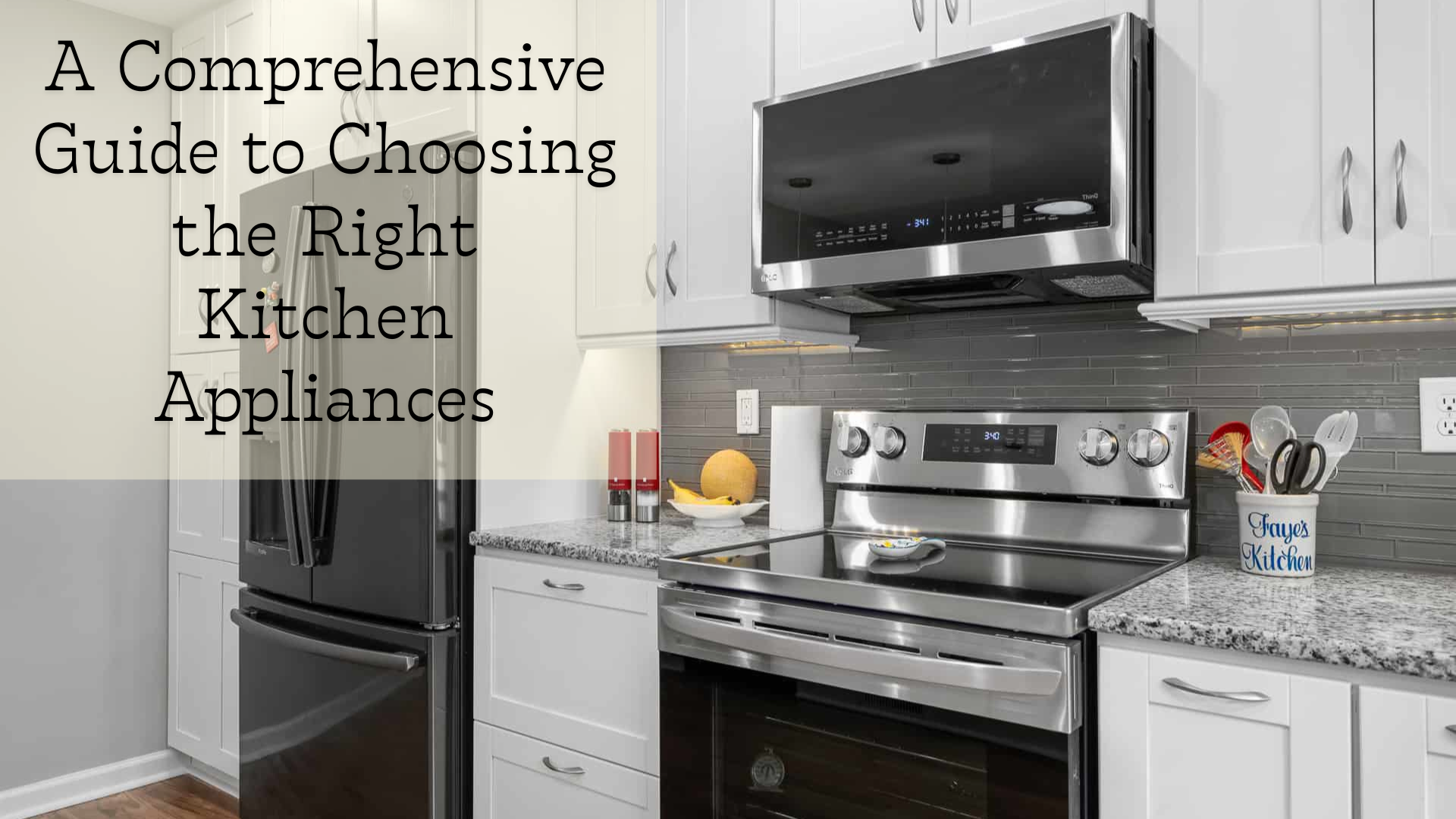

Find the Right Kitchen Appliances: Feature Breakdown and Brand Shortlist
Designing or refreshing a kitchen is exciting—until you meet the wall of choices. French-door or counter-depth fridge? Gas, electric, or induction? A silent dishwasher sounds great, but how quiet is “quiet”? This guide breaks down the decisions that actually matter, then offers a clear, no-nonsense look at leading brands so you can buy with confidence. For more how-tos and troubleshooting walk-throughs, you can always explore Appliance Rescue—they publish expert guides, appliance tips, and DIY troubleshooting advice (they don’t offer repair services).
Step 1: Start With a Plan (Not a Product)

Before you fall for a glossy finish, lock in the basics:
- Layout & measurements: Map door swings, island clearance, and walkways. Check counter depth, cabinet cutouts, and height under cabinets for microwaves and hoods.
- Power & ventilation: Do you have a 240V circuit for an electric range? Gas line for a cooktop? A path to vent a hood outside?
- Household size & cooking style: Batch cookers need oven capacity; frequent hosts may value dual ovens or a larger fridge.
- Budget strategy: Think in tiers: “good” (reliable essentials), “better” (extra convenience), and “best” (premium performance/materials).
- Aesthetic direction: Stainless remains versatile; matte, panel-ready, and bold colors can unify a design—just confirm long-term availability.
Step 2: Key Features by Appliance Category
Refrigerators
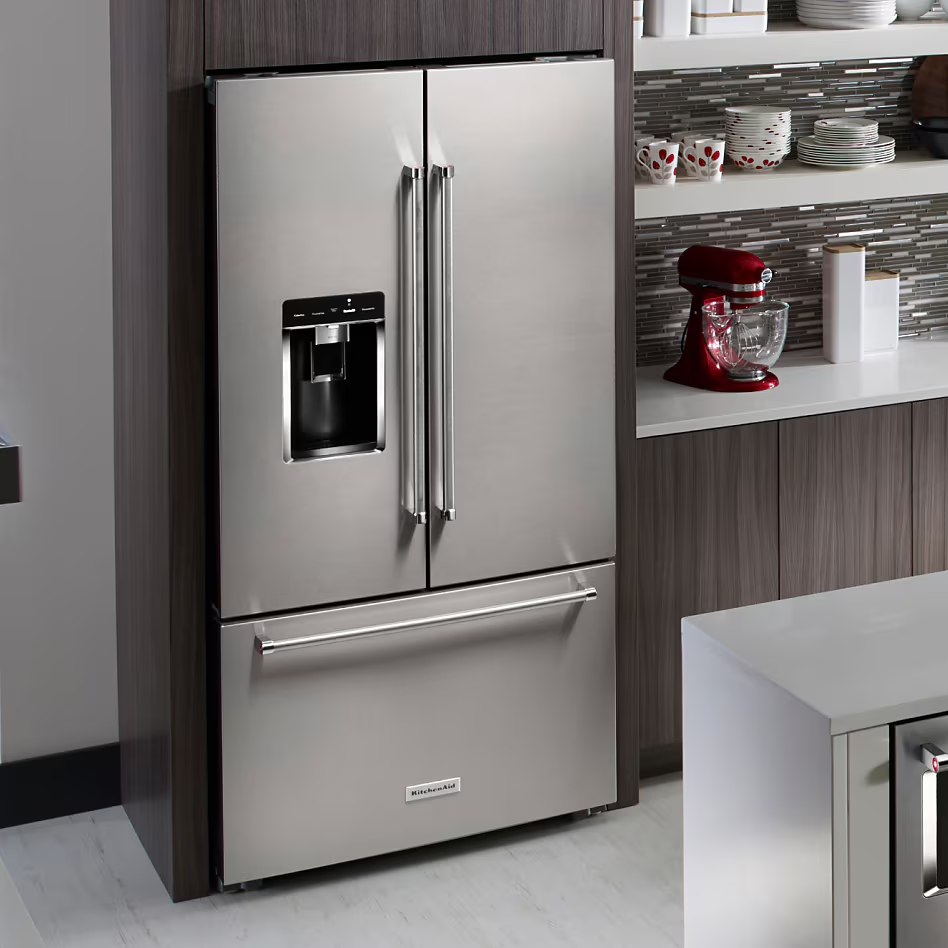
- Configuration: Top-freezer (value/efficiency), bottom-freezer (better access), French-door (wide shelves), side-by-side (narrower doors).
- Capacity & fit: 4–6 cu ft per adult is a rough guide. Counter-depth looks built-in but trades some capacity.
- Cooling tech: Dual evaporators keep fridge and freezer humidity separate; variable-speed compressors improve temp stability and efficiency.
- Ice/water & filtration: External dispensers are convenient; internal water filters and auto-fill pitchers reduce clutter.
- Energy & noise: ENERGY STAR models save over time; listen for compressor hum and ice maker cycles.
- Smart extras (optional): Temperature alerts, door-ajar notifications, and remote diagnostics are helpful; giant door screens are optional flair.
Ranges, Cooktops & Wall Ovens
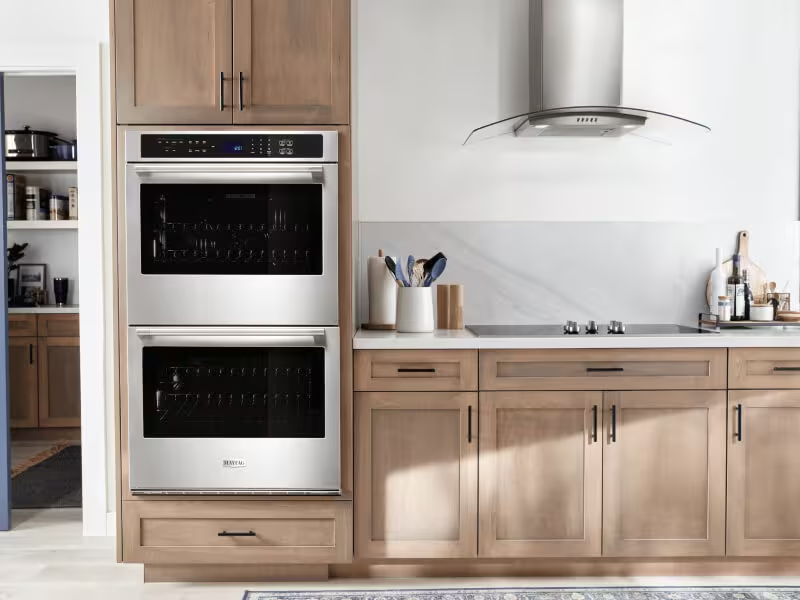
- Fuel & heat:
- Gas: Instant visual control, high BTUs; needs proper ventilation.
- Electric coil/smoothtop: Even baking, easy install.
- Induction: Fast, precise, efficient, and safer than a surface; requires compatible cookware.
- Oven type: True European convection (fan + heating element) gives more even results. Air-fry modes are essentially turbo-convection.
- Controls & cleaning: Knobs for tactile control, touch for ease of cleaning. Pyrolytic self-clean is effective; steam-clean is gentler but lighter duty.
- Specialty options: Probe thermometers, dehydrating/proofing modes, temperature-precise baking, and split ovens for flexibility.
Vent Hoods
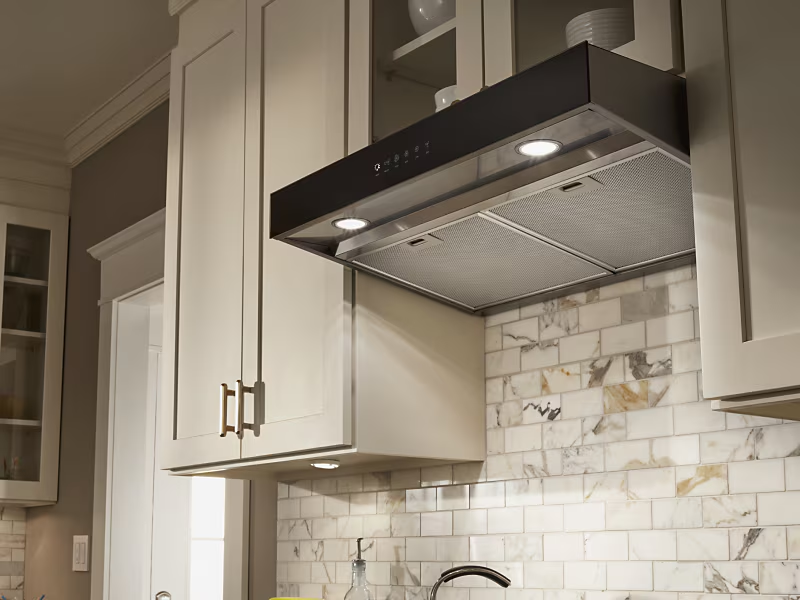
- Airflow: Target roughly CFM = (range width in inches × 10) for standard cooking; double that for high-BTU pro ranges.
- Ducted vs. ductless: Ducted (best for smoke/odors). Ductless recirculates through charcoal filters—suitable in condos.
- Noise: Look for sone ratings; <3 Sones on low are pleasant; <6 at working speeds are manageable.
- Capture area: A deeper hood (21–24") with baffles traps more steam.
Dishwashers
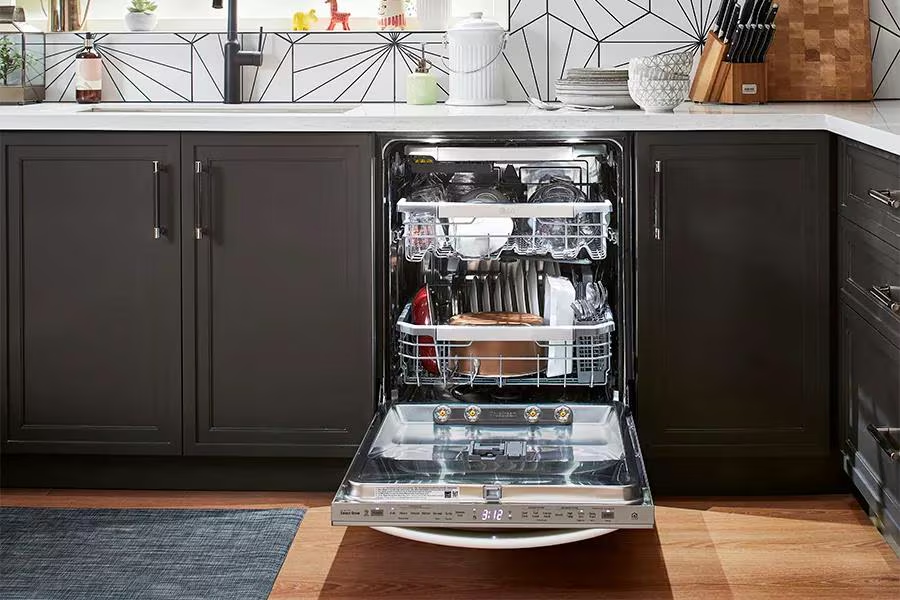
- Noise: Under 45 dBA is whisper-quiet; 39–42 dBA is luxury library-level.
- Racking: Adjustable tines, a third rack for utensils, and ball-bearing glides make daily use nicer.
- Soil sensors & filtration: Sensors tailor cycle length; self-cleaning filters reduce maintenance, and manual filters can be quieter.
- Drying: Condensation drying is efficient; zeolite or fan-assisted systems boost plastics' performance.
- Leak protection: Tub sensors and drip pans can prevent floor damage.
Microwaves
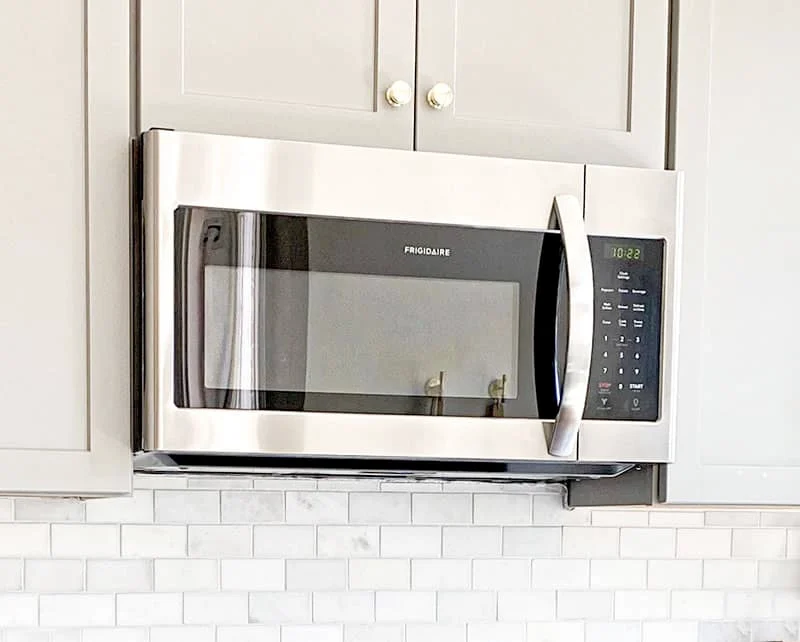
- Types: Countertop (easiest), over-the-range (saves space), built-in with trim kit (seamless).
- Power & sensors: 900–1200W cooks evenly; sensor reheat avoids guesswork.
- Convection/Speed ovens: Combine microwave with convection for faster roasting and baking.
Step 3: Efficiency, Noise, and Sustainability
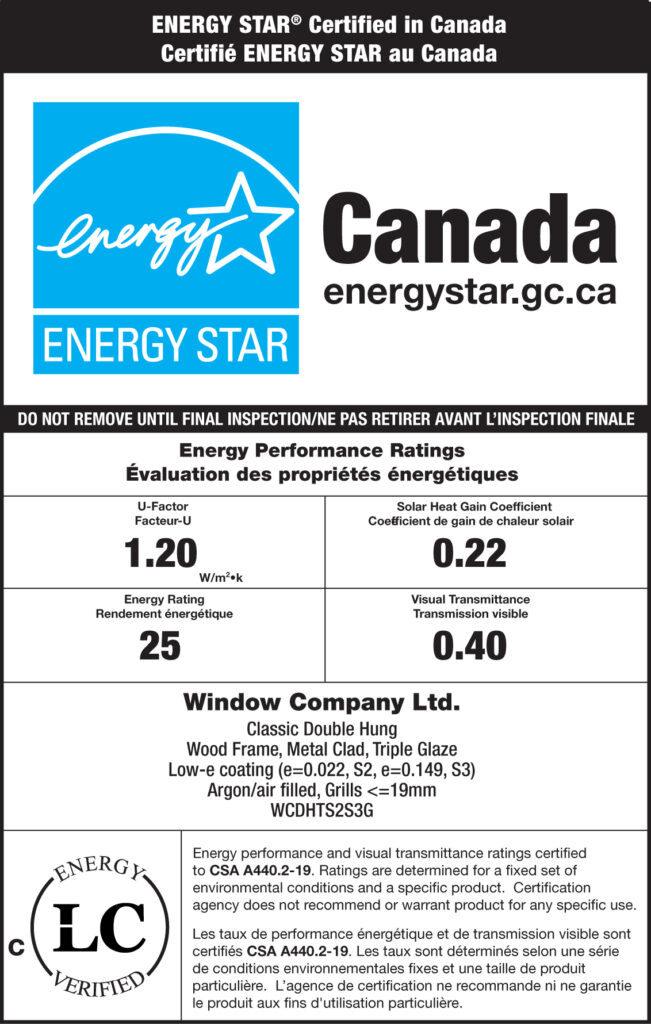
- Energy use: ENERGY STAR labels are a quick filter, especially for refrigerators and dishwashers.
- Materials & longevity: Stainless steel tubs (dishwashers) resist odor; metal knobs and hinges generally outlast plastic.
- Water use: Modern dishwashers often beat hand-washing—use eco cycles when possible.
- Noise matters: Open-plan kitchens benefit from quiet fridges and dishwashers; verify decibel or sone ratings, not just marketing terms.
Step 4: Installation & Fit Checklist
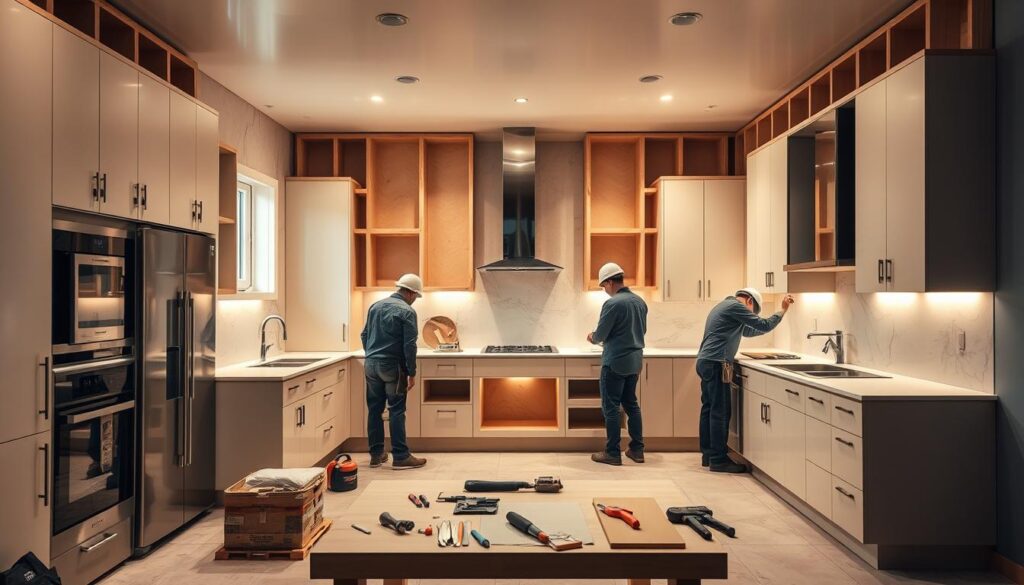
- Doorways and hallways were measured for the delivery path
- Outlet/voltage, breaker size, gas shutoff, and water line verified
- Vent run length and cap location planned
- Level floors and plumb walls checked (cabinet trims hide less than you think)
- Anti-tip bracket for ranges and secure mounting for OTR microwaves
- Clearance for heat and airflow (especially fridges and wall ovens)
Step 5: Smart Features—Helpful vs. Hype
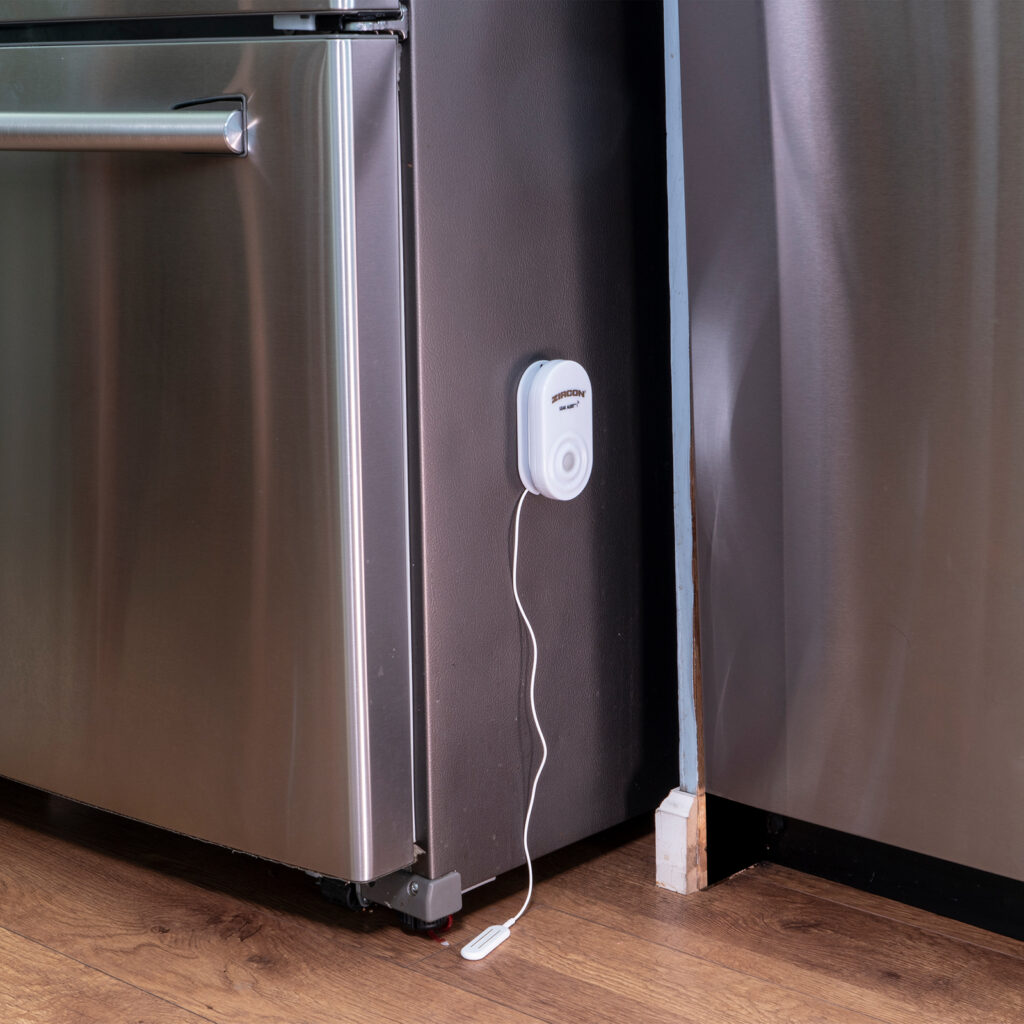
- Useful: Temperature and leak alerts, cycle push notifications, remote diagnostics, child locks, voice start/stop.
- Nice-to-have: Recipe integrations, shopping lists, internal cameras (frequent hosts may like them).
- Skip-able: Anything you’ll never open the app for. A good manual interface beats a bad smart one.
Top Brands Reviewed (Strengths, Considerations, Ideal Buyers)
Below is a practical snapshot, not a ranking. Availability and specific model lines vary by region.
Whirlpool

- Strengths: Straightforward controls, solid baseline reliability, good parts availability.
- Considerations: Fewer “wow” features on midrange lines.
- Best for: Buyers prioritizing no-drama ownership and value.
GE Appliances (including Profile & Café)

- Strengths: Broad lineup, excellent cooking performance, Café offers statement finishes and customizable hardware.
- Considerations: Feature sets differ widely—compare within sub-brands.
- Best for: Style-forward kitchens that still want robust cooking chops.
LG

- Strengths: Innovative refrigerators (linear compressors, clever storage), strong smart platforms.
- Considerations: Verify local service network; premium features add cost.
- Best for: Tech-leaning buyers who value efficiency and organization.
Samsung

- Strengths: Design, connected features, and rapid innovation across categories.
- Considerations: Rapid iteration means features change often; confirm service coverage.
- Best for: Design-minded shoppers who want modern interfaces.
Bosch

- Strengths: Ultra-quiet, efficient dishwashers; refined build quality.
- Considerations: Some models skip heated dry by design—great for glassware, manage plastics placement.
- Best for: Open-plan homes where silence matters.
KitchenAid

- Strengths: Strong baking heritage; capable wall ovens and ranges, cohesive pro-style look.
- Considerations: Mid-premium pricing; features vary by series.
- Best for: Home bakers and cooks chasing even results and a timeless aesthetic.
Frigidaire (including Gallery & Professional)

- Strengths: Sharp pricing, dependable basics, flexible fit options.
- Considerations: Fewer high-end touches; noise can be higher on entry models.
- Best for: Budget-savvy remodels and rentals.
Miele

- Strengths: Precision engineering, long service life focus, standout dishwashers, and wall ovens.
- Considerations: Premium price; accessories/consumables can cost more.
- Best for: Buyers who keep appliances for a decade+ and value craftsmanship.
Beko

- Strengths: Energy efficiency, compact European sizing, thoughtful food-preservation tech.
- Considerations: Check local parts/service access.
- Best for: Smaller spaces and eco-conscious households.
Fisher & Paykel

- Strengths: Innovative layouts (e.g., DishDrawer), minimalist styling.
- Considerations: Nontraditional formats require habit adjustment.
- Best for: Design explorers optimizing for ergonomics.
When to Splurge—and When to Save
- Splurge on: Ventilation (your cabinets and lungs will thank you), oven temperature consistency, whisper-quiet dishwashers if your kitchen is open, and a fridge that truly fits your household size.
- Save on: Trendy display screens you won’t use, novelty cycles, and decorative trims that don’t affect performance.
Ownership Tips That Extend Lifespan
- Fridges: Keep coils clean, replace water filters on schedule, and don’t overpack—airflow is cooling.
- Dishwashers: Rinse filters, run cleaning cycles, and use rinse aid for better drying.
- Ranges/ovens: Use the right cookware for induction; avoid foil on oven floors.
- Hoods: Wash baffle filters regularly; check for grease buildup.
For step-by-step maintenance and DIY diagnostics, browse Appliance Rescue. Have a question about their guides? Contact us—they can point you to the right resource (again, no repair services—just expert guidance).
Quick Decision Checklists

Refrigerator:
- Fits cutout and doors clear island
- Separate evaporators or enhanced cooling
- Ice/water needs and filter access
- ENERGY STAR, noise comfort level
Range/Cooktop + Oven:
- Fuel type and circuit/gas line ready
- Convection level you want (true convection vs fan-only)
- Induction compatibility (if chosen)
- Vent hood CFM and duct plan
Dishwasher:
- dBA rating under 45 for open plans
- Third-rack and adjustable tines
- Drying method suited to plastics
- Leak protection and floor shield
Microwave:
- Countertop vs OTR vs built-in
- 900–1200W power, sensor reheat
- Trim kit sizing (for built-ins)
The Bottom Line
Choose the appliance that fits your space, supports your cooking habits, and makes everyday tasks calmer—quiet cycles, steady temperatures, intuitive controls. Start with sizing and ventilation, shortlist the features you’ll actually use, and then compare brands by their strengths in each category. If you want deeper dives, care routines, or troubleshooting checklists, Appliance Rescue keeps it practical and repair-shop-free.