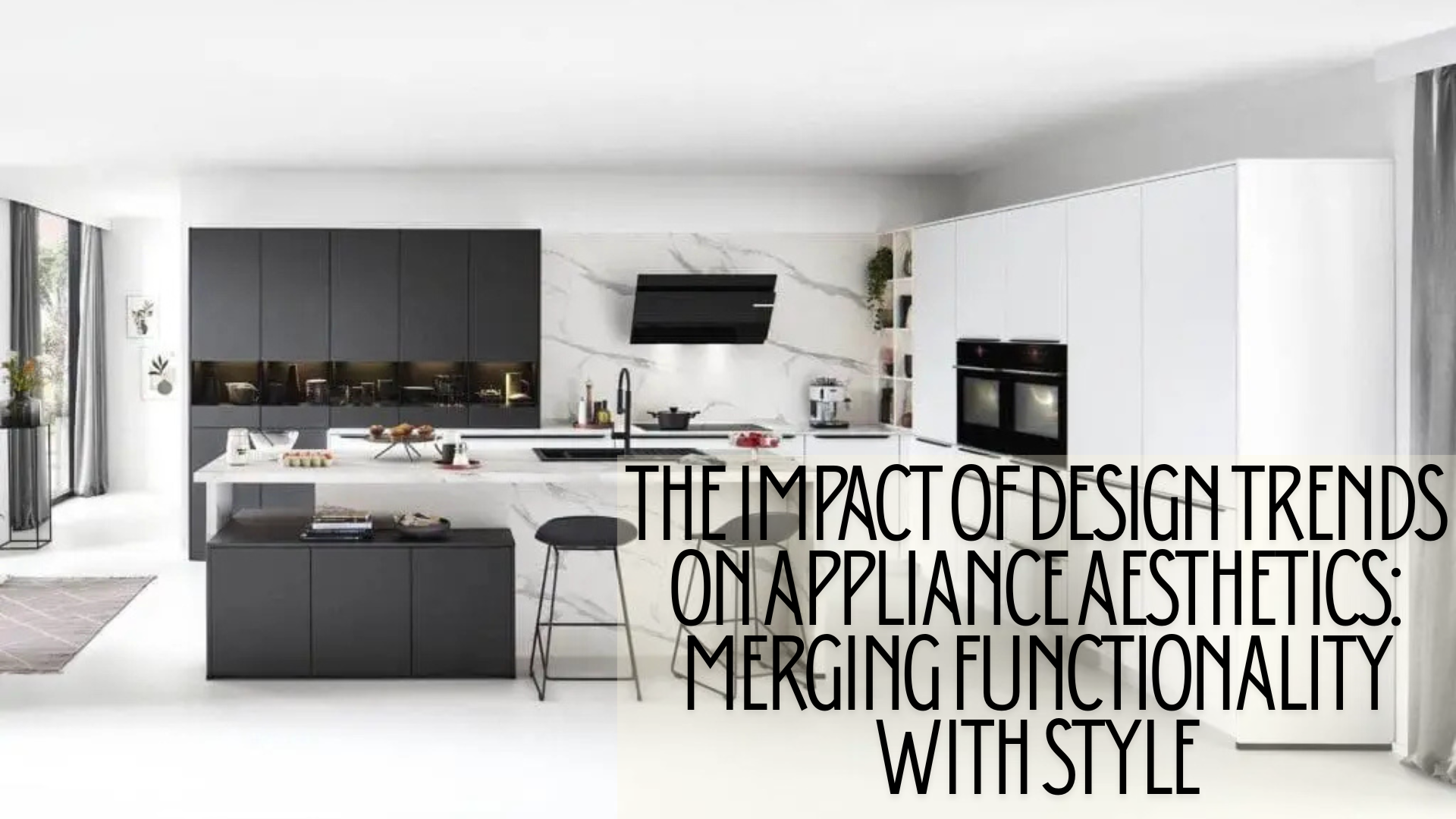

From Function to Fashion: The New Look of Home Appliances
Appliances are used to hide in utility rooms. Today they sit at the heart of open kitchens, compact condos, and home studios—so their look isn’t a bonus, it’s part of the buying decision. Contemporary design trends are reshaping everything from finishes to interfaces, and the most successful products fuse form with purpose. This article explores how those trends influence the way appliances look and feel—and how you can evaluate style without sacrificing performance.
Note: Appliance Rescue publishes expert guides, appliance tips, and troubleshooting advice. They do not offer repair services.
A Brief Timeline of Taste: From Avocado Green to Graphite Matte
- Mid-century confidence: Rounded edges, bold colors, and chrome trim signaled prosperity and optimism. Controls were tactile and obvious.
- 1990s minimalism: Clean lines and uniform white or bisque surfaces aligned with uncluttered interiors. Functionality took priority; aesthetics stayed quiet.
- Stainless era (2000s): Professional-kitchen cues—stainless steel, sturdy handles, and squared silhouettes—moved into homes, promising durability and “chef-grade” credibility.
- Soft tech (2015–present): Matte blacks, warm metallics, and discreet touch interfaces emerged to harmonize with furniture-like cabinetry and open-plan living. Sustainability and smart connectivity now inform aesthetics as much as fashion does.
Design rarely moves in straight lines. Each wave responds to lifestyle shifts, new materials, and the slow march of manufacturing techniques that make yesterday’s premium flourish today’s standard feature.
Color, Finish, and the New Neutral

Matte is merciful. It hides fingerprints and diffuses reflections, helping large appliances blend rather than dominate. Black stainless and graphite finishes earned popularity for their “quiet luxury” vibe, while classic stainless remains a safe, resale-friendly bet.
Warm metals return. Brushed bronze and champagne accents soften the harshness sometimes associated with industrial looks. They pair well with wood cabinetry and stone counters, lending continuity across rooms.
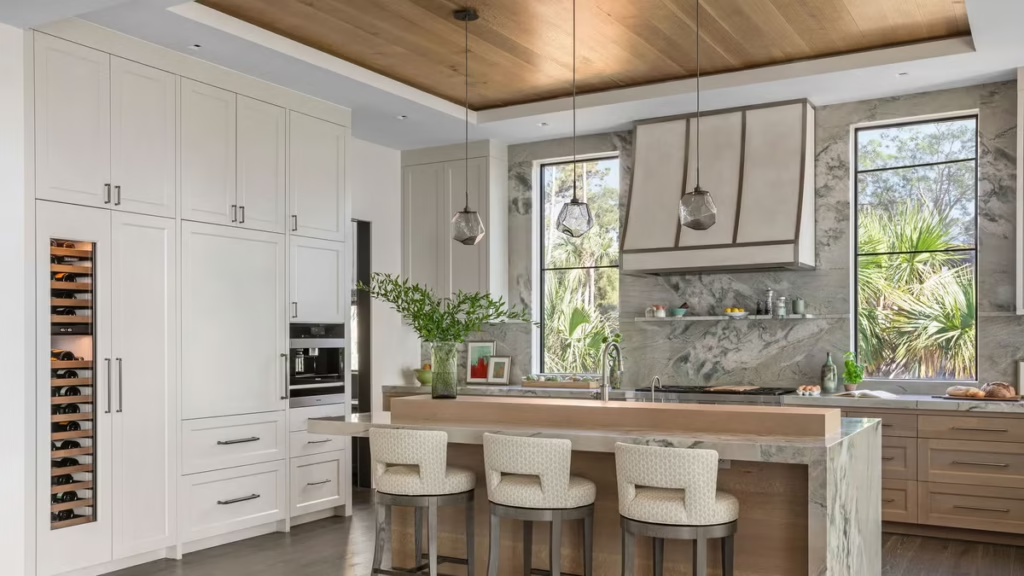
Custom panels = furniture illusions. Panel-ready dishwashers and fridges adopt cabinet faces to disappear entirely. This isn’t just cosmetic; it reduces visual noise in compact spaces and keeps the eye on the overall room composition.
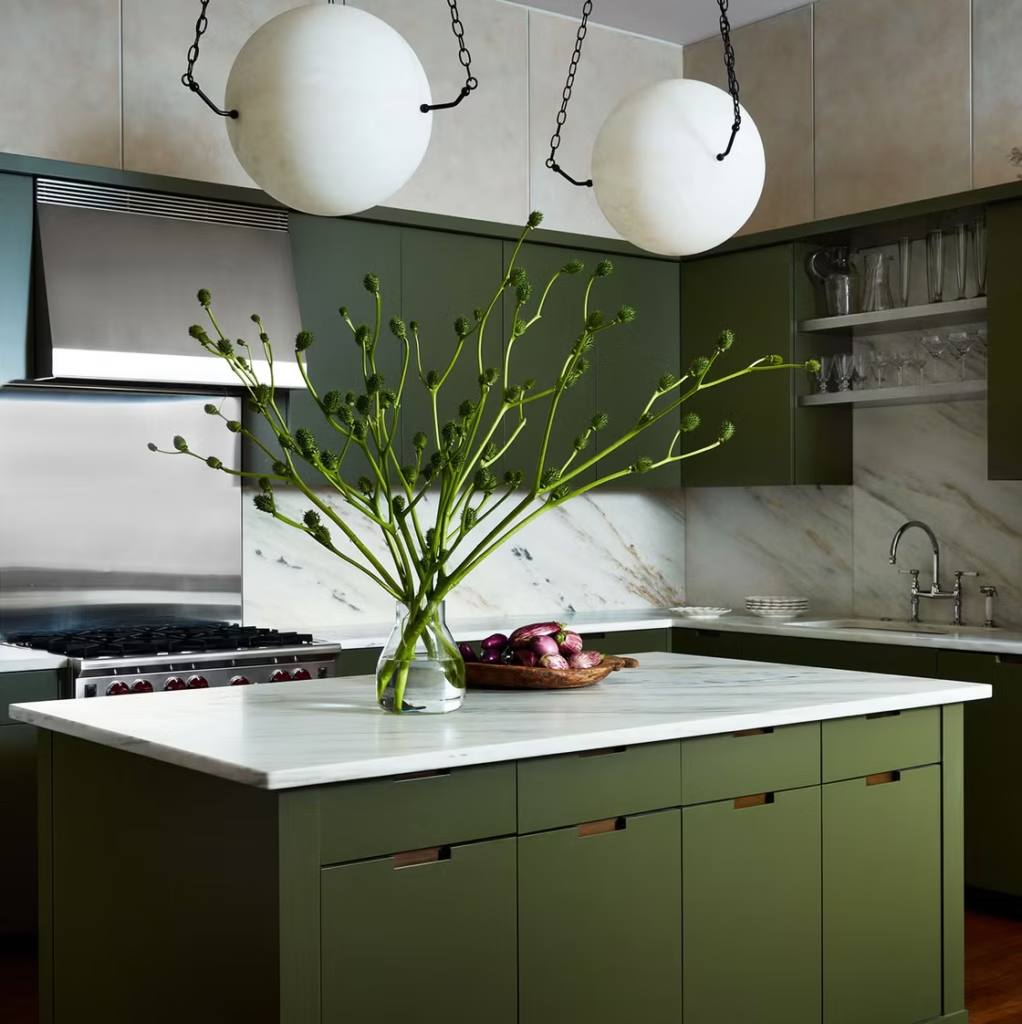
Color is back—strategically. Designers are using deep greens, clay reds, or navy ranges as focal points, then neutralizing surrounding surfaces. If you’re color-curious, consider a single hero piece and keep other appliances quieter.
Materials and Tactility: What Your Hands Notice First
Coatings and composites now resist smudges, scratches, and corrosion better than earlier generations, which means beauty can be more durable.
Handle geometry matters: rounded profiles feel friendlier; squared, knurled bars signal precision.
Door weight and hinge sound subtly influence perceived quality—soft-close mechanisms and damped hinges make appliances feel “designed,” not just engineered.
Interfaces: From Knobs to Nods
The case for knobs. Physical controls offer immediate feedback and are accessible even with wet hands. Many brands keep a single “master” knob for core functions as a nod to usability.
Touch and tap. Capacitance controls allow seamless fronts and easy cleaning. The risk: flat panels can hide essential cues. Good designs offset that with haptic ticks, subtle icons, or light-guided prompts.
Screens with restraint. Displays should clarify, not entertain. The best UIs surface the next logical action, tuck away advanced settings, and maintain legible contrast in bright kitchens and dim laundry rooms.
Voice and automation. Aesthetic minimalism often pairs with invisible control—voice assistants, auto-dispense, and sensor-driven cycles. The design challenge is to show just enough status (lights, sounds, micro-animations) to prevent confusion without cluttering the face.
Ergonomics: Beauty That Saves Your Back
A sleek washer that requires a deep stoop is only half designed. Consider:
- Reach zones: Are shelves and drawers accessible for all users?
- Lighting: Interior LEDs make dark cavities inviting and safer.
- Door swing: Reversible hinges and pocket doors help in tight spaces.
- Feedback: Chimes, color indicators, and progress bars reduce guesswork and anxiety.
Good ergonomics often looks elegant because it removes contortions from daily life. When form follows real human motion, aesthetics improve almost automatically.
Sustainability as an Aesthetic
Eco-conscious design once meant austere. No longer. Efficient compressors, induction cooktops, and heat-pump dryers enable slimmer forms, quieter operation, and refined ventilation paths—each with visible design consequences:
- Quieter, calmer kitchens allow softer colors and fewer visual partitions.
- Low-profile cooktops integrate flush with counters, making minimalism achievable without performance trade-offs.
- Modular parts encourage repairability and upgrades, reducing waste and signaling longevity—an aesthetic of responsibility.
Small Spaces, Big Statements
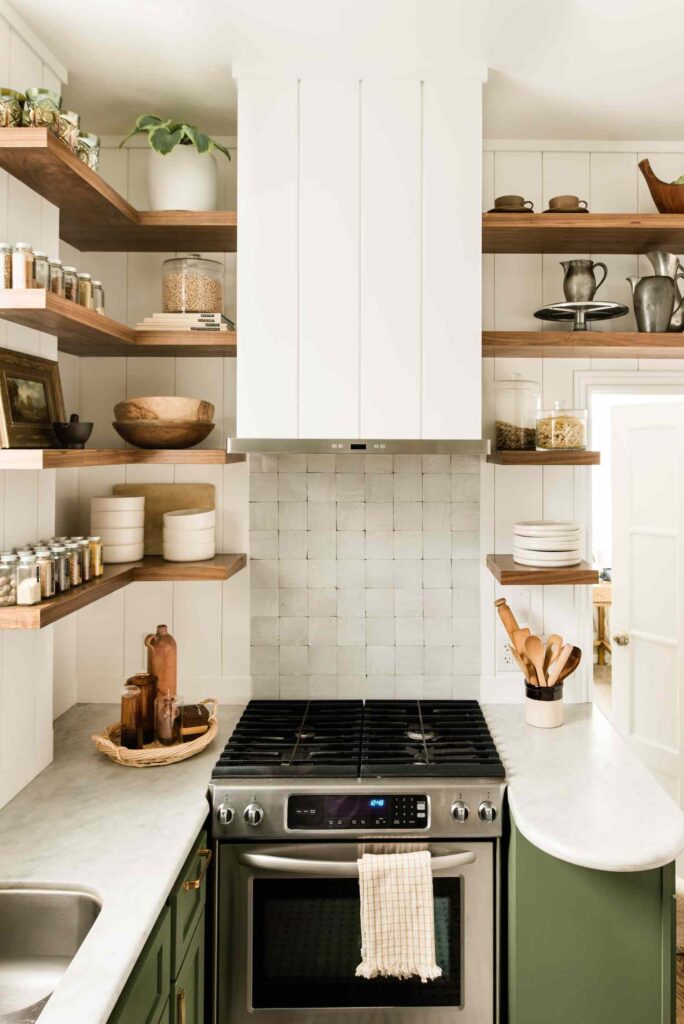
Urban living and ADU conversions push appliances to be nimble. The design responses:
- 24-inch standards deliver European-style compactness without looking underpowered.
- Stackable laundry and drawer-style dishwashers free floor space and create new visual rhythms.
- Multi-use appliances (steam+convection ovens, microwave+air-fryers) reduce the number of visible boxes in a room, enabling a calmer palette.
The Psychology of “Clean”
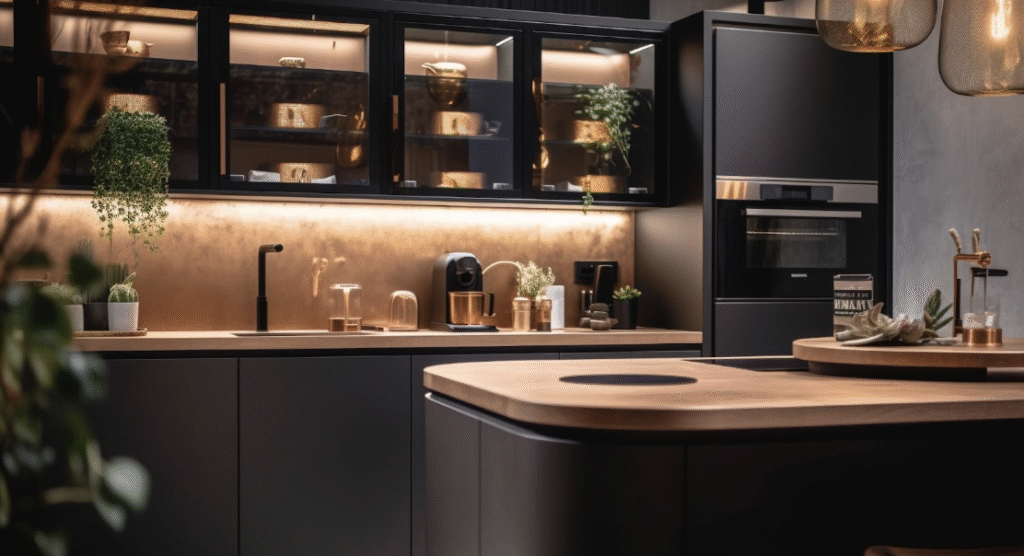
We associate minimal seams, light bands, and symmetric handles with cleanliness. Designers leverage this with:
- Shadow lines to slim bulky doors.
- Hidden vents to keep fronts unbroken.
- Consistent handle heights across appliance suites to create a cohesive horizon line in the room.
But “clean” shouldn’t mean sterile. A touch of texture—a ribbed glass panel on a beverage center, a linen-like enamel—adds life without visual chaos.
Buying Guide: How to Judge Style Without Getting Distracted
- Start with the room, not the spec sheet. What’s your cabinet color, natural light, and flooring tone? Choose finishes that complement, not fight, your backdrop.
- Touch everything. Twist knobs, open drawers, swipe controls. Tactility is design in disguise.
- Stand back five feet. Does the appliance align with neighboring hardware and counter lines? Cohesion beats any single feature.
- Audit fingerprints. If a showroom sample looks smudged, imagine a week at home.
- Dim the lights. Can you read the UI? Night-mode brightness and contrast matter.
- Check noise ratings. Quiet performance expands your styling options in open plans.
- Future-proof the look. Classic silhouettes with changeable accents (handles, bezels) age better than extreme shapes.
- Maintenance plan. Removable racks, self-clean modes, and standard filter sizes keep beauty intact over time.
Styling and Upkeep: Make the Look Last
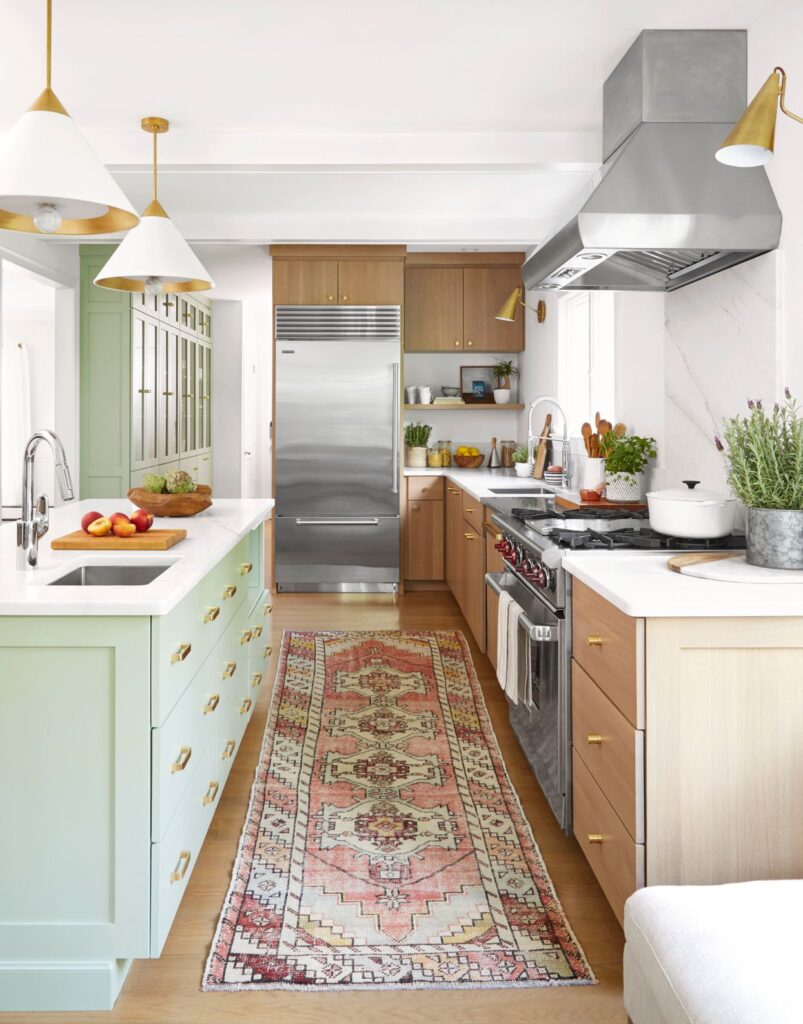
- Match hardware families. Align handle profiles across appliances and cabinetry for a bespoke feel.
- Mind the sightlines. Choose counter-depth fridges and flush installs where possible.
- Use lighting as a design tool. Under-cabinet LEDs soften stainless and showcase matte textures.
- Schedule micro-care. Weekly wipe-downs with non-abrasive cloths and quarterly gasket cleaning prevent aging that reads as neglect.
- Protect high-touch spots. Clear film guards on handles can be invisible yet effective.
For troubleshooting aesthetic issues—streaks on glass, clouded stainless, or dingy gasket edges—browse the guides at Appliance Rescue. Again, they provide tips and detailed DIY advice—not repair services.
What’s Next: Calm Tech and Subtle Personality

Expect “ambient interfaces” that glow gently instead of flashing; recycled or bio-based materials with premium textures; and modular fronts you can swap as tastes change. The trend is toward calm tech—appliances that participate in a room’s mood rather than declaring themselves the main character.
Conclusion: Design as a Daily Convenience
Good appliance design is not decoration pasted onto a metal box. It’s the convergence of materials, ergonomics, sustainability, and interface clarity—the elements you feel every day when you open a door, scroll a cycle, or glance at a status light. Follow the room’s cues, trust your hands as much as your eyes, and you’ll land on appliances that look right because they work right.
If you have questions or want tailored tips for your space, Contact us. And remember: Appliance Rescue offers expert guides, appliance tips, and troubleshooting advice—not repair services.