
Which Appliance Brands Are Most Reliable? Tiered List from Economy to Luxury
Appliance shopping shouldn’t feel like rolling dice, yet it often does. One range promises pro-grade power, another swears by smart features, and a third leans on price tags that look suspiciously friendly. To make sense of it, the guide below groups major appliance brands into four tiers—Economy, Mid-Range, Premium, and Luxury—using reliability as the primary lens. “Reliability,” here, means a blend of lower service rates, sensible design, easy parts availability, and owner-reported satisfaction. Prices, features, and brand cachet matter too, but they come second to the boring (and crucial) question: will it run without drama for years?
Before we dive in, a note about resources: Appliance Rescue publishes independent guides, tips, and troubleshooting advice. They don’t sell or fix appliances. If you want help deciding or need a how-to, visit Appliance Rescue. For questions about this guide or to share your data, you can Contact us.
How this tier list was built (and how to use it)
Inputs considered:
- Aggregated service-rate discussions from independent servicers and trade publications.
- Long-term owner satisfaction trends are commonly reported in consumer surveys.
- Parts availability and repairability patterns noted by technicians.
- Design stability (fewer radical year-to-year redesigns tend to correlate with fewer surprises).
- Category exceptions (a brand may be excellent in dishwashers but only average in refrigerators).
Caveats you should keep in mind:
- Tiers describe tendencies, not guarantees; every brand has outliers and model-specific issues.
- Product cycles change. A strong 2022 dishwasher line doesn’t automatically make the 2025 refresh a slam dunk.
- Reliability varies by product category within the same brand. Always check the specific appliance type.
Use the tiers as your “shortlist accelerator.” Then, within a tier, compare specific models, not just badges.
The Tiers at a Glance

- Economy: Lowest upfront cost, basic features, acceptable performance for light use. Reliability can be fine if expectations match the price; service experiences may be inconsistent.
- Mid-Range: The sweet spot for many households—good reliability, balanced features, reasonable parts support, and stable design.
- Premium: Better build, quieter operation, refined ergonomics, stronger category leadership (e.g., outstanding dishwashers or laundry). Price rises, but so does day-to-day satisfaction.
- Luxury: Top materials, flagship features, statement aesthetics, and bespoke sizing. Reliability can be excellent in certain brands, but repair costs and complexity also increase.
Economy Tier (best for tight budgets, rentals, and light use)
Typical traits: Lower prices, simpler controls, fewer specialty cycles, and more plastic in high-wear areas. Warranty coverage varies. Good for secondary suites or short-term rentals where cost control trumps long lifespan.
Common players to consider in this tier:
- Amana (often Whirlpool under the hood for core parts; straightforward, no-frills).
- Hotpoint (budget offerings linked to GE heritage; varies by product line).
- Haier / Insignia / Hisense (value-driven options; availability and support can be region-specific).
- Frigidaire (entry lines) (at the low end of its catalog; solid basics in ranges and top-freezer fridges).
Strengths: Low initial cost; simple electronics (fewer things to fail).
Watch-outs: Fit-and-finish, noise, and service network depth. Some models have shorter expected lifespans or higher variance in quality.
Who should buy: Budget-sensitive buyers, landlords, or anyone prioritizing upfront savings over premium features or whisper-quiet operation.
Mid-Range Tier (the reliability/value bullseye for many homes)
Typical traits: Stable platforms, decent parts pipelines, and designs that have been iterated—not reinvented—for several years.
Brands frequently landing here:
- Whirlpool (a perennial workhorse in top-load laundry and basic refrigeration; pragmatic designs).
- GE Appliances (broad lineup; reliable core features; strong U.S. service footprint).
- Maytag (laundry focus with robust motors on some models; “heavy-duty” ethos).
- Frigidaire (core lines) (value-forward ranges and refrigerators; check model-specific reviews).
- Bosch (entry/100/300 series dishwashers) (notably strong in dishwashing, even at accessible price points).
Strengths: Balanced reliability, parts availability, sensible controls, and respectable warranties.
Watch-outs: Feature creep—some mid-range SKUs add fragile extras for showroom appeal.
Who should buy: Most households wanting a dependable daily driver without luxury pricing.
Premium Tier (refinement, quiet operation, category leaders)
Typical traits: Upgraded materials, quieter motors and pumps, better racks/drawers, and genuinely useful features (when chosen carefully). Often where you find the “category champs”—brands that are best-in-class for one appliance type.
Brands commonly placed here (category strengths noted):
- Bosch (500/800 series dishwashers) – quiet, reliable cleaning, excellent racking.
- LG – strong in front-load laundry (inverter motors), competitive in refrigeration with efficient compressors.
- KitchenAid – premium ranges and dishwashers; compelling for serious home cooks.
- Electrolux – notable in front-load washers and vented/condensing dryers; fabric-care features.
- Fisher & Paykel – innovative drawer dishwashers and niche form factors; design-forward.
Strengths: Lower noise, better ergonomics, refined cycles, and—in the right categories—very strong reliability.
Watch-outs: Connectivity features that add complexity; ensure local service is comfortable with the brand.
Who should buy: Busy households valuing quiet, thoughtful design, and dependable performance that feels a step up in daily use.
Luxury Tier (flagship materials, bespoke sizes, statement kitchens)
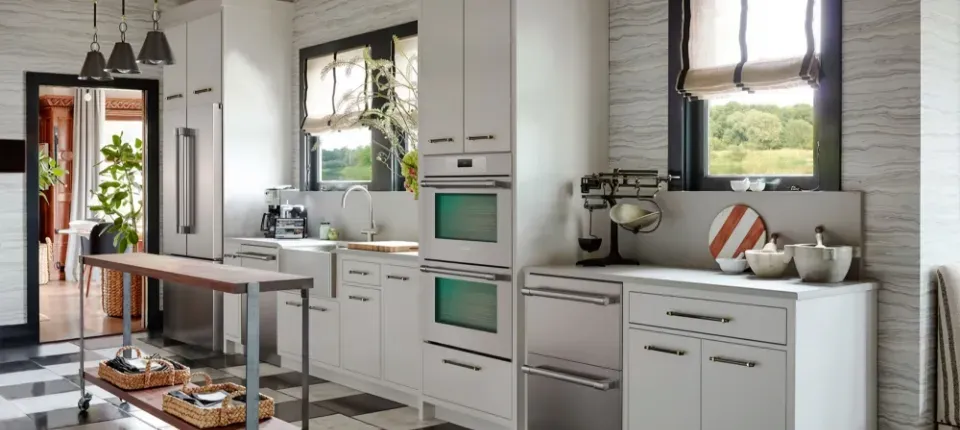
Typical traits: Custom panel options, column refrigeration, pro-style ranges, and handcrafted fit/finish. Reliability can be excellent at the top end, but when repairs are needed, they are specialized—and pricey.
Brands are frequently placed in the luxury:
- Miele – engineering-driven; standout dishwashers and laundry; long-term parts support philosophy.
- Sub-Zero / Wolf / Cove – refrigeration mastery (Sub-Zero), serious ranges (Wolf), premium dishwashers (Cove).
- Thermador – strong pro ranges and built-ins; innovation in cooking surfaces.
- Gaggenau – design-centric, modular, premium materials; boutique support model.
- Monogram – GE’s luxury line with built-in focus and polished aesthetics.
- La Cornue / Viking (select lines) – iconic looks and power; check recent model-specific reliability and service access.
Strengths: Longevity in specific categories, superb materials, and service networks tailored to high-end installs.
Watch-outs: Spare parts and labor costs, installation complexity, and the need for qualified service technicians.
Who should buy: Renovations where design cohesion and top-end performance are mandatory—and the budget allows for premium ownership costs.
Category-Specific Notes (because one badge doesn’t rule them all)

- Dishwashers: Bosch and Miele are persistent standouts for cleaning performance, quiet operation, and longevity. Drawer designs (Fisher & Paykel) are convenient but add complexity; evaluate service coverage in your area.
- Laundry: LG and Electrolux compete fiercely in front-loaders with efficient motors and fabric-care features. Top-loaders from Whirlpool/Maytag remain popular for simplicity and easier DIY fixes.
- Refrigeration: Sub-Zero excels in built-in/column systems with dual-evaporator designs that preserve food well. In mass-market French-door units, check for ice-maker reliability (a common pain point across brands).
- Cooking (Ranges/Ovens): Wolf, Thermador, and Monogram lead in power, control, and build. For budget-friendly dependability, mid-range gas ranges from Whirlpool/GE are tough to beat.
- Microwaves & Over-the-Range: Reliability differences are narrower; prioritize ventilation performance and usability over brand prestige.
Reliability Signals You Can Check Yourself
- Model age and platform stability: Minor yearly refreshes are safer than brand-new platforms with unproven parts.
- Parts ecosystem: Search for the model number plus “control board,” “pump,” or “compressor” to see pricing and availability.
- Service coverage in your postal code: A great brand is frustrating when the nearest authorized tech is 300 km away.
- Noise ratings and duty cycles: Especially for dishwashers and condensing dryers—quiet machines often reflect tighter tolerances and better insulation.
- Owner forums and technician notes: Consistent, specific complaints (e.g., “drain pump error after 18 months”) are more meaningful than general gripes.
What to Buy (and What to Skip) by Situation
- Tight budget, high turnover (rental or starter home): Economy or lower Mid-Range models with mechanical dials where possible; skip fragile touch panels.
- Family of four, daily heavy use: Mid-Range or Premium from brands with robust service networks; prioritize stainless tubs (dishwashers) and inverter motors (washers).
- Renovation with panel-ready cabinets: Premium or Luxury; confirm cutout dimensions and ventilation clearances before ordering.
- Smart-home enthusiasts: Choose Premium brands with mature app ecosystems; ensure offline fallback controls exist.
- Cold climate / small laundry space: Consider heat-pump dryers (Electrolux, Miele) for efficiency; check venting constraints.
Maintenance Habits That Matter More Than the Logo

- Dishwashers: Use rinse aid, clean the filter monthly, and run a hot cycle weekly to prevent biofilm.
- Front-load washers: Leave the door ajar, wipe the gasket, and run a tub-clean cycle; use HE detergent sparingly.
- Refrigerators: Vacuum the condenser coils twice a year; maintain proper clearance for airflow.
- Ranges/Ovens: Keep burner ports clean; avoid foil that blocks airflow; recalibrate oven temps annually if you bake often.
- Dryers: Clear the lint screen every load; inspect and clean the vent annually to prevent fires and extend heater life.
Quick Reference Tier List (by common patterns)
- Economy: Amana, Hotpoint, Haier, Insignia, Hisense, (lower-end) Frigidaire
- Mid-Range: Whirlpool, GE Appliances, Maytag, Frigidaire (core lines), Bosch (entry/300)
- Premium: Bosch (500/800), LG, KitchenAid, Electrolux, Fisher & Paykel
- Luxury: Miele; Sub-Zero/Wolf/Cove; Thermador; Gaggenau; Monogram; select La Cornue/Viking
(Remember: strength varies by category—e.g., Bosch dominates dishwashers even at mid-to-premium levels, while LG’s reliability star shines brightest in laundry.)
Final Thoughts (and where to learn more)
Brand tiers help you narrow options fast, but the real victory is choosing a specific model with a proven track record, solid parts support, and nearby service. If you want deeper buying checklists, troubleshooting walkthroughs, or maintenance calendars, browse Appliance Rescue—they publish Expert Guides, Appliance Tips, and step-by-step advice. They do not offer repair services or sell appliances, but they can point you to the right information. Have a question or want to share reliability data from your own fleet? Call us!