

Microwave Wattage Showdown: Is 1200W Really Better Than 1000W?
Microwave ovens are one of the most essential and convenient appliances in modern kitchens. Whether you’re reheating leftovers, defrosting frozen foods, or preparing quick meals, wattage often becomes a key selling point when comparing models. Many shoppers assume that a 1200-watt microwave is automatically better than a 1000-watt unit—but is that really true?
While wattage does influence cooking power and speed, it is only one part of the performance equation. Understanding how wattage works—and where it matters—can help you choose the right microwave for your needs.
This guide explores the differences between 1000W and 1200W microwaves, how wattage affects real-world performance, and what other factors may be even more important.
What Microwave Wattage Actually Means
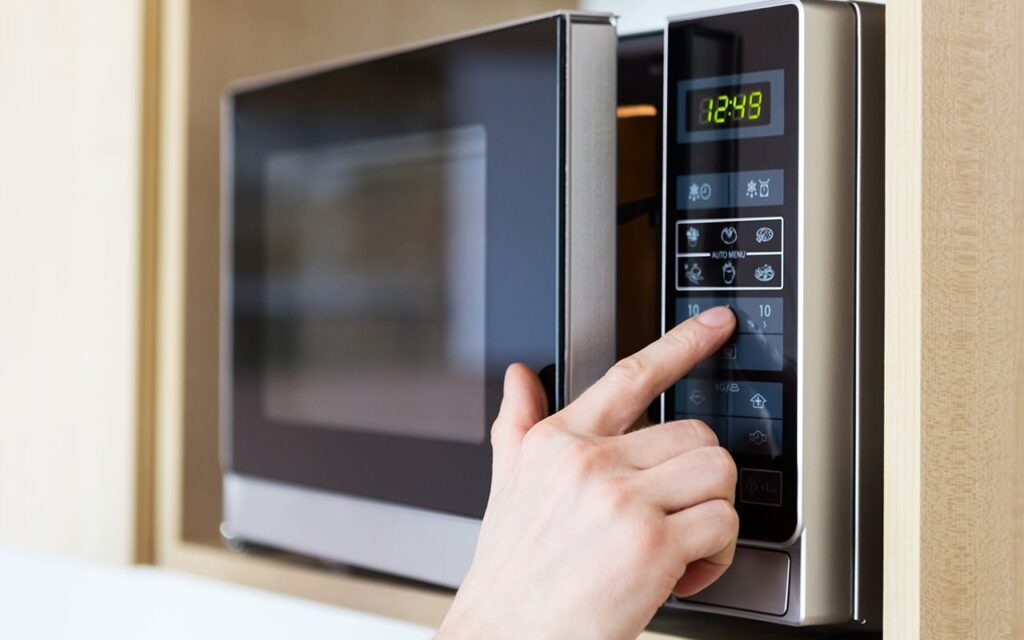
Microwave wattage refers to the cooking power the appliance delivers—not its electrical consumption. In simple terms:
- Higher wattage = more energy delivered to food
- More energy = faster and typically more even cooking
Most household microwaves range from 600W to 1200W. A 1200W microwave is on the higher end of consumer models and is generally considered powerful.
But wattage alone does not tell the whole story. Even two microwaves with identical wattage can perform differently depending on design, engineering, and additional features.
1200W vs. 1000W: What’s the Real Difference?
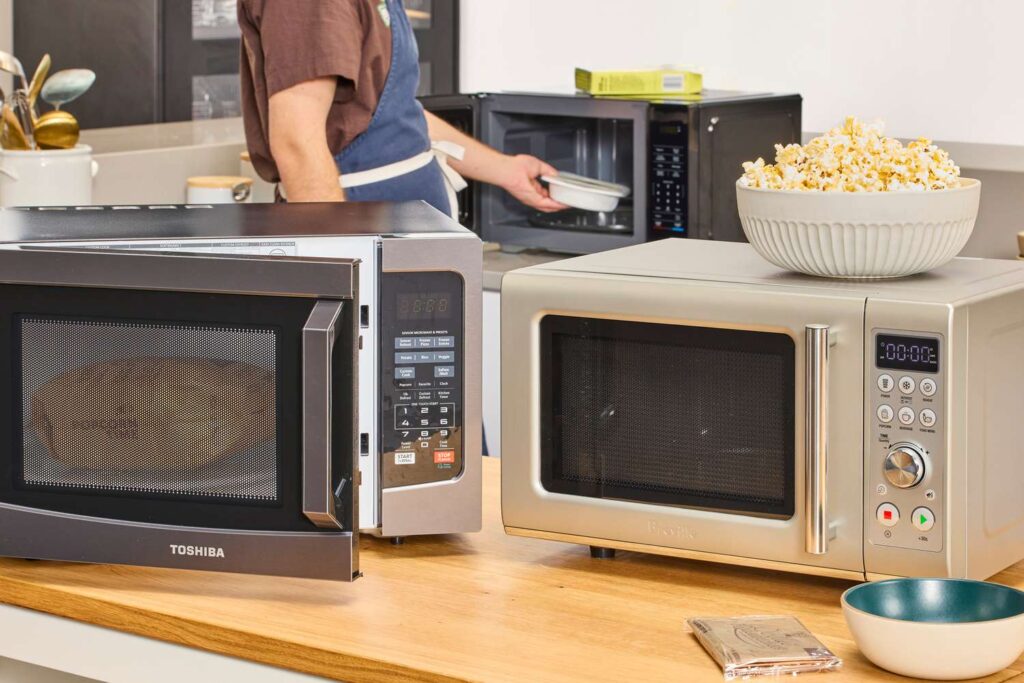
1. Cooking Speed
The most noticeable difference between the two wattages is cooking time.
- A 1200W microwave cooks roughly 15–20% faster than a 1000W model.
- Foods that take 2 minutes in a 1200W microwave may take 2.5–3 minutes in a 1000W unit.
For people who frequently cook items like potatoes, frozen entrées, or bulk reheats, this faster speed can be useful.
2. Cooking Evenness
Higher wattage microwaves tend to distribute energy more evenly, reducing cold spots. However, this also depends heavily on:
- Turntable design
- Magnetron quality
- Cavity shape
- Inverter technology (in some premium models)
A well-designed 1000W microwave can outperform a poorly engineered 1200W one in evenness.
3. Food Quality and Texture
A 1200W microwave can sometimes heat food too quickly if not monitored, which may lead to:
- Overcooked edges
- Rubberier proteins
- Boil-overs in liquids
Lower wattage units produce gentler, more controlled heating, which can actually benefit delicate foods.
4. Energy Efficiency
While a 1200W microwave uses more power, it cooks faster, which may offset the difference. In many cases, the total energy used is similar between the two wattages.
Is a 1200W Microwave Always Better?
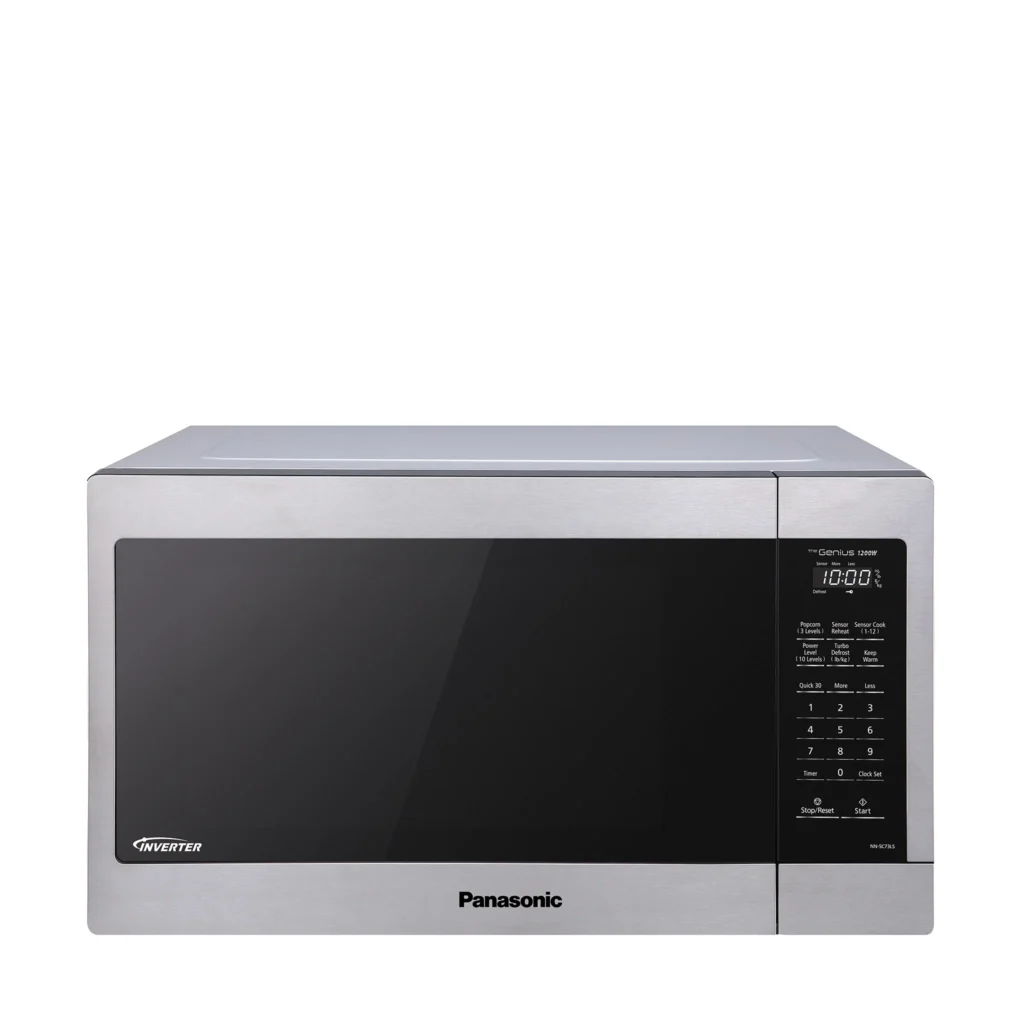
Not necessarily. A 1200W microwave delivers more power, but “better” depends on how and where it will be used.
A 1200W Microwave May Be Better If You:
- Cook full meals or large dishes frequently
- Want the quickest possible heating times
- Need strong performance for frozen or dense foods
- Prefer maximum power for versatility
A 1000W Microwave May Be Better If You:
- Mostly reheat single servings
- Prepare delicate foods like eggs or chocolate
- Have a small kitchen, dorm, or office space
- Prefer lower energy consumption
- Want a model that is typically more budget-friendly
In many everyday situations, the difference between 1000W and 1200W is noticeable—but not dramatic. Both wattages are considered strong performers.
Other Factors That Matter More Than Wattage
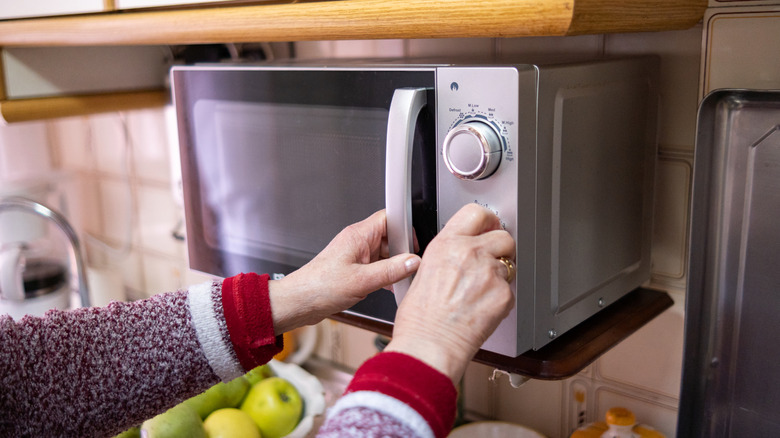
Before choosing a microwave, consider these elements, which often influence performance more directly than wattage alone:
1. Inverter vs. Traditional Technology
Inverter microwaves offer more precise and consistent power control, preventing overcooking and improving evenness.
2. Internal Cavity Size
Larger cavities require more energy to heat food evenly, so a 1200W unit may be more beneficial here.
3. Build Quality and Magnetron Design
A high-quality magnetron can outperform a cheaper one even if wattages match.
4. Features and Presets
Sensor cooking, steam functions, and smart presets can greatly improve results regardless of wattage.
5. Price and Durability
A higher wattage model may not justify the cost if your usage is simple.
So, Which Should You Choose?
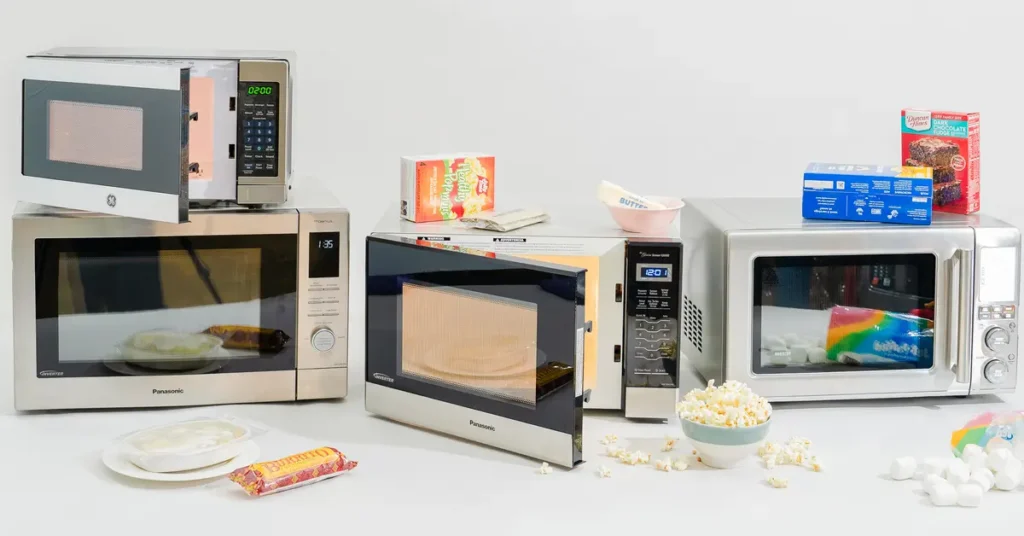
If speed and power are your highest priorities, a 1200W microwave is the better choice. But if you are looking for a balance of performance, affordability, and compact size, a 1000W model is more than adequate for everyday cooking.
The smartest approach is to evaluate how you use your microwave rather than focusing solely on wattage.
Need Help With Microwave Troubleshooting and Guidance?

If you're looking for expert appliance tips, troubleshooting help, or in-depth guides—not repair services—be sure to explore Appliance Rescue. They provide valuable, easy-to-follow resources to help you make informed decisions about your home appliances.
Have questions or want more appliance advice?
You can also Contact us for more personalized guidance.