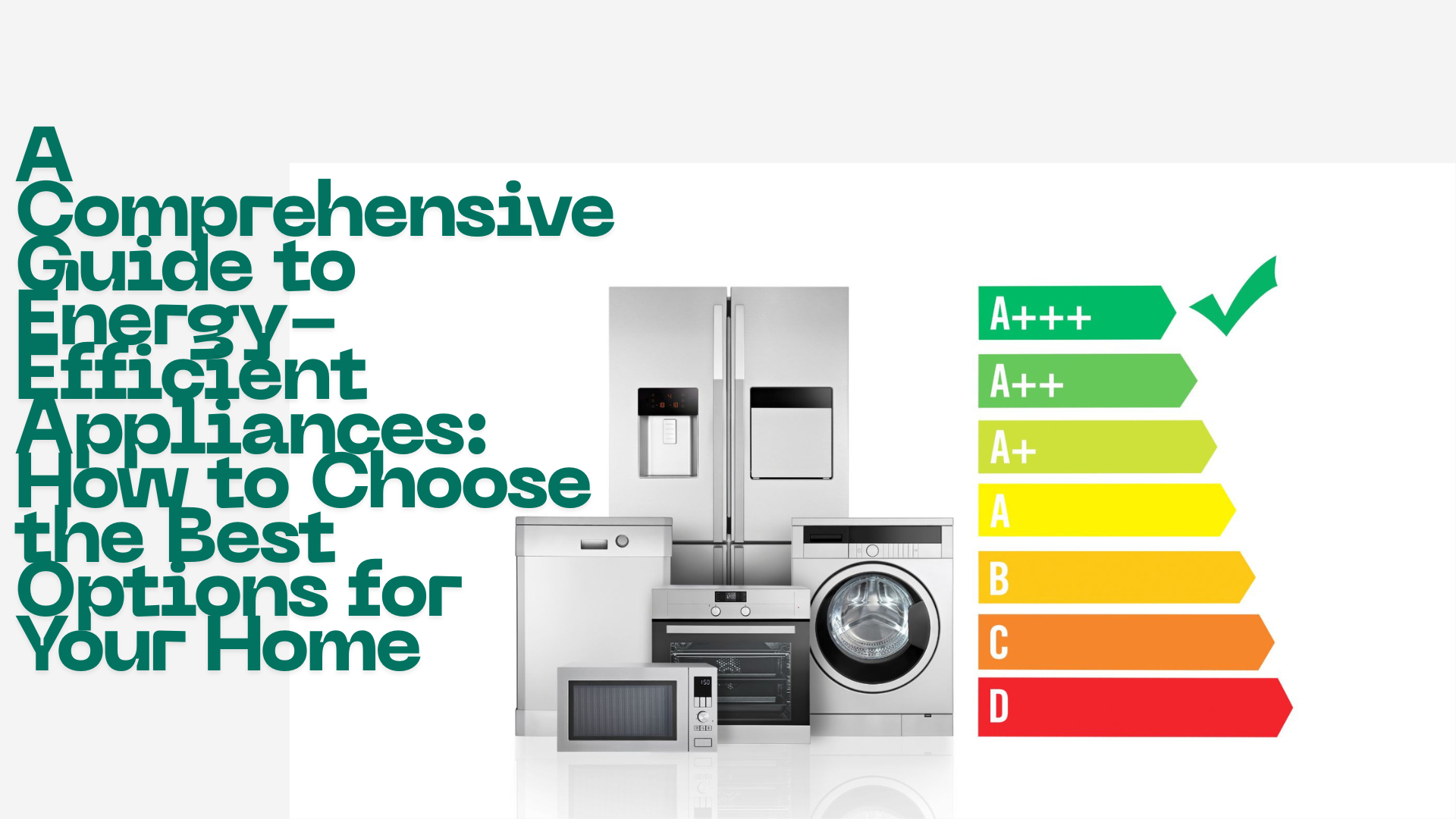

Cut Your Energy Bills: How to Choose the Most Efficient Home Appliances
Energy-efficient models do two big things: they trim ongoing utility costs and reduce your home’s environmental footprint. But efficiency isn’t just a badge—it’s a set of design choices (motors, insulation, heat pumps, sensors) that, over a product’s lifetime, can save hundreds of dollars and a surprising amount of water. Choosing well also means fewer nuisances: quieter cycles, better temperature stability, and smarter diagnostics.
Note: Appliance Rescue does not offer repair services. Instead, they publish expert guides, appliance tips, and troubleshooting advice to help you buy and use appliances with confidence.
How to read the labels (so the numbers make sense)
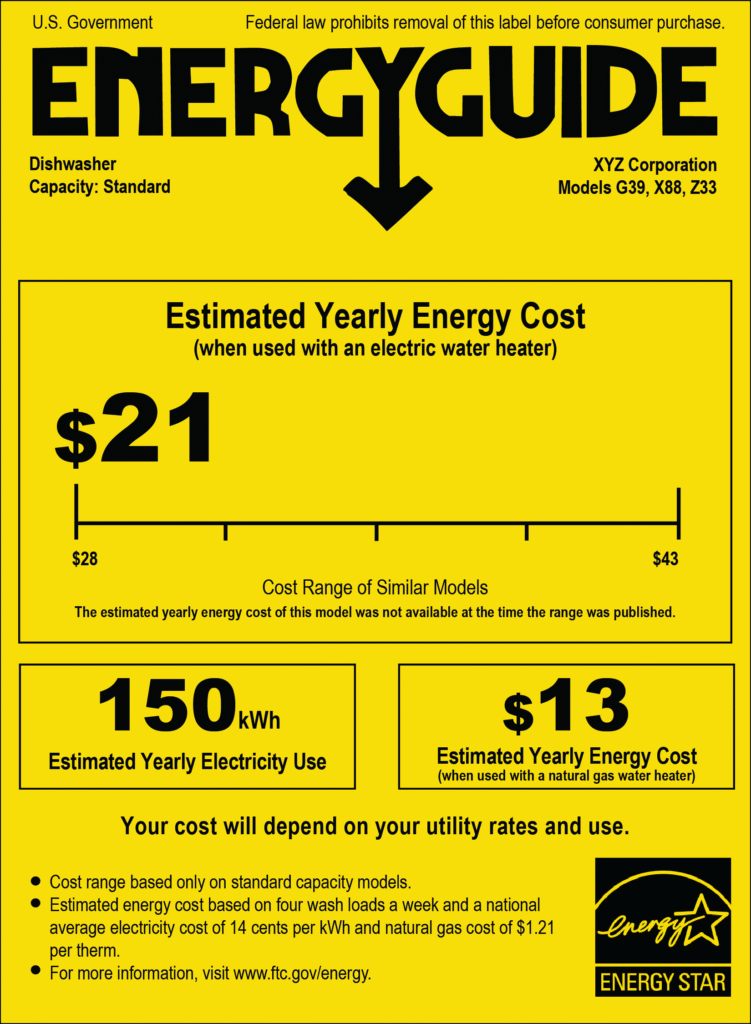
ENERGY STAR® certification. Models that earn this mark meet efficiency thresholds set for their category. A certified dishwasher or refrigerator isn’t just “good”—it’s measurably better than a baseline model.
EnerGuide (Canada) / EnergyGuide (U.S.). The yellow label shows estimated annual energy use (kWh/year) and sometimes a comparison range for similar products. Lower kWh/year usually means lower operating cost—assuming similar capacity and features.
Category-specific metrics to know:
- Refrigerators & freezers: kWh/year; look for better insulation and variable-speed compressors.
- Washers: Integrated Modified Energy Factor (IMEF) and water factor; front-load or high-efficiency top-load use less water.
- Dryers: Combined Energy Factor (CEF); heat-pump dryers are the efficiency champs.
- Dishwashers: kWh/cycle and liters per cycle; soil sensors help.
- Air conditioners & heat pumps: SEER2/CEER/HSPF2; inverter/variable-speed tech outperforms fixed-speed.
- Induction ranges: Not a label per se, but induction transfers energy more efficiently to cookware than coil or gas.
The three-step method for comparing any two models
- Right-size first. Oversized units cost more to buy and run. A 24" dishwasher may be smarter than a 30" behemoth if you’re a two-person household.
- Compare annual kWh (and water, when relevant). Keep the capacity similar while comparing.
- Calculate the total cost of ownership (TCO).
- TCO = Purchase price + (Years × Annual energy cost) + (Years × Annual water cost, if applicable)
- Annual energy cost = kWh/year × electricity rate
- Example: If Model A uses 300 kWh/year and the power is $0.18/kWh, the energy cost ≈ is 300 × 0.18 = $54/year. Over 10 years, that’s $540—a meaningful number to fold into the decision.
Room-by-room buying guidance
Kitchen
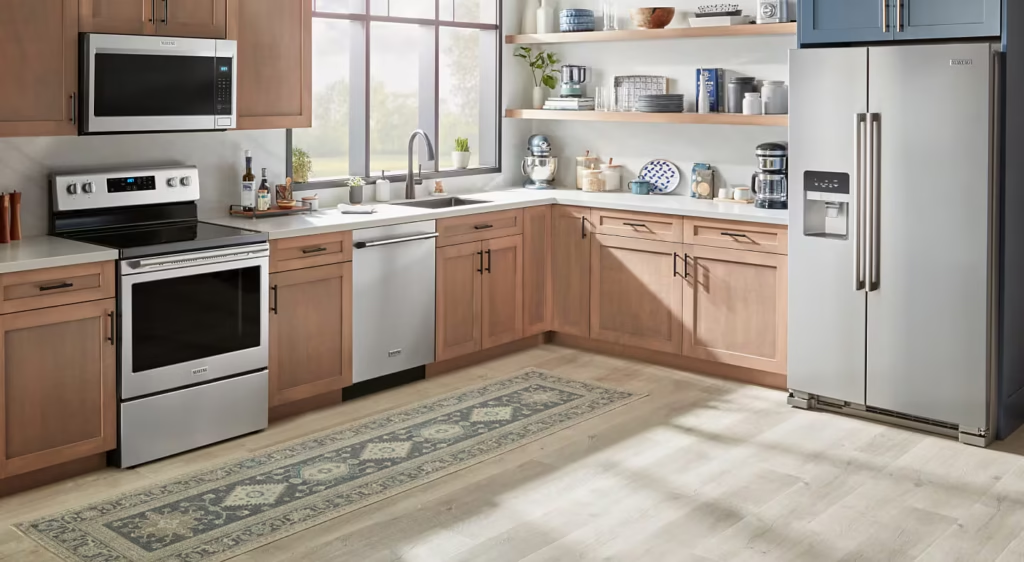
Refrigerators
- Choose top-freezer or bottom-freezer for best efficiency; French-door units are convenient but can use more energy unless they’re top-tier efficient.
- Look for variable-speed compressors, vacuum panel insulation, and tight door gaskets.
- Skip through-the-door ice/water if efficiency is your top priority—they often add standby loads.
Dishwashers
- Soil sensors and auto cycles save both water and power.
- A stainless tub retains heat better for efficient drying.
- If you run partial loads, make sure half-load or zone options actually reduce water use (some don’t).
Ranges & Cooktops
- Induction heats pans directly, cutting wasted heat and improving indoor air quality.
- Check for low-power simmer control—continuous fine control prevents energy-wasting overshoots.
Laundry
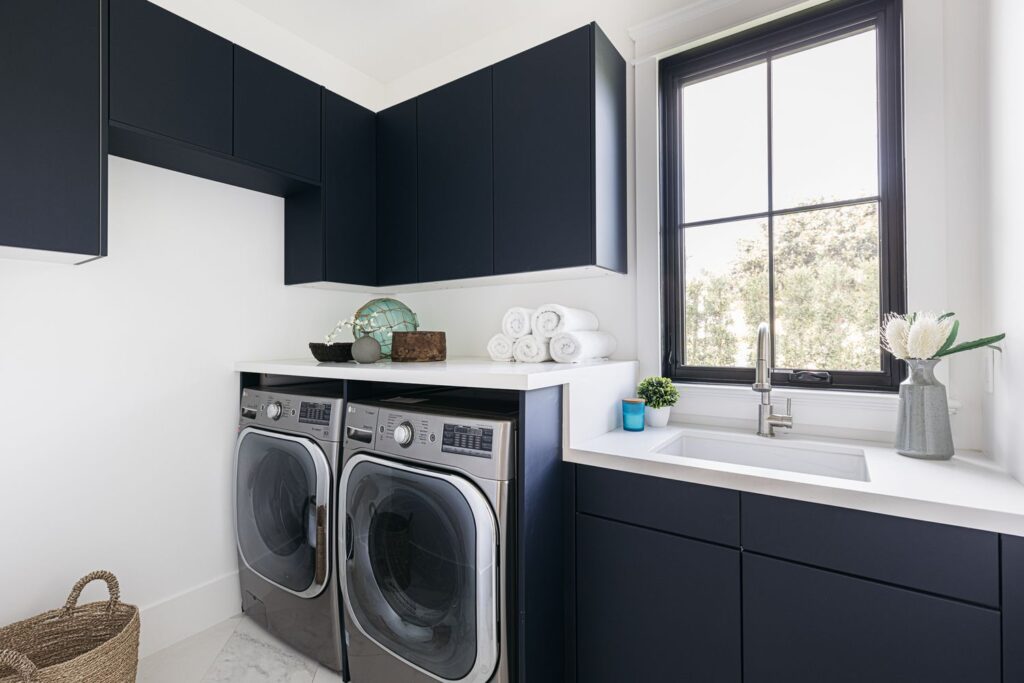
Washing machines
- Front-load models generally use less water and energy and are gentler on clothes.
- Look for 15–20-minute quick cycles and load-sensing fill.
- Spin speed matters: higher RPM reduces dryer time (and cost).
Dryers
- Heat-pump dryers use 25–50% less energy than conventional vented units and don’t require exterior venting (great for condos).
- If you prefer vented, choose models with moisture sensors over timer-only operation.
Comfort & Climate
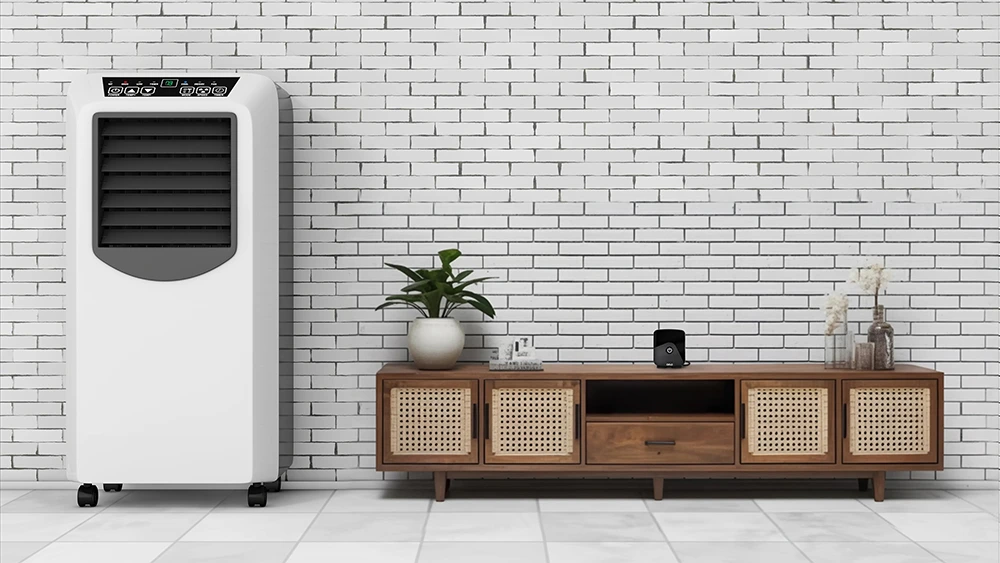
Room A/Cs & Portable units
- Inverter or variable-speed compressors avoid the wasteful on/off cycling of fixed-speed models.
- For window units, CEER beats old EER ratings; higher numbers are better.
Heat pumps (whole-home)
- Cold-climate models maintain efficiency at low outdoor temperatures thanks to advanced compressors and refrigerants.
- Right-sizing and duct sealing are as important as the equipment itself.
Smart features that actually save energy (and which to ignore)
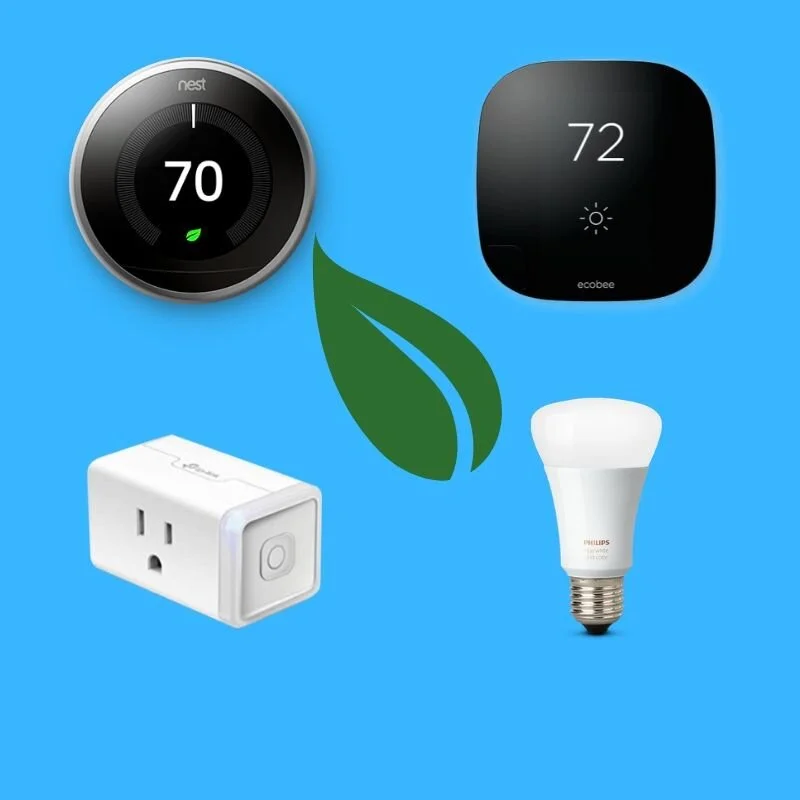
Worth it
- Load sensors (washer, dishwasher): Trim water and time automatically.
- Adaptive defrost (fridges): Runs defrost only when needed.
- Eco/energy-saver modes (dishwashers, A/Cs): If they reduce temperature or extend cycles to cut power, they’re useful.
Maybe not
- Always-on displays, bright lighting, and gratuitous Wi-Fi can add small standby loads. If you’ll never use the app, disable Wi-Fi after setup.
Installation and setup: small choices, big payoffs

- Level and clearance: A fridge that can breathe (proper rear/side clearance) uses less energy.
- Venting: Short, smooth dryer ducts with few bends reduce run time.
- Hot water supply: For dishwashers, ensure the supply is genuinely hot; otherwise, the machine spends extra time and energy heating.
Use and maintenance habits that keep efficiency high
- Refrigerator: Keep it ~3–4 °C (37–40 °F); freezer at −18 °C (0 °F). Clean condenser coils twice a year.
- Dishwasher: Don’t pre-rinse—modern detergents need some soil to activate.
- Washer: Use high-spin; clean the filter and run a monthly maintenance cycle.
- Dryer: Clean the lint screen every load; deep-clean the vent annually.
- A/C: Rinse or replace filters every 1–3 months.
When to replace vs. repair (the efficiency angle)
If a major appliance is 12–15 years old (8–10 for refrigerators working hard), a modern high-efficiency replacement often beats repair when you include operating costs, quieter performance, and features like moisture-sensing. That said, a simple fix (door gasket, thermostat, clogged vent) can restore efficiency for a fraction of the price—worth diagnosing before you retire a unit.
Quick checklists before you buy
Store checklist
- Compare kWh/year at similar capacities.
- Open/close doors: look for solid seals and smooth slides—leaks waste energy.
- Noise ratings matter if your kitchen or laundry is near living spaces.
Online checklist
- Filter for ENERGY STAR and sort by annual kWh.
- Read owner reviews for complaints about cycle times or drying performance (long cycles can erase savings).
- Confirm the dimensions (especially depth with doors/hoses) to avoid ventilation pinch points.
Budgeting and rebates
- Consider the price delta between the efficient model and the standard one. If the delta is less than your 10-year energy savings, you’re likely ahead.
- Look for utility rebates and tax incentives for heat pumps, induction ranges, or smart thermostats; these can erase much of the upfront premium.
- Ask retailers about haul-away recycling programs—responsible disposal keeps old, inefficient units off the grid.
The bottom line
Choosing energy-efficient appliances is less about chasing a single badge and more about balancing capacity, verified labels, and lifetime cost. Start by right-sizing, comparing kWh/year at like-for-like capacities, and running a quick TCO calculation. Then install thoughtfully and maintain lightly; those habits lock in the savings you paid for. For more expert how-tos, buying tips, and troubleshooting—not repair—check out Appliance Rescue.