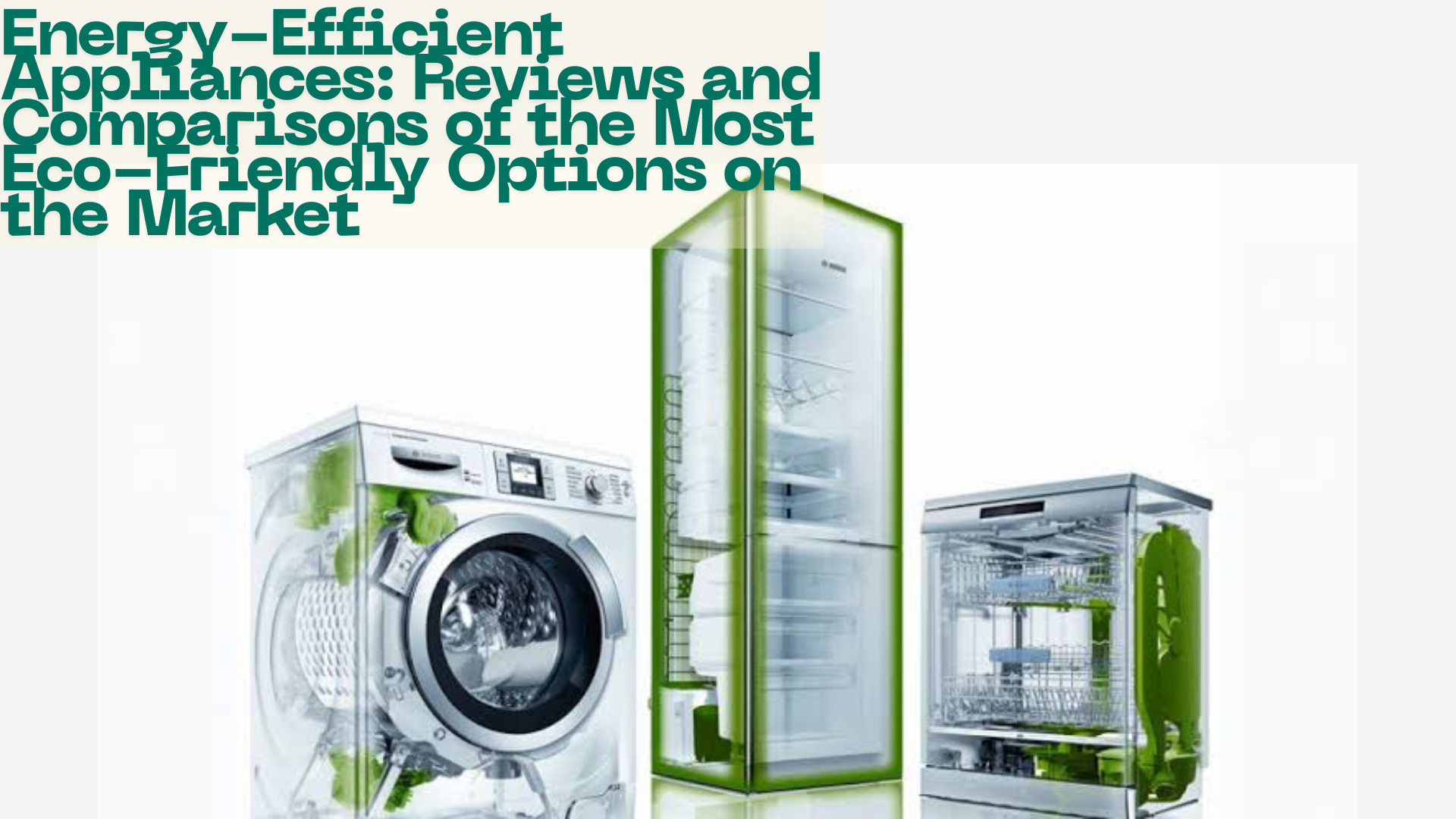

Eco-Friendly Appliances Compared: Which Models Cut Your Energy Bills Most?
Modern appliances can shrink your utility bills and your carbon footprint—if you know what to look for. This guide walks through the most energy-efficient appliances category (refrigerators, washers, dryers, dishwashers, ranges and cooktops, microwaves, and small appliances), explains how to compare models, and highlights features that deliver real-world savings. At the end, you’ll find a quick decision framework so you can match eco-friendly options to your budget, lifestyle, and space.
Note: Appliance Rescue does not offer repair services. They publish Expert Guides, Appliance Tips, and Troubleshooting Advice to help you choose and use appliances wisely. Have a question? Contact us.
How to Compare “Efficiency” Without Getting Lost in the Specs
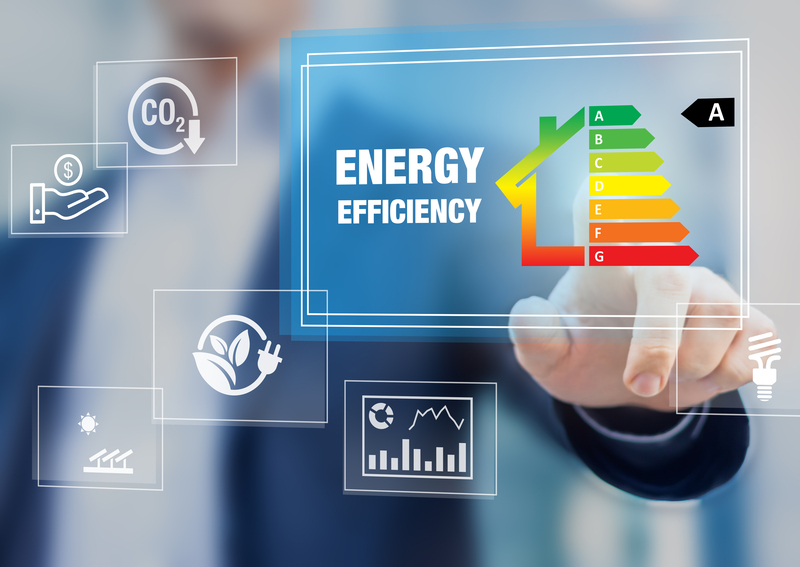
1) Look for trusted labels and metrics
- Energy Star® certification: A quick, verified signal that a model is among the most efficient in its class.
- kWh per year (refrigerators & freezers): Lower is better; compare within the same size and style.
- Integrated energy factor (washers/dishwashers) or water-use per cycle: Tells you how much electricity and water are used for a standardized load.
- Combined energy factor (dryers): Heat-pump dryers usually lead here.
- Induction vs. gas/electric (cooktops): Induction wins on efficiency and indoor air quality.
2) Prioritize features that reduce waste automatically
- Inverter/variable-speed compressors and motors: Run at the speed needed instead of cycling on/off—big efficiency and durability gains.
- Eco/Auto cycles with soil or humidity sensors: Prevent over-washing, over-drying, and over-heating.
- Load-sensing and half-load options: Use just enough water and energy.
- Door alarms and vacation modes (fridges), drum speed optimization (washers), heat pump or hybrid modes (dryers).
3) Match the appliance to your household reality
- Family of five? A “super-efficient” compact unit that forces extra cycles isn’t efficient for you.
- Small condo? A 36-inch French-door fridge may waste space—and power—cooling empty shelves.
- Time matters: Quicker induction boils and heat-pump drying at lower temps can save energy and wear on fabrics.
Category Reviews & What to Consider
Refrigerators: Inverter Compressors and Thoughtful Design
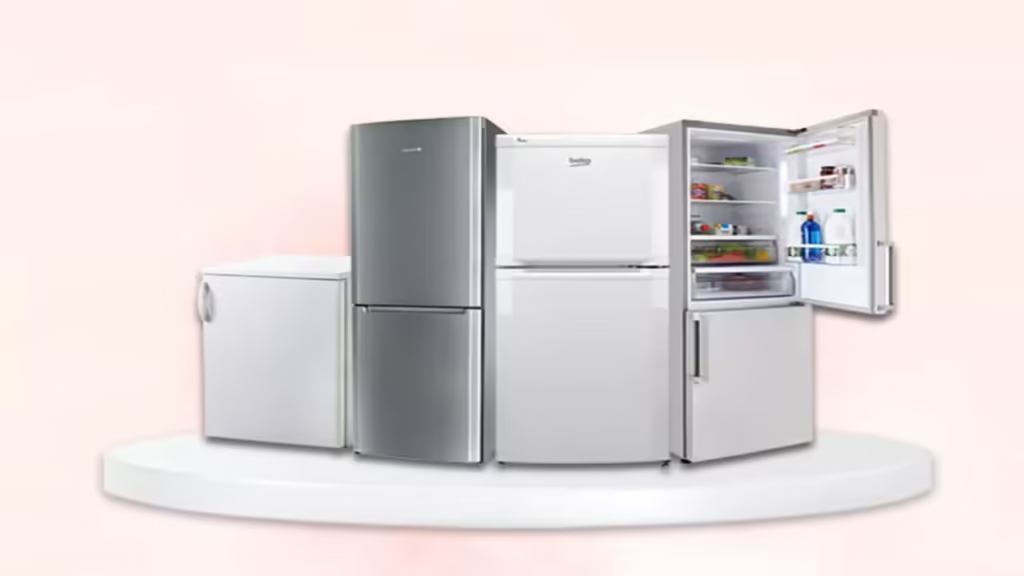
Why this category matters: Fridges run 24/7, so small differences in kWh/year add up fast.
Most efficient types: Top-freezer and 24–30" bottom-freezer models often beat large French-door units on raw kWh, simply because they’re smaller. Within any style, models with inverter compressors, better door seals, LED lighting, and metal-backed interiors (for better cooling retention) usually perform best.
Smart picks:
- Choose the smallest capacity that fits your household.
- Prefer inverter compressor + clear kWh/year disclosure on the label.
- Skip always-on ice makers or beverage chillers if you rarely use them.
Real-world tip: Keep coils clean and leave airflow space behind/around the unit. That “free” maintenance improves efficiency year-round.
Washing Machines: Front-Loaders Lead, but High-Efficiency Top-Loaders Are Competitive

Why this category matters: Washers drive both electricity and water use.
Most efficient type: Front-load washers typically use less water and extract more water at higher spin speeds, which reduces dryer time (a two-appliance efficiency win).
Features to favor:
- Auto-dose dispensers to avoid over-soap (over-sudsing = more rinses).
- Allergen/steam options that can sanitize at lower temps.
- Drum clean cycles to maintain performance.
When a top-loader makes sense: If you want simpler maintenance and shorter cycles, opt for an HE top-loader with an impeller, not an agitator, plus load-sensing and Eco cycles.
Dryers: Heat-Pump Is the Efficiency Champion
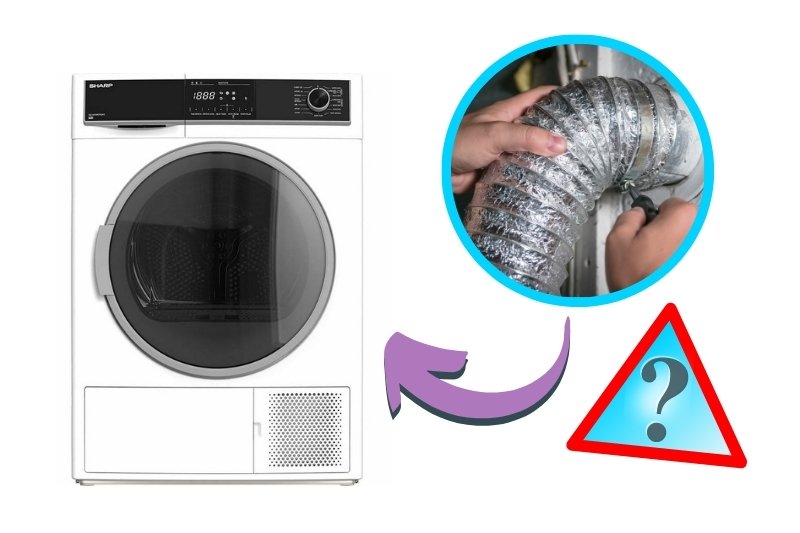
Why this category matters: Traditional vented dryers are electricity hogs.
Best choice for efficiency: Heat-pump dryers. They recycle heat, use lower temperatures, and are gentler on fabrics. Many are ventless, which is great for apartments or cold climates where venting is tricky.
What to check:
- Capacity that matches your washer (to avoid two runs).
- Auto-sensing moisture controls.
- Filter and condenser access—you’ll need to clean these regularly for peak performance.
Side benefit: Lower heat = less shrinkage and color fading, so clothes last longer (consumption is a sustainability issue, too).
Dishwashers: Sensors and Smart Drying
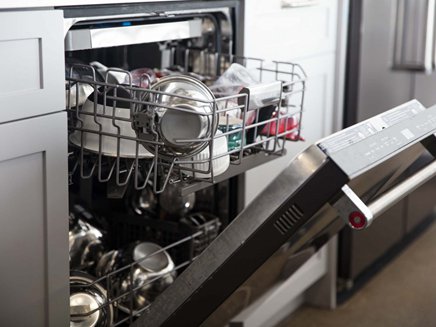
Why this category matters: Dishwashers can be more efficient than hand-washing—if you let them do the work.
Efficiency boosters:
- Soil sensors and Auto cycles.
- Condensation or zeolite-based drying (no exposed heating element).
- Half-load or top-rack options for small runs.
- Filter-based (not hard-food disposer) systems to reduce noise and energy.
Pro tip: Skip pre-rinsing. Just scrape solids; modern machines expect a bit of soil for their sensors to work correctly.
Ranges & Cooktops: Induction for Speed, Precision, and Savings
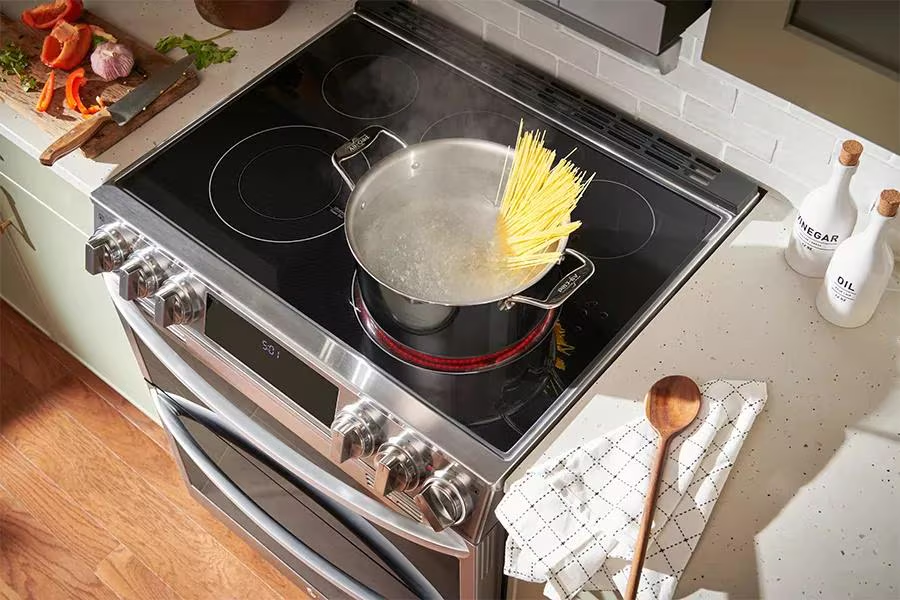
Why this category matters: Cooking is a daily task where small efficiency gains accumulate.
Why induction wins:
- 90%+ energy transfer to the pan, very little heat wasted to the room.
- Boils water faster than gas or radiant electric.
- Cooler kitchen and better indoor air quality (no combustion byproducts).
What to look for: - Bridge elements for griddles, auto-sizing coils, low-temp precision for simmering, and child locks.
- If you’re moving from gas, budget for compatible cookware (a magnet should stick firmly to the pan bottom).
Microwaves & Small Appliances: Quiet Efficiency Wins
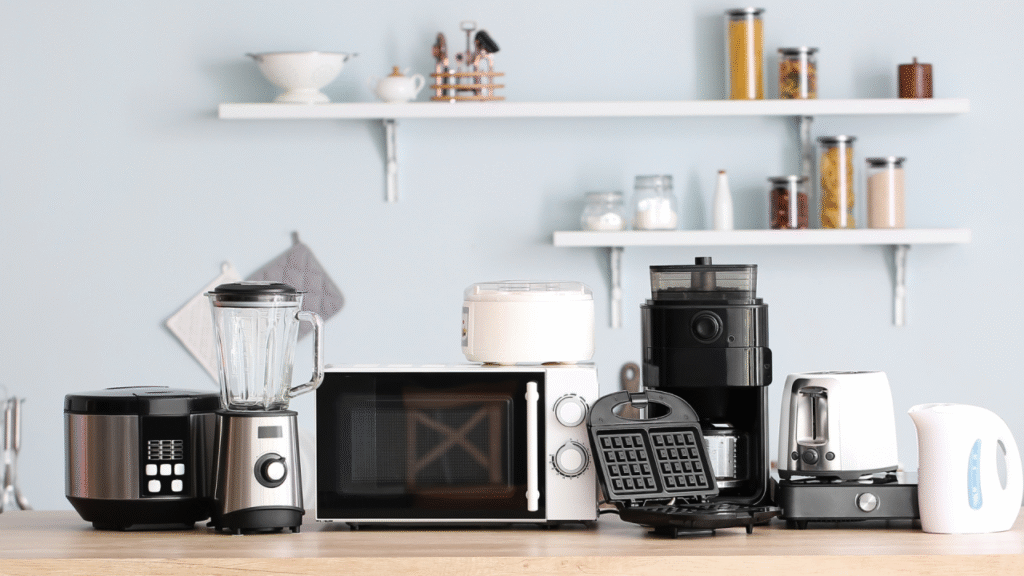
Microwaves: For reheating and many cooking tasks, a microwave uses far less energy than an oven. Look for inverter microwaves for precise low-power cooking (less overcooking = less food waste).
Toaster ovens / air-fryers: Great for small batches; heating a small cavity is far cheaper than firing up a full oven.
Electric kettles: Variable-temperature models prevent repeatedly boiling water to 100°C when you only need 80–90°C for tea or pour-over coffee.
Robot vacuums/stick vacs: High-efficiency brushless motors and Eco modes stretch runtime and cut charging needs. Bonus: Routine cleaning improves HVAC efficiency by keeping dust down.
Side-by-Side Comparisons: What Delivers the Biggest Savings?

Biggest energy cut, single purchase: Heat-pump dryer (vs. old electric vented) or induction cooktop (especially if you often cook).
Best long-term, always-on savings: A right-sized fridge with an inverter compressor.
Best “two-appliance” synergy: Front-load washer + heat-pump dryer—the washer’s higher spin speed reduces dryer time dramatically.
Best rental-friendly upgrade: Induction hotplate or countertop convection oven to avoid using an inefficient full-size oven for small meals.
Best low-cost wins: LED bulbs, smart plugs for truly cutting “standby” power, and diligent gasket/vent cleaning on existing appliances.
Buying Checklist (Print-Friendly)

- Confirm fit (width/height/depth, door swing, vent path, breaker rating).
- Read the energy label (kWh/year or efficiency factor) and compare within the same size class.
- Prioritize inverter/variable-speed components and auto-sensing cycles.
- Match capacity to household size to avoid partial loads.
- Check maintenance access (filters, coils, condenser, drain traps).
- Confirm noise levels (dBA on dishwashers/washers if you have an open plan).
- Plan cookware if moving to induction; test with a magnet now.
- Total cost of ownership: purchase price + estimated energy/water use + expected lifespan.
Using What You Buy: Small Habits, Big Impact
- Cold-wash by default; reserve hot cycles for sanitation or heavy soil.
- Air-dry dishes by disabling heated-dry or opening the door at cycle end.
- Run full loads and use delay-start to align with off-peak hours if your utility offers time-of-use rates.
- Keep seals clean (fridge, dishwasher) and clear lint/filters (dryer, dishwasher) monthly.
- Stash a watt-meter for a week to reveal surprising standby draws.
Quick Picks by Scenario (No Brands, Just Traits to Target)
- Small apartment, 1–2 people: 24–30" top-freezer or bottom-freezer fridge (inverter), compact front-load washer, ventless heat-pump dryer, 18" dishwasher with Auto cycle, two-zone induction hob.
- Family home, 4–5 people: 30–33" bottom-freezer or French-door fridge (inverter, door alarms), full-size front-load washer with high spin, full-size heat-pump dryer, dishwasher with soil sensor + condensation dry, 30" induction range.
- Budget refresh: Keep your existing fridge but clean coils & fix gaskets, add a countertop convection/air-fryer, choose an HE top-load washer, and switch your dryer later to a heat-pump model.
- Electrify for air quality: All-induction cooking, heat-pump dryer, and diligent range hood use (even with induction) to remove steam/particles.
Where to Learn More and Get Hands-On Tips

For step-by-step checklists, troubleshooting, and practical how-tos, visit Appliance Rescue. If you’d like guidance on choosing between two models or setting up an efficient laundry routine, Contact us—they’ll point you to the right expert guides. Again, they do not provide repair services; their focus is education and DIY-friendly advice.
The Bottom Line
If you want the quickest, most tangible energy savings without compromising on comfort, combine a front-load washer, a heat-pump dryer, a right-sized inverter fridge, and switch cooking to induction. Add smart usage habits and regular maintenance, and you’ll capture most of the available efficiency gains—without getting lost in alphabet soup and spec sheets.