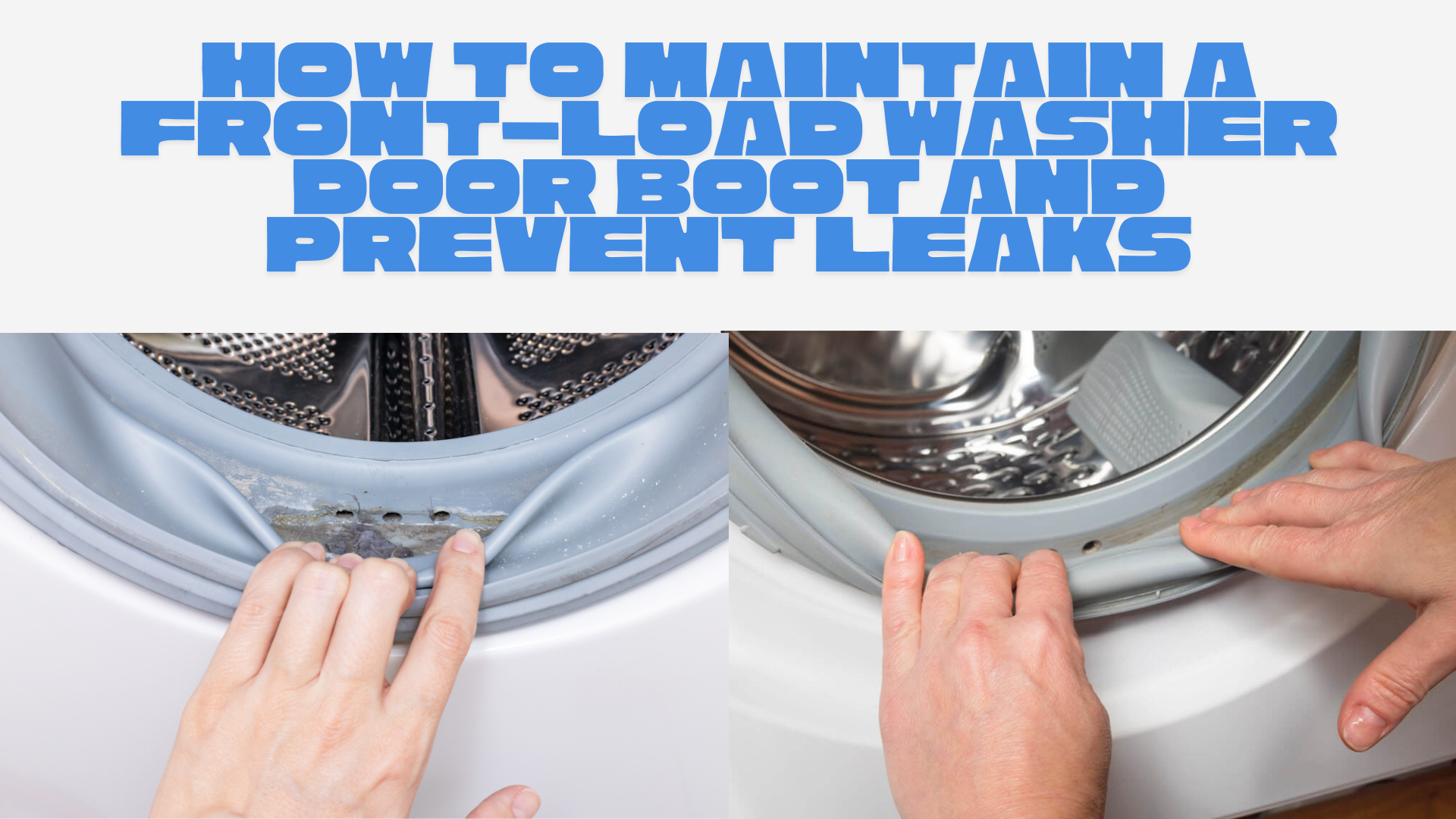

How to Maintain a Front-Load Washer Door Boot and Prevent Leaks
Front-load washer is great at saving water and treating fabrics gently—but its rubber door boot (also called a gasket or bellow) needs a little routine care. When it’s neglected, that flexible seal can collect grime, trap moisture, and eventually crack or leak. The good news: with a few quick habits and periodic deep cleans, you can extend the life of the boot, keep odors at bay, and avoid puddles on laundry day.
Note: Appliance Rescue does not provide repair services. The site focuses on expert guides, appliance tips, and troubleshooting advice.
What the Door Boot Does—and Why It Leaks
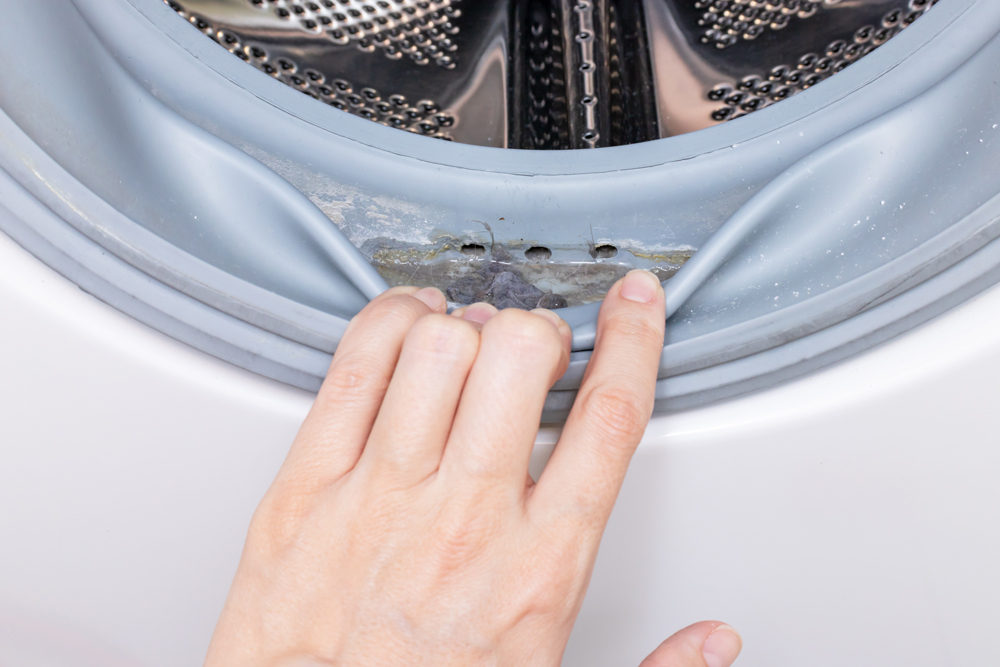
The door boot is the large, pliable rubber ring that seals the gap between the tub and the door. Its job is to keep water in while allowing the drum to spin freely. Leaks usually trace back to one (or a mix) of these:
- Residue buildup: Detergent, fabric softener, and lint form a film that traps moisture and feeds mildew.
- Blocked drain/weep holes: Small channels molded into the boot return water to the tub. When clogged, water pools and may spill out.
- Damage or misloading: Zippers, bra underwires, coins, and overstuffed loads can nick or deform the boot.
- Detergent issues: Too much or the wrong type (non-HE) creates excess suds that creep past seals and leave residue.
- Aging rubber: UV exposure, harsh chemicals, and hot cycles without maintenance can stiffen and crack the boot.
Daily (or Every-Use) Habits That Protect the Boot

1) Empty Pockets and Use Small-Item Bags
Loose objects are the boot’s worst enemy. Place delicate or hardware-heavy items (bras, embellished tops) in zippered mesh bags to avoid snags.
2) Load Like a Pro
Fill the drum loosely—about ¾ full—so clothes can tumble. Overloading drags fabric against the boot, stressing the seal and wearing grooves into the lip.
3) Wipe the Boot After Damp Loads
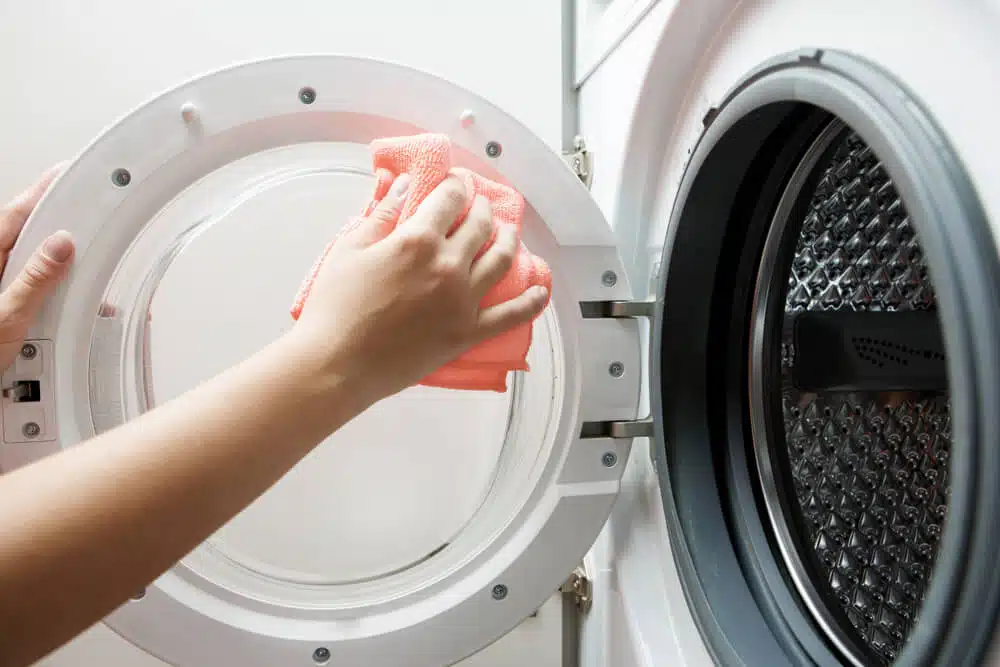
Keep a small microfiber cloth near the washer. After cycles that leave visible moisture, wipe the inner folds. It takes 10 seconds and pays off.
4) Prop the Door (and Dispenser) Open
Airflow is free mold control. Leave the door ajar between washes and extend the dispenser drawer an inch to help everything dry.
5) Use the Right Detergent, the Right Amount
Choose HE-rated detergent for HE machines. Start with the manufacturer’s “normal soil” dose—often much less than you think—and reduce if you see lingering suds.
Monthly Deep Clean: Step-by-Step

A simple, gentle routine prevents odors and preserves rubber. Plan this once a month (or more often in humid homes or heavy use).
What you need
- Microfiber cloths or a soft sponge
- A soft brush (an old toothbrush works)
- Mild dish soap solution (warm water + a few drops)
- Optional: diluted bleach (1 tbsp regular, unscented bleach in 1 liter of water) or white vinegar solution (1:1 with water) for odor/mildew areas
- Nitrile gloves (if using bleach)
Steps
- Power off & open the door. Pull the boot lip gently toward you to expose inner folds—work slowly to avoid stretching.
- Remove debris you can see (hair ties, grit). Check the small drain/weep holes at the 6 o’clock position; clear with the soft brush.
- Soap wash. Dampen the cloth with the mild soap solution and wipe the entire boot front, inner folds, and glass contact area.
- Spot treat.
- For musty areas, use the vinegar solution on a cloth; let it sit 3–5 minutes, then wipe.
- For visible mildew staining, use the diluted bleach on a cloth; contact time 5 minutes. Do not mix bleach and vinegar. Rinse thoroughly with a water-damp cloth.
- Rinse & dry. Wipe with a clean, water-damp cloth to remove residues, then dry fully with a towel.
- Run a Maintenance Cycle (optional). Many machines offer a “tub clean” or hottest cycle with no laundry. Add either manufacturer-approved cleaner or 1–2 cups of white vinegar to the drum (not both with bleach). This helps purge residues beyond the boot.
Important: Avoid harsh solvents (acetone, paint thinner), petroleum-based products, abrasive pads, or powdered cleansers on the boot. These can scratch or weaken rubber.
Mold & Odor Prevention (Beyond the Boot)
- Clean the dispenser monthly; residue there feeds the problem downstream.
- Use powder or liquid thoughtfully. Some households find powder leaves less film; others prefer liquid at reduced doses. Choose what rinses cleanest in your water hardness.
- Water hardness check. Hard water needs a touch more detergent, but soft water needs far less. If you see suds after the final rinse, you’re using too much.
- Warm or hot cycle occasionally. Cold-only washing can accumulate biofilm. A periodic warm or hot load (towels/sheets) helps keep the system cleaner.
Inspection Cues: Catch Problems Early
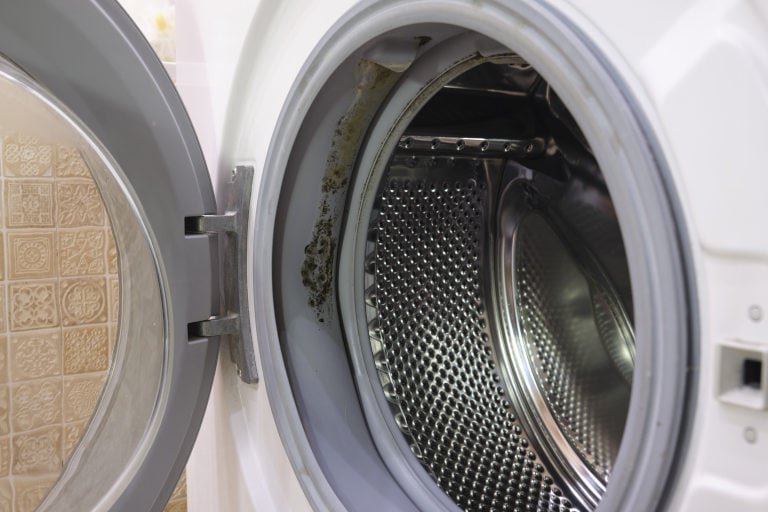
Every few weeks, give the boot a quick visual check:
- Surface cracks or shiny flat spots? Early wear from friction or age.
- Black dots that return quickly? Established mildew; increase cleaning frequency.
- Persistent dampness under the fold? Verify weep holes are clear.
- Loose feel or gaps at the tub or front panel? The boot may have slipped or a clamp has loosened (don’t force adjustments; note it and troubleshoot further).
Leak-Tracing Checklist (Before You Panic)
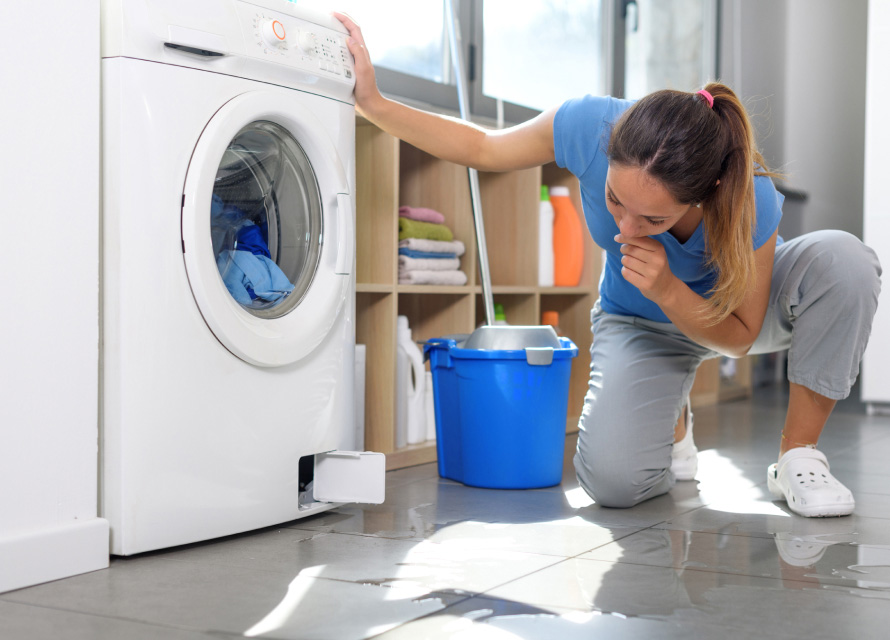
- Confirm the source: Start a short cycle and watch the door area; leaks from beneath the machine may be unrelated to the boot.
- Check weep holes: If water gathers at the bottom of the boot, clear the holes and re-test.
- Examine the door glass: Chips or detergent film can prevent a perfect seal—clean the glass ring where it meets the boot.
- Review loading habits: Bulky items pressed against the door can momentarily break the seal at spin.
- Look for nicks: Even a small cut can leak under spin pressure. If you find one, reduce use and schedule a replacement plan.
Myths & Mistakes to Avoid
- “More detergent cleans better.” More often, it creates sticky film that breeds odor and leaks.
- “Seal it with grease.” Most oils/greases attract grime and may degrade rubber. Skip “conditioners” unless the washer’s manual explicitly approves a product.
- “Bleach every week.” Overuse can prematurely age rubber. Reserve diluted bleach for visible mildew and rinse well.
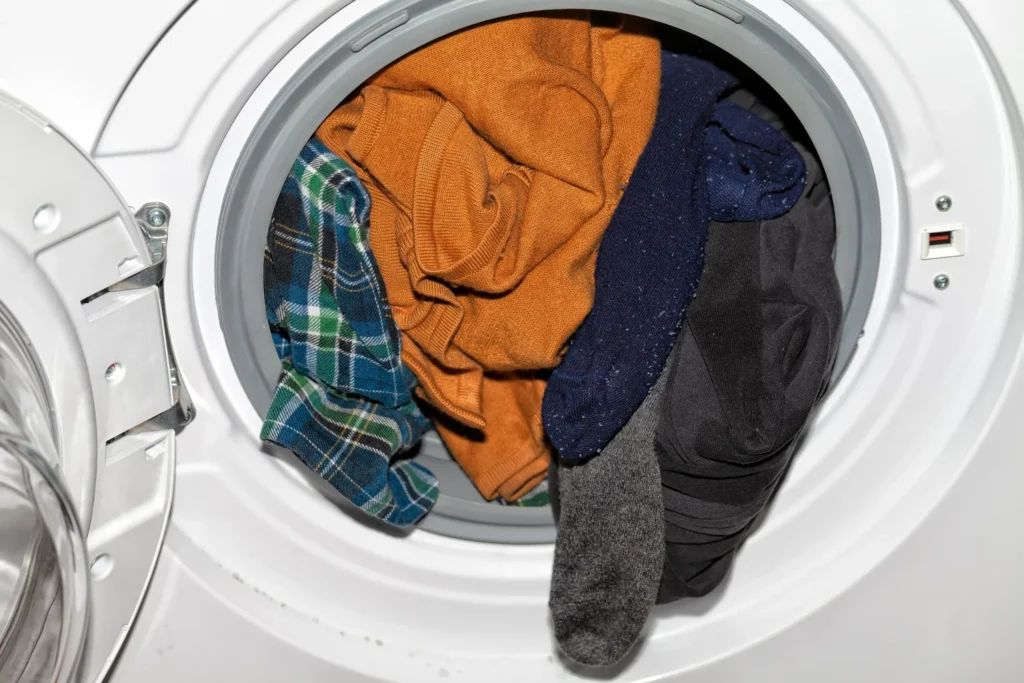
- “Stuff it full—it saves time.” Overloading accelerates wear and invites leaks during spin.
When the Door Boot Likely Needs Replacement
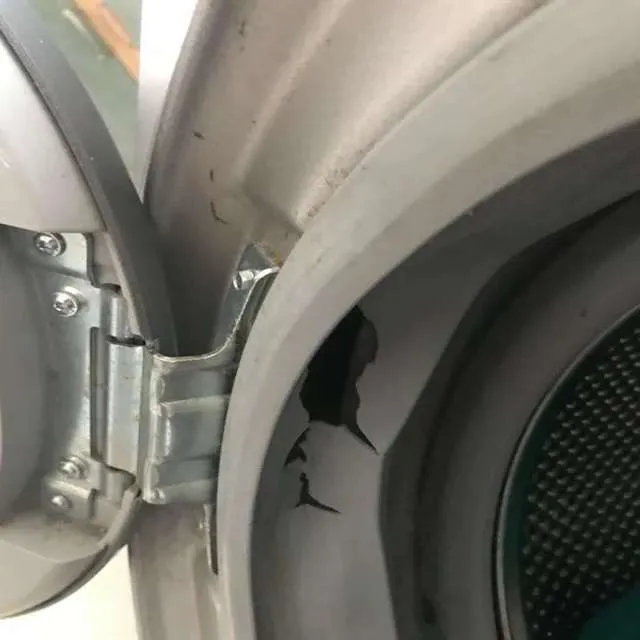
Even with perfect care, rubber ages. Consider replacement when you see:
- Tears, deep cracks, or missing chunks anywhere on the boot
- Chronic leaks after you’ve cleaned, cleared weep holes, and verified loading/detergent
- Persistent odors that return within days of a thorough cleaning
If you’re comfortable with DIY, many boots are user-replaceable with patience, proper clamps, and model-specific instructions. If not, consult a qualified technician.
Remember: Appliance Rescue shares Expert Guides, Appliance Tips, and Troubleshooting Advice—it does not offer repair services. For tailored guidance or article suggestions, feel free to Contact us.
Quick Maintenance Schedule (At-a-Glance)

- Every load: Empty pockets, use mesh bags, wipe boots if wet, door ajar to dry
- Weekly: Visual check; clear lint from boot lip and weep holes
- Monthly: Deep clean boot + dispenser; run tub clean/maintenance cycle
- Seasonally: Evaluate detergent dosing vs. water hardness; inspect for early wear
Bottom Line
A few tiny habits—wipe, air out, clear weep holes, and dose detergent properly—do most of the heavy lifting. Add a monthly deep clean and periodic hot cycle, and your front-load door boot will last longer, smell fresher, and keep water exactly where it belongs.
For more practical walk-throughs and checklists, explore Appliance Rescue. If you have suggestions for future guides or questions about this article, contact us.