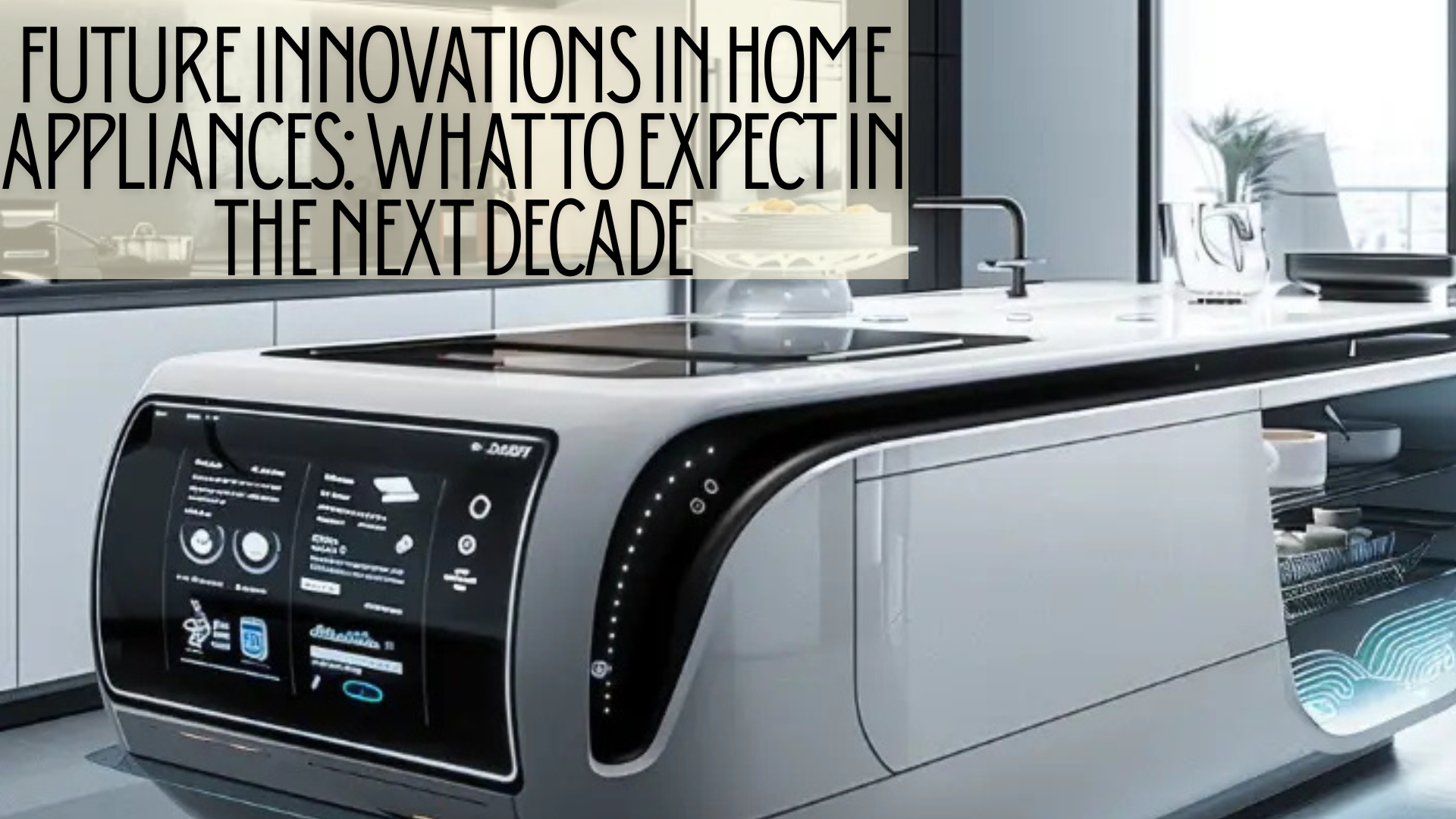

The Next Decade of Smart Home Appliances: Innovations That Will Transform Daily Life
The last decade nudged our kitchens and laundry rooms into the digital age. The next ten years will push them further—toward adaptive intelligence, ultra-efficient energy use, and designs that are easier to fix, upgrade, and eventually recycle. Below is a practical look at where home appliances are headed and how these shifts may change your day-to-day life (and utility bills).
Note: Appliance Rescue does not provide repair services. It offers expert guides, appliance tips, and troubleshooting advice to help you solve problems and make smarter purchase decisions.
1) Appliances that learn—then act
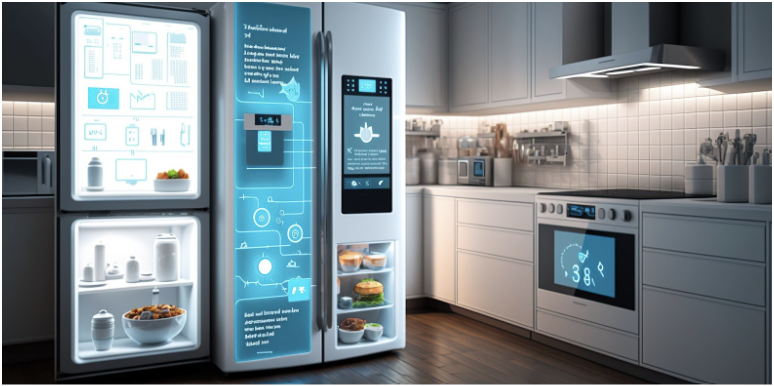
Early “smart” models mostly paired a phone app with a timer. Future systems will be context-aware and proactive:
- Adaptive cycles: Washers and dishwashers that sense soil levels and fabric types, then adjust water temperature, cycle length, and detergent dosing automatically.
- Food intelligence: Fridges that identify ingredients, track freshness windows, and suggest recipes—then pre-cool zones before you start meal prep to save energy during frequent door openings.
- Orchestration, not just control: Instead of you opening an app for each device, a home controller will coordinate appliances in the background—staggering cycles to cut peak costs or pausing a dryer when rooftop solar output dips behind a cloud.
Why it matters: Fewer settings to fuss with, better results, and small daily savings that compound over the years.
2) Energy, grid, and solar: your home as a tiny power plant
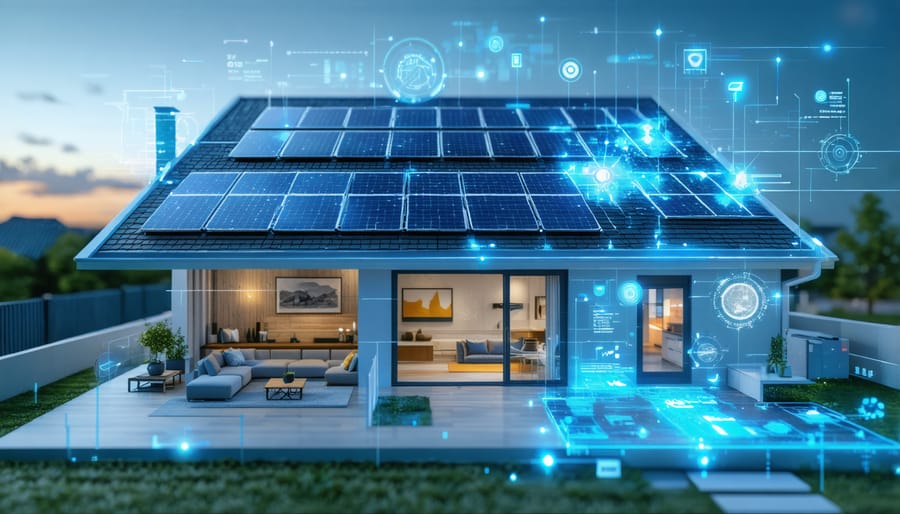
Electric utilities are shifting toward time-of-use pricing and demand response. New appliances will speak that language:
- Price-aware scheduling: Ovens and dryers that default to cheaper time windows—unless you override for “cook now” or “dry now.”
- Home energy dashboards: Real-time views of which devices use the most power, tied to recommendations (“Delay dishwasher 45 minutes to avoid a peak-rate period”).
- Vehicle-to-home and battery tie-ins: During outages, certain fridges and freezers may run from a home battery or EV for limited hours, prioritizing food safety.
Tip: When shopping, look for models that support demand response or energy-flex features; they pay off fastest in regions with price swings.
3) Sustainability moves from checkbox to backbone
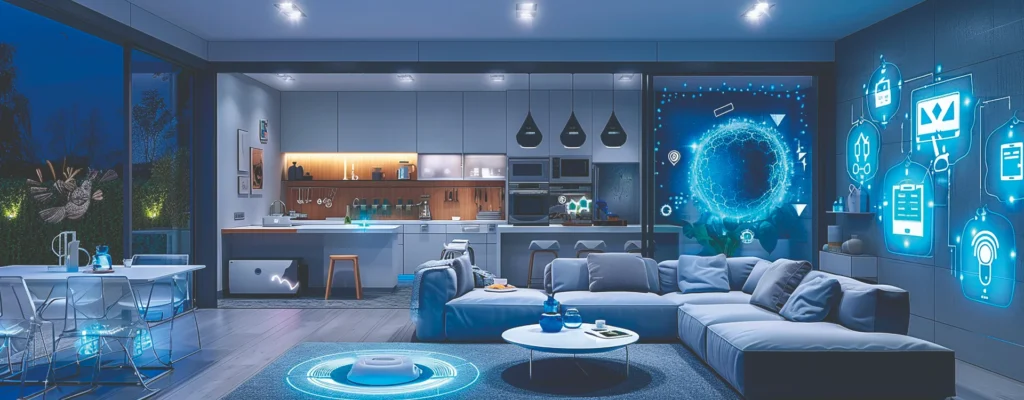
Sustainability will shape everything from materials to end-of-life:
- Modular, repair-friendly designs: Snap-in pumps, fans, and boards make repairs faster and cheaper while reducing waste.
- Refurbish and upgrade paths: Instead of replacing the whole appliance, you might swap a sensor module to gain new features.
- Lower-impact materials: Bio-based plastics in non-heat zones, recycled steel and aluminum, and foams with reduced global-warming potential.
This isn’t just feel-good engineering. Easier repairs extend product life, and extended life is the biggest sustainability lever most households control.
4) Quiet, clean, and precise: better living through motors and heat
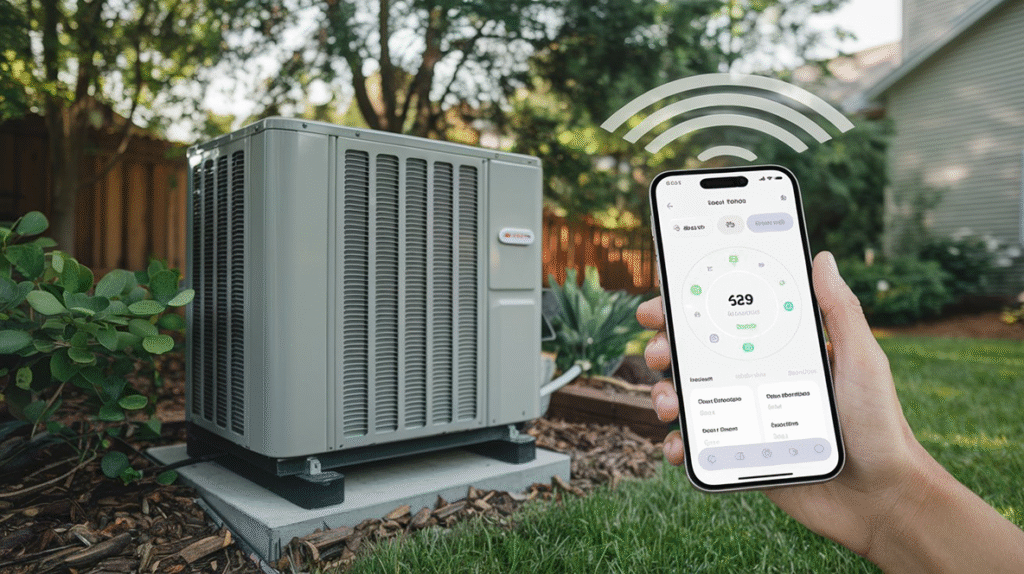
Expect a wave of performance bumps driven by core technologies:
- High-efficiency motors & compressors: Inverters and brushless designs mean tighter temperature control, less noise, and lower electricity use.
- Heat pump everything: From dryers to water heaters—and even some cooking aids—heat pumps move heat instead of generating it, slashing energy consumption.
- Induction maturity: Prices will keep dropping while control and safety improve—great for speed, indoor air quality, and precise simmering.
5) Robotics at home: more helpers, fewer chores

Robotic vacuums and mops are just the start:
- Navigation that doesn’t get stuck: 3D sensing and on-device AI will reduce “tangled in cords” moments and improve edge and corner cleaning.
- Task specialization: Window, grill, or range-hood cleaners may go mainstream, with docks that handle rinse water and self-maintenance.
- Micro-robotics in large appliances: Think auto-stirrers in ovens for even browning or tiny scrubbers in dishwashers that target baked-on corners.
6) Health, hygiene, and the “air you live in”
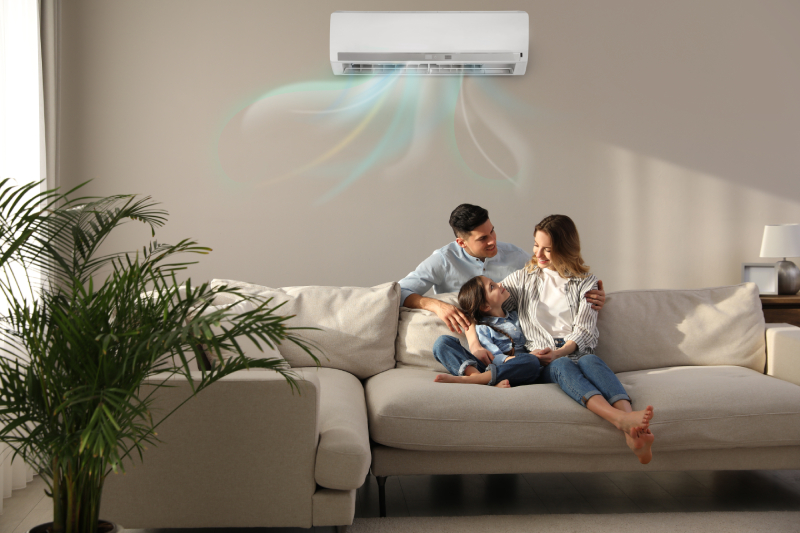
Appliances will pay more attention to what you breathe and touch:
- Smarter ventilation: Range hoods that sense pollutants and adjust airflow; some may link to induction hobs to anticipate spikes.
- Allergen-aware laundry: Cycles tuned for dust mites and pollens, with fabric-care profiles to avoid overheating sensitive textiles.
- Fridge food-safety cues: Alerts that prioritize high-risk foods and nudge you to consume soon—useful for households juggling kids’ lunches and leftovers.
7) Interoperability and privacy: the two non-negotiables

“Smart” only works if devices talk to each other—and keep your data safe:
- Standardized connectivity: Expect broader support for common home standards so brands can interoperate without fussy hubs.
- Local control first: More functions will run locally (no cloud round-trips) for reliability and privacy.
- Security by default: Auto-updates, unique device credentials, and clear data controls should become baseline, not premium extras.
Practical step: When comparing models, check for local-control options and transparent privacy settings—not just flashy app screenshots.
8) Form factors and UX: less clutter, more clarity
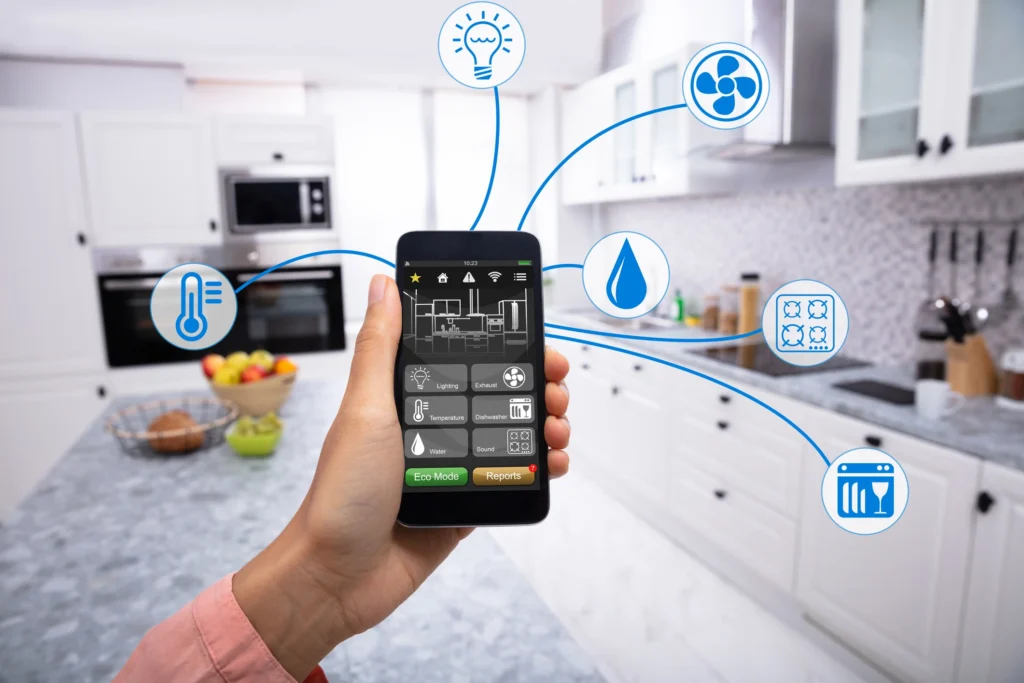
Good design will mean fewer buttons, not fewer options:
- Contextual interfaces: Controls that surface only what’s relevant—like a “quick dry” suggestion after the washer finishes.
- Accessible design: Larger text, higher-contrast displays, tactile cues, and voice prompts for users with low vision or mobility challenges.
- Space-savvy appliances: Narrower footprints for urban kitchens, modular columns for refrigeration, and stackable washer-dryer towers with shared brains.
9) What to look for when buying in the 2025–2035 window
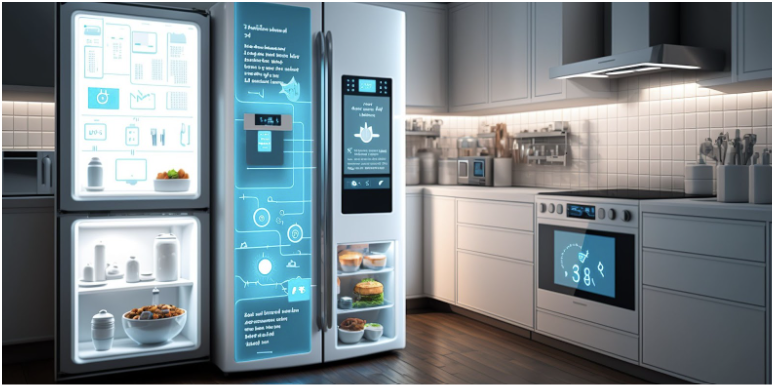
Use this checklist to future-proof your choices:
- Energy flexibility: Time-of-use scheduling or demand-response compatibility.
- Repairability: Access to parts, modular components, and clear service manuals.
- Longevity signals: Metal hinges, robust door gaskets, and serviceable filters.
- Local control & updates: Works without internet, plus reliable, transparent update policy.
- Noise & vibration: Check decibel ratings and real-world reviews for your floor type.
- Fit & airflow: Leave the clearances manufacturers require—efficiency and lifespan depend on it.
- Warranty + support: Read the fine print on electronics and sealed systems.
10) DIY smarts: learn, maintain, and troubleshoot with confidence

A little know-how goes a long way. Routine tasks—cleaning condenser coils, replacing water filters, leveling a washer—can prevent “mystery” failures and save energy. If you’re looking for step-by-step walkthroughs, buying guides, and everyday tips (again, not repair services), browse Appliance Rescue for practical, plain-English resources tailored to common household models and scenarios. Have a question or content suggestion? Contact us and share what you’d like to learn next.
Bottom line
The coming decade won’t just add more screens to appliances; it will make them quieter, thriftier, and easier to live with. Focus on energy flexibility, repair-friendly design, and honest interoperability. Pair those choices with simple maintenance and a bit of know-how, and your next fridge, washer, or range could serve you well for far longer than the last.