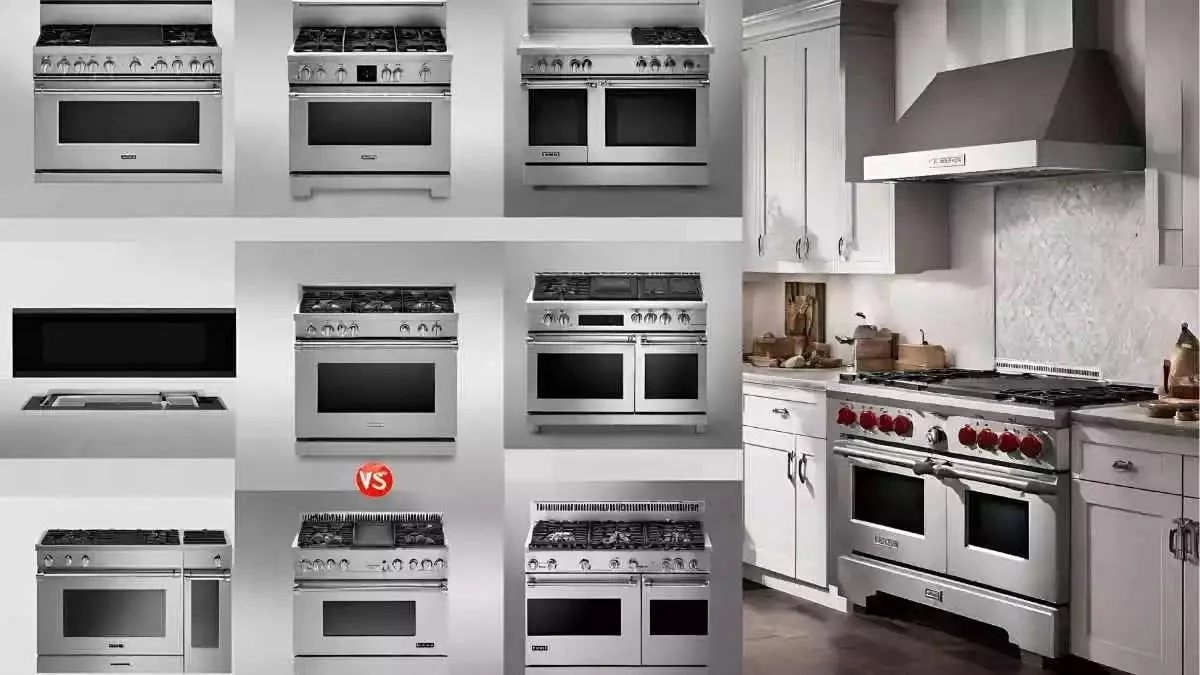

Guide to High-End Ranges: Wolf vs. Viking vs. Thermador
High-end, pro-style ranges are no longer just restaurant gear dressed up for home kitchens; they're the centerpiece of serious home cooking. Among the big names, three brands dominate most shortlists: Wolf, Viking, and Thermador. They all promise searing power, delicate simmering, and ovens that behave predictably. Yet they get there in different ways—burner design, oven engineering, control philosophy, and service ecosystems vary more than you might think.
Below is a practical, buyer-oriented comparison that stays focused on how these differences show up in everyday use.
TL;DR (Quick Takeaways)
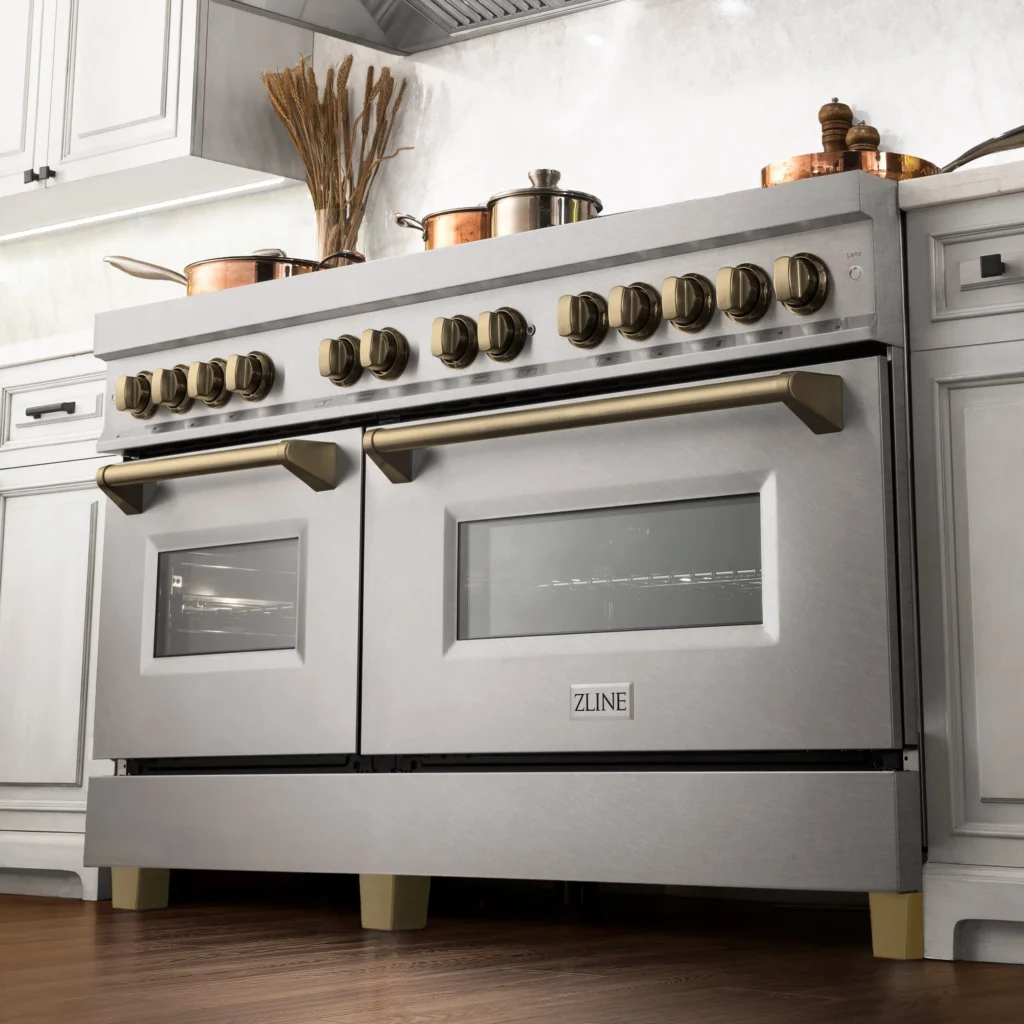
- If you value precision simmering and bulletproof controls, Wolf's dual-stacked sealed burners and tactile knobs are perennial favorites.
- If you love open-flame intensity and a classic pro look, Viking's open-burner heritage (with sealed options on some lines) brings serious heat and traditional styling.
- If you want clever tech and flexible cooking zones, Thermador's Star® burners, ExtraLow® simmer cycling, and feature-rich dual-fuel ovens offer versatility at competitive package pricing.
- Service matters as much as specs: Availability of nearby authorized service, parts, and dealer support can make or break long-term satisfaction—check this before you buy.
How to Use This Guide
- Pick your fuel and size first. Decide on gas vs. dual-fuel and the width you can accommodate (30", 36", 48", or 60").
- Match the heat profile to your cooking. Do you frequently sear, wok, and boil, or do you mostly simmer, sauce, and bake?
- Check service and parts locally. Warranty is only as helpful as your nearest authorized tech.
Burner Design & Everyday Cooking
Wolf
- Design: Dual-stacked sealed burners. The upper tier delivers high heat; the lower tier handles ultra-low simmer without moving the pot.
- Cooking feel: Exceptionally linear control from low to high. The sealed design contains spills and cleans more easily than open burners.
- Who it suits: Sauces, reductions, custards—anyone who needs a gentle, stable flame—and still wants serious high heat on demand.
Viking
- Design: Historically known for open burners on pro lines (with sealed options across certain series). Open burners can deliver very direct heat and classic pan contact; sealed burners are easier to clean.
- Cooking feel: Strong flame intensity and a traditional pro-range vibe. Some cooks prefer the responsiveness of open burners for wok cooking and fast sauté.
Thermador
- Design: Distinctive Star® sealed burners disperse flame over a wider area for more even pan heating.
- Signature feature: ExtraLow® simmer cycling that automatically pulses the flame to maintain very low temperatures for delicate tasks.
- Cooking feel: Broad flame pattern reduces hot spots; the automated low-temp cycling is a set-and-forget simmer advantage.
Heat Output: BTUs in Context
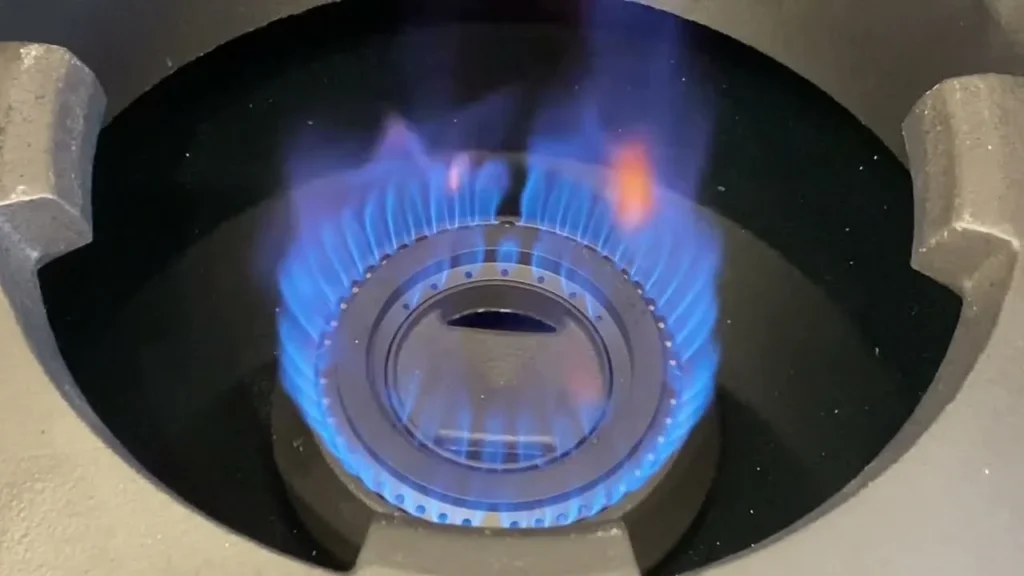
Manufacturers emphasize maximum BTU figures, but real cooking performance is a balance of top-end heat and low-end control.
- Top-end (searing/wok): Many models across these brands offer high-output burners in the ~15,000–23,000 BTU range on select burners. If you regularly sear steaks or use a carbon-steel wok, prioritize at least one high-output position.
- Low-end (simmering): Look for stable flames that won’t scorch—Wolf’s dual-stack design and Thermador’s ExtraLow® cycling are standouts. Viking models with careful valve control can also hold a gentle simmer, especially on sealed-burner lines.
- Evenness: Thermador’s Star geometry spreads heat; Wolf’s heavy grates and burner layout favor balanced pan coverage; Viking’s open burners concentrate heat for fast reaction.
Note: Exact BTU ratings vary by model, fuel type (gas vs. dual-fuel), and year. Treat headline numbers as directional; the quality of control across the entire range is often more important than the single biggest BTU claim.
Oven Performance & Baking Personality
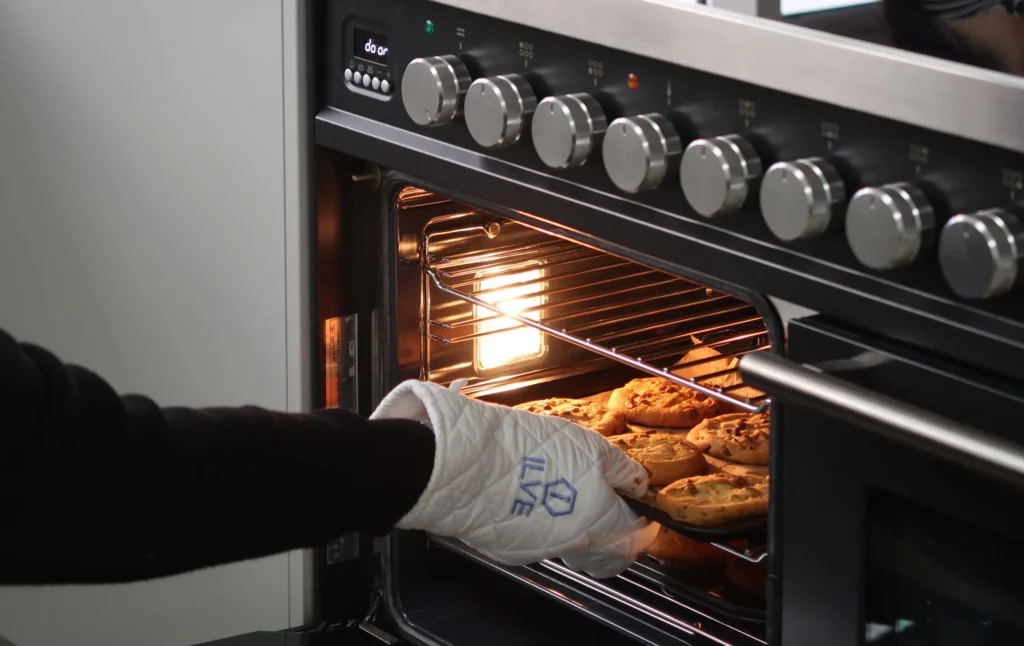
- Wolf: Dual-fuel ovens typically feature convection with superb temperature regulation and intuitive, knob-forward controls (with select touch elements depending on series). Gas ovens emphasize robust heat and reliable broiling.
- Viking: Known for strong broilers and classic baking results. Convection offerings vary by series; some models include helpful moisture management and multiple fan modes.
- Thermador: Dual-fuel ranges often include feature-rich convection modes, self-clean options, and tech extras (timers, guided modes) without being fussy. Steam-assist and smart connectivity may appear on certain packages.
If you bake delicate pastries or artisan loaves, favor models with true convection (a rear heating element plus fan) and well-insulated doors. If you roast and broil more than you bake, look closely at broiler wattage/BTUs and rack flexibility.
Reliability, Warranty & Customer Service
Service experiences can vary by region and by dealer. A few grounded pointers:
- Dealer network matters. Choose a retailer with a strong in-house or partnered service department that is authorized by the brand.
- Parts availability. Pro-style ranges are heavy-duty, but parts and specialized labor can be pricey—ensure common parts are stocked regionally.
- Warranty terms differ. Read the fine print for labor vs. parts coverage and the length of coverage on burners, electronics, and oven cavities.
- Post-sale reputation. Ask your dealer about real turnaround times for your ZIP/postal code. The best spec sheet won’t compensate for a six-week wait on a basic repair.
Brand impressions (generalized):
- Wolf (Sub-Zero Group): Broad dealer support in many markets and a reputation for responsive customer care through established channels.
- Viking: Service quality has improved in many areas with newer ownership and programs, but verify local coverage and technician availability.
- Thermador (BSH): Often praised for competitive packages and a solid service network in major metros; rural coverage can vary—confirm locally.
Controls, Aesthetics & Ergonomics
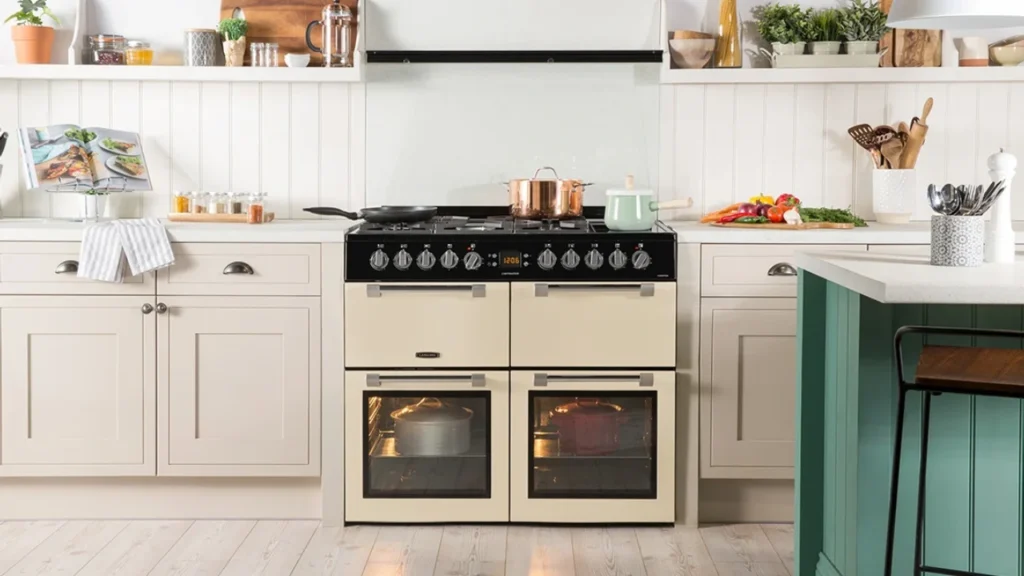
- Knobs vs. touch: Wolf leans tactile; Thermador blends touch with knobs on some lines; Viking keeps a classic pro-range look with sturdy hardware.
- Grates & cleaning: Sealed burners (Wolf, Thermador, many Viking lines) simplify cleanup. Open burners (select Viking models) prioritize direct heat but require more maintenance.
- Design language: Wolf’s red knobs are iconic (with alternative finishes available). Thermador’s minimalist stainless + blue-glow accents read modern. Viking keeps that commercial, squared-off presence many buyers want.
Fuel Type, Sizes & Configurations
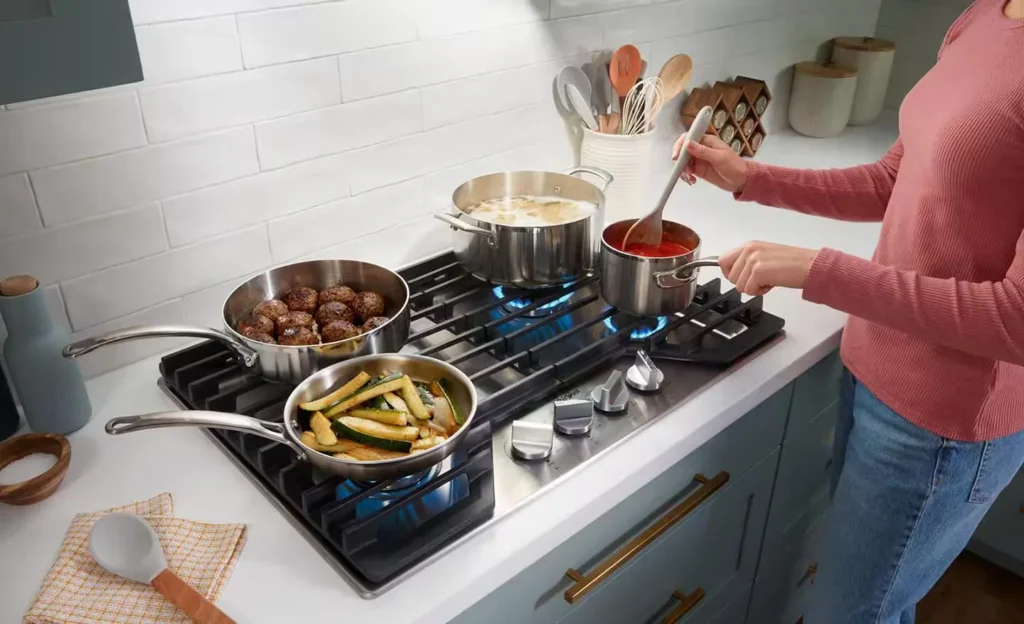
- Gas vs. Dual-Fuel: Dual-fuel couples a gas cooktop with an electric oven—often better for precise baking. Gas-only ranges deliver a classic roasting/broiling profile with simpler electrical requirements.
- Width Options: 30" for compact kitchens, 36" as the all-round sweet spot, 48" for multiple ovens and griddle/grill add-ons, and 60" for serious multi-zone cooking.
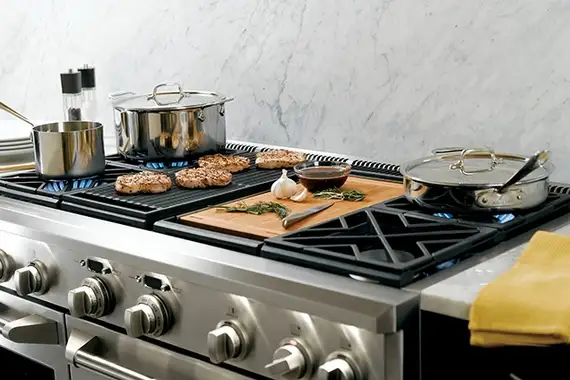
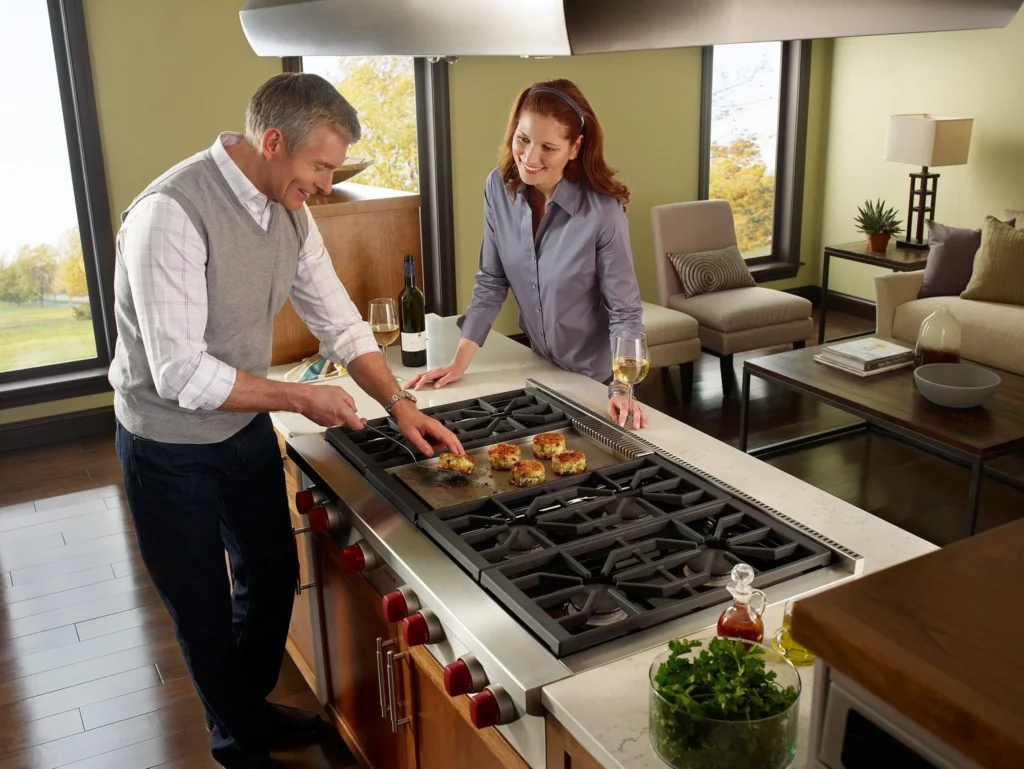
- Surface Options: Griddle, grill, or additional burners. Griddles are fantastic for pancakes, smash-burgers, and flatbreads; grills require diligent cleanup and powerful ventilation.
Ventilation: Don’t Skimp
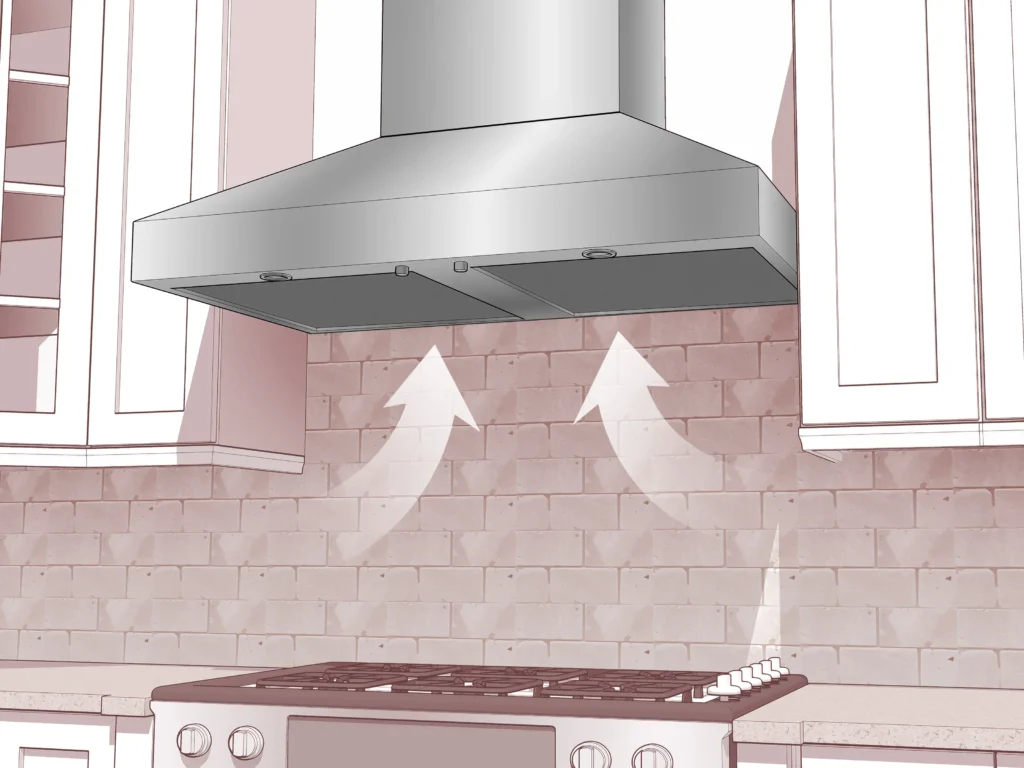
High-end ranges move serious heat and combustion by-products. Budget for a properly sized hood (CFM, capture area, ducting) to match your range’s output and your cooking style. Quiet performance and good baffle filters are worth the upgrade.
Side-by-Side Snapshot (At a Glance)
| Category | Wolf | Viking | Thermador |
|---|---|---|---|
| Burner Type | Dual-stacked sealed | Open (select series) & sealed | Star® sealed |
| Heat Profile | Strong top-end + excellent low control | Direct, intense flame; classic pro feel | Broad heat spread; automated ultra-low simmer |
| Oven Personality | Stable temps; great for baking/roasting | Robust broil/roast; solid convection by series | Feature-rich convection; smart extras on some |
| Cleanup | Easier (sealed) | Open = more upkeep; sealed lines easier | Easier (sealed) |
| Design Vibe | Tactile, iconic knobs | Traditional commercial look | Modern-minimal with tech |
| Service Ecosystem | Widely regarded, dealer-driven | Improving; verify local techs | Strong in many metros; verify local |
Which One Is “Best”?
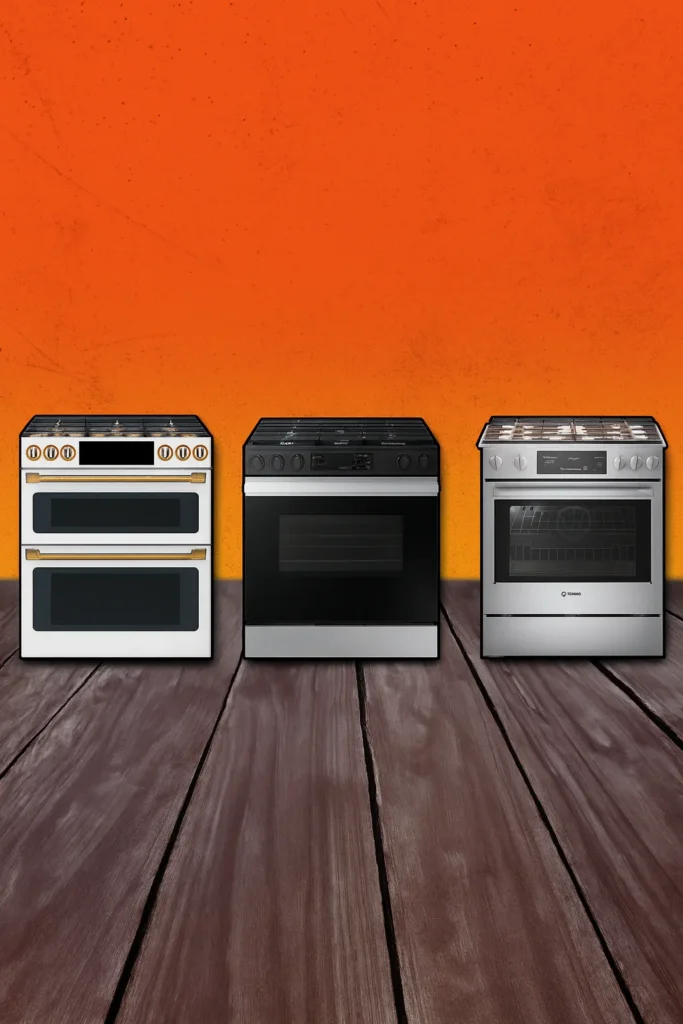
There isn't a universal winner—there's a best match for your cooking:
- Pick Wolf if you want ultra-predictable simmering, excellent build feel, and you prefer sealed burners with very fine low-end control.
- Choose Viking if you love the immediacy of open-burner heat (or its sealed alternatives in specific lines) and a classic pro aesthetic.
- Go Thermador if you want clever simmer automation, even heat distribution, and feature-rich ovens—often with attractive bundle pricing.
Ownership Tips
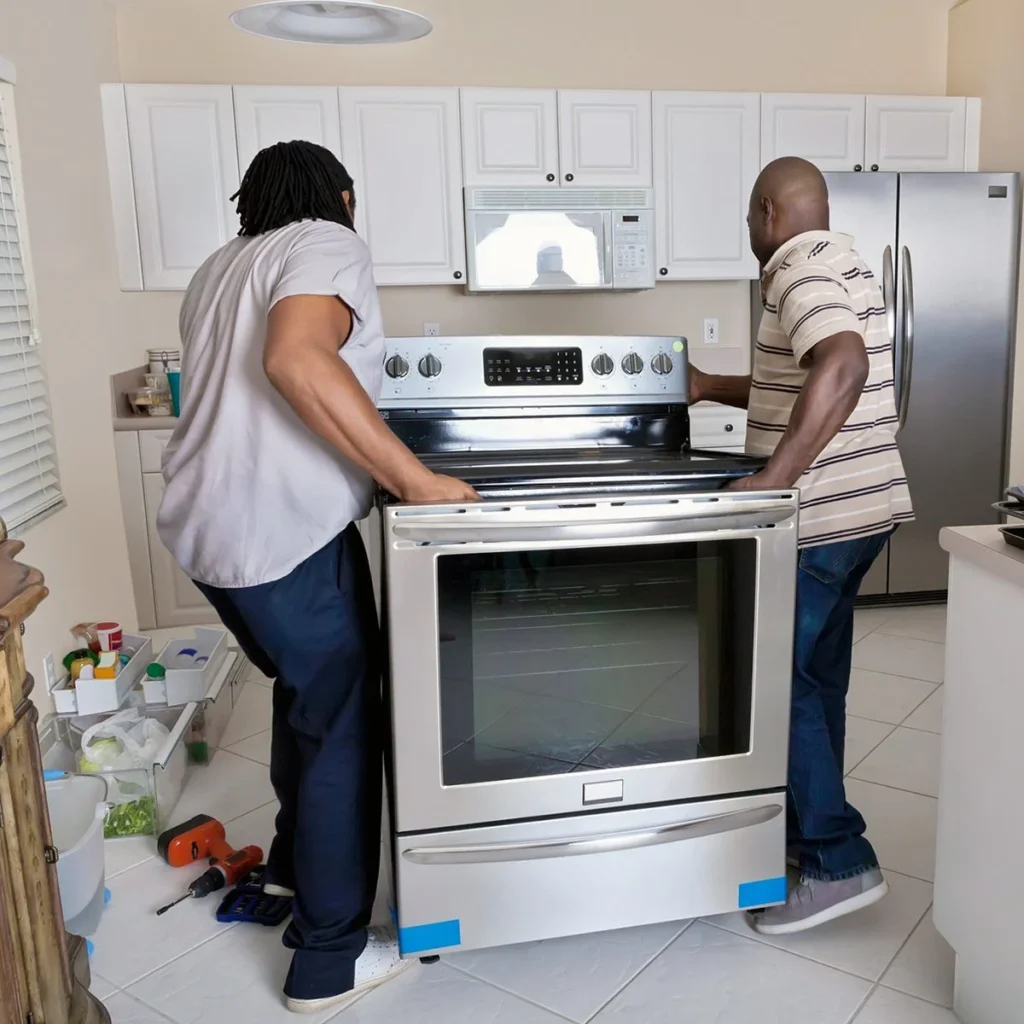
- Have a pro handle installation. Leveling, gas pressure, and proper electrical load are critical.
- Season griddles properly. You'll extend life and improve non-stick performance.
- Keep documentation handy. Model and serial numbers expedite service calls.
- Plan for routine maintenance. Igniters, valves, and thermocouples are wear items over the long haul.
Need Unbiased Help Choosing?
You can find more expert guides, appliance tips, and troubleshooting advice at Appliance Rescue. Note: they do not offer repair services; the site focuses on Expert Guides, Appliance Tips, and Troubleshooting Advice so you can make confident decisions and handle minor issues yourself. If you have a specific question about your setup or a shortlist you're considering, feel free to contact us for guidance.
FAQ

Do I really need dual-fuel?
Not necessarily. If you bake delicate pastries frequently, a dual-fuel oven's electric oven can help. Otherwise, a well-designed gas oven with good convection may be perfectly satisfying.
How many high-output burners should I prioritize?
At least one, two if you frequently boil large pots and sear or wok at the same time.
Is a built-in griddle worth it?
If you cook breakfast, smash burgers, quesadillas, or flatbreads often—yes. If you don't, the space may be better spent on extra burners.
What about smart features?
Convenient, but not essential. Prioritize core cooking performance (burners, oven accuracy) and local service support first; consider app control and guided recipes as nice-to-have extras.
Final Word
Specs get you in the door; local service and day-to-day usability keep you happy for years. Shortlist two or three models that fit your size and fuel needs, test the knob feel and burner response in a showroom if possible, and verify that an authorized technician serves your area. Do that—and whether it's Wolf, Viking, or Thermador—you'll end up with a range that feels like it was built for your kitchen.