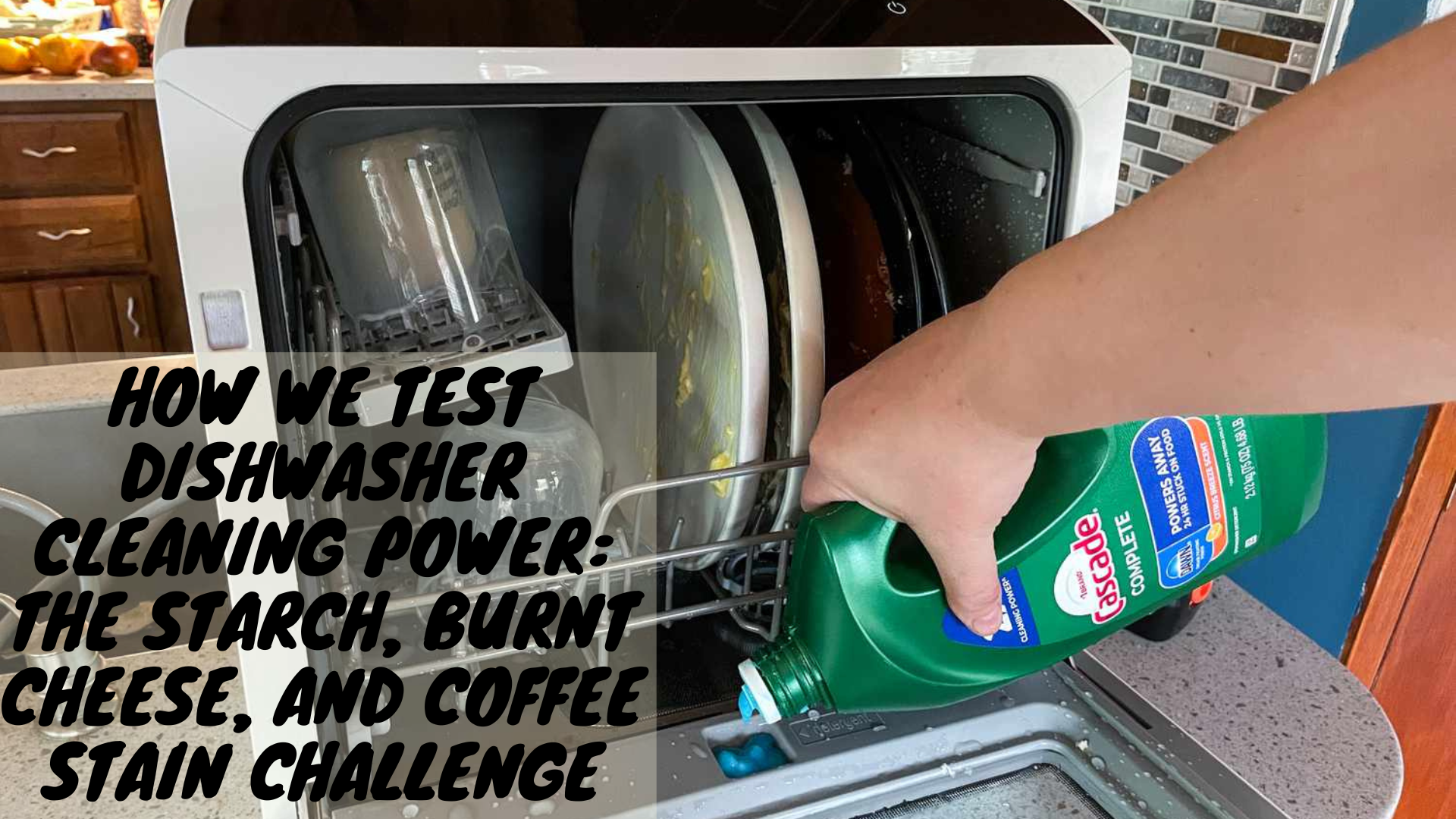

Inside Our Dishwasher Cleaning Test: From Sticky Starch to Burnt Cheese and Coffee Marks
Dishwashers vary widely when it comes to real cleaning performance. Some breeze through baked-on messes, while others struggle with everyday residue. To provide meaningful, real-world evaluations, experts use standardized tests designed to simulate the toughest types of kitchen grime.
This guide explains the key testing methods behind dishwasher cleaning assessments—focusing on three major challenges: starch residue, burnt cheese, and coffee stains. These tests help determine whether a dishwasher can tackle genuine everyday messes, not just lightly soiled plates.
If you’re looking for more in-depth appliance guides, troubleshooting tips, or expert help understanding how your dishwasher works, you can explore Appliance Rescue. Remember: they offer expert guides and advice only—not repair services.
Why Testing Dishwasher Cleaning Power Matters
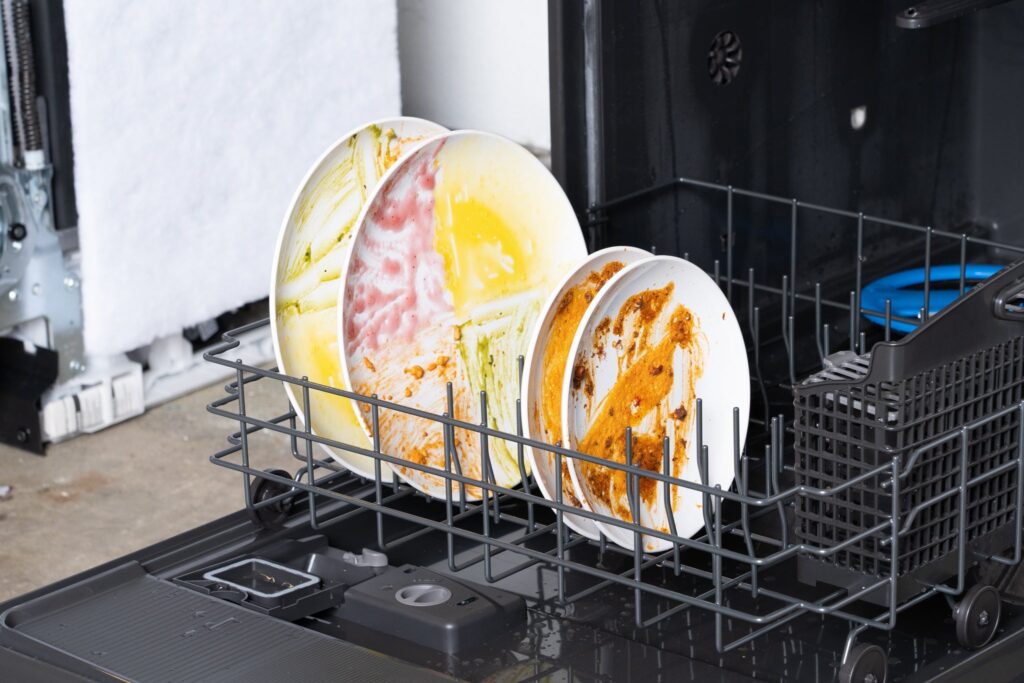
Dishwashers today come packed with smart sensors, turbo-spray arms, soil detection systems, and multi-stage filtration. But none of those features matter if the machine can't handle the type of dirt you experience at home.
Professional dishwasher testing focuses on:
- Realistic cooking residues, not lab-perfect stains
- Reproducible messes that allow performance comparisons
- Challenging food soils, like baked starches and dairy proteins
- Cleaning consistency, not just one successful wash
These tests reveal how a dishwasher performs under pressure—literally and figuratively.
The Tests That Matter Most
1. The Starch Test: Simulating Pasta, Potatoes, and Rice Residue
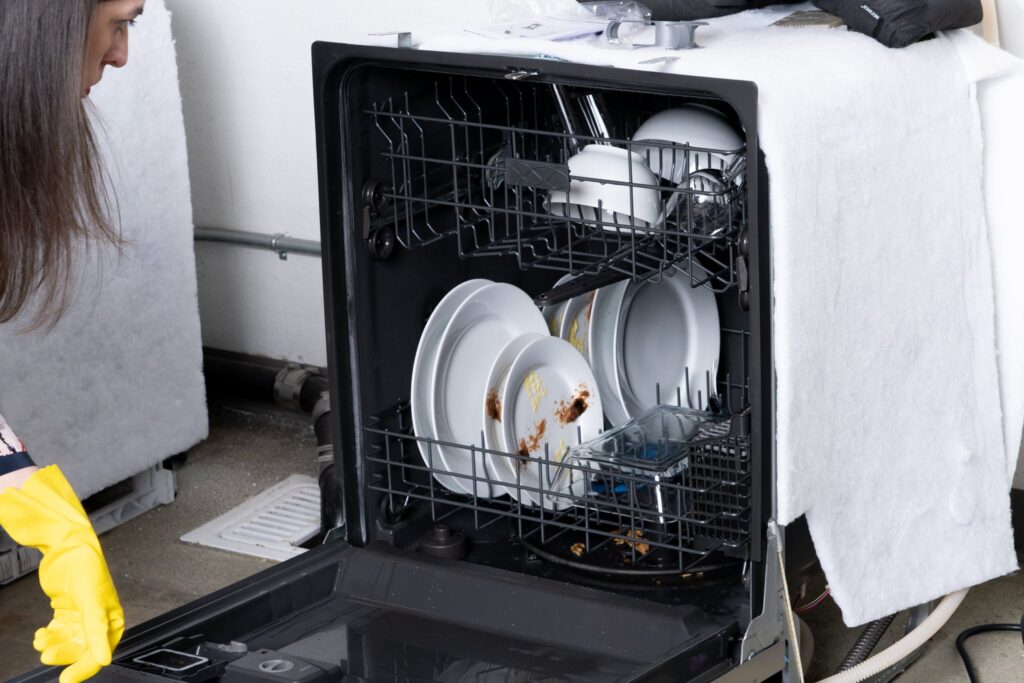
Starch-based foods leave behind a sticky, cloudy film that’s notoriously difficult to remove. This residue clings to plates even after a pre-rinse and can make dishes look dull.
How the Starch Test Works
A standardized mixture of starch (usually containing potato or corn starch) is applied to plates and allowed to dry. The plates are then loaded into the dishwasher using typical rack placements.
Evaluators look for:
- Cloudiness or hazing left on the dish surface
- Film buildup along the edges
- Spotting or streaking on glassware and ceramic plates
- How well rinsing systems clear away the residue
Starch tests highlight whether a dishwasher has effective spray coverage and a strong filtration system.
2. The Burnt Cheese Challenge: The Ultimate Protein Test
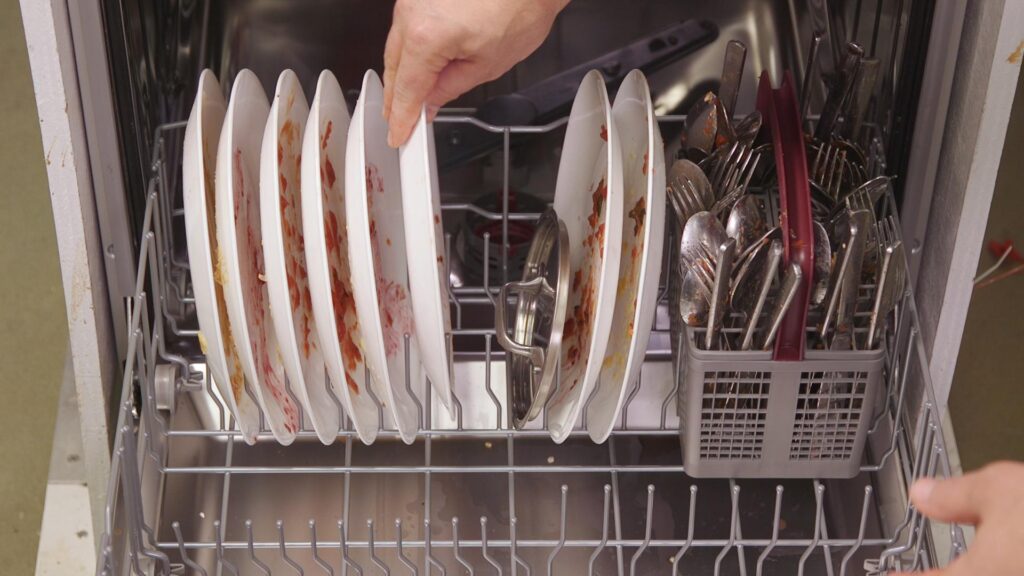
Burnt cheese is one of the hardest substances for a dishwasher to remove. It combines fat, protein, sugars, and starch—all bonded through caramelization.
How the Test Works
A layer of cheese is melted onto utensils, plates, or pans and then baked until it hardens. Once cooled, the items are placed into the dishwasher without soaking.
This test evaluates:
- Spray arm pressure and reach
- Enzyme detergent activation
- Heat-assisted cleaning performance
- Filtration strength for food particles
Machines that ace this test are usually excellent at handling baked-on casseroles, lasagna dishes, and cheesy cookware.
3. The Coffee Stain Test: Revealing Fine-Particle Limitations
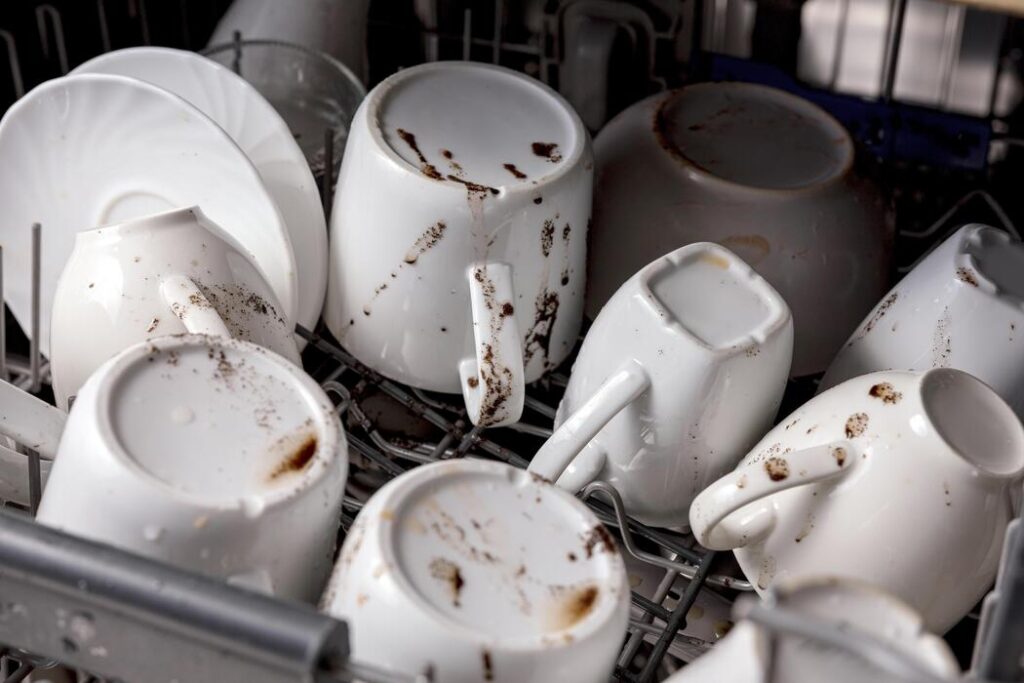
Coffee leaves behind tannins—tiny pigment particles that bond to ceramic and glass. Unlike starchy or protein-heavy soils, coffee stains test a dishwasher’s ability to remove microscopic residues.
How the Test Works
Coffee-stained mugs or glassware are dried and placed throughout the dishwasher. After the cleaning cycle, testers check for:
- Brown rings or tinting inside mugs
- Shadow-like stains on white plates
- Cloudy discoloration on glassware
- Residual odor
Coffee tests highlight whether the dishwasher uses sufficient water temperature and circulation, and whether it can remove light but stubborn staining.
How Experts Score the Results
After running the dishwasher through a standard cleaning cycle, evaluators score dishes using a detailed grading scale. They consider:
- Complete soil removal
- Partial cleaning performance
- Any leftover films, particles, or discoloration
- Rack placement sensitivity (e.g., whether items in the corners get cleaned as well as those in the center)
- Rinse aid effectiveness
Modern testing also includes high-resolution imaging and light-based measurement to detect even invisible residue.
Why These Tests Help Consumers Choose Better Dishwashers
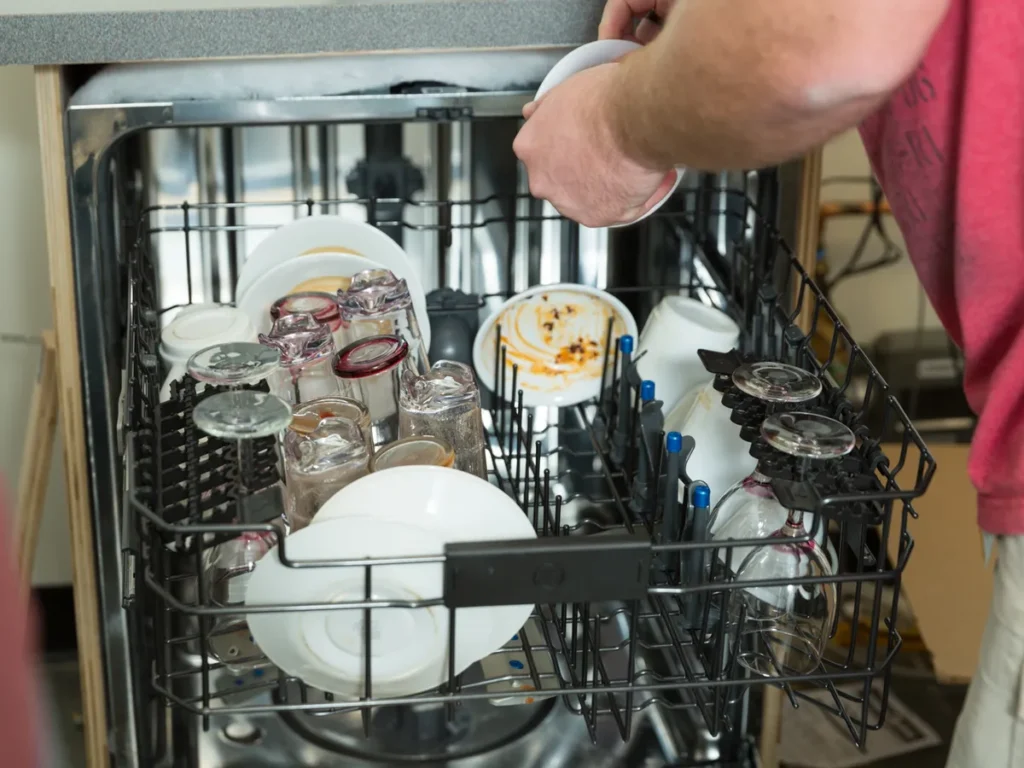
Understanding how dishwashers perform in controlled, tough conditions helps buyers choose models that can reliably handle everyday messes. If a dishwasher can pass the starch, burnt cheese, and coffee stain tests, it’s likely:
- Strong enough for heavy family use
- Efficient at removing multiple soil types
- Good at preventing food redeposit
- Reliable even in lower-rack or corner placements
This provides far more meaningful insight than simply comparing energy ratings or advertised “wash power.”
Where to Get More Appliance Help
If you're looking for guidance on maintaining your dishwasher, understanding cleaning cycles, or troubleshooting common issues—but not seeking repair services—visit Appliance Rescue. Their guides cover everything from dishwasher loading techniques to diagnosing wash-quality problems.
If you have questions or want to request a specific guide, you can also Contact us.