
A Homeowner's Guide to Repairing or Replacing Appliances
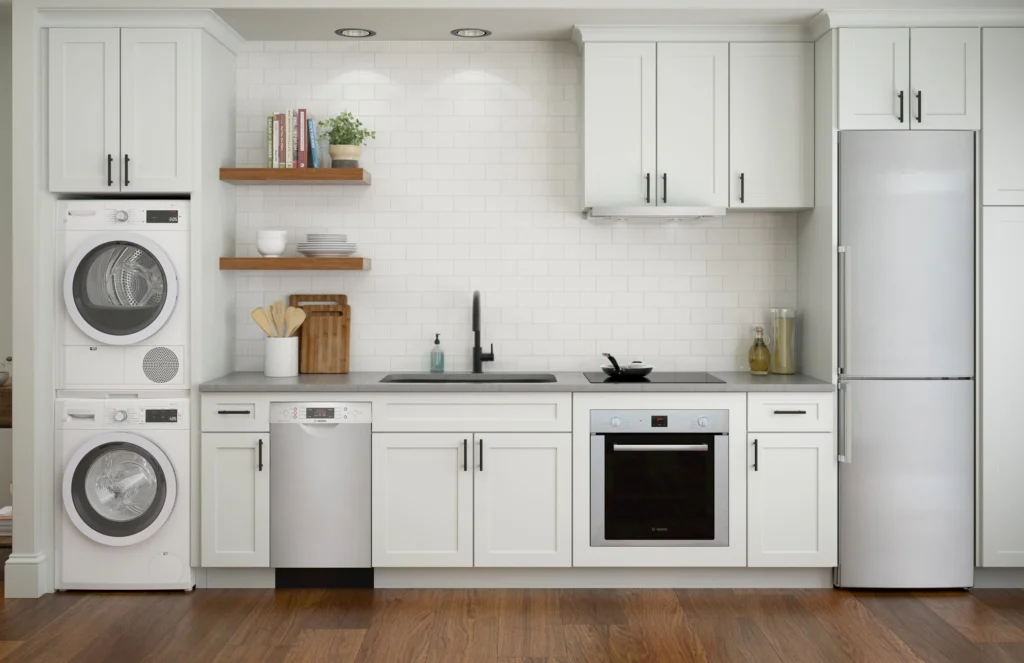
When an appliance breaks, compare the repair quote to 50% of the cost of a similar new model:
- If the repair is less than 50% of replacement, and the appliance is in the first half of its typical lifespan, repairing usually makes financial sense.
- If the repair is more than 50%, or the unit is in the second half of its lifespan, replacing often costs less in the long run—especially once energy use and future failures are factored in.
This is a rule of thumb, not a law. The sections below help you fine-tune the decision.
Note: Appliance Rescue does not sell or perform repairs. We publish expert guides, appliance tips, and troubleshooting advice to help you decide and to talk confidently with a local technician. Have a question about this guide? Contact us.
What Really Drives the Cost Decision

1) Age and Expected Lifespan
Most major appliances have practical lifespans (not warranties—real-world years until replacement is common). Rough ballparks:
- Refrigerators: 10–15 years
- Dishwashers: 8–12 years
- Washers: 10–12 years (front-loaders often need seal/bearing work earlier)
- Dryers: 10–13 years
- Ranges/ovens: 13–18 years
- Microwaves: 7–10 years
If your unit is past the midpoint, a repair fixes today’s problem but not tomorrow’s. That future risk has a price.
2) Type and Severity of the Failure
Simple, modular parts (door switches, igniters, thermostats, pumps, belts) are relatively cheap. Core failures—sealed system on fridges (compressor/evaporator), control boards, or drum bearings—tend to be pricey and sometimes unreliable to rehabilitate.
3) Energy Efficiency and Operating Costs
Newer models (especially fridges, dishwashers, and washers) can cut electricity and water use. Over 5–10 years, the savings can offset part of a replacement. If your broken appliance is old and inefficient, replacement gains a second income stream: lower utility bills.
4) Parts Availability
If OEM parts are discontinued or on long backorder, repair becomes impractical. Some brands maintain parts pipelines for longer, which favors repair. Others consolidate parts into expensive assemblies.
5) Warranty and Extended Coverage
In-warranty or extended-coverage units are obvious repair candidates. Even out of warranty, some manufacturers offer goodwill on known issues if you ask—worth a phone call before you decide.
6) Resale and Kitchen Matching
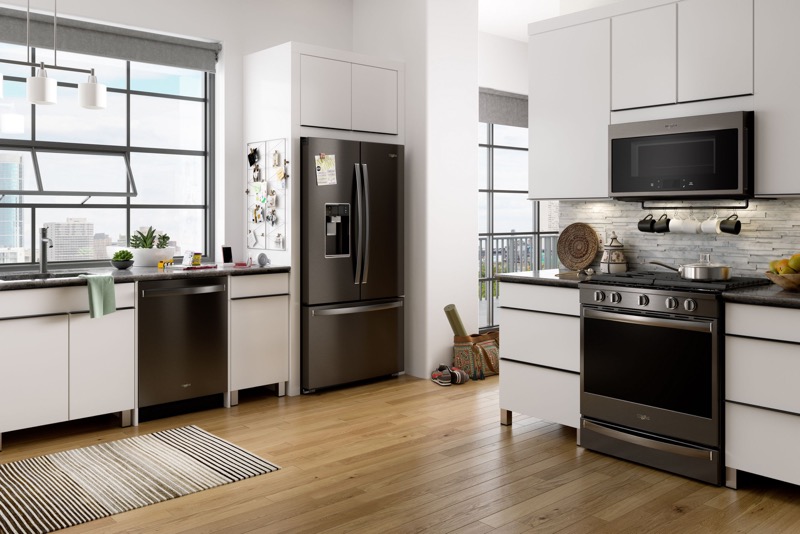
In a visible suite (fridge, range, dishwasher), replacing one with a mismatched finish or handle style might bother you or affect resale presentation. If you plan a remodel soon, limping along with a low-cost repair may be smarter.
How to Do the Math (Without Guesswork)
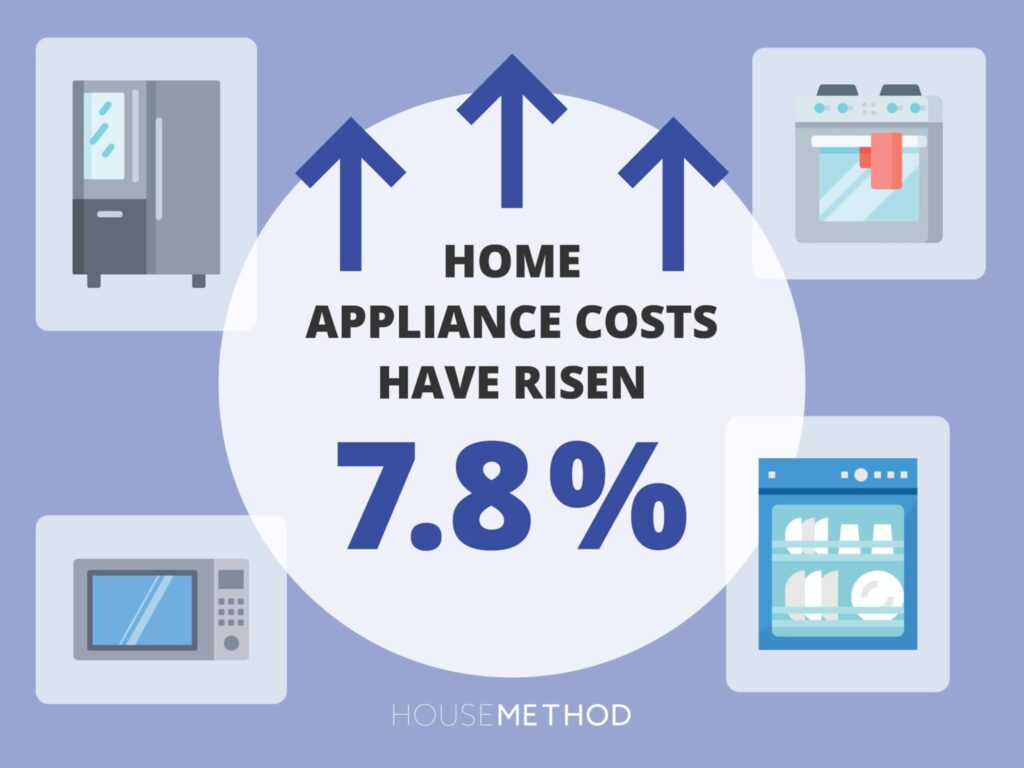
- Get a real estimate. Ask a local technician for a written diagnostic. The fee is often credited toward repair—ask explicitly.
- Find a comparable replacement price. Use current pricing for a like-for-like model (capacity, features, finish).
- Add operating savings (if replacing). Basic shortcut:
- New fridge or dishwasher? Assume $25–$80/year in combined energy/water savings vs. older units.
- New washer? Add $20–$60/year in water/energy savings.
Multiply by the years you expect to keep it.
- Account for risk. An 11-year-old dishwasher with one failing component likely has others near the edge. Consider a 10–20% “risk premium” on future repairs when comparing.
Decision snapshot:Net cost to repair = repair quote + (expected future repairs over next 3 years)Net cost to replace = new unit price – (utility savings over ownership) + install/haul-away
Choose the lower number, then sanity-check with the 50% rule above.
Appliance-by-Appliance Breakdown

Refrigerators
- Repair when: Ice maker, fan motor, door gasket, and defrost components fail on units under ~10 years, and the total cost is modest.
- Replace when: Sealed system or compressor failure on older units; multiple intermittent control issues; very inefficient pre-2012 models.
Dishwashers
- Repair when: Pumps, inlet valves, float switches, door latches, and heating elements fail; repairs are usually mid-priced.
- Replace when: Tub leaks or control board failures on aging machines, or when racks/tubs are rusting—the structure is telling you it’s time.
Washers
- Repair when: Drain pump, door lock, belt, and simple sensor faults.
- Replace when: Drum bearing/seal failures (especially if noisy for months), spider arm corrosion, or repeated control board issues on older machines.
Dryers
- Repair when: Belts, rollers, thermal fuses, igniters (gas), or heating elements (electric) go out—these are common and affordable.
- Replace when: Drum damage, recurring high-heat shutdowns from control issues, or repeated motor failures on older dryers.
Ranges & Ovens
- Repair when: Igniters, bake/broil elements, thermostats, or simple control relays fail; parts are usually accessible.
- Replace when: Glass-top cracks, wiring harness damage from heat events, or expensive control assemblies on older models.
Hidden Costs That Tilt the Equation
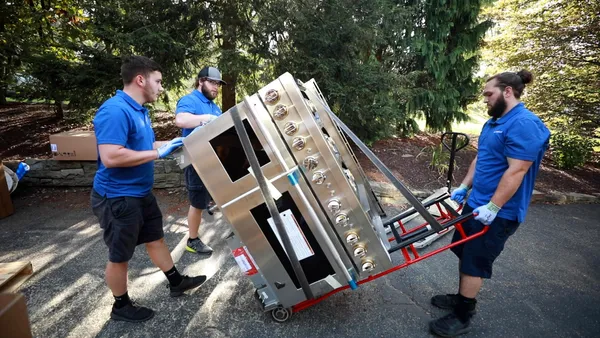
- Delivery, installation, and haul-away: Add these to the replacement column.
- Space constraints: Built-ins and counter depths can inflate replacement costs or limit choices.
- Time without the appliance: A week without a fridge is different from a week without a microwave. Rental or workaround costs matter.
- Safety & compliance: Gas lines, venting, and electrical circuits must be correct. If your installation needs upgrades, include them in the math.
A Simple Decision Checklist

- Is the repair < 50% of the replacement?
- Is the appliance in the first half of its typical lifespan?
- Are parts readily available, and the failure non-catastrophic (not compressor/bearing/tub)?
- Will a new unit’s utility savings be small?
- Are you not planning a remodel or finish upgrade soon?
If you checked most boxes, repair makes sense. If not, lean toward replacement.
DIY Troubleshooting You Can Do Before Calling Anyone

- Power & resets: Confirm breaker/GFCI, unplug/replug, try control-panel resets per the manual.
- Water & airflow: Check supply valves, filters, screens, and vents. A clogged dryer vent can mimic a “failing heater.”
- Leveling & loading: Many vibration and leak complaints trace to poor leveling or overloading.
- Error codes: Look up model-specific codes. Clearing a sensor fault sometimes restores normal operation.
If you prefer guided steps, explore our how-tos at Appliance Rescue—we focus on expert guides, appliance tips, and troubleshooting advice, not selling repairs or parts.
Environmental Angle: Repair Has a Bigger Impact Than You Think

Extending a machine’s life by even two years can keep bulky materials out of landfills and defer the energy/emissions from manufacturing a new unit. That said, an extremely inefficient refrigerator can waste more energy than its embodied footprint—so replacing old, power-hungry models can be greener overall. The “right” answer balances durability with efficiency.
When to Replace Proactively

- Safety issues (gas leaks, scorched wiring, and tripped breakers).
- Chronic repairs (two or more major fixes within 18–24 months).
- Lifestyle upgrades that change capacity or features (induction cooking, larger drum, panel-ready designs).
- Rebates available for high-efficiency models—these can swing the math decisively.
Final Take
If the repair is affordable, parts are available, and the appliance is not near end-of-life, repairing is typically cheaper. As costs climb, the unit ages, or the failure is “core” (compressor, sealed system, bearings, major board), replacement tends to win—especially after you factor in energy savings and risk of future breakdowns.
For model-specific troubleshooting steps and planning worksheets, visit Appliance Rescue. If anything here is unclear or you’d like us to add a calculator example for your situation, Contact us—we’re happy to point you to the right guide.