
The Top Electric Oven Brands: A Guide to Reliability and Performance
Shopping for a new electric oven is exciting until you hit the wall of conflicting opinions. One friend swears by a European brand; a neighbor claims their American range has never needed a service call. Who’s right? In truth, “reliability” is a blend of smart engineering, stable temperature control, durable parts, sensible features (not just flashy ones), and—crucially—how the oven is used and maintained. This guide distills what actually matters, then spotlights brands that consistently earn trust from informed owners and technicians.
Quick note: Appliance Rescue does not offer repair services. They provide Expert Guides, Appliance Tips, and Troubleshooting Advice to help you choose and care for appliances. If you have questions about this guide or want to suggest a topic, feel free to Contact us.
How We Think About “Reliability”
Before naming names, let’s define the term:
- Thermal stability: Can the oven preheat quickly and hold a steady temperature?
- Component durability: Heating elements, door hinges, fans, and control boards should withstand years of heat cycles.
- Serviceability: Are parts available and reasonably priced? Can common wear items be replaced without tearing down half the unit?
- Sane software: Touchscreens and smart features should assist—not complicate—basic cooking.
- Track record & support: Solid warranties, transparent manuals, and responsive customer help matter when something goes wrong.
Most Reliable Electric Oven Brands (Overview)
Below is a high-level snapshot of brands frequently associated with dependable electric ovens and wall ovens. Individual models vary, of course, but these reputations are earned over time.
Bosch
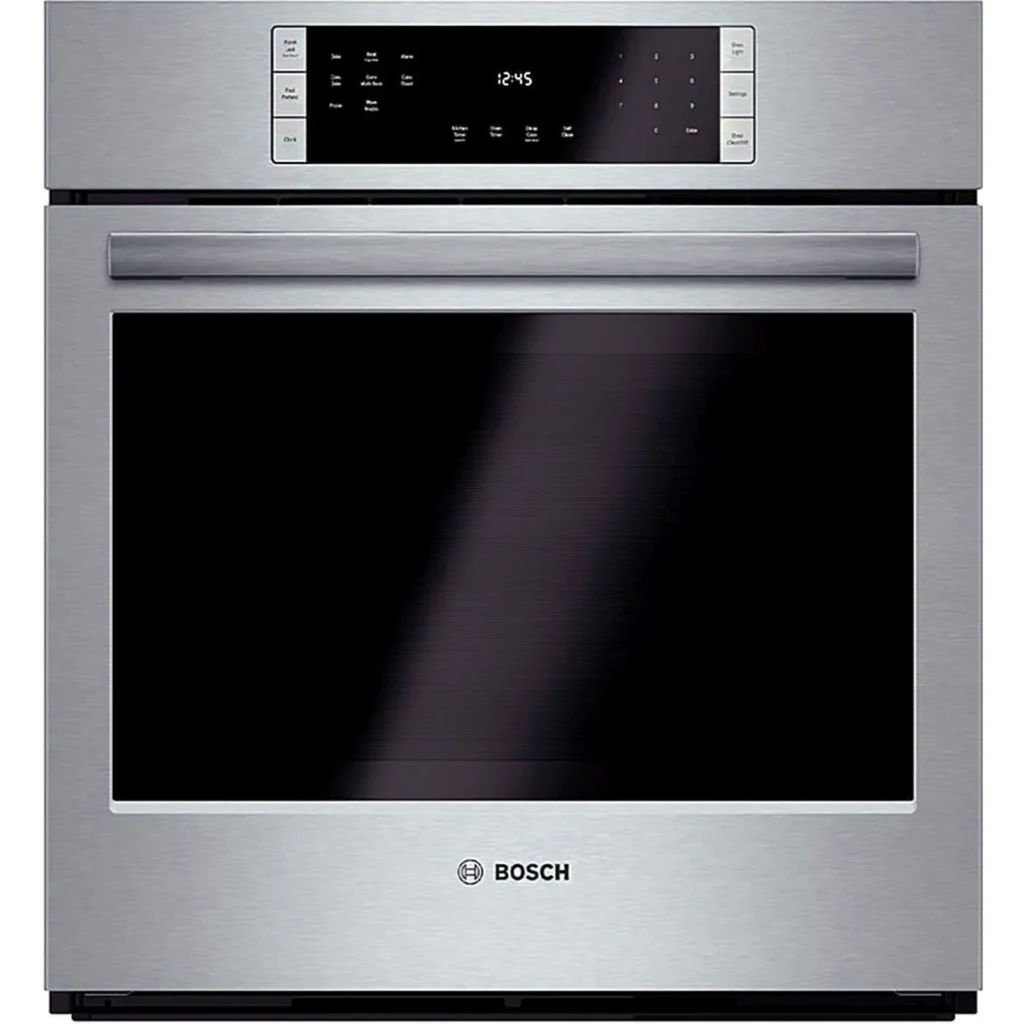
- Why it’s trusted: Consistent temperature control, refined convection systems, and clean design.
- Best for: Home cooks who want precise baking and sturdy build without excessive “gadgetry.”
- Keep in mind: Feature density can increase repair costs if the wrong model is chosen—pick the features you’ll actually use.
Miele
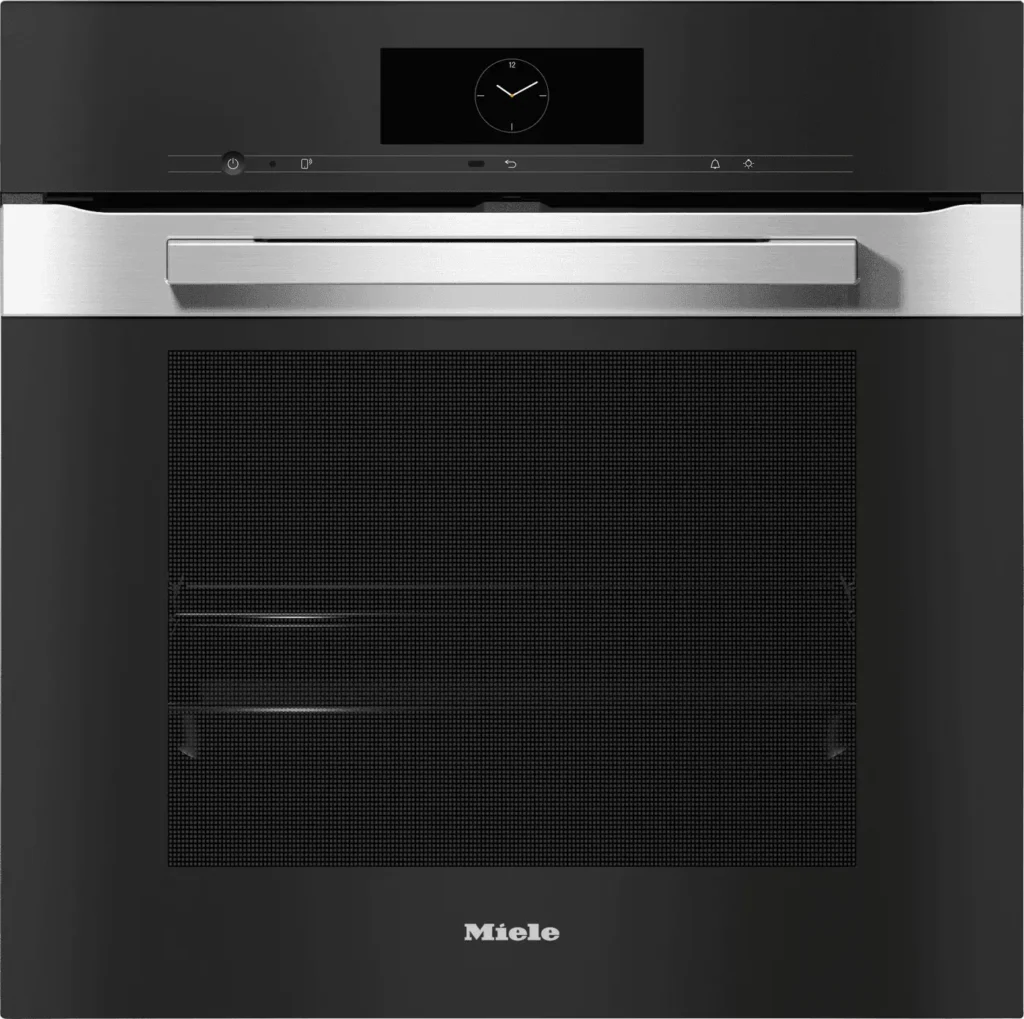
- Why it’s trusted: Premium engineering, excellent heat distribution, and long-life components.
- Best for: Enthusiasts who bake or roast often and value longevity and exactness.
- Keep in mind: Higher upfront price; stick with mainstream configurations for easier long-term parts availability.
GE (Profile/Café/Monogram)
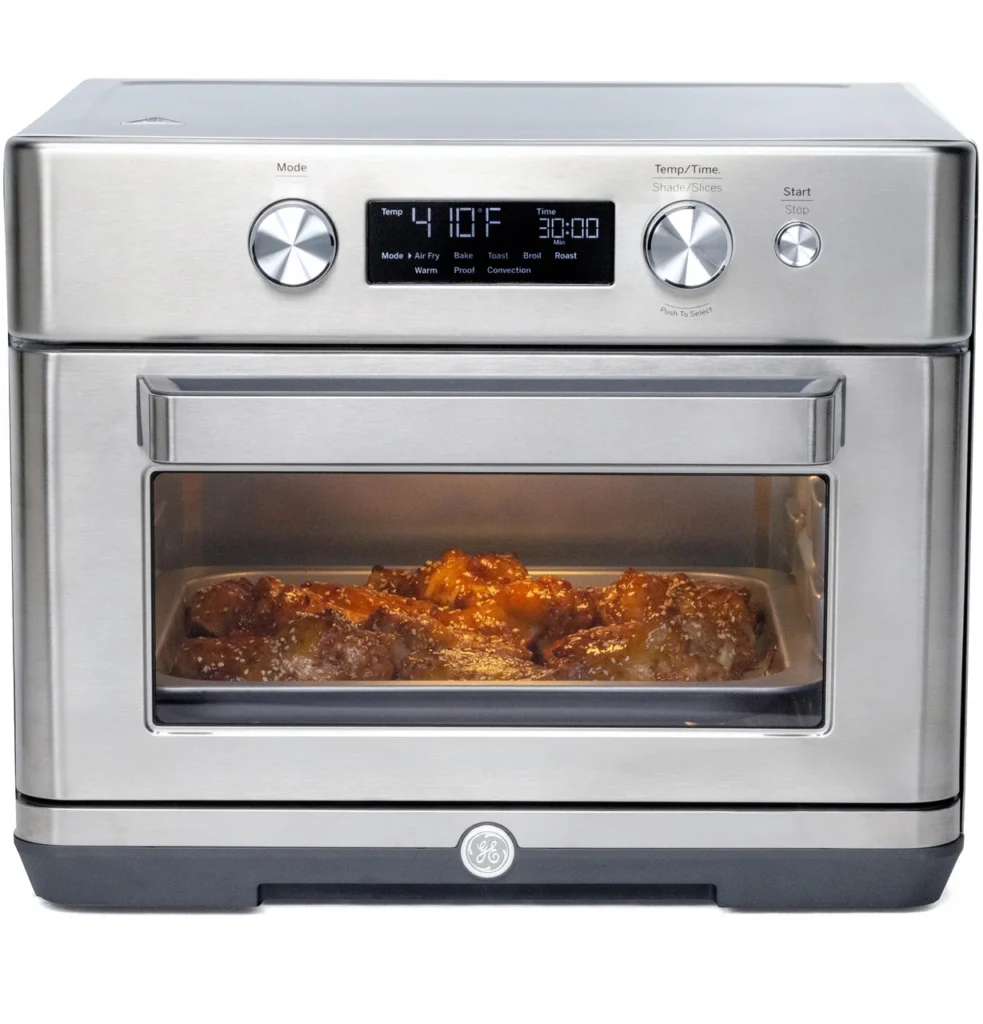
- Why it’s trusted: Broad parts ecosystem, proven heating performance, and reasonable service access.
- Best for: Buyers who want a wide model selection and strong support in North America.
- Keep in mind: Feature sets vary widely—read the spec sheet carefully for the heating system you want (true convection vs. fan-only).
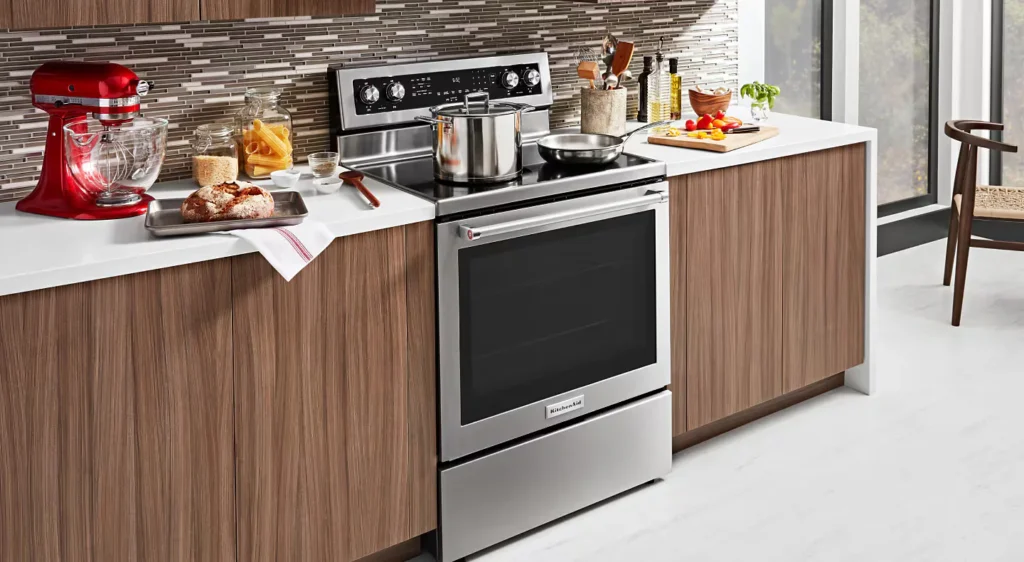
Whirlpool (and KitchenAid)
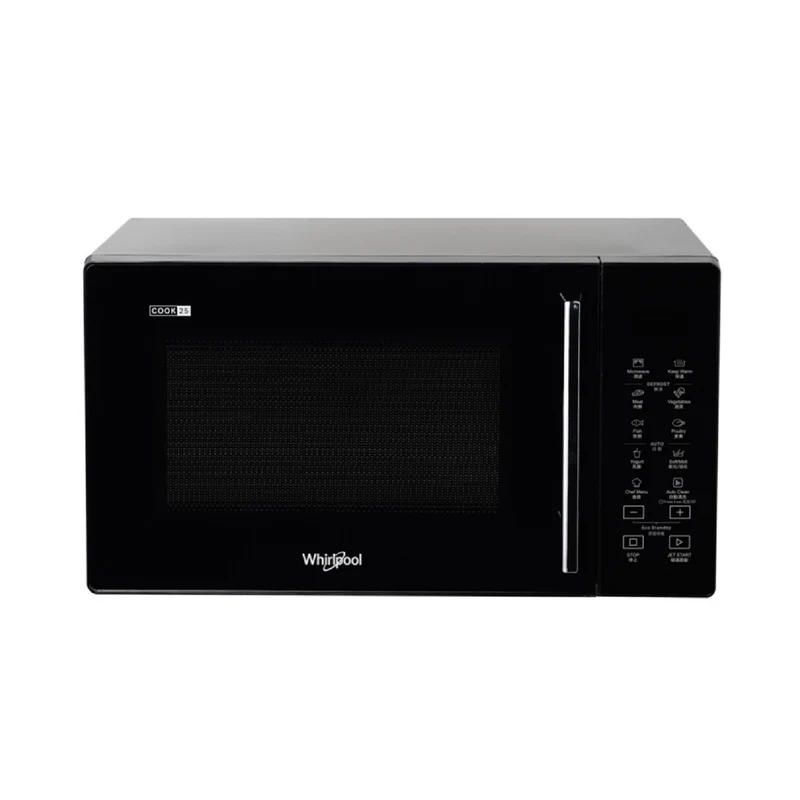
- Why it’s trusted: Straightforward designs, reliable elements, and commonly available parts.
- Best for: Families needing dependable day-to-day performance with easy-to-understand controls.
- Keep in mind: Avoid overspending on decorative trims; reliability lives in the heating system and build quality, not the bezels.
Electrolux (and Frigidaire Gallery/Professional)
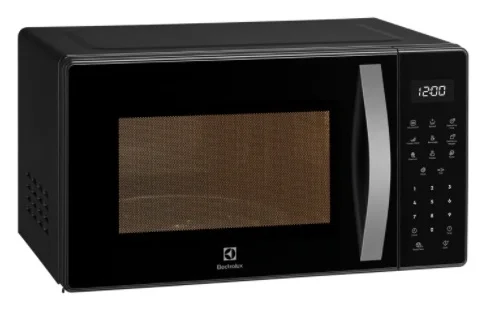
- Why it’s trusted: Strong convection performance and solid value, especially in mid-tier models.
- Best for: Serious home bakers who want even browning without luxury-brand pricing.
- Keep in mind: Choose models with proven fan and element configurations; simpler can be wiser.
Beko
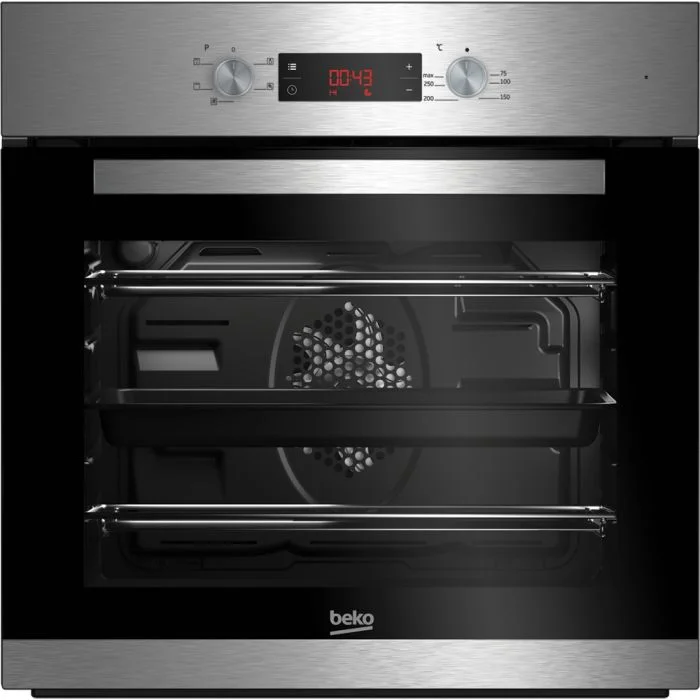
- Why it’s trusted: Increasingly recognized for efficient designs and good price-to-performance.
- Best for: Budget-conscious buyers seeking modern features without complexity overload.
- Keep in mind: Check local parts networks—support varies by region.
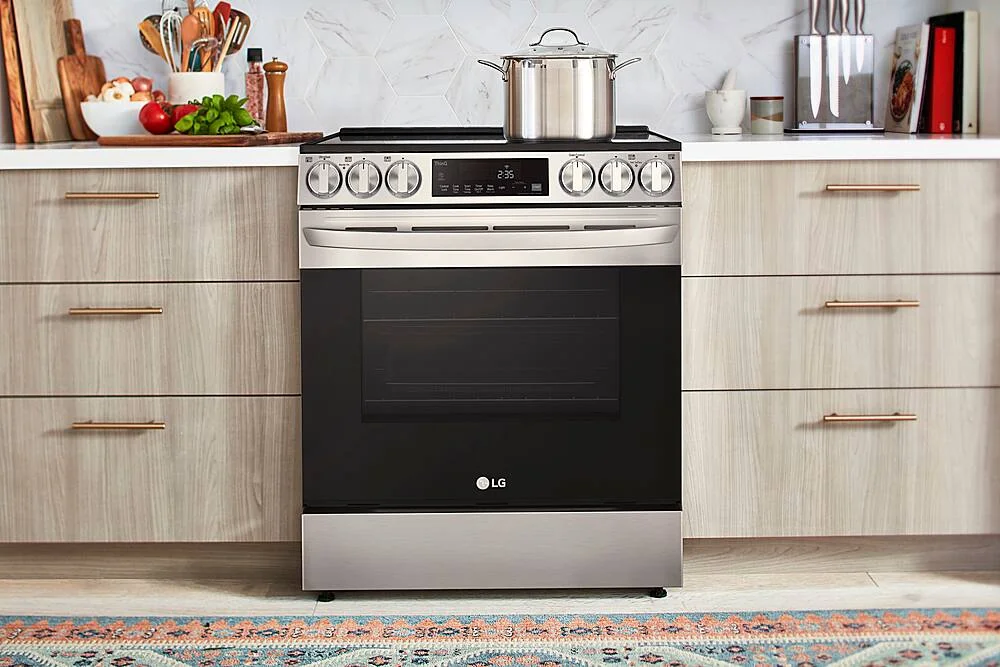
LG and Samsung

- Why they’re trusted by many: Fast preheat, strong feature sets, and competitive pricing.
- Best for: Tech-forward kitchens and users who like guided cooking and smart connectivity.
- Keep in mind: Extra software layers can mean more to troubleshoot; choose models where core oven performance is prioritized.
Comparison at a Glance
| Brand | Thermal Consistency | Parts/Service Access | Feature Complexity | Typical Price Tier |
|---|---|---|---|---|
| Miele | Excellent | Moderate | Moderate | $$$$ |
| Bosch | Excellent | Good | Moderate | $$$ |
| GE (Profile/…) | Very Good | Excellent | Varies | $$–$$$ |
| Whirlpool/KitchenAid | Very Good | Excellent | Moderate | $$–$$$ |
| Electrolux/Frigidaire | Very Good | Good | Moderate | $$–$$$ |
| Beko | Good | Varies by region | Moderate | $$ |
| LG | Very Good | Good | Higher | $$–$$$ |
| Samsung | Very Good | Good | Higher | $$–$$$ |
Scoring is directional to help you shortlist, not a rigid ranking. Individual models can outperform their brand averages.
Key Features That Actually Improve Reliability
- True (European) Convection: A rear element plus a fan reduces hot/cold spots and shortens cook times—less strain on components from long, repeated cycles.
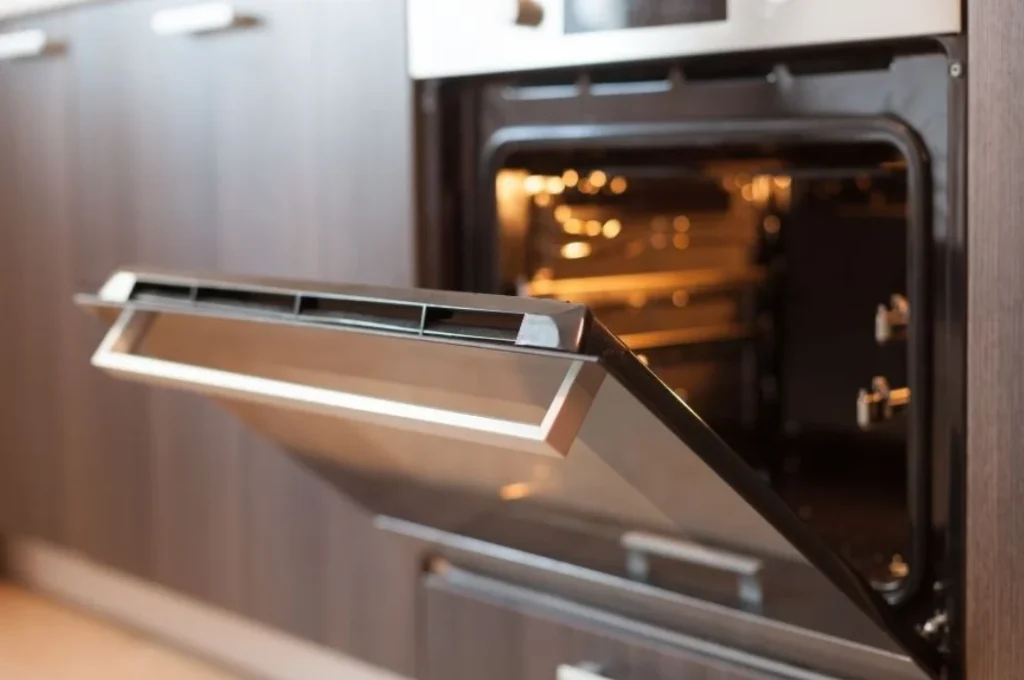
- Robust Door & Seal: A firm door close and quality gasket maintain stable heat; poor sealing makes elements work harder.
- Manual Dials or Well-Designed Controls: Simple, responsive interfaces age better. If you want touch controls, pick brands with a track record for clear, low-lag UIs.
- Self-Cleaning Mode—Use Carefully: Pyrolytic self-clean can stress components via extreme heat. Use sparingly, and consider steam-clean options when available.
- Replaceable Parts: Favor models with readily available elements, fans, thermostats, and igniters (for dual-fuel ranges). Check exploded diagrams and parts lists before buying.
Buying Tips to Avoid Regret
- Match capacity to reality. Oversized cavities take longer to heat and may cycle more often.
- Prefer proven heating layouts. Rear convection element + fan and a solid broil element are classic for a reason.
- Don’t over-index on smart features. They’re convenient but rarely improve the roast chicken; reliability still lives in metal, insulation, and airflow.
- Check the warranty. One year is common; two years (or more) on parts/labor is a nice signal.
- Glance at a parts catalog. If you can find the fan motor, elements, and door hinges easily—and they’re not eye-wateringly expensive—you’re looking at a serviceable design.
- Read the manual—before you buy. A clear manual hints at a brand that thought about real users and real problems.
Care & Maintenance That Extends Lifespan

- Calibrate annually. Many ovens let you offset the temperature if it drifts. A $15 oven thermometer helps you verify.
- Clean logically. Wipe spills quickly. Save pyrolytic self-clean for truly tough grime; consider steam-clean cycles if offered.
- Protect the door. Don’t lean heavy pans on the open door; hinge damage is a silent reliability killer.
- Ventilation matters. Ensure proper install clearances so electronics don’t cook themselves.
- Use cookware that fits. Crowded pans block airflow and force longer cycles.
For more how-to help, browse the guides and troubleshooting walkthroughs at Appliance Rescue—remember, it’s an educational resource, not a repair service.
Wall Oven vs. Range: Which Is More Reliable?
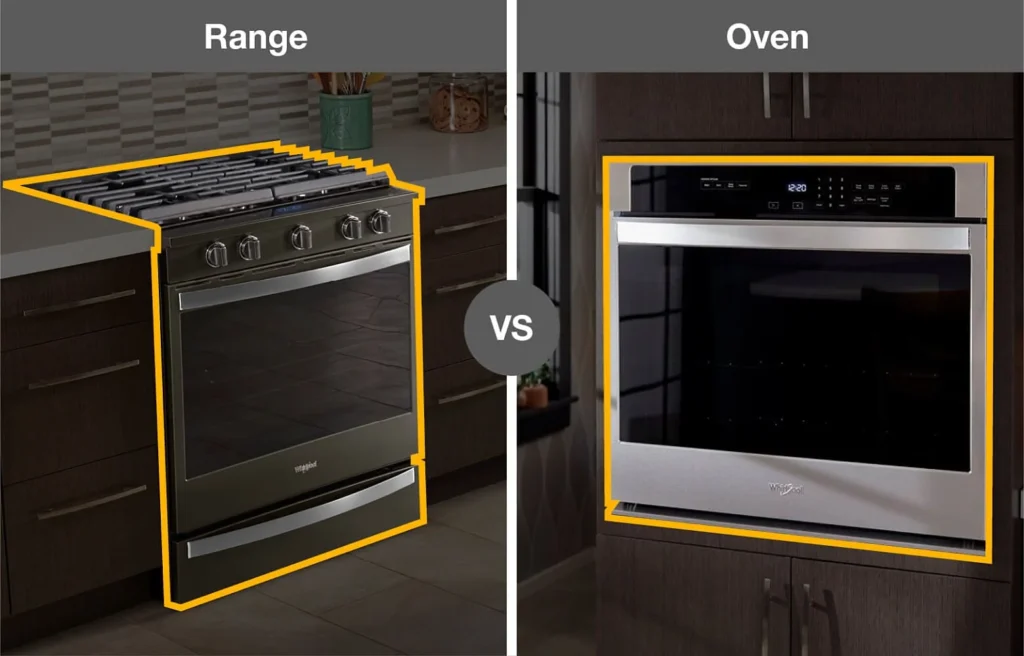
- Wall Ovens: Easier to service in place, great for double-oven setups, often feature-rich in mid/high tiers.
- Ranges (Freestanding/Slide-in): Fewer installation variables, widely available parts, and strong value.
- Reliability takeaway: Neither format is inherently “better.” Pick the configuration that simplifies installation and airflow in your kitchen—those two factors quietly drive longevity.
Model-Level Shortlist Strategy (Works With Any Brand)
- Start with a brand known for heat stability (Bosch, Miele, GE, Whirlpool, Electrolux are perennial contenders).
- Filter to ovens with true convection, solid door feel, and straightforward controls.
- Eliminate models where the control board sits directly over high-heat zones with minimal shielding.
- Read the manual and parts list; confirm hinges, elements, and fans are replaceable without a full teardown.
- Choose the simplest variant that meets your needs—fewer exotic features usually mean fewer points of failure.
Final Word
If you want the most reliable electric oven, aim for proven heating architecture, serviceable parts, and sensible features. Brands like Bosch, Miele, GE, Whirlpool/KitchenAid, and Electrolux/Frigidaire routinely deliver strong foundations, while Beko, LG, and Samsung offer compelling value and innovation when chosen thoughtfully. Pair a smart pick with careful maintenance and you’ll get the consistency every weeknight dinner deserves.
Have questions about features or care routines? Contact us—and explore hands-on guides at Appliance Rescue (again, it’s a learning hub, not a repair shop).