

The Appliance Categories Breaking Down Most in 2025 (and How to Shop Smarter)
Appliances have never been smarter, sleeker, or more connected. They’ve also never been more stressed: tighter kitchens, heavier use, hard water, and a constant stream of updates can push even premium machines to the brink. Looking across the landscape in 2025, a handful of categories account for most repair calls and DIY troubleshooting. Understanding why they fail—and how design choices affect reliability—can help you buy better, budget realistically, and avoid headache-level downtime.
Before we dive in, a quick note about the resources linked here: Appliance Rescue does not offer repair services. Instead, they publish expert guides, practical tips, and troubleshooting advice to help you make smarter decisions and fix minor issues safely at home. If you want to ask a question or request a guide topic, you can Contact us there.
The big picture: why certain appliances dominate repair lists
- High duty cycle: The more often an appliance runs (think fridges, washers, dishwashers), the more opportunities there are for wear.
- Water + heat + vibration: That trio accelerates seal fatigue, corrosion, scale buildup, and electronics stress.
- Complexity creep: Extra motors, sensors, and boards bring convenience—but also more single points of failure.
- Tight packaging: Space-saving designs can restrict airflow and complicate service access, increasing thermal stress.
- Consumables & contamination: Detergent chemistry, hard water minerals, lint, and food soils are quite saboteurs.
The most-repaired categories (and what usually goes wrong)
1) Refrigerators & freezers
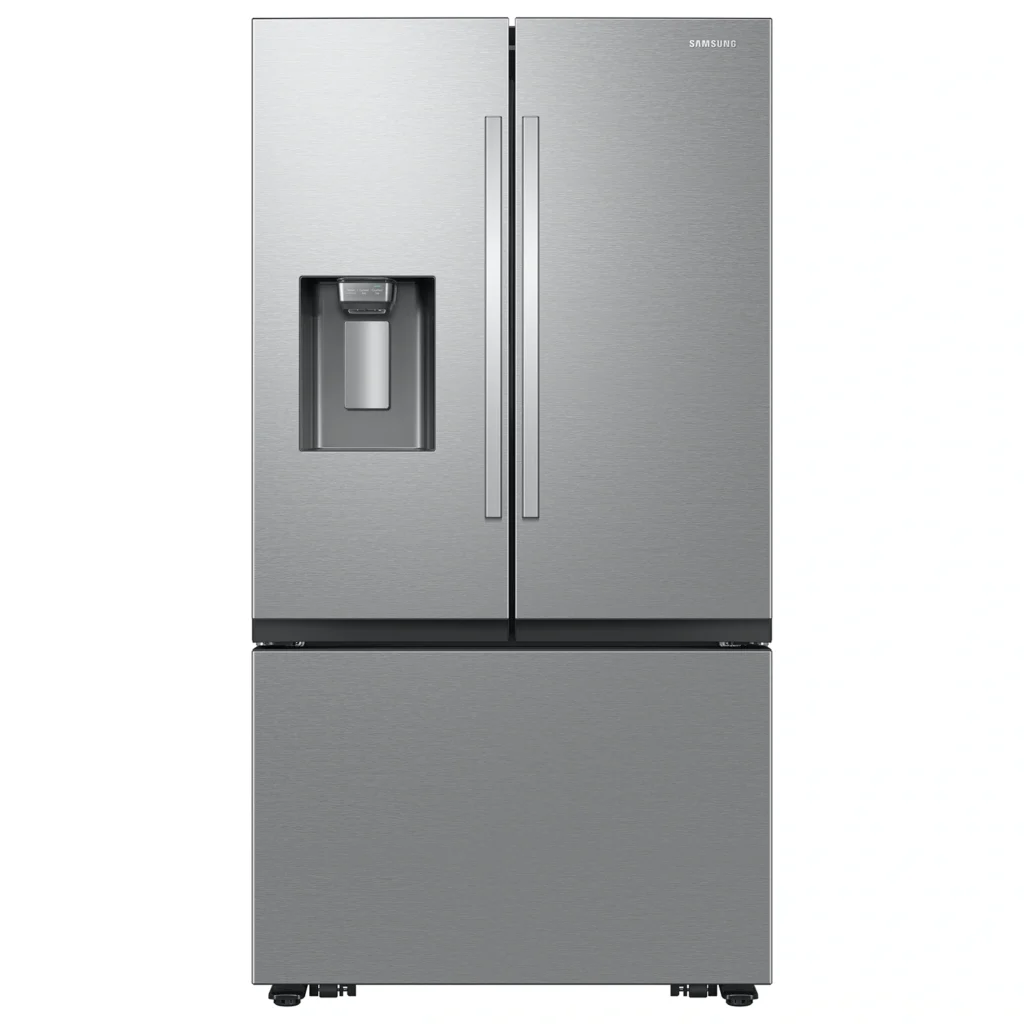
Common failures:
- Icemaker assemblies (gears, fill valves, mold heaters).
- Evaporator fan motors and defrost components.
- Thermistors and control boards (especially in multi-zone units).
- Door gaskets are causing energy loss and warm spots.
Buying implications (2025):
- Look for modular icemakers bolted in with clear service access; avoid sealed-in designs.
- Choose simple airflow paths and a single, high-quality evaporator fan over multiple tiny blowers.
- Prefer mechanical door bins and shelf hardware that don’t rely on fragile clips.
- Skip gimmicky touch panels on doors unless the brand has an excellent parts pipeline.
Ownership tip: Replace water filters on schedule and vacuum condenser coils twice a year; both add years to compressor life.
2) Washing machines (front- and top-load)
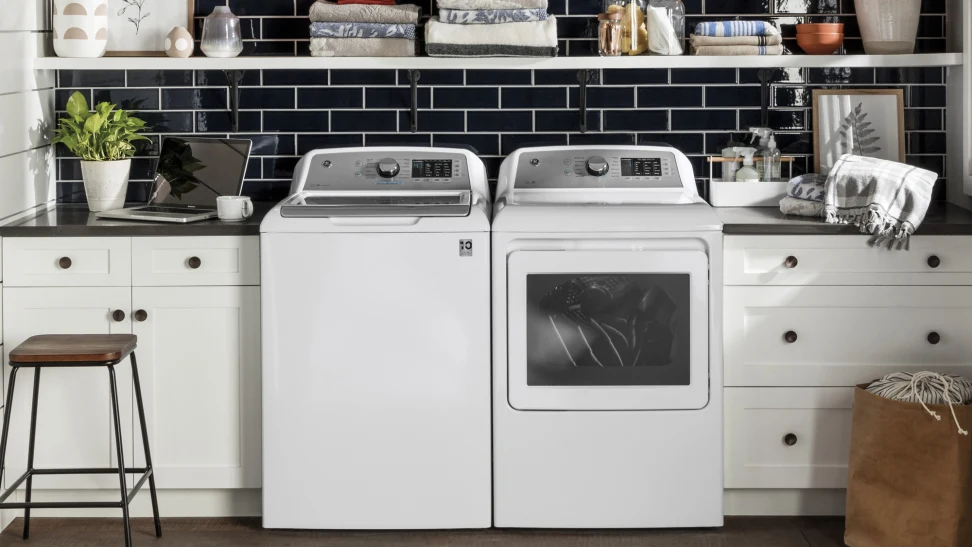
Common failures:
- Drain pumps, door/ lid locks, and pressure switches.
- Bearings and spider arms in high-spin front-loaders.
- Control boards after power surges or moisture ingress.
Buying implications (2025):
- Serviceable bearings (replaceable without swapping the entire tub) are worth paying for.
- Accessible clean-out filters save you repair calls for coins and lint clogs.
- Metal hinges and robust door boots reduce leaks and misalignment.
Ownership tip: Run a monthly hot “clean washer” cycle, dose detergent lightly, and keep the door ajar to prevent mildew.
3) Dishwashers
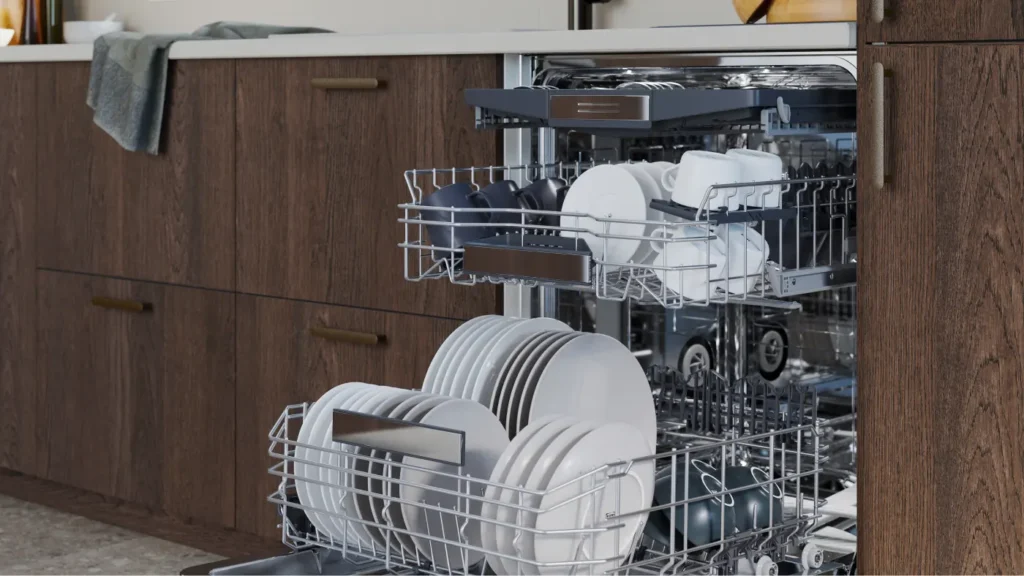
Common failures:
- Circulation/ drain pumps and diverter assemblies.
- Door latch/strike mechanisms and float switches.
- Heating elements in machines that do high-temp sanitizing cycles.
Buying implications (2025):
- Stainless-steel tubs handle heat better and resist odors.
- Removable filter baskets that are truly reachable (no tools) cut pump strain.
- Simple racks with metal axles outlast fancy, delicate foldables.
Ownership tip: Rinse large solids, clean the filter monthly, and occasionally run a descaling cycle if you have hard water.
4) Ovens & ranges (gas and electric)
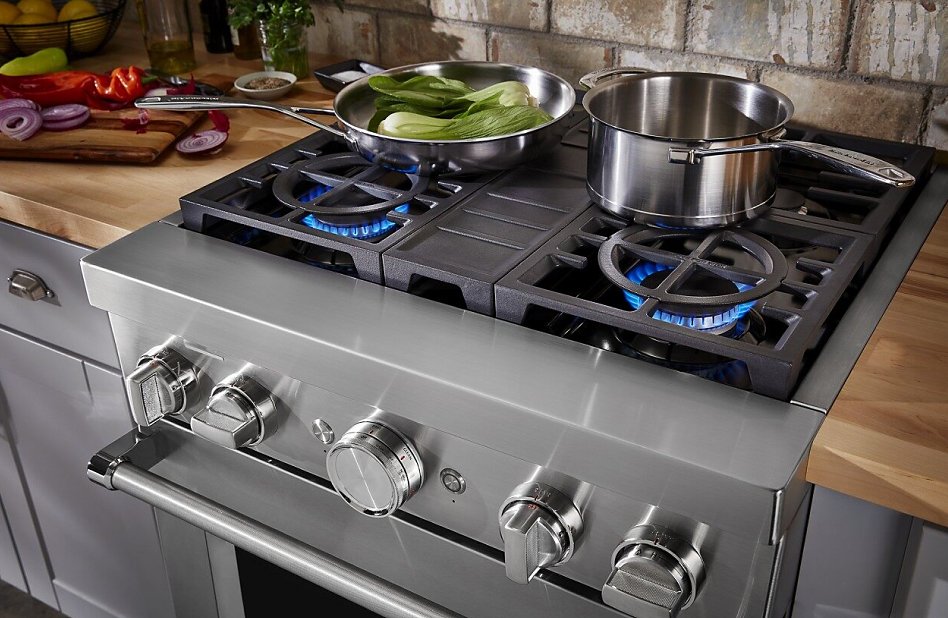
Common failures:
- Igniters and temperature sensors.
- Control boards and touchpads are exposed to heat plumes.
- Door hinges and seals are affecting heat retention.
Buying implications (2025):
- Front-panel ventilation that routes heat away from electronics extends board life.
- Standardized igniters and sensors (widely available) keep repair costs sane.
- Analog backup controls (physical knobs) are nice when a touch panel glitches.
Ownership tip: Keep spillovers off the igniter area and avoid using foil to block vents—trapped heat cooks electronics.
5) Dryers
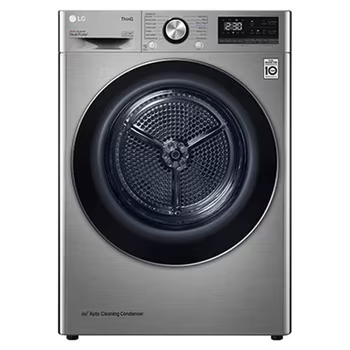
Common failures:
- Thermal fuses from lint-restricted airflow.
- Drum rollers/ glides leading to thumping noises.
- Moisture sensors are becoming coated and reading “dry” prematurely.
Buying implications (2025):
- External, rigid metal venting with short runs beats any “smart” feature for reliability.
- Easy front access to the lint chute and blower housing makes maintenance realistic.
- Heat-pump dryers run cooler and save energy, but ensure local parts support before buying.
Ownership tip: Clean the full vent path annually; a clear vent reduces cycle times and protects fuses and heaters.
6) Microwaves (countertop and OTR)

Common failures:
- Magnetrons and high-voltage diodes.
- Door switches and control pads.
- Cooling fans clogged with grease in OTR models.
Buying implications (2025):
- Standard cavity sizes and common parts help; avoid exotic dimensions that force a full replacement.
- Physical buttons tend to outlast ultra-thin membrane touchpads.
- Removable, washable filters are a must for OTR units.
Ownership tip: Treat the grease filters like you would range hood filters—wash regularly to keep airflow moving.
7) Coffee/espresso machines & small smart appliances
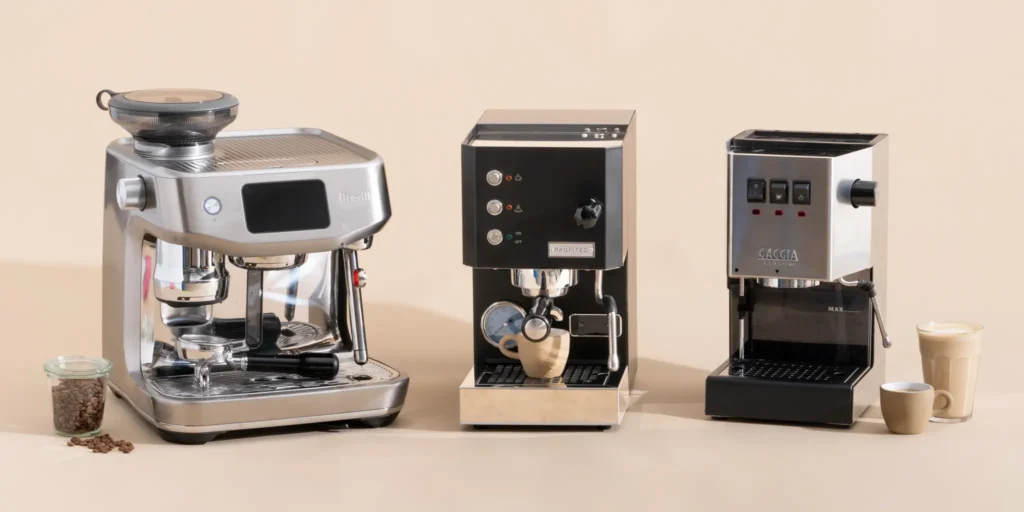
Common failures:
- Scale-clogged boilers and solenoids.
- Leaky o-rings and cracked plastic wands.
- App/firmware glitches that disable otherwise healthy hardware.
Buying implications (2025):
- Descale-friendly designs and widely available food-grade seals.
- Manual overrides so you’re not stranded by a software update.
- Parts availability trumps brand mystique in this category.
Ownership tip: Use filtered water, descale on schedule, and store spares (gaskets, screens) if you’re a daily user.
What does this mean when you’re buying in 2025

Choose serviceability over sizzle
- Parts pipeline: Favor brands with 7–10 years of parts support and clear diagrams.
- Modular assemblies: Icemakers, pumps, door locks, and boards that unbolt without disassembling half the machine.
- Standard fasteners: Phillips and Torx beat proprietary triangles you’ll never use again.
Prioritize protection for the electronics you’re paying for
- Surge protection: A $20–$40 surge protector is cheap insurance for washers, fridges, and ranges.
- Thermal management: Look at venting around control panels; if the display lives above an oven door, heat matters.
Right-to-repair & diagnostics
- Built-in test modes and error-code transparency make self-triage fast.
- Service manuals that are actually public—some brands bury them, others embrace them.
- Removable panels (back or bottom) without sealing adhesives.
Smart, not fussy
- Core features first: Quiet motors, durable racks/hinges, stainless tubs.
- Wi-Fi as a helper, not a crutch: Helpful for notifications and basic diagnostics; unnecessary for heating water or spinning a drum.
Warranty that means something
- Separate coverage for high-failure parts (icemakers, bearings, boards) is worth more than a blanket “one year.”
- Labor vs. parts: Read the fine print; a part covered without labor still hurts.
Repair vs. replace: a practical rule of thumb
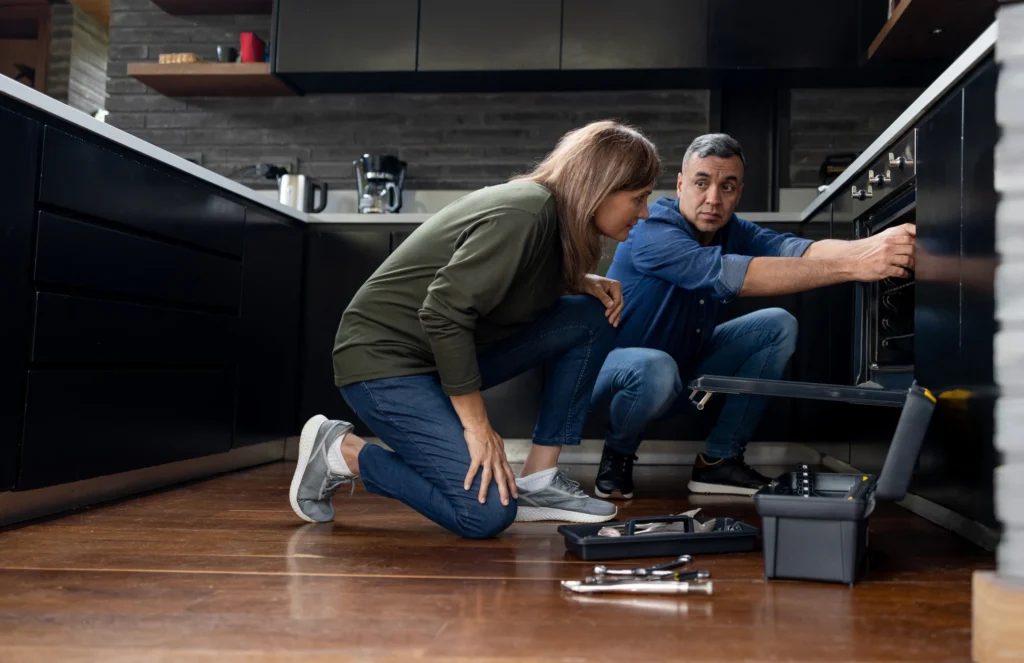
- Under 5 years old: Repair if the fix is <40% of replacement cost and parts availability is good.
- 5–8 years: Consider reliability history; repair if <30% of replacement and no major wear items (e.g., washer bearings) are looming.
- 8–12 years: Replace unless the fix is minor and the unit is otherwise exceptional.
- Any age: Replace if the cabinet is rusting through, the tub is cracked, or parts are NLA (no longer available).
Maintenance habits that quietly double appliance life
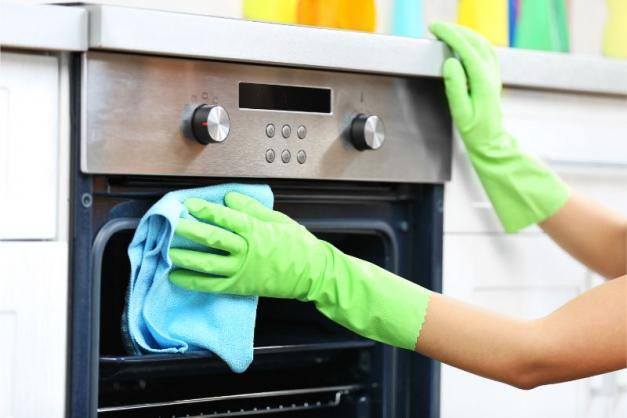
- Level and stabilize: Vibration kills bearings and loosens connectors.
- Descale and de-lint: Hard water and lint choke pumps, valves, sensors, and elements.
- Clean the condenser/vent: Heat is the enemy of electronics and compressors.
- Right detergent, right dose: Over-sudsing stresses pumps and can trigger sensor errors.
- Open the door: Air out washers and dishwashers after use to prevent microbial growth.
When you need guidance (but not a repair truck)

If you’re diagnosing a noise, code, or small leak—and want a step-by-step plan—browse the free how-tos on Appliance Rescue. Again, they do not perform repairs; the site focuses on Expert Guides, Appliance Tips, and Troubleshooting Advice so you can make informed choices and fix minor issues safely. If you’d like to suggest a topic or ask a follow-up after trying a guide, you can contact us.
Quick buying checklist for 2025
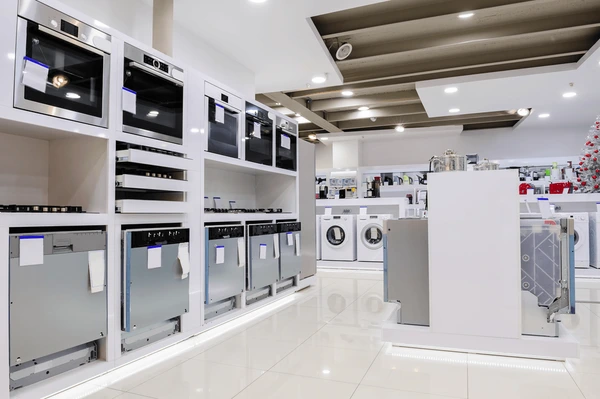
- Does this model have readily available parts (pumps, boards, sensors, gaskets) with public diagrams?
- Are the high-failure components (icemaker, drain pump, door lock) serviceable without a full teardown?
- Is there clear airflow around control boards and a robust vent path (for dryers and ranges)?
- Are there manual overrides if the smart features act up?
- Does the brand publish diagnostic codes and test modes?
- Is the warranty explicit about labor on high-risk parts?
Bottom line
In 2025, the appliances most likely to need attention are the ones that mix water, heat, and moving parts—fridges, washers, dishwashers, ovens, and dryers—plus a long tail of small, smart gadgets. You can tilt the odds in your favor by choosing models designed for serviceability, with honest airflow, modular parts, and published diagnostics. Pair that with simple maintenance, and you’ll spend less time scheduling repairs and more time enjoying a kitchen and laundry room that simply work. When in doubt about a noise, code, or option, check a practical guide first at Appliance Rescue or Contact us to request a topic.