
Understanding Refrigerator Temperature Fluctuations
A refrigerator doesn’t hold one perfectly flat temperature. It cycles. A small swing—think a couple of degrees—keeps the compressor from running nonstop. But when milk sours early, lettuce wilts on Tuesday, and ice cream softens by Thursday, you’re seeing more than routine cycling. Below is a clear, structured guide to help you tell normal behavior from a problem, pinpoint the likely cause, and steady the temperature again—without jumping straight to a costly service call.
Quick target: Fridge ~ 37–40°F (3–4°C). Freezer at 0°F (-18°C). Some day-to-day drift is expected; big spikes aren’t.
What Counts as “Normal” vs. “Problem” Fluctuation

- Normal cycle: The compressor stops at a set point and restarts a few degrees later (hysteresis). You’ll often see a gentle ±2–3°F (±1–1.5°C) swing near the middle shelves.
- Problem signs: Swings larger than ~5–7°F, long warm spells after door openings, or frequent food spoilage and frost patterns. If a shelf is freezing while another is warm, airflow or sensor placement is likely involved.
Common Causes of Temperature Fluctuations

1) Frequent or Long Door Openings
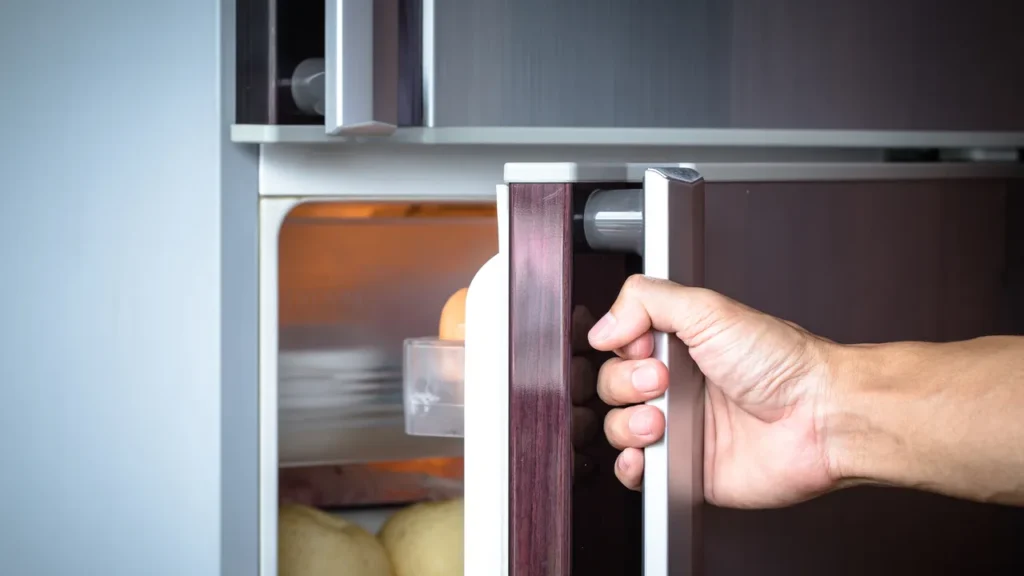
Every open door dumps in a wave of warm, humid air—especially in hot kitchens or during meal prep. That air needs time (and energy) to cool and dehumidify, so readings bounce.
Stabilizers: Group trips to the fridge, shut the door fully, and store quick-grab items up front.
2) Incorrect Thermostat or Control Settings

A control set too warm, a “vacation/energy saver” mode engaged, or an accidental bump on touch panels nudges averages upward. Some models also display a set temperature rather than the actual temperature, causing confusion.
Stabilizers: Verify modes are off, set 37–38°F (3°C) for the fresh food section, and give the unit 24 hours to respond after changes.
3) Overloading—or Underloading

Overpacked fridges block air vents and create warm pockets; nearly empty ones have poor thermal mass, so temperatures swing more dramatically when the door opens.
Stabilizers: Keep vents clear, use bins to channel airflow, and add a few bottles of water to increase thermal mass if the fridge is sparsely stocked.
4) Blocked Air Vents or a Sticking Damper
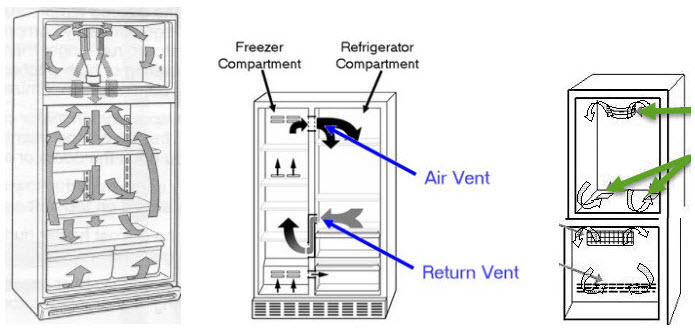
Most refrigerators push cold air from the freezer into the fresh food section. If return/ supply vents are blocked by containers—or the air damper sticks—one area can overcool while another warms.
Stabilizers: Locate the vents (often along the rear or side walls) and keep a clear zone of a few inches. Listen for the damper; if you hear clicking or no movement at all, that’s a clue.
5) Dirty Condenser Coils (or a Weak Condenser Fan)

Dust-matted condenser coils shed heat poorly, forcing longer, hotter cycles. A failing condenser fan behind or beneath the fridge produces similar symptoms and may come with a buzzing/humming change.
Stabilizers: Unplug the unit. Brush/vacuum the coils (usually behind a toe-kick grille or at the back) and verify the fan spins freely when powered.
6) Evaporator Frost Build-Up or Defrost Issues
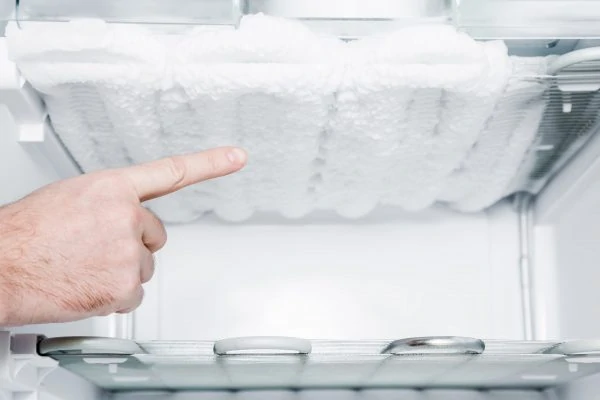
If the evaporator coil inside the freezer is encased in frost, airflow drops, temperatures drift, and recovery after door openings slows. A defrost system fault (heater, thermostat, or timer/control) is a usual suspect.
Stabilizers: Look for unusual frost patterns on the freezer wall and reduced fan noise/air movement. Manual defrost (power off, door open) can be an interim step; the root cause still needs attention.
7) Ambient Room Temperature and Placement
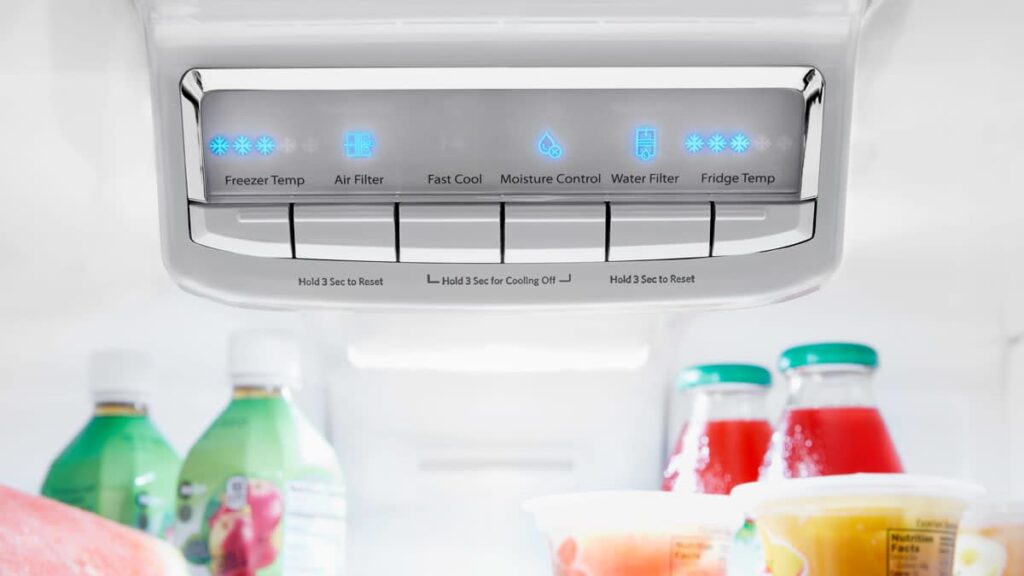
Fridges are rated for certain climate classes. In hot kitchens, tight alcoves, or garages without climate control, compressors run hard and temperature swings widen—especially after door openings. Direct sun and ranges nearby don’t help.
Stabilizers: Allow at least 1–2 inches (2.5–5 cm) of clearance around sides/top/back. Avoid direct heat sources. In unconditioned spaces, expect more variability.
8) Door Gasket Leaks or Misalignment
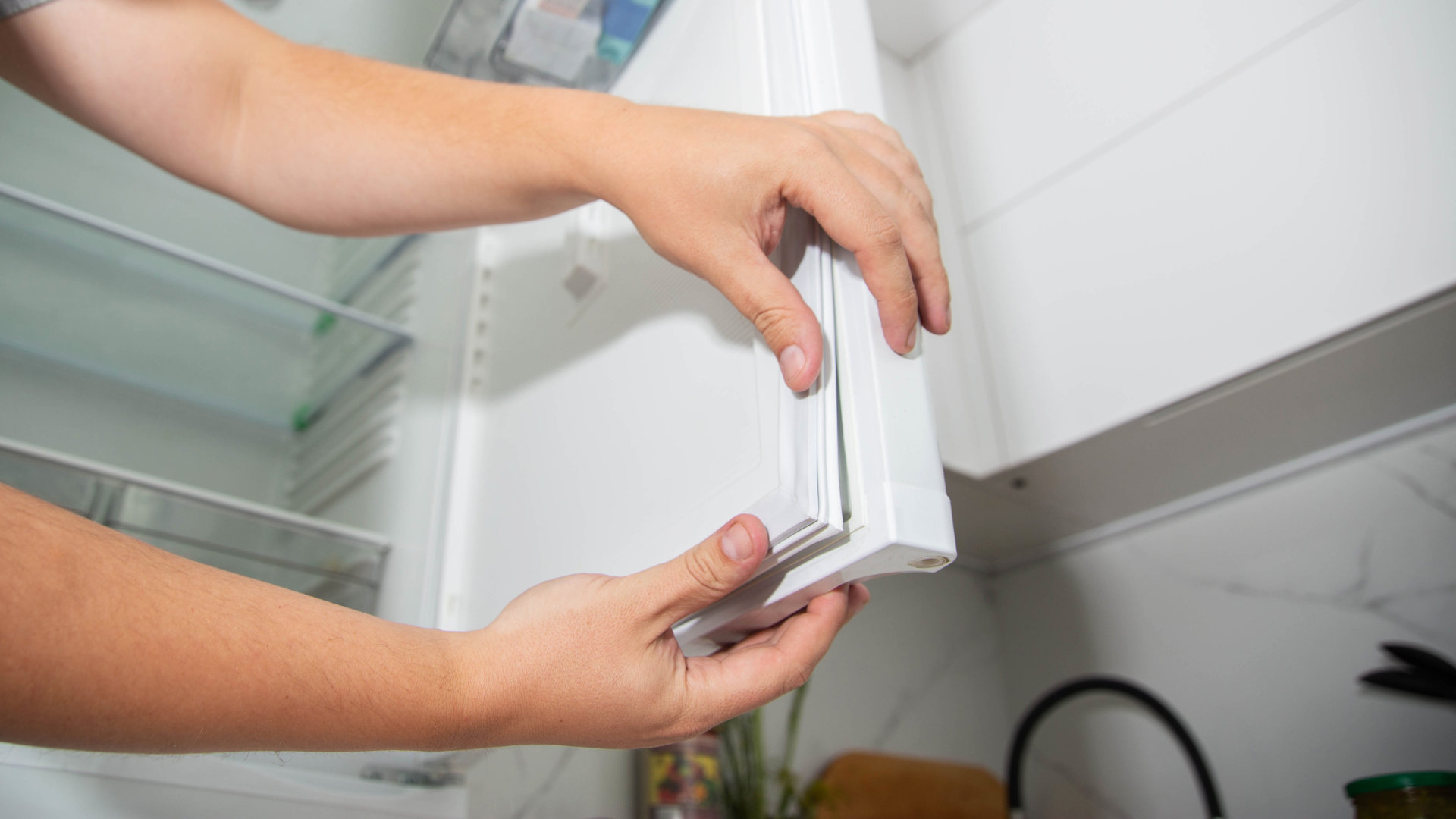
A worn, torn, or dirty gasket leaks cold air, inviting ongoing warm, humid infiltration. Misleveled doors can prevent a full seal.
Stabilizers: Inspect the gasket; close a thin paper strip in several spots. If it slips out easily, the seal is weak. Clean with mild soap; replace or re-seat if warped. Level the appliance so the doors self-close.
9) Warm Food Loads and Hot Containers
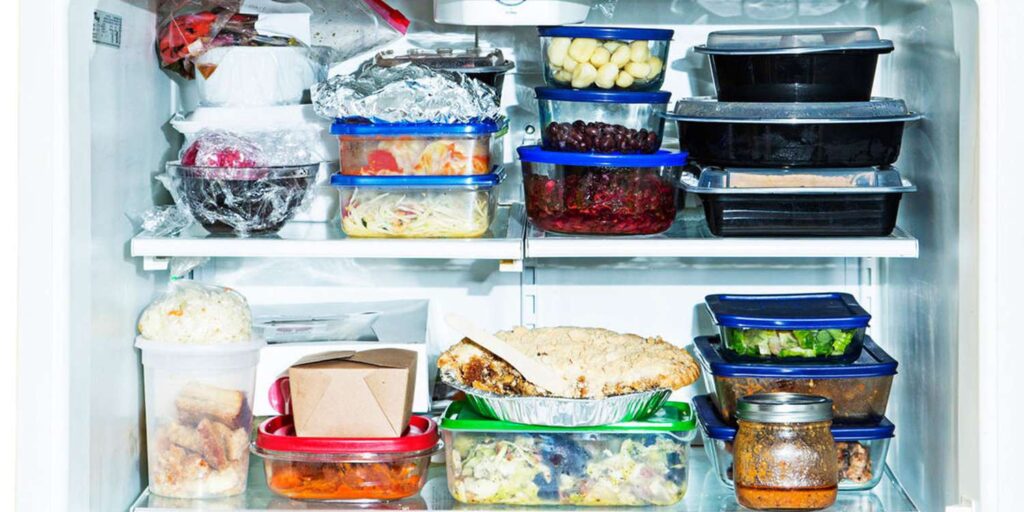
Placing large pots of warm leftovers inside spikes the temperature until the thermal load cools. Closed, hot containers can also trap steam that condenses into frost later.
Stabilizers: Let foods cool to room temperature (within food-safety windows), portion into shallow containers, and space them to allow airflow.
10) Sensor/Probe Location and Control Board Quirks

Thermistors (sensors) tucked behind panels read air that might not match the center shelf. If a sensor drifts out of spec, the control may short-cycle or overshoot. Rarely, control boards exhibit erratic logic after brownouts.
Stabilizers: Power-cycle after outages (unplug for 5 minutes), then monitor. If wild, inconsistent readings persist, a sensor or control fault is possible.
11) Ice Maker and Defrost Heat Effects
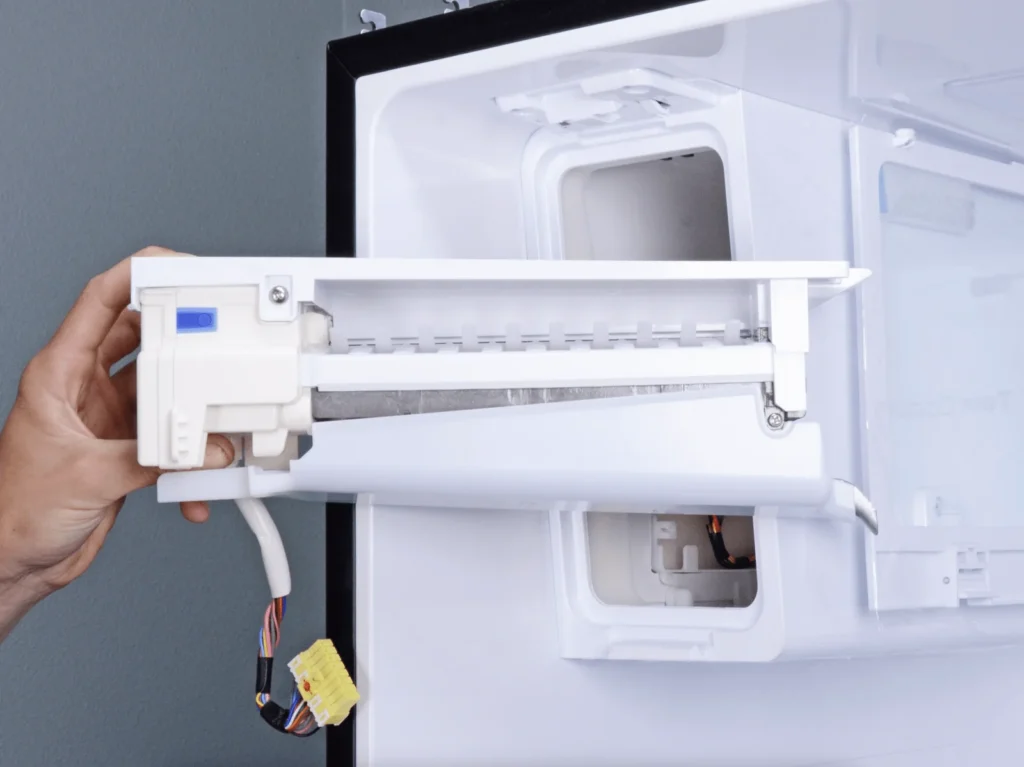
Auto-fill and defrost cycles introduce short, predictable bumps. You’ll see temporary rises, then a return to normal—nothing to worry about if the average holds.
Stabilizers: Track trends over 24–48 hours rather than reacting to momentary spikes.
How to Measure the Temperature Correctly (and Sanely)
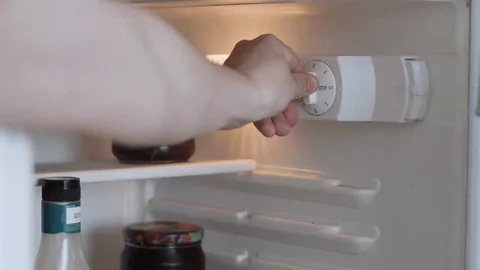
- Use a fridge thermometer in water: Put a simple analog/digital thermometer inside a small glass of water on the middle shelf. Water averages short-term air swings and reflects food temperature.
- Check after a quiet period: Avoid measuring right after door openings or during a defrost cycle.
- Log for a day: Note highs/lows morning and evening; you want a stable average, not perfection on each minute.
Step-by-Step: Stabilize a Fluctuating Fridge

- Confirm targets: Set 37–38°F (3°C) fridge, 0°F (-18°C) freezer; wait a full day.
- Clear airflow: Move items off rear/side vents; leave space above shelves.
- Gasket & leveling: Clean and inspect the seal; adjust feet so doors close firmly.
- Coils & condenser fan: Unplug, clean coils, and confirm fan operation.
- Defrost check: Look/listen for reduced airflow or frost buildup. If present, perform a careful manual defrost and monitor.
- Loading habits: Add thermal mass if nearly empty; avoid hot, bulky additions.
- Environment: Ensure clearance and reduce nearby heat sources where possible.
- Re-evaluate with a water-glass thermometer over 24–48 hours.
If temperatures still swing wildly after these steps, you may be looking at a failing sensor, damper, or control component.
When It’s Time to Seek More Guidance

Some issues (sensor calibration, sealed-system performance) are tougher to diagnose at home. For plain-language walkthroughs, check expert guides and DIY diagnostics at Appliance Rescue—they focus on Expert Guides, Appliance Tips, and Troubleshooting Advice rather than repair services. If you’re stuck on a specific symptom or want help interpreting your measurements, you can also Contact us for guidance and content suggestions.
Safety Notes
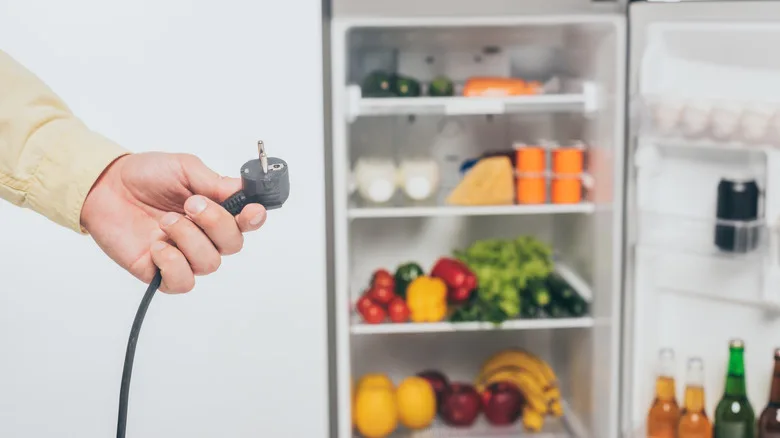
- Always unplug the appliance before cleaning coils or accessing fan areas.
- Avoid using sharp tools to remove frost; let ice melt to protect coils and liners.
- If you smell burning or see sparking, disconnect power immediately and consult a qualified technician.
Bottom Line
A refrigerator that drifts a little is doing its job; one that swings a lot is sending a message. Start with airflow, seals, settings, and coils—these solve a surprising number of complaints. Measure temperature the right way, give changes time, and lean on clear, step-by-step guides from Appliance Rescue or reach out via Contact us for more troubleshooting insight.