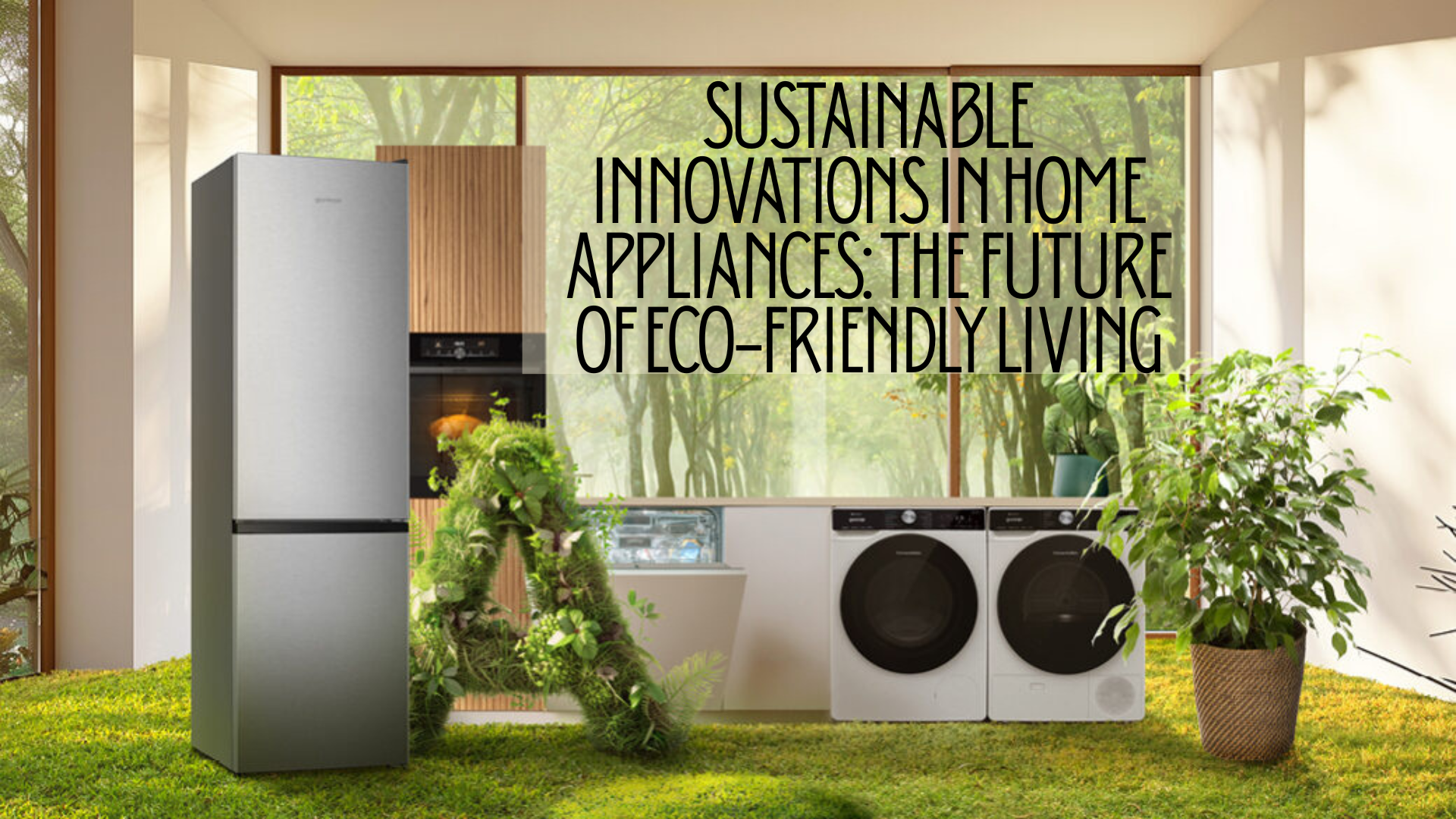

Energy-Efficient Appliances Shaping the Future of Green Homes
Modern appliances are no longer just about convenience; they’re rapidly becoming the backbone of an efficient, low-carbon home. From refrigerators that sip energy to washers that recycle water mid-cycle, the industry is pivoting toward sustainability because—let’s be honest—households are where a lot of real climate progress can happen. Below, we explore the technologies, design shifts, and daily habits that are quietly transforming kitchens and laundry rooms into cleaner, smarter spaces.
Why home appliances are a big climate lever
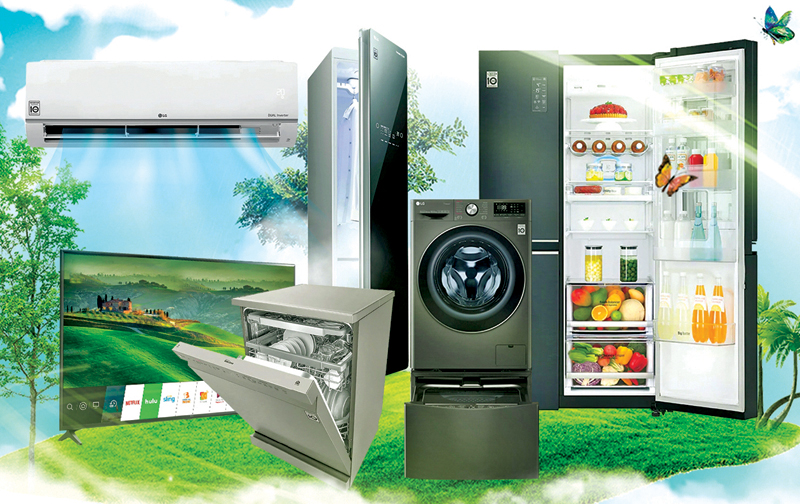
Appliances drive a significant share of residential electricity use and water consumption. Every incremental gain in efficiency pays off across millions of homes. But meaningful progress isn’t just about buying “the green model.” It’s also about how devices are designed, how long they last, how easily they can be repaired or updated, and how you actually use them day-to-day.
12 sustainable innovations to watch (and adopt)
1) Inverter and variable-speed motors
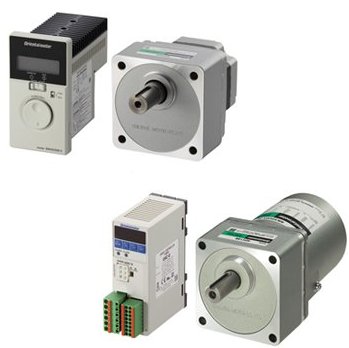
Traditional motors run flat-out or not at all. Inverter technology continuously adjusts speed to match the task—keeping refrigerators at steadier temperatures, washers gentler on fabrics, and HVAC equipment less power-hungry. The result: lower kilowatt-hours, less noise, and longer component life.
2) Heat-pump dryers and washers
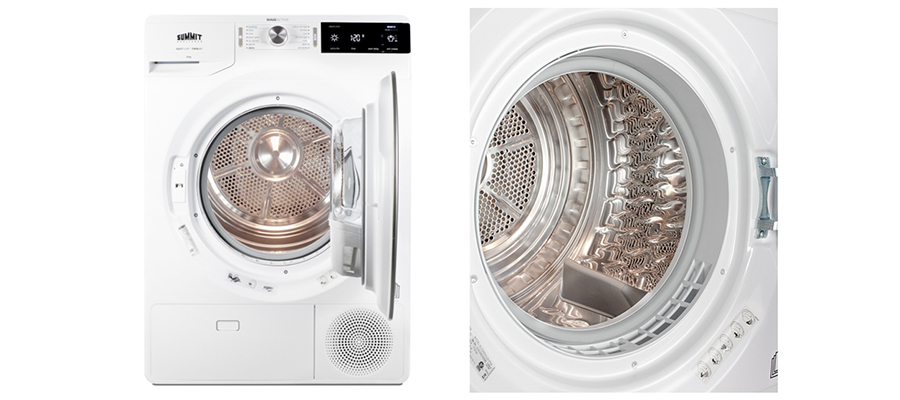
Heat pumps move heat rather than creating it, slashing energy use compared with resistance elements. Heat-pump dryers work at lower temperatures (friendlier to fabrics) and don’t require external venting in many cases—a bonus for apartments or tricky retrofit spaces. Combo washer-dryers with heat pumps are emerging as true space savers.
3) Induction cooktops
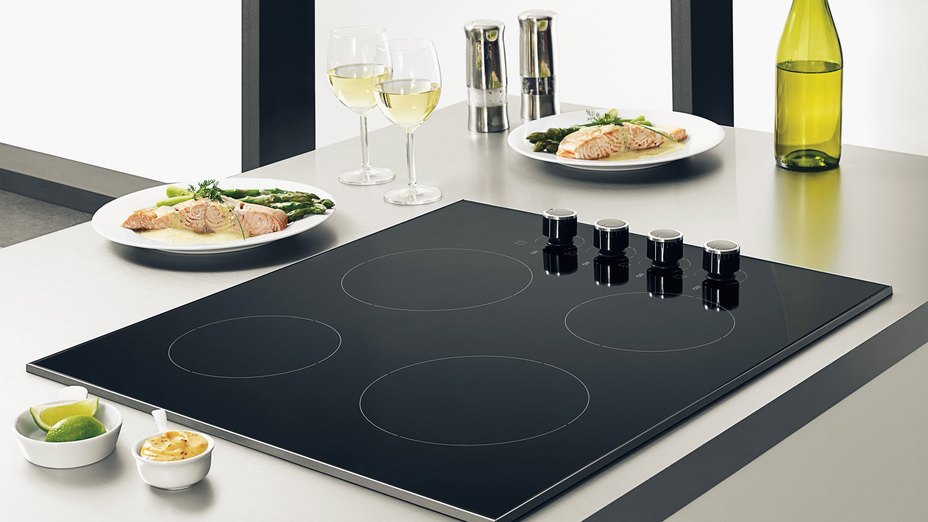
Induction transfers energy directly to ferromagnetic cookware. You get faster boil times, fine-grained control, and cooler kitchens because less heat goes astray. For households concerned with indoor air quality, induction also avoids combustion byproducts from gas.
4) Adaptive defrost and smart refrigeration

Modern fridges monitor door openings, ambient humidity, and coil conditions to trigger defrost only when needed. Some models balance multiple evaporators to keep produce crisper while saving energy. Small software smarts equal big lifetime savings.
5) Demand-response and time-of-use readiness
Appliances that can shift cycles to off-peak hours help stabilize grids and make better use of renewables. Picture a dishwasher that starts when wind power is abundant at night or a water heater that preheats during solar-rich afternoons.
6) On-device energy dashboards
Appliance interfaces increasingly show estimated cycle cost and carbon intensity. Real-time feedback nudges behavior: shorter cycles, colder washes, and fuller loads (the unglamorous but powerful trifecta).
7) Water-savvy designs
From recirculating pre-rinse jets in dishwashers to load-sensing washers that tailor fill volumes, water use is trending down. Some systems even reclaim heat from outgoing greywater to pre-warm the next cycle—simple physics, clever savings.
8) Low-impact refrigerants
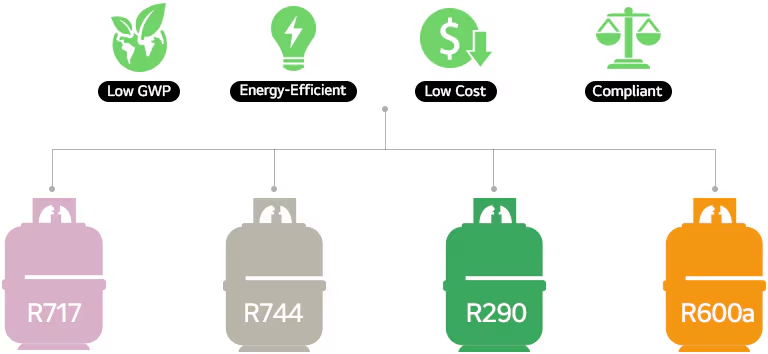
Next-gen refrigerants with lower global-warming potential (GWP) are replacing legacy gases. While still handled by certified technicians, these smaller environmental footprints matter across millions of sealed systems.
9) Durable, modular construction
Sustainability isn’t sustainable if a hinge failure means a landfill trip. More brands are adopting modular assemblies, standardized fasteners, and accessible parts. The goal: easier repairs, fewer throwaways, longer lifespans.
10) Post-consumer recycled (PCR) materials
Cabinets, insulation, and even wiring harnesses are increasingly made with PCR content. This knocks down the embodied carbon of each unit and builds end-of-life recycling pathways into the design from the start.
11) Firmware updates that age gracefully
The best smart features are the ones that don’t strand you when an app changes. Look for appliances with local controls, over-the-air updates, and clear end-of-support policies. Longevity is an environmental feature—full stop.
12) Quiet, efficient ventilation
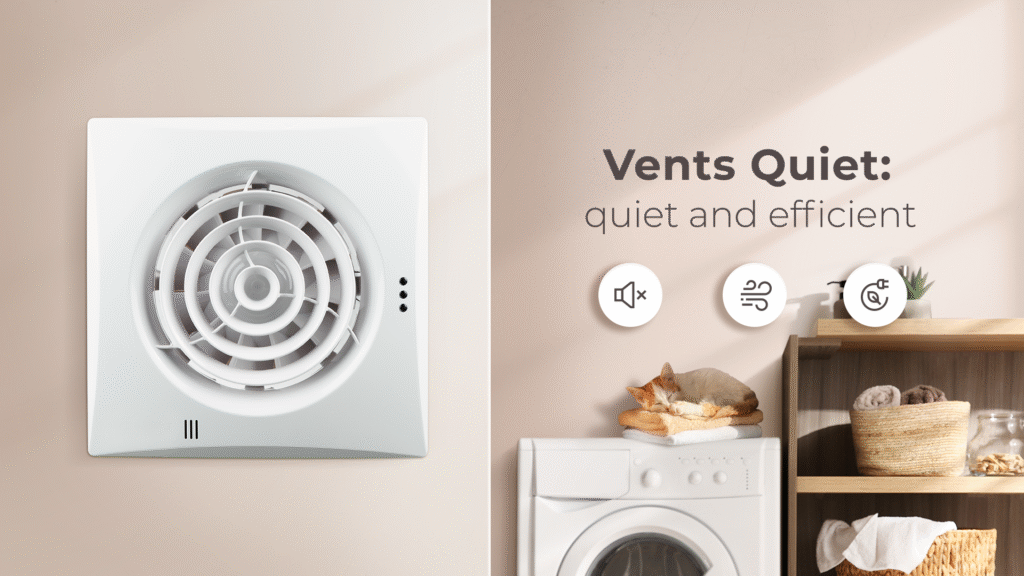
Range hoods with variable speed and auto-sensing keep air clean at the lowest effective setting. Quieter systems get used more often, which is the whole point.
The circular kitchen and laundry: design for repair, reuse, recycle
A truly eco-friendly appliance begins with design for disassembly. Clear component labeling, recyclable plastics, and take-back programs reduce waste and recover valuable materials. When you shop, check for:
- Availability of common parts (seals, fans, pumps) for at least 7–10 years
- Service documentation published openly (not hidden behind paywalls)
- Screw-based fasteners instead of hard-to-remove adhesives
- Warranty terms that reward repair over replacement
How to choose greener appliances (a quick field guide)

- Right-size the capacity. Oversized fridges or washers waste resources.
- Prioritize core efficiency. Look for high energy and water performance over flashy smart features.
- Check noise ratings. Quiet machines often reflect better engineering and smoother, lower-energy operation.
- Interoperability matters. Open standards and simple controls age better than brand-locked ecosystems.
- Consider the total cost of ownership. The cheapest sticker price can hide higher utility bills and shorter lifespans.
Smarter habits that stack savings
Technology helps, but behavior still carries weight. A few practical moves:
- Wash clothes in cold water—modern detergents are formulated for it.
- Air-dry when possible; if not, use a heat-pump dryer or a moisture-sensor setting.
- Run full loads in dishwashers and washers; half loads nearly double per-item impact.
- Use lids and matching pans on induction to keep heat where it belongs.
- Keep coils and filters clean. Maintenance is the quiet hero of efficiency.
Indoor air quality: the forgotten sustainability metric
Energy and water often get top billing, but air quality is integral to healthy, sustainable homes. Effective range hoods, induction cooking, and sealed-combustion appliances cut particulate and NOx exposure. The greenest watt saved shouldn’t come at the expense of the air you breathe.
Incentives and certifications (briefly)
Government and utility incentives frequently target high-efficiency heat-pump water heaters, heat-pump dryers, and smart thermostats. Energy labels and independent performance certifications can help you compare models on equal footing. When in doubt, validate claims across multiple references—not just a glossy brochure.
Avoiding “greenwashing” in the showroom
A label alone isn’t proof. Ask:
- What’s the refrigerant GWP?
- Are repair manuals and parts publicly available?
- How long is software support guaranteed?
- What percentage of materials are recycled or recyclable?
If the sales pitch dodges these, keep looking.
The next wave: what’s coming soon
- Solid-state cooling research aims to ditch compressors altogether for silent, lower-impact fridges.
- Micro-heat recovery in dishwashers and washers will become common, shaving cycle energy.
- AI-assisted load detection could recommend optimal cycles and detergents—useful, provided it stays privacy-respectful and works offline.
Learning, troubleshooting, and making better decisions

Not every problem calls for a service appointment. Reliable, human-readable guidance helps you use what you own more efficiently and safely. Appliance Rescue is one such resource focused on Expert Guides, Appliance Tips, and Troubleshooting Advice—important note: they do not offer repair services. If you have suggestions, questions, or want to request a guide, you can Contact us and share what you’d like to see covered next.
Bottom line
Sustainable living at home is less about a single “green gadget” and more about a stack of good choices: efficient core technologies (heat pumps, induction, inverters), repair-friendly design, smart usage, and honest information. The payoff is tangible—lower bills, longer-lasting gear, cleaner air, and, frankly, a calmer home. Start with one upgrade or habit shift, then keep going; momentum is the most renewable resource you have.