

Range Hood Filters Explained: Identify Your Type and Clean It for Maximum Ventilation
Grease happens. Cooking sends tiny oil droplets and steam into the air, and your range hood’s first line of defense—the filter—catches the mess before it coats cabinets, walls, and lungs. Keep those filters clean and you’ll get quieter operation, stronger suction, and a kitchen that actually smells like dinner (not last week’s stir-fry). This guide breaks down how to tell which filter you have (baffle or mesh), how often to clean it, exactly how to degrease it without damage, and a few pro habits that make a big difference over time.
Quick note: Appliance Rescue provides expert guides, appliance tips, and troubleshooting advice. They do not offer repair services. If you’d like to ask a question or suggest a topic, you can Contact us.
Why filter maintenance matters (more than you think)

- Airflow & capture efficiency: A clogged filter creates back-pressure, so smoke escapes and odors linger.
- Fire safety: Grease-soaked filters can ignite under high heat. Clean filters reduce that risk.
- Noise: Fans have to work harder through congestion, which means more whine for less air.
- Energy & lifespan: Lower resistance = less strain on the motor and a longer service life.
Identify your filter type in 30 seconds
Baffle filters (typically stainless steel)

- Look & feel: Heavy, rigid panels with a repeating series of angled, “S”-like baffles.
- How they work: Change the airstream’s direction so grease droplets slam into the metal and drain away.
- Pros: Durable, often dishwasher-safe, maintain airflow even when partially dirty.
- Cons: Heavier; can be pricier to replace.
Mesh filters (aluminum or stainless mesh)
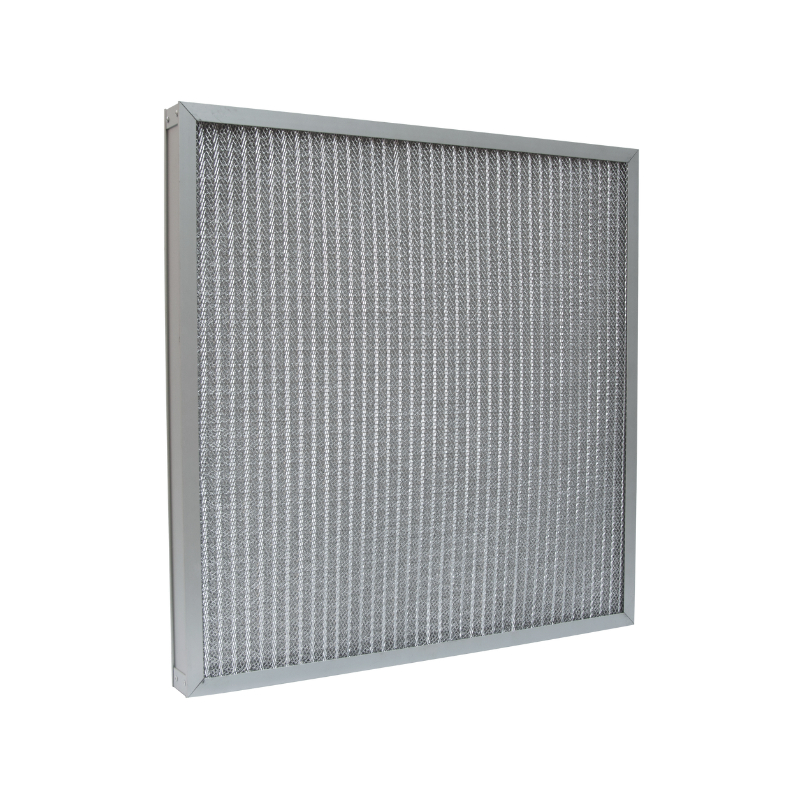
- Look & feel: Thin frame with layers of fine metal mesh—almost like a metal sponge sandwiched flat.
- How they work: Grease is trapped within the mesh layers as air passes through.
- Pros: Lightweight, inexpensive, common in residential hoods.
- Cons: Clogs faster; aluminum can discolor or pit with harsh cleaners or dishwasher detergents.
Bonus: Charcoal (carbon) filters—ductless only
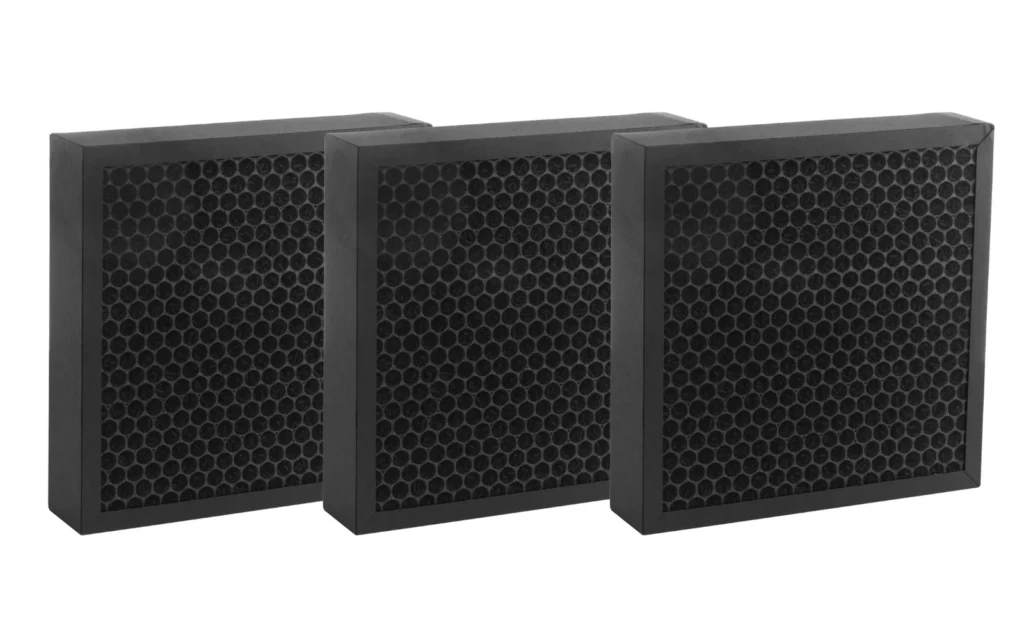
- Purpose: Odor removal when your hood recirculates air (no exterior vent).
- Care: Not washable. Replace on a schedule (see below).
How often should you clean range hood filters?

There isn’t a one-size-fits-all date; it depends on what and how you cook. Use this as a practical rule of thumb:
- Frequent frying, wok cooking, heavy searing (4–7 nights/week):
Clean every 1–2 weeks. - Balanced home cooking (2–4 nights/week):
Clean every 4–6 weeks. - Light cooking or mostly baking (1–2 nights/week):
Clean every 2–3 months. - Charcoal (carbon) filters in ductless hoods:
Replace every 3–6 months or when odors linger despite cleaning the metal filter.
Two quick signals you’ve waited too long: (1) the hood is louder but weaker, (2) a paper towel pressed lightly to the filter comes away oily.
The safest degreasing methods (by filter type)
Before you start: Switch the hood off, cut power if hardwired, and let hot parts cool. Wear gloves; grease plus detergent is rough on skin.
For baffle filters (stainless steel)
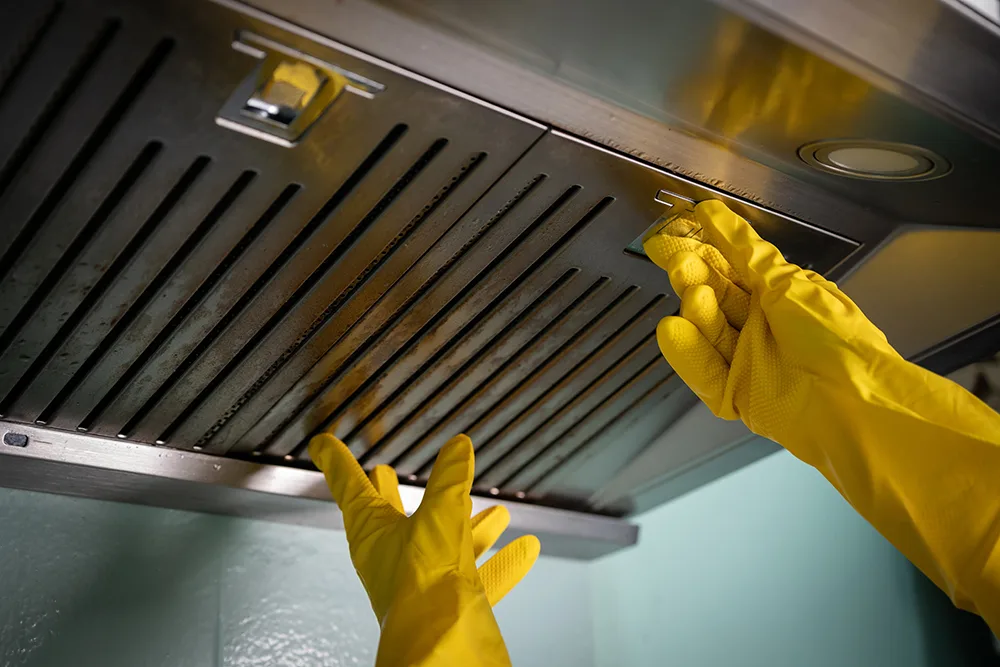
Best methods:
- Dishwasher (top rack) with a standard, non-caustic detergent
- Place filters vertically if possible so the spray can penetrate the channels.
- Use normal or heavy cycle, no heated dry (air-dry to prevent water spots).
- Rinse edges under hot water after to flush any trapped suds.
- Sink soak: hot water + degreasing dish soap
- Add a tablespoon of baking soda per liter of water to cut polymerized grease.
- Soak 10–20 minutes, then scrub along the baffles with a nylon brush.
- Rinse hot; air-dry fully before reinstalling.
- Citrus-based or enzyme degreasers
- Spray, dwell 3–5 minutes, agitate, and rinse. Great for sticky, aged grease.
Avoid: Strong caustic oven cleaners (unnecessary and can dull finishes), steel wool (scratches invite future buildup).
For mesh filters (aluminum or stainless mesh)
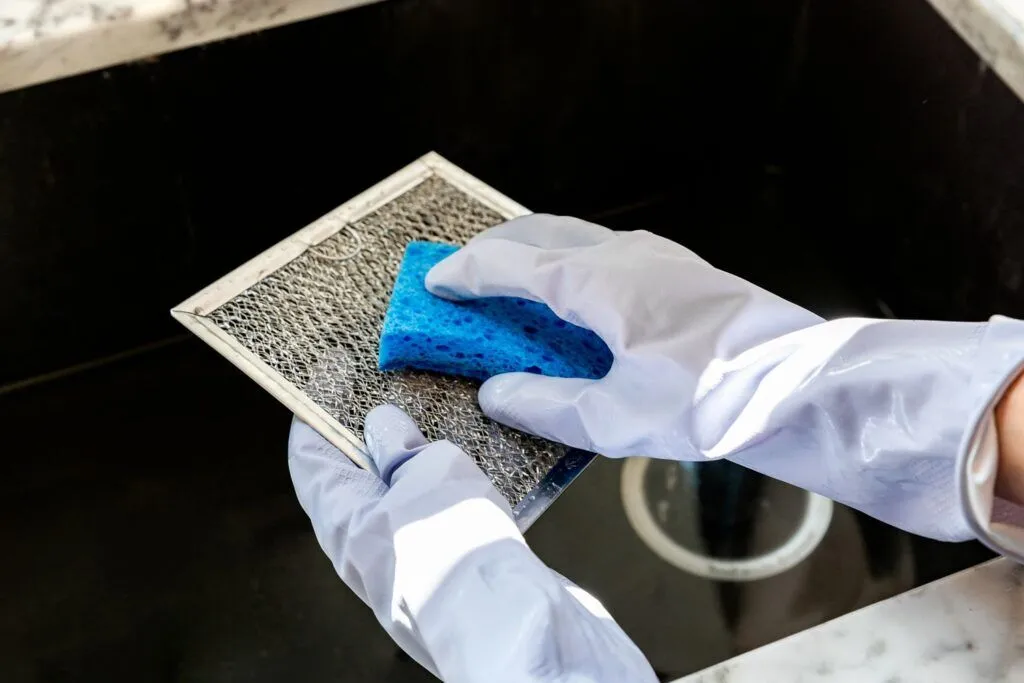
Best methods:
- Gentle sink soak: very hot water + mild degreasing dish soap
- Keep it simple: too-harsh chemistry damages aluminum.
- Soak 10–15 minutes, then tap—not wring—the filter while submerged to dislodge grease.
- Baking soda boost (sparingly for aluminum)
- A small pinch helps; too much can blacken aluminum.
- If your mesh is stainless, you can use the same ratio as above for baffles.
- Dedicated kitchen degreasers labeled safe for aluminum
- Always check the label. Short dwell times (2–3 minutes) and immediate rinsing.
Avoid:
- Dishwasher for aluminum mesh (many detergents are alkaline and will gray or pit the metal).
- Pressure washers (can deform mesh and force grease deeper).
- Abrasive pads (they snag and tear mesh layers).
Final step for both types: dry and re-oil the surrounding area
- Air-dry completely—water left inside baffles can drip into the fan.
- Wipe the filter frame channel in the hood and the surrounding panel with a degreaser; this edge accumulates grime and can drip back onto the cooktop.
Step-by-step cleaning walkthrough (15–30 minutes)
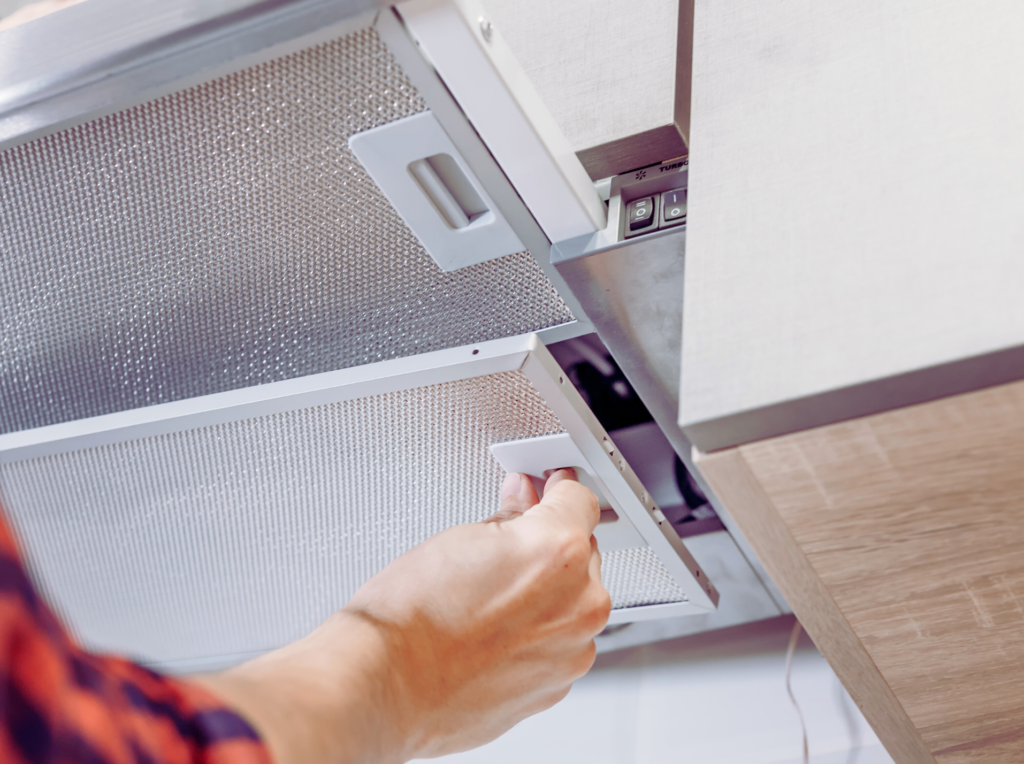
- Remove the filters:
Press the latch or slide tabs; support the panel so it doesn’t drop. - Pre-rinse with hot water:
This melts light grease and improves detergent action. - Soak:
- Baffle: hot water + dish soap (+ baking soda if stainless).
- Mesh: hot water + mild dish soap (minimal baking soda if aluminum).
- Agitate & brush:
Nylon brush or soft bottle brush. Move with the baffle channels or across the mesh grain gently. - Rinse hot & inspect:
Hold to light—if you see glistening patches, that’s remaining oil; repeat the soak for those areas. - Dry thoroughly:
Stand filters upright to let water escape channels; blot edges with a lint-free towel. - Reinstall:
Make sure the pull tab faces outward and the filter sits flat so there’s no rattle.
Peak ventilation habits (small tweaks, big payoff)
- Start the hood early: Switch it on 2–3 minutes before you heat the pan to establish airflow.
- Use proper fan level: High only for intense searing or deep-frying; otherwise, medium captures well without shouting.
- Lid strategy: Partially cover high-splatter dishes to reduce aerosolized oil.
- Ductless owners: Clean metal filters on schedule and replace charcoal cartridges routinely; washing carbon won’t revive it.
- Quarterly deep clean:
- Wipe the fan shroud and the hood’s interior plenum.
- Check for grease pooling — if present, clean more often to reduce drip risk.
- Inspect the duct joint at the collar for oily residue (a sign of leaks).
Troubleshooting: common symptoms and fixes
- Lingering odors after cleaning the metal filter
- Ductless: replace charcoal filter.
- Ducted: look for leaks in the duct or a crushed section restricting flow.
- Rattling or buzzing
- Filter may be misseated; remove and reseat.
- Check that the latch spring isn’t bent.
- Inspect the blower wheel for hardened grease on one side (imbalance).
- Dripping grease onto the cooktop
- Filters are saturated; clean more frequently.
- Verify the hood is level; pooled grease follows gravity.
- Weak capture despite high noise
- Filters clogged or installed backward; baffle vanes must face the airflow path.
- Duct blocked, or damper stuck. Clean and verify flap movement.
Replacement and compatibility quick guide
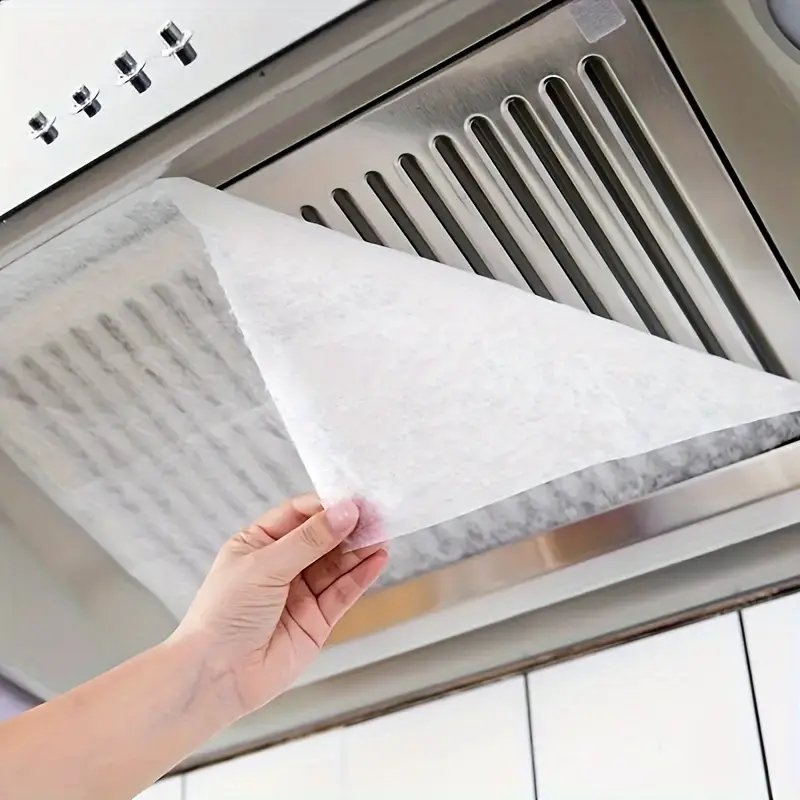
- Baffle filters: Long-lasting; replace if frames warp, baffles separate, or welds crack.
- Mesh filters: Replace when the mesh delaminates, tears, or remains grimy even after soaking.
- Charcoal filters (ductless): Model-specific. Bring the old one or your model number when shopping.
Suggested maintenance schedule you can stick to
- Weekly: Quick visual check; wipe the hood’s intake lip.
- Monthly (most homes): Clean filters (biweekly if you fry often).
- Quarterly: Deep wipe of the plenum and fan shroud; check duct collar.
- Semiannual: Replace charcoal (ductless); tighten loose screws; inspect lights and switches.
Print this, tape it inside a cabinet, and you’ll never guess on timing again.
Safety notes you shouldn’t skip

- Never run the hood without its filters—grease will hit the motor directly.
- Keep solvents away from open flames; extinguish burners before spraying degreaser.
- If you smell a persistent electrical odor, power off and consult a professional.
Where to get more help
Want a printable checklist, brand-specific filter sizes, or a ductless vs. ducted buying explainer? Explore the guides on Appliance Rescue. Have a question or a tricky situation—like a deformed mesh frame or a seized latch? Contact us and suggest a guide.