

What Ignoring Maintenance Really Costs (Plus How to Estimate It)
Preventive maintenance rarely feels urgent—until something fails. When we postpone small checks and tune-ups, we don’t just risk an inconvenient breakdown. We quietly accumulate financial penalties that show up as higher utility bills, shortened appliance life, emergency call-out premiums, property damage, and lost time. This article unpacks those “invisible” costs and offers a practical, spreadsheet-friendly way to estimate them so you can decide, with numbers, when maintenance is worth doing now.
Important note: Appliance Rescue does not offer repair services. Instead, they publish expert guides, practical tips, and troubleshooting advice to help you diagnose issues and decide next steps confidently. If you want help finding the right guide or have a question, Contact us.
Why deferred maintenance is expensive (even when nothing’s “broken”)

When an appliance still turns on, it’s easy to assume you’re saving money by waiting. In reality, neglect usually taxes you in four ways:
- Efficiency drift: Dust-clogged coils, mineral buildup, or worn seals force components to work harder. That means kilowatt-hours and water go up quietly month after month.
- Accelerated wear: Heat and friction compound. Bearings and motors age faster, shortening the appliance’s useful life and pulling forward the next replacement purchase.
- Failure severity: Minor issues that would cost little to fix early can cascade into multi-part, emergency failures.
- Collateral damage: Leaks, scorch marks, or electrical shorts may damage cabinets, flooring, and stored items (hello, food spoilage).
None of these feels like a “line item” in the moment, but together they’re substantial.
A simple model: Total Cost of Neglect (TCN)

Use the following structure to translate “invisible” risks into annual dollars:
TCN (per year) =
- Extra Utilities (energy + water)
- Quality/Output Loss (e.g., food spoilage, poor drying requiring re-runs)
- Emergency Premiums (after-hours rates, rush shipping, ride-share, or laundromat runs)
- Collateral Damage (flooring, cabinets, paint, drywall)
- Lost Time (value of your time)
- Life Reduction (earlier replacement prorated per year)
- Insurance Costs (higher deductibles or premium increases after a claim)
Subtract the Cost of Preventive Maintenance to see your net position.
Estimating each component (with easy, conservative inputs)

Below are inputs you can gather in 15–20 minutes and plug into a worksheet.
1) Extra utilities
- Baseline: Pull last year’s average monthly energy and water usage.
- Observed drift: If an appliance has been noisier, hotter to the touch, or less effective, assume a 2–8% efficiency loss (conservative placeholder) tied to that appliance’s share of household usage.
- Estimation tip: If you can’t isolate by device, assume:
- Refrigerator: ~10–15% of household electricity
- Dryer: ~6–10%
- Dishwasher: ~2–4%
- Washer: ~1–2%
These are broad planning placeholders—swap in your own sub-meter or smart-plug data if you have it.
Formula:Extra Utilities ($/year) = Household Utility Spend × Appliance Share × Efficiency Loss
2) Quality/output loss (redo cycles & spoilage)
- Redo cycles: Count how often you rewash dishes or re-dry clothes. Multiply by cost per cycle (energy + water + detergent) and time.
- Spoilage: For refrigeration issues, estimate the average value of food lost per incident × incidents per year.
3) Emergency premiums
- Call-out differential: After-hours or same-day rates vs. normal rates. Use a simple flat difference (e.g., $120 premium).
- Logistics: Add ride-share, coin-op fees, or delivery surcharges when your appliance is down.
4) Collateral damage
- Leak probability × impact: Even a minor leak can warp flooring or damage baseboards. Assign a modest probability (5–10% annually if you’ve seen signs like discoloration or dampness) and multiply by a realistic repair quote you’d accept.
5) Lost time (your time has value)
- Hourly value: Use your after-tax hourly wage or a round figure (e.g., $25–$50/hr).
- Hours lost: Time spent redoing loads, mopping leaks, waiting for emergency visits, or hand-washing dishes.
6) Life reduction (pulling forward replacement)
- Useful life left: If a dryer with 6 years of life remaining dies 2 years early due to lint-clogged airflow, that’s 2/6 of its remaining value lost.
- Formula:
Life Reduction ($/year) = (Replacement Cost × Years Lost / Remaining Years)
7) Insurance costs
- If a failure triggers a claim, include the deductible and any likely premium increase. Otherwise, set to $0.
8) Cost of preventive maintenance
- DIY materials: Filters, descalers, gasket replacements, vent brushes.
- Time: Your labor hours × your hourly value.
- Optional pro check: A routine inspection (if you choose to hire one).
Remember: Appliance Rescue provides expert guides to help you perform many checks yourself or make an informed decision about next steps.
Example: A conservative dryer case
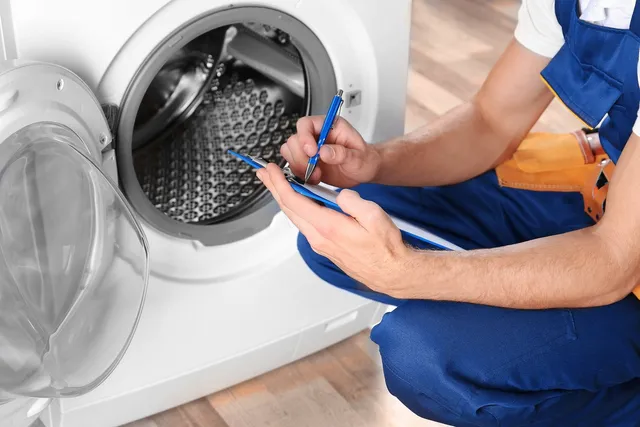
- Annual electric spend: $1,200
- Dryer’s share: 8% → $96
- Efficiency loss from clogged vent: 10% (placeholder) → $9.60/year
- Redo cycles: 2 per month × $0.60/cycle energy = $14.40/year
- Lost time: 1 hour/month re-drying × $30/hr = $360/year
- Emergency premium risk: 15% chance of an after-hours failure × $150 = $22.50/year
- Life reduction: $900 replacement pulled forward by 1 year out of 5 remaining → $180/year
- Preventive maintenance: $20 vent brush + 1 hour of your time ($30) = $50 once this year
TCN (before maintenance): $9.60 + $14.40 + $360 + $22.50 + $180 = $586.50/year
Net after doing maintenance: $586.50 − $50 = $536.50 saved this year
Even with cautious assumptions, the math tilts hard toward “do it now.”
Building your quick spreadsheet (10 rows you actually need)
Create columns for Appliance, Age, Replacement Cost, Appliance Share of Utilities, Efficiency Loss % (current), Redo/Spoilage ($/yr), Emergency Premium Risk ($/yr), Collateral Damage Risk ($/yr), Lost Time ($/yr), Life Reduction ($/yr), TCN Subtotal, Maintenance Cost, Net Benefit.
For each device (fridge, dishwasher, washer, dryer, range, microwave), fill the conservative placeholders, then refine over time with real data. Color-code green where Net Benefit ≥ $0 to prioritize.
Common red flags that boost your TCN
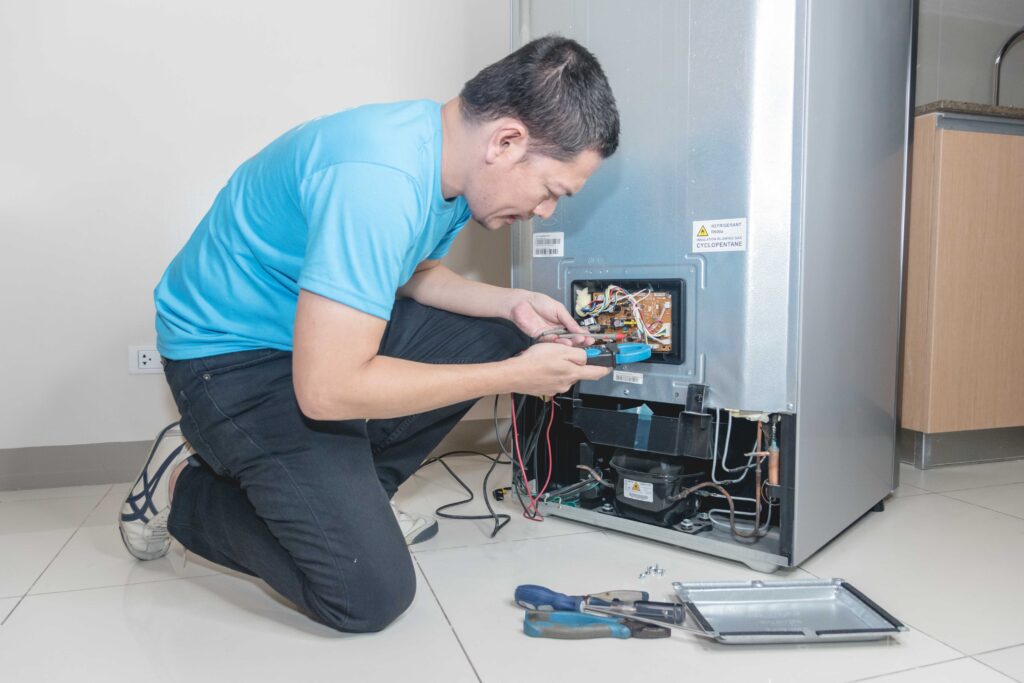
- Refrigerator: Runs constantly, doors feel warm, gaskets are cracked, coils are dusty.
- Dishwasher: Cloudy film, dishes need rewash, the door latch sticks, and odd smells.
- Washer: Vibration “walking,” musty odor, visible hose bulges, slow fills (scale).
- Dryer: Long cycles, very hot cabinet, lint around the door frame, vent flap stuck.
- Range/Oven: Uneven heating, burnt odors, ignition delays, sooty deposits.
- Microwave: Unusual hum or sparking (arcing), turntable judder, weak heating.
If any of these sound familiar, your hidden costs are probably already accumulating.
Low-cost maintenance tasks with outsized payoff
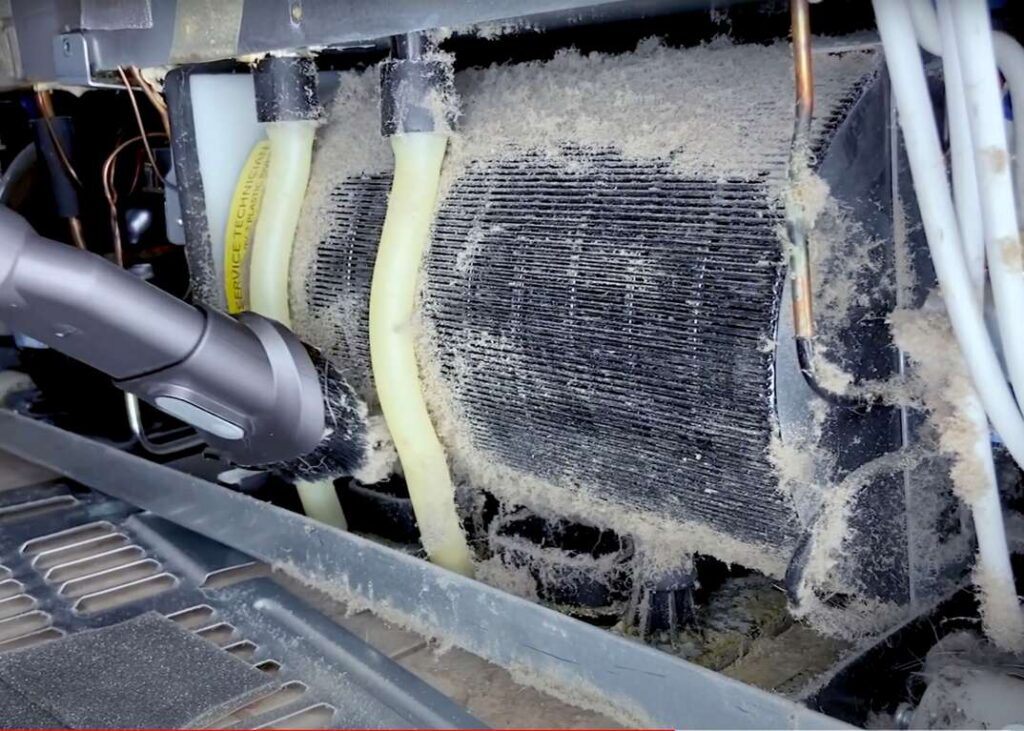
- Vacuum fridge coils (or clean rear condenser) every 6–12 months.
- Inspect and clean dryer venting end-to-end; verify exterior flap moves freely.
- Descale dishwasher and washer; clean filters and spray arms; check door seals.
- Check water lines and hoses for bulges, corrosion, or drips; replace brittle parts.
- Test oven temperature accuracy and clean seals; calibrate if needed.
- Replace worn gaskets to stop air or moisture leaks.
Each task is explained in step-by-step terms in the guides at Appliance Rescue—again, information only: guides, tips, and troubleshooting. No repair services are offered.
Deciding when to act: an ROI threshold you can trust

A fast rule of thumb for action:
Perform maintenance now if:
(TCN Subtotal − Maintenance Cost) ≥ 2 × Maintenance Cost
(i.e., your avoided loss is at least double what you spend)
Or, compute ROI:
ROI = (Avoided Costs − Maintenance Cost) / Maintenance Cost
Act when ROI ≥ 100% and/or the task mitigates a safety risk (leaks, overheating, sparking), where the downside is asymmetric.
Your next three steps
- Pick one “problem child.” Open your spreadsheet and estimate the TCN with cautious assumptions.
- Do one high-impact task this week. Coils, gaskets, or venting—whichever matches your chosen appliance.
- Measure once, adjust later. Track utility bills and redo cycles for a month; refine your numbers.
If you want help locating the right how-to, contact us. For step-by-step checklists, visit Appliance Rescue—they provide Expert Guides, Appliance Tips, and Troubleshooting Advice, not repair services.
Summary (for the spreadsheet skeptics)
Deferred maintenance isn’t just the future bill you’ll pay “someday.” It’s today’s extra energy and water, today’s reruns and odors, tomorrow’s emergency premiums, and the stealthy pull-forward of your next replacement. Put those into a simple Total Cost of Neglect model, subtract the modest expense of prevention, and you’ll almost always find that small, regular care is the cheapest option.