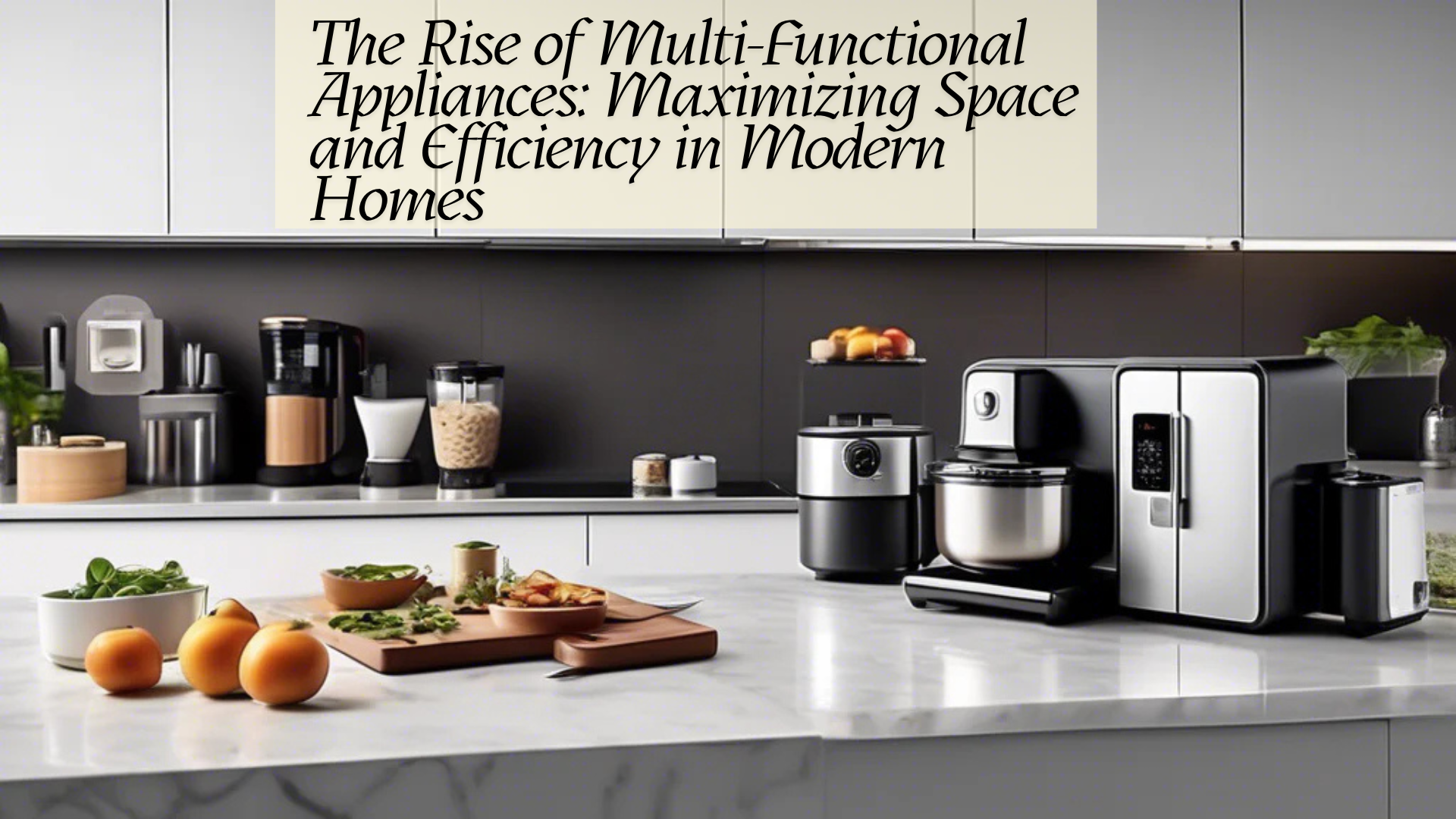

Optimize Your Home with Space-Saving, Multi-Functional Appliances
Modern homes—especially condos, townhouses, and accessory suites—ask a lot of our kitchens and laundry rooms. We want clean design, low energy bills, and fewer things on the counter, yet we still expect professional-level performance. Enter multi-functional appliances. These are products that combine two or more core functions into a single footprint (think washer-dryer combos, convection microwave ovens, and fridge “flex zones”). The result is less clutter, more usable square footage, and a simpler daily routine.
Below is a practical guide to what’s available, how to choose, and how to keep these appliances running smoothly.
Why Multi-Functional Now?

- Urban living and smaller footprints. New-build units continue to prioritize compact layouts. Multifunction gear lets you fit a full kitchen and laundry in a fraction of the space.
- Efficiency mandates and rising utility costs. Combining functions often consolidates motors, heating elements, and control boards—reducing energy draw and standby waste.
- Smarter controls. Sensors and software make it possible for one appliance to intelligently switch modes and still perform each job well.
- Minimalist design. Fewer boxes means cleaner sightlines and less storage anxiety.
Popular Multi-Functional Categories
1) Washer-Dryer Combos

A single drum handles both wash and dry cycles—no transfer required. These are game-changers for studio apartments and secondary suites.
Pros:
- One-machine solution; great for closets or under-counter installs.
- No vent (in condenser or heat-pump models), opening up more placement options.
Consider:
- Smaller capacities; drying cycles may take longer.
- Heat-pump models cost more upfront but typically use less energy.
Best for: One or two-person households, occasional laundry, and tight spaces.
2) Convection Microwave Ovens

Microwave + convection oven (sometimes with air-fry or grill modes). They reheat Monday’s pasta and also bake a tray of cookies—no full-size range required.
Pros:
- Faster preheats and even browning with convection.
- Excellent for renters or accessory kitchens.
Consider:
- Interior capacity is smaller than a standard wall oven.
- Learn the mode names; “combination” programs can be confusing at first.
Best for: Busy weeknight cooking, small households, and meal prep.
3) Air-Fryer Toaster Ovens
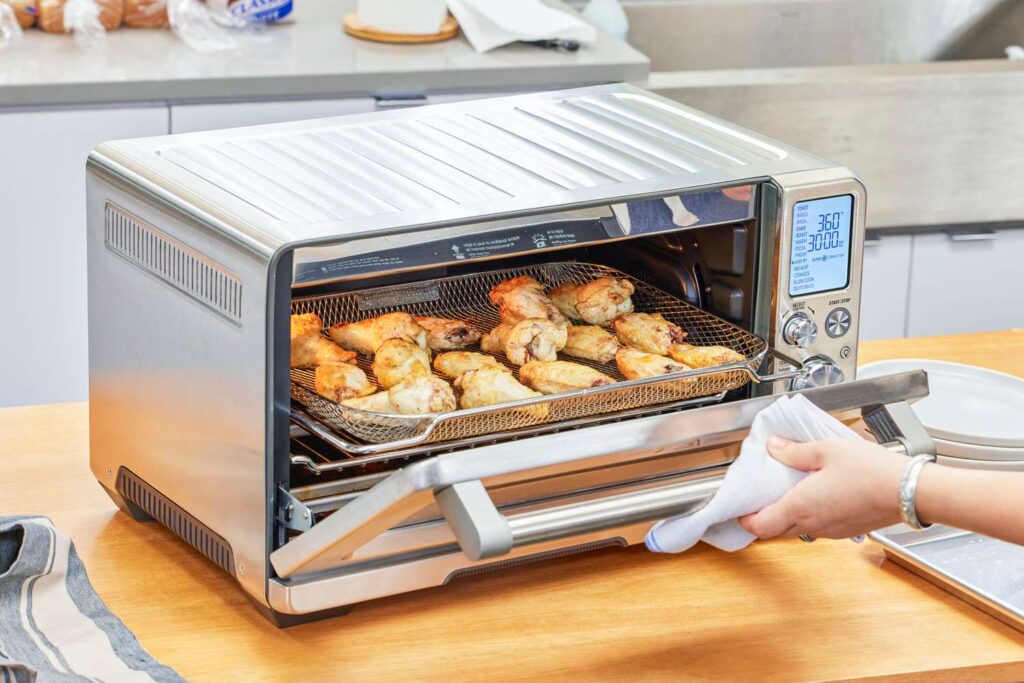
Countertop units that toast, roast, bake, and air-fry. Some add dehydrating and rotisserie.
Pros:
- Crisp texture without deep-frying; quick heat-up.
- Replaces several small appliances.
Consider:
- Counter space trade-off: measure your backsplash clearance.
- Choose models with removable crumb trays and dishwasher-safe racks.
Best for: Everyday snacks, sheet-pan dinners, rental suites, student housing.
4) Multi-Cookers (Pressure + Slow + Sear)

One pot handles pressure cook, slow cook, sauté, steam, yogurt, and more—ideal for batch cooking.
Pros:
- Dramatically shortens cook times.
- Frees up stove burners and reduces energy use.
Consider:
- Gasket maintenance matters; keep spare seals on hand.
- Follow liquid minimums for pressure mode to avoid burn warnings.
Best for: Meal preppers, family kitchens, and those avoiding takeout.
5) Refrigerators with “Flex Zones”
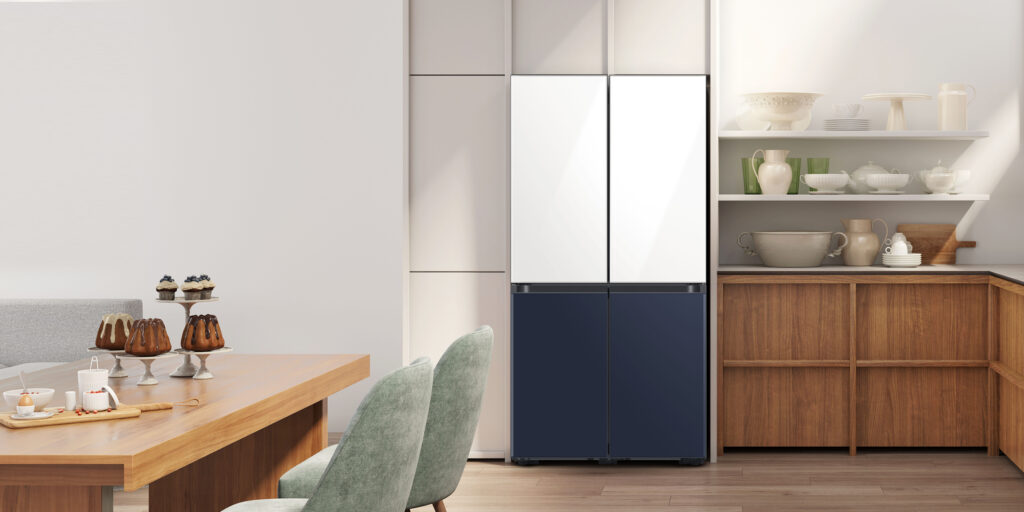
Convertible compartments switch between fridge and freezer temperatures. Some add beverage or deli modes.
Pros:
- Seasonal flexibility—expand freezer space after a grocery stock-up.
- Can help reduce food waste by matching storage to current habits.
Consider:
- Extra sensors/controls mean more to understand and maintain.
- Organize with clear bins to keep zones useful, not chaotic.
Best for: Families with fluctuating storage needs, bulk shoppers.
6) Dishwasher-Drawer Systems
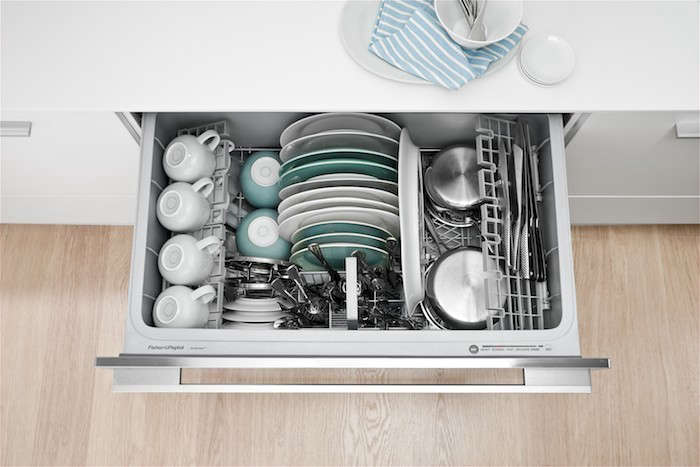
Single or double drawers run independently—wash small loads without firing up a full tub.
Pros:
- Energy and water savings on partial loads.
- Ergonomic; less bending, easier to load.
Consider:
- Capacity is segmented; large platters may not fit.
- Confirm cabinetry clearances for drawer movement.
Best for: Small households, galley kitchens, and aging-in-place designs.
Space Planning: Measure Twice, Install Once

- Map the workflow. Picture real tasks: where dishes land, how laundry moves from hamper to machine to closet. Place multi-function units where they cut steps.
- Mind clearances. Hinges, drawers, vent paths, and service panels all need room. Check manufacturer specs for minimum side/top/rear gaps.
- Electrical and plumbing. Ventless combos still need proper drain and dedicated circuits. Convection microwaves may require a 15- or 20-amp circuit; confirm before purchase.
- Weight and vibration. Stackable and combo laundry units benefit from rigid floors and anti-vibration pads to protect neighbors—and your drywall.
Efficiency and Cost of Ownership
Multi-functional units can reduce total energy by:
- Sharing components. One compressor or motor does the work of two.
- Shorter runtimes. Faster preheats and targeted modes cut idle time.
- Right-sizing. Small loads in a drawer dishwasher or compact oven avoid overheating space.
Pro tip: Look for energy certifications and variable-speed motors. Over a 7–10 year lifespan, small efficiency gains compound into real savings.
Buying Checklist: What to Look For

- Core functions you’ll actually use (e.g., pressure + slow + sauté vs. 20 novelty presets).
- Capacity fit for your household (liters/cubic feet and usable rack area).
- Heat technology (true convection fan, heat-pump drying, inverter microwave).
- Noise rating (especially for open-plan spaces).
- Cleanability (removable gaskets, self-clean programs that don’t roast your utility bill).
- Serviceability (access to filters, standard parts, and clear manuals).
- Smart features you’ll maintain—firmware updates and app support matter.
Maintenance: Keep Multi-Functional Tools Performing
The longevity of multi-functional appliances largely comes down to small habits:
- Descale and de-crumb. Mineral buildup and food debris are the silent performance killers.
- Replace consumables on schedule. Gaskets, water filters, and charcoal filters keep efficiency on track.
- Vent and air paths. Even “ventless” systems have airflow paths—keep them lint-free.
- Mode-specific care. Wipe the cavity after air-fry or grill modes to prevent smoke and odors.
For step-by-step how-tos, troubleshooting flowcharts, and setup checklists, visit Appliance Rescue. Note: Appliance Rescue does not provide repair services; it offers expert guides, appliance tips, and troubleshooting advice so you can diagnose issues and use your equipment more effectively. Have a question about a guide or need clarification? Contact us, and the team can point you to the most relevant resource.
Common Pitfalls (and How to Dodge Them)
- Buying “more features” instead of the right features. Choose the two or three modes you’ll use weekly; ignore the rest.
- Ignoring installation details. A combo unit that fits the nook but trips the breaker is not a win.
- Overloading. Especially in washer-dryer combos, overfilling the drum leads to long dry times and wrinkling.
- Skipping the manual. Combination modes can be powerful—but only if you learn the settings (and save your favorites).
Sustainability Angle
Consolidating functions can reduce raw materials, packaging, and eventual e-waste—fewer boxes to manufacture and dispose of. Efficient modes (pressure cooking, convection, heat-pump drying) also lower carbon intensity per meal or load. When an appliance finally reaches end-of-life, check local recycling programs and remove batteries or smart-hub modules for proper handling.
Budgeting and Lifecycle Math

While multi-functional appliances sometimes cost more upfront, your total cost of ownership may be lower when you factor in:
- One installation instead of two.
- Fewer dedicated circuits and outlets.
- Lower utility consumption from efficient modes.
- Reduced replacement cadence (one solid unit vs. several mediocre gadgets).
If you’re undecided between two models, calculate a rough annualized cost:
(Purchase price + accessories + estimated energy use over 5 years) ÷ 5 = annual cost.
Pick the model that meets your feature needs at the lowest annual cost—not just the lowest sticker price.
Quick Start: Sample Small-Space Setups
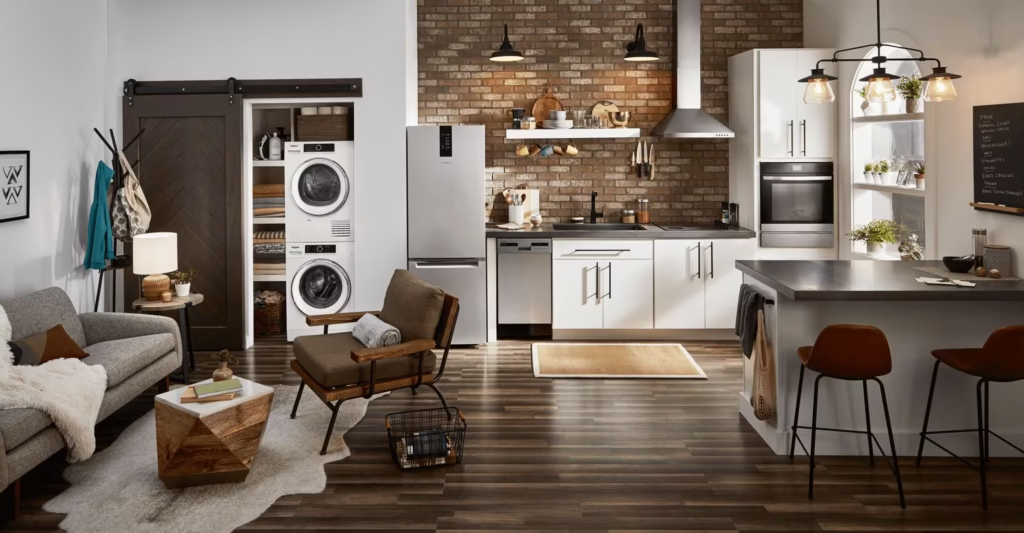
- Studio Apartment: Convection microwave + two-burner induction hob; drawer dishwasher; ventless washer-dryer combo.
- Family Condo: French-door fridge with flex zone; air-fryer toaster oven for daily use; multi-cooker for batch meals.
- In-Law Suite: Compact fridge-freezer; convection microwave; single-drawer dishwasher; combo laundry in a hallway closet.
The Bottom Line
Multi-functional appliances aren’t just a trend; they’re a thoughtful response to the way we live now—smaller footprints, smarter energy use, and a preference for clean, uncluttered spaces. With careful selection and simple maintenance habits, one appliance can do the work of two (or three) without compromise. For practical setup guides, troubleshooting steps, and usage tips—again, not repair services—bookmark Appliance Rescue or Contact us with your questions about the resources you find there.