

Complete Kitchen Appliances Buying Guide (Key Features & Tips)
Outfitting a kitchen—whether you’re starting from scratch or replacing a single workhorse—can feel like decoding a maze of specs, model numbers, and marketing jargon. The right approach is part planning, part prioritizing. This guide breaks down the decisions that matter most, so you can compare models with confidence and avoid buyer’s remorse.
Quick note: Appliance Rescue does not provide repair services. They publish Expert Guides, Appliance Tips, and Troubleshooting Advice. Explore their resources at Appliance Rescue. For direct questions to their team, use their Contact us page.
1) Start With a Plan: Space, Lifestyle, and Budget
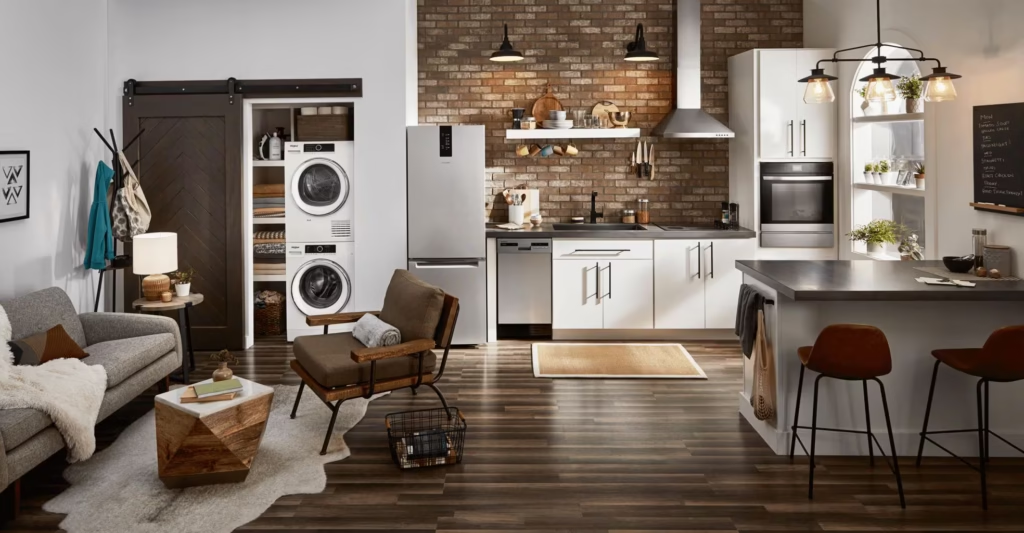
Measure twice, buy once. Record width, height, depth, and clearance for doors, walls, and islands. Check door swing, hinge side, and whether drawers can open fully without colliding with cabinetry. For built-ins, confirm cut-out dimensions and ventilation needs.
Lifestyle audit.
- Do you batch-cook or shop daily?
- How many people are you feeding most nights?
- Are you a baker (oven precision matters) or a sauté-everything cook (burner output and control matter)?
Budget with the “50/30/20 rule.” Allocate ~50% to your primary appliance (often the refrigerator or range), ~30% across the remaining big pieces, and ~20% for installation, accessories (hoses, water filters), and delivery haul-away.
2) Energy Efficiency: Ratings That Save Money Long Term
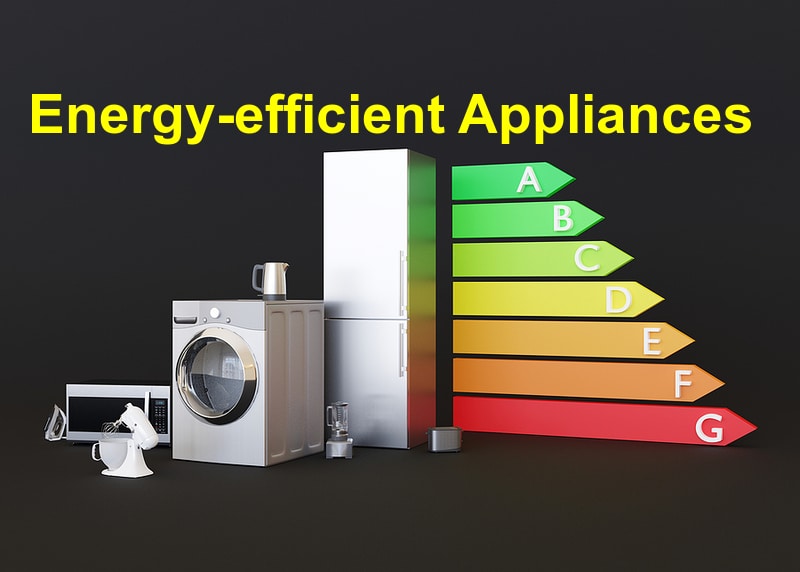
Why it matters: Appliances run for years, sometimes decades. An efficient model trims utility bills every month and reduces heat/noise in your kitchen.
- Refrigerators & Freezers: Look for high-efficiency compressors, variable-speed fans, and accurate gasket seals. In practice, top-freezer and bottom-freezer formats often use less energy than side-by-sides, but modern counter-depth French doors with variable-speed compressors can be competitive.
- Dishwashers: Efficient units use soil sensors, condensation drying, and eco cycles. Lower water use can also mean quieter operation.
- Ranges & Cooktops: Induction is the efficiency leader; it transfers energy directly to cookware, translating to faster boils and cooler kitchens.
- Microwaves & Convection Microwaves: Small but frequent use makes efficiency and standby power worth checking.
Pro tip: Compare the estimated annual energy cost on the label, not just letter grades. Over 10–15 years, a $20–$40/year difference adds up.
3) Performance Features by Category
Refrigerators
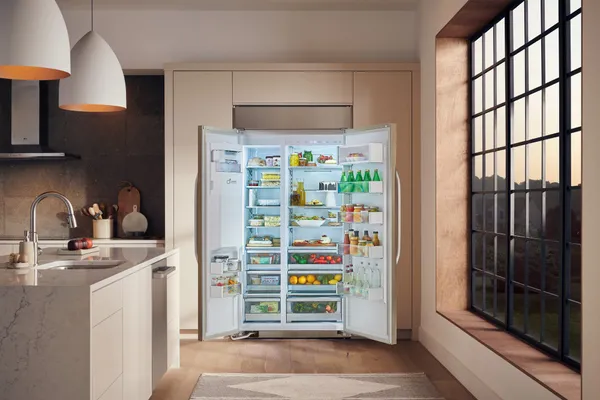
- Format: French-door (great access), bottom-freezer (efficient), side-by-side (narrow doors), column (built-in flexibility).
- Cooling system: Dual evaporators help keep freezer air (dry) separate from fridge air (humid), reducing odors and freezer burn.
- Temperature management: Look for adjustable zones that switch between fridge/freezer or “soft-freeze.”
- Storage that actually works: Full-width pantry drawers, gallon-door bins, gliding freezer baskets.
- Water/ice: Internal water dispensers preserve clean lines; external dispensers are convenient but add complexity. Consider replaceable filters and space for a filter bypass.
Ranges & Ovens
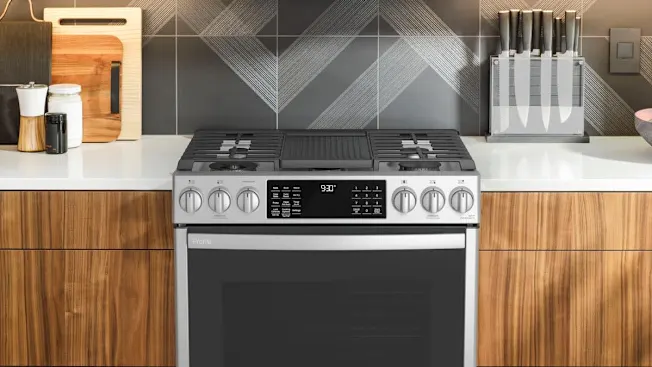
- Fuel:
- Induction: Fastest, most efficient, superb low-simmer control, requires magnetic cookware.
- Gas: Familiar, visible flame, strong wok performance; check for sealed burners and easy-clean surfaces.
- Electric (radiant): Even heat; look for responsive controls and bridge elements for griddles.
- Oven tech: True convection (fan + heating element), air-fry modes, steam-assist for bread and roasts, and accurate probe thermometers.
- Cleaning: Pyrolytic self-clean (thorough but hot) vs. steam-clean (quicker, light soils).
Cooktops

- Burner layout: Prioritize the number of simultaneously usable zones (large pans shouldn’t overlap controls).
- Low-end control: A burner that holds a steady 140–160°F simmer is just as valuable as a 20k+ BTU “power” burner.
Dishwashers

- Noise: Measured in dBA; below 45 dBA is whisper-quiet.
- Racking: Three-rack designs free up space for pots below. Look for adjustable tines and silicone tips.
- Drying: Auto-door open, condensation drying, or zeolite/mineral-assisted systems reduce plastics from staying wet.
- Filtration: High-quality filters keep recirculated water clean; manual filters need occasional rinsing.
Microwaves
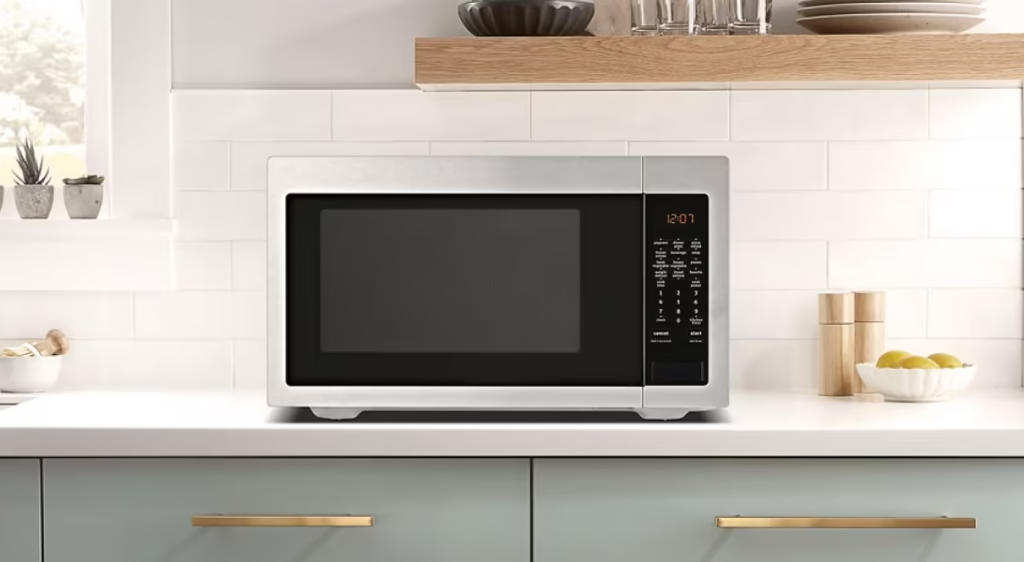
- Types: Countertop (flexible), over-the-range (saves space, but venting matters), built-in drawer (safe lift-out access).
- Power & evenness: Inverter technology helps maintain steady heat for defrosting and delicate foods.
- Convection combo: Adds browning and baking capacity in tight kitchens.
Small Appliances (Briefly)

- Blenders: Wattage helps, but jar shape and blade design influence vortex and texture.
- Toaster ovens/air fryers: Look for insulated walls, accurate thermostats, and easy-clean crumb trays.
- Stand mixers: Consider planetary vs. dual-beater action, bowl capacity, and accessory ecosystems.
4) Smart & Connectivity: Useful or Gimmick?

Smart features earn their keep when they reduce friction:
- Remote preheat/start and “ready” alerts save time.
- Cycle notifications (dishwasher done, filter change reminders) prevent stale dishes and forgotten maintenance.
- Food management: Cameras or inventory lists can help families reduce waste, but only if you’ll use them.
- Voice assistants: Nice-to-have for accessibility; ensure local controls remain intuitive when Wi-Fi is down.
Security matters: prefer brands that offer regular firmware updates, 2-factor authentication, and local controls when offline.
5) Build Quality, Materials, and Finish

- Stainless steel is classic; consider fingerprint-resistant coatings.
- Enamel and glass surfaces can look sharp but require gentler cleaners.
- Racks, hinges, and slides tell the truth—metal-reinforced racks and smooth, ball-bearing slides last longer than plastic-heavy builds.
- Controls: Physical knobs remain intuitive under heat/steam; capacitive touch looks sleek but check responsiveness with wet hands.
6) Ventilation & Air Quality (Often Overlooked)

A high-performing range still needs adequate ventilation:
- Match hood CFM to your cooktop output and width (often the same width as the range; wider for high-BTU or wok cooking).
- Prefer exterior venting over recirculating where possible.
- Capture area (the hood’s “box”) matters as much as CFM; deeper hoods trap rising plumes better.
- For over-the-range microwaves, treat the fan as supplemental, not a replacement for a serious hood in heavy-duty cooking.
7) Noise, Vibration, and Comfort

- Dishwashers: Sub-45 dBA is genuinely quiet; 39–42 dBA is library-level.
- Refrigerators: Variable-speed compressors should hum softly; loud cycling or rattles are red flags.
- Washer/Dryer near kitchens (loft living): Consider vibration control and decibel ratings if laundry is nearby.
8) Water Quality & Filtration

Hard water shortens appliance life and leaves residue. If your region has hard water:
- Choose dishwashers with built-in water softeners (common on premium European models).
- Keep refrigerator water filters on a replacement schedule; track costs annually.
- Factor in a whole-home softener or under-sink system if scale has been an ongoing issue.
9) Reliability, Warranty, and Total Cost of Ownership

Upfront price is only part of the story. Consider:
- Warranty term & scope: A solid baseline is 1 year parts/labor, with separate coverage for sealed systems (fridge/freezer) or cooktop glass.
- Availability of parts and service networks. Even great brands can be frustrating if local service is scarce.
- Consumables: Water filters, oven liners, descaler, and cleaner tablets add predictable yearly costs.
- Energy and water use: Add projected utility cost over 10 years to your comparison.
If you need independent, non-repair guidance, browse articles and how-tos at Appliance Rescue. Remember, they don’t provide repair services; their focus is educational content. For clarifications or suggestions on guides you’d like to see, use their Contact us page.
10) Accessibility & Ergonomics
- Handle design matters—comfortable, non-sharp grips reduce fatigue.
- Controls & visibility: Backlit knobs, contrasty displays, and large fonts aid readability.
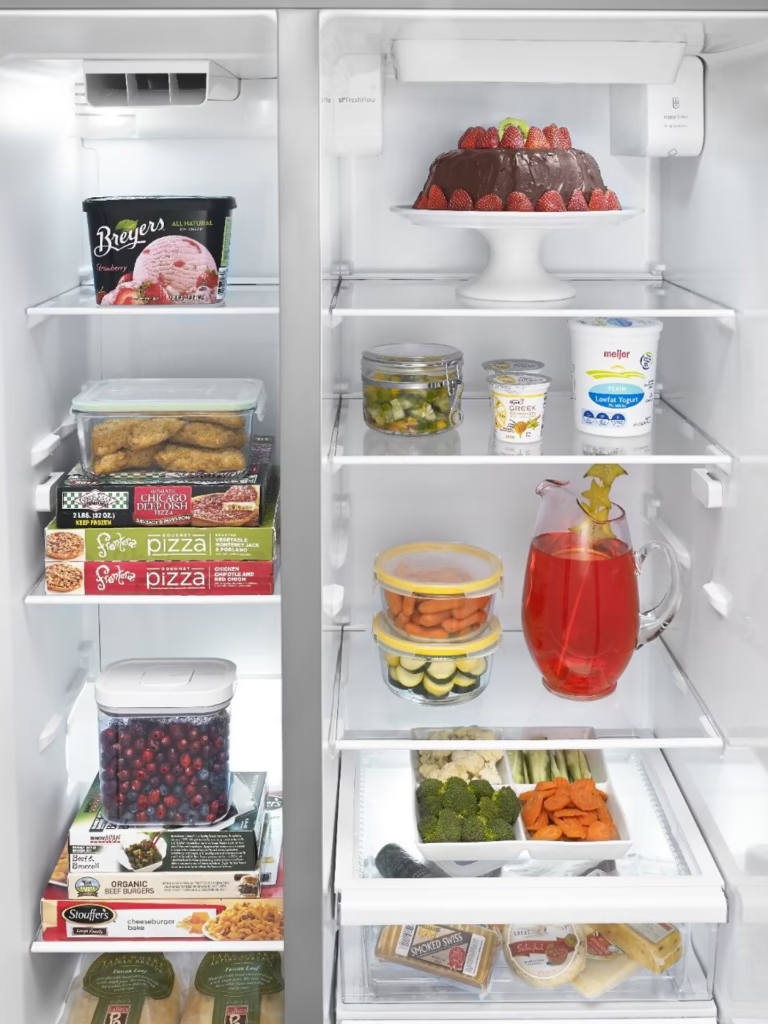
- Refrigerator layout: Eye-level placement of most-used zones (produce and dairy for many households) improves ergonomics.
- Microwave drawers and wall ovens at comfortable heights reduce bending and lifting risks.
11) Sustainability Beyond Efficiency
- Repairability & modular parts: Models with common parts and accessible fasteners are easier to maintain.
- Durable interiors: Stainless tubs in dishwashers, robust oven coatings, and metal-reinforced shelves often outlast plastic.
- Packaging & delivery: Ask retailers about haul-away and recycling of old units.
12) Store Showrooms vs. Online Research
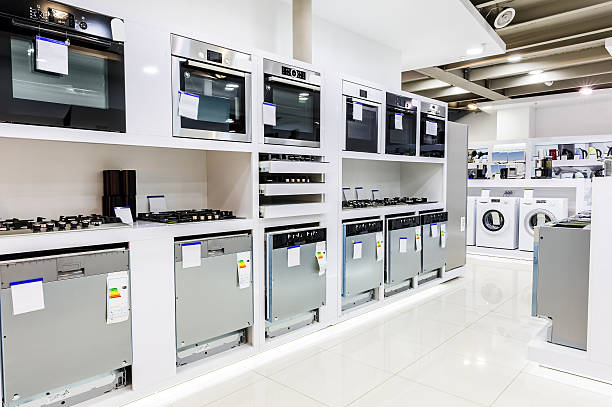
- In person: Open doors and drawers. Check the rack glide and door seal tension. Spin knobs. Simulate daily motions.
- Online: Compare spec sheets, energy labels, noise ratings, and owner reviews for recurring issues (e.g., “water pools on top rack”).
- Price protection: Track models over a few weeks if possible; seasonal promos can be significant. Ensure the model number exactly matches across retailers.
13) A Simple Comparison Framework
When you’ve narrowed to 2–3 models, score each from 1–5 in these categories:
- Fit & install (dimensions, door swing, electrical/gas requirements)
- Performance (cooling stability, burner control, wash/dry effectiveness)
- Efficiency (energy/water use, induction availability)
- Noise (dBA ratings, vibration)
- Usability (racks, controls, cleaning ease)
- Smart features (useful alerts, offline control, security)
- Build quality (materials, hinges, racks)
- Warranty & service (term, parts availability)
- Total cost of ownership (filters, accessories, energy)
- Aesthetics (finish, handle style, fingerprint resistance)
Pick the model with the highest total that also wins in your top two categories.
14) Installation & First-Month Checklist
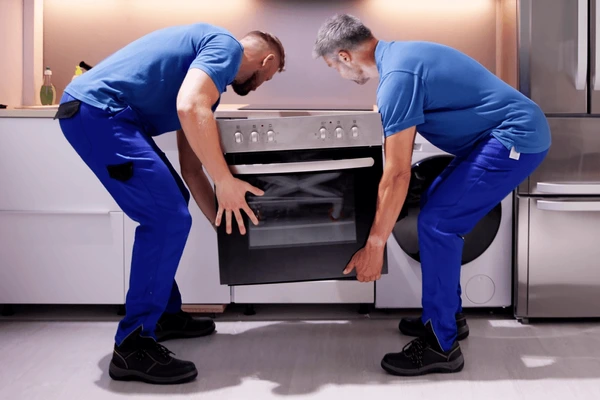
- Verify electrical/gas/water connections meet local code and manufacturer specs.
- Level the appliance; many performance issues (dishwasher leaks, oven hot spots) start with poor leveling.
- Run calibration or burn-in cycles when recommended (ovens often specify an initial high-heat cycle).
- For refrigerators, let the unit reach temp before loading—typically 12–24 hours.
- Register the warranty and set filter-change reminders on your phone.
15) When to Upgrade vs. Repair
- Upgrade if your unit is over a decade old, inefficient, or lacks safety features (tip-over brackets, overheat protection).
- Repair if the issue is minor (door gasket, igniter, simple control board) and parts are readily available.
Again, for diagnostic guides and DIY troubleshooting—not repair service—see the educational resources at Appliance Rescue.
Bottom Line
The best kitchen appliance isn’t simply the priciest or the one with the longest spec sheet. It’s the one that fits your space, matches your cooking style, operates efficiently and quietly, and won’t punish you with maintenance surprises. Use the frameworks above to compare models apples-to-apples, and lean on independent resources like Appliance Rescue for unbiased tips and troubleshooting know-how. If you’d like them to cover a specific topic in a future guide, reach out via their Contact us page.