
The Best Value Appliances: 5 Standouts for Reliability and Longevity
Choosing big-ticket appliances isn’t just about shiny finishes or this year’s trendy features. It’s about what will quietly work, day after day, for a decade or more—and what will cost less to run, maintain, and eventually replace. Below is a practical, research-minded guide to the five appliance categories that typically deliver the best combination of reliability, efficiency, and long-term value. We also outline a simple reliability framework you can use across brands and models.
Quick note: Appliance Rescue provides expert guides, appliance tips, and troubleshooting advice—it does not offer repair services. If you have questions or want to suggest a guide topic, feel free to Contact us.
How to Read Our Reliability & Value Framework

Because model catalogs and features change constantly, we focus on criteria rather than individual model hype. Use these yardsticks:
- Reliability Rating (A–C):
A = historically robust design, fewer service calls;
B = solid but feature-dependent;
C = complex or newer tech where reliability varies widely. - Operating Cost: Typical energy/water use and likelihood of consumables.
- Serviceability: Access to parts, modular design, and ease of basic troubleshooting.
- Expected Lifespan: A realistic range with normal household use.
- Long-Term Value: Blend of purchase price, efficiency, and lifespan.
These ratings are category-level generalizations; individual models can outperform (or underperform) the norm. Always check the latest efficiency labels and owner feedback before buying.
1) Refrigerators (Bottom-Freezer or Top-Freezer)
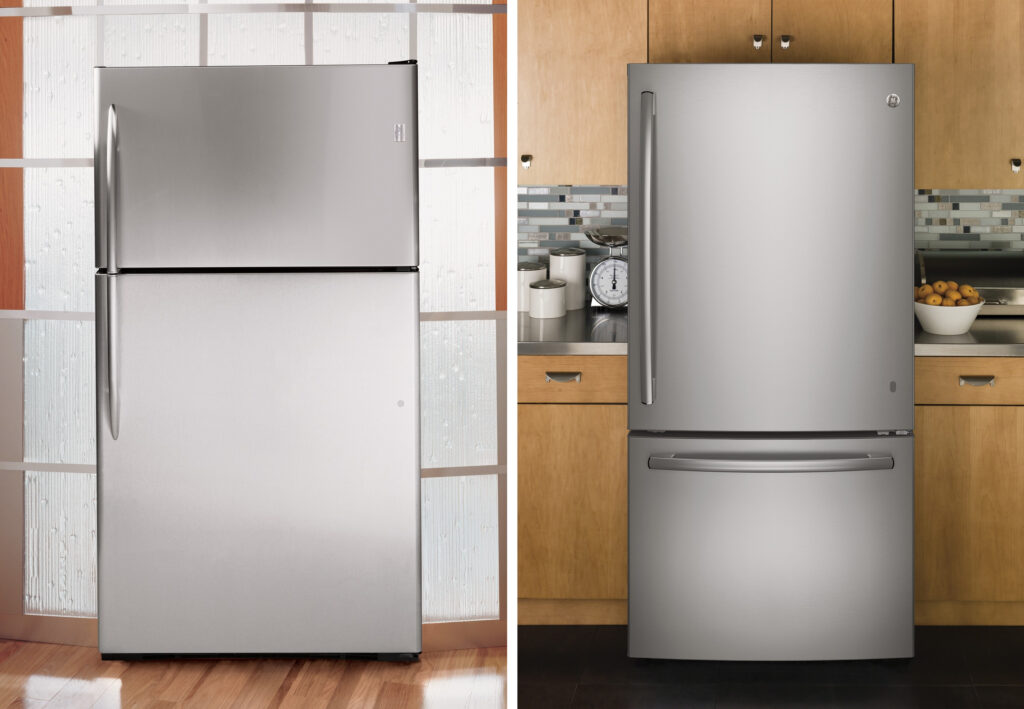
Why invest: Your refrigerator runs 24/7. Designs with simpler airflow paths and fewer dispensers/ice features tend to last longer and use less energy.
- Best bets:
- Top-freezer units for maximum simplicity and value.
- Bottom-freezer (non-dispenser) for convenience without too many extras.
- Proceed with caution: Complex four-door models loaded with door-in-door panels, dual ice makers, and touchscreen hubs can be great—until they aren’t. Added features often increase failure points.
Category snapshot
- Reliability Rating: A–B (A for simpler top/bottom-freezers; B for multi-door with extras)
- Operating Cost: Low to moderate; look for ENERGY STAR and high compressor efficiency.
- Serviceability: Good, provided the evaporator fan and defrost components are accessible.
- Expected Lifespan: 10–15 years
- Long-Term Value: High—especially with simpler designs, good gaskets, and no indoor ice.
Value tip: Skip the through-the-door ice/water if reliability is your top priority; a standard internal ice maker reduces complexity.
2) Front-Load Washing Machines (with Basic Cycles)
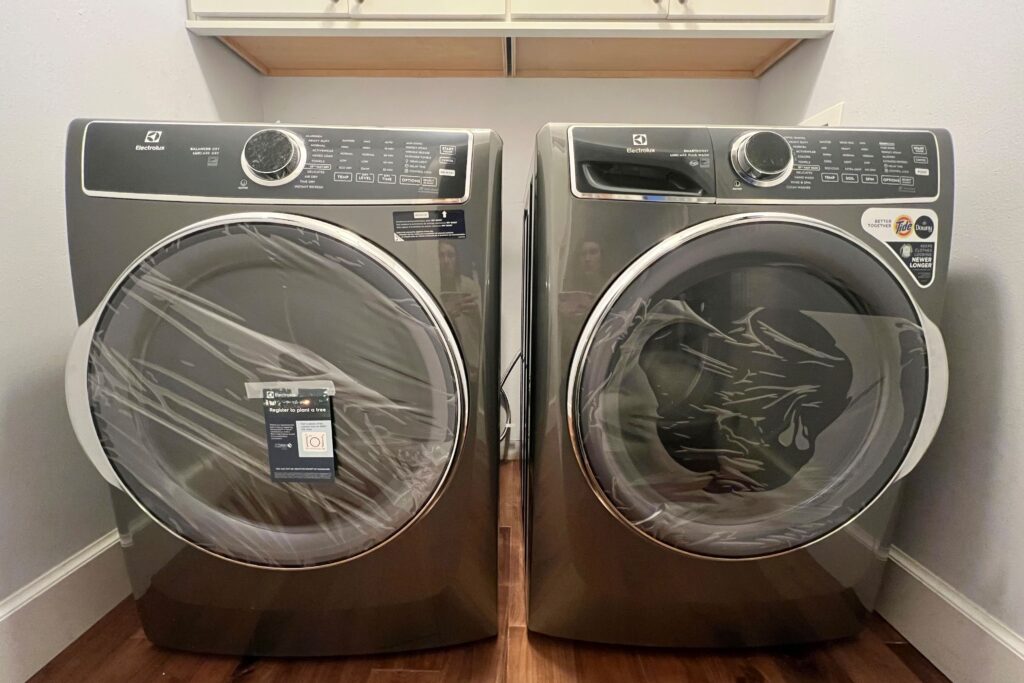
Why invest: Front-loaders typically clean well while using less water and energy. Reliability improves when you avoid ultra-complex extras.
- Best bets:
- Mid-range front-loaders with stainless steel drums, basic cycles, and a reputable direct-drive motor.
- Models offering a manual “hot fill” option or internal heater for sanitizing when needed.
- Proceed with caution: Overly large capacities paired with aggressive spin speeds can strain bearings. Steam gadgets can be nice, but aren’t essential.
Category snapshot
- Reliability Rating: A–B (A for simple, proven platforms; B when loaded with advanced features)
- Operating Cost: Low, thanks to reduced water/energy use.
- Serviceability: Moderate; door boots and drain pumps are common wear items, but replaceable.
- Expected Lifespan: 8–12 years
- Long-Term Value: High—lower utility bills and gentle fabric care add up.
Value tip: Keep the door ajar after washes and run a monthly cleaning cycle. Simple habits reduce odors and extend seal life.
3) Heat-Pump Dryers
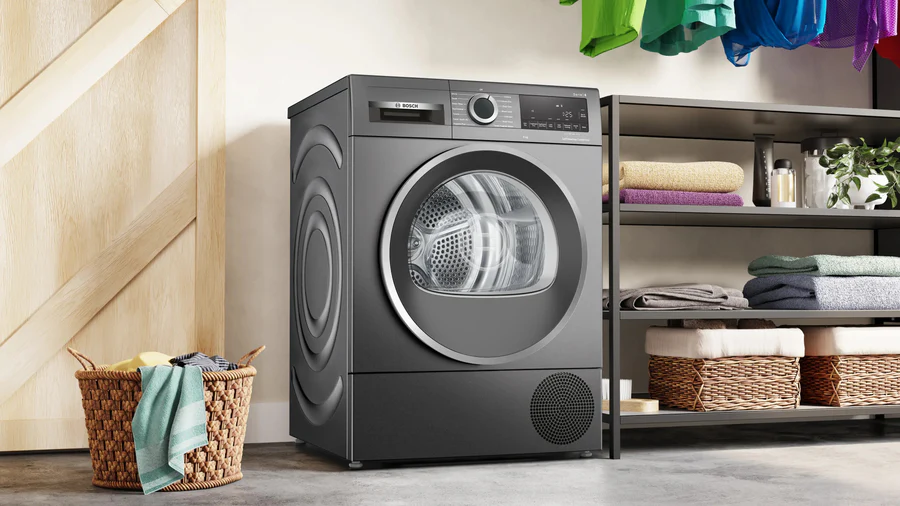
Why invest: They use a heat-pump system to dry at lower temperatures with dramatically less energy than conventional vented dryers, especially beneficial in condos or tight spaces.
- Best bets:
- Mid-capacity units with accessible lint filters and a self-cleaning or easy-to-clean condenser.
- Models with moisture sensors calibrated for mixed loads.
- Proceed with caution: First-gen designs could be slow; newer iterations have improved airflow and cycle programming. Empty lint filters religiously; keep condenser pathways clean.
Category snapshot
- Reliability Rating: B (technology is maturing; quality varies by design)
- Operating Cost: Very low—major energy savings over time.
- Serviceability: Moderate; condensers and sensors need occasional attention.
- Expected Lifespan: 10–12 years
- Long-Term Value: High—especially in regions with higher electricity rates.
Value tip: If you run many weekly loads, the energy savings can meaningfully offset the higher upfront price over the lifespan.
4) Dishwashers (Filtration-First, Stainless Tub)
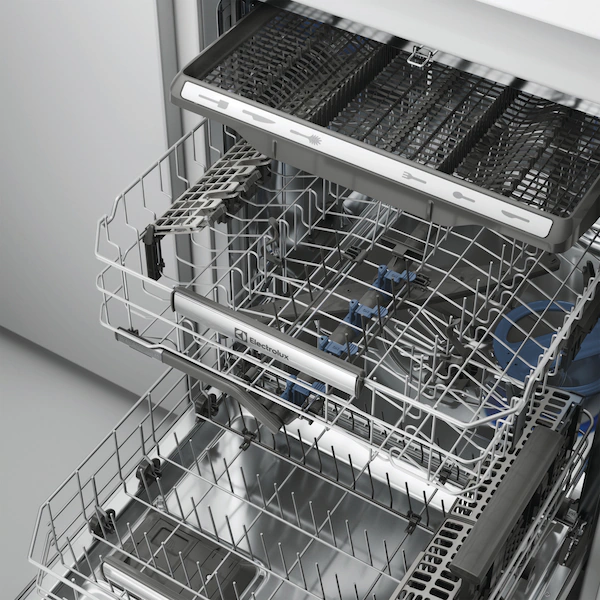
Why invest: A good dishwasher saves water, time, and protects your dishes. Stainless tubs reduce odors and boost drying performance.
- Best bets:
- Filtration-first systems with reliable spray-arm designs and a dedicated drying aid (fan-assisted or door-open technology).
- Adjustable racks with solid metal slides—not flimsy clip-ons.
- Proceed with caution: Overly complex soil sensors and “smart” features can be finicky. Noise ratings below 45 dBA are nice but sometimes come with tighter tolerances; balance quiet with durability.
Category snapshot
- Reliability Rating: A–B (A for robust, simpler filtration platforms; B for models reliant on multiple sensors and drying gimmicks)
- Operating Cost: Low, especially with eco cycles and rinse-aid use.
- Serviceability: Good; inlet valves, wash motors, and heaters are common repairs with widely available parts.
- Expected Lifespan: 8–12 years
- Long-Term Value: High—reduced hand-washing and water savings add up.
Value tip: Use rinse aid, clean the filter monthly, and run a hot-water tap for a few seconds before starting the cycle to improve wash performance.
5) Induction Ranges (or Cooktops with a Separate Oven)
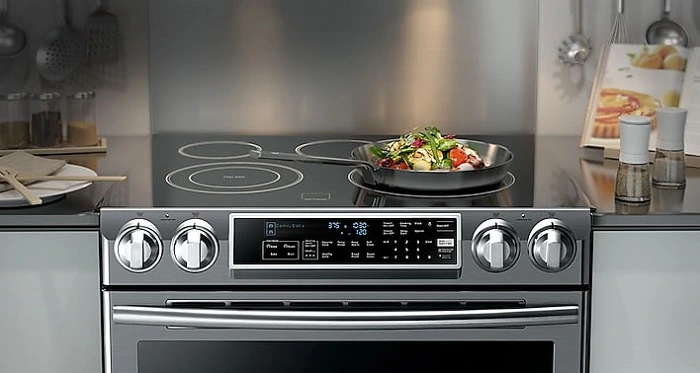
Why invest: Induction is efficient, fast, and precise. It keeps kitchens cooler, reduces boil-over messes, and offers excellent low-heat control compared to electric coils or gas.
- Best bets:
- Units with bridge zones and responsive controls; a large center or oval element helps with griddles.
- A range with a true convection oven and a straightforward, proven control panel.
- Proceed with caution: Induction requires compatible cookware. Extremely advanced touch panels can be sensitive to spills; look for models with lockout and quick-wipe designs.
Category snapshot
- Reliability Rating: B (solid tech, but electronics-heavy; quality of control boards matters)
- Operating Cost: Low to moderate—excellent cooktop efficiency; oven costs similar to other electrics.
- Serviceability: Moderate; boards and fans are common service points.
- Expected Lifespan: 10–13 years
- Long-Term Value: High—performance plus energy efficiency yields strong ROI, especially for frequent cooks.
Value tip: If you’re switching from gas, account for electrical requirements (circuit capacity) and ventilation changes. The cooktop heat plume is smaller, which is a plus.
Total Cost of Ownership: What Really Moves the Needle
- Simplicity wins. Extra dispensers, elaborate ice systems, and novelty cycles tend to increase failure points.
- Right-sized capacity. Oversized machines that run half-full waste energy and wear parts faster.
- Energy labels & real-world habits. Look for high efficiency ratings, then use eco cycles, cold wash where appropriate, and air-dry options.
- Parts availability. Favor brands and lines with a solid parts ecosystem and clear documentation.
- Preventive care. Small steps—filter cleans, gasket wipes, leveling, and load balancing—extend life more than most people expect.
Quick Maintenance Checklist (All Five Categories)
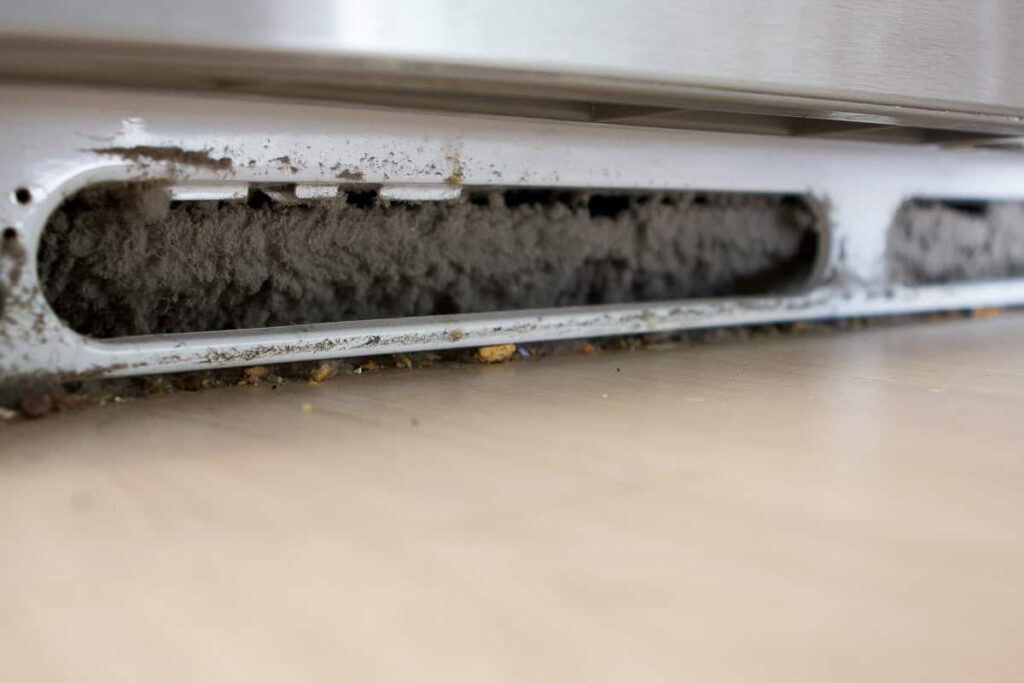
- Monthly: Clean filters (dishwasher, dryer condenser path), run a washer tub clean, inspect fridge door gaskets, wipe induction touch controls.
- Quarterly: Vacuum refrigerator coils (rear or front grille), check washer hoses and dryer vents/ducting (if vented), verify oven door seal.
- Annually: Level appliances, check circuit connections (professional only), review racks, shelves, and runners for wear.
When to Replace vs. Repair
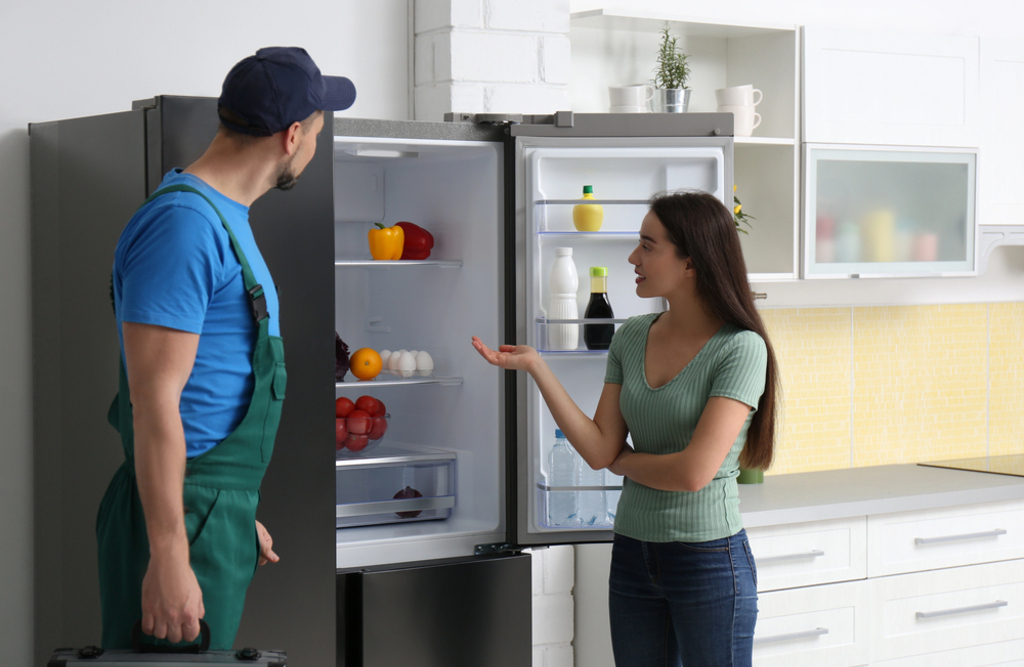
- Rule of 50: If the repair exceeds 50% of replacement cost and the machine is beyond 60–70% of its expected lifespan, replacement usually wins on long-term value.
- Safety & efficiency: Older units may be energy hogs; a new, efficient model can pay for itself over time.
- Feature fatigue: If you never use the fancy features that tend to break, choose a simpler model next time.
Summary Table: Reliability & Long-Term Value (at a Glance)
| Category | Reliability (A–C) | Operating Cost | Serviceability | Expected Lifespan | Long-Term Value |
|---|---|---|---|---|---|
| Refrigerator (top/bottom) | A–B | Low–Moderate | Good | 10–15 years | High |
| Front-Load Washer | A–B | Low | Moderate | 8–12 years | High |
| Heat-Pump Dryer | B | Very Low | Moderate | 10–12 years | High |
| Dishwasher (stainless tub) | A–B | Low | Good | 8–12 years | High |
| Induction Range | B | Low–Moderate | Moderate | 10–13 years | High |
Final Buying Tips
- Choose mid-range models with proven cores rather than flagship “everything-features.”
- Prioritize stainless steel tubs/drums, direct-drive motors, and simple control layouts.
- Read the owner’s manual before the return window closes; run several test cycles to catch early defects.
- Register your product and keep receipts—warranty claims are smoother when documented.