

How to Fix Common Mistakes That Can Harm Your Dishwasher
A modern dishwasher can last a decade or more, but only if you treat it right. Many breakdowns aren’t freak accidents—they’re the slow result of habits that strain pumps, clog filters, and bake grime into places you can’t see. Below are the most common mistakes people make, why they’re harmful, and simple fixes that extend the life of your machine.
Quick note: Appliance Rescue offers Expert Guides, Appliance Tips, and Troubleshooting Advice—not repair services. If you need extra clarity after this article, feel free to Contact us with your questions.
1) Using Regular Dish Soap in the Dishwasher
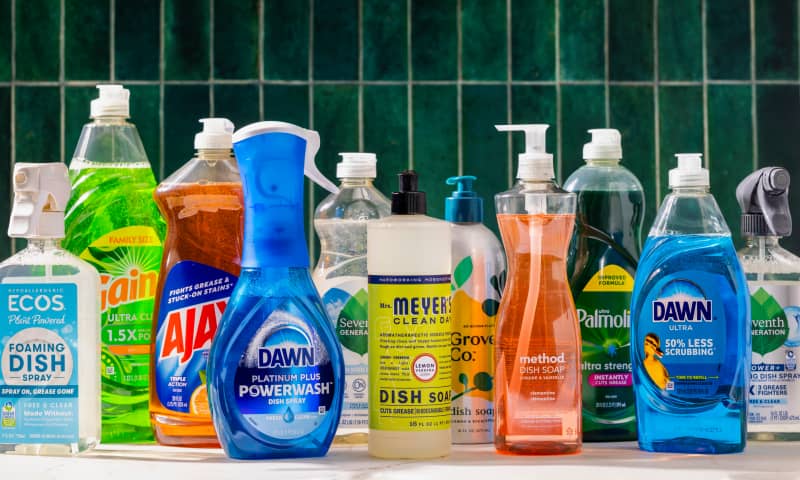
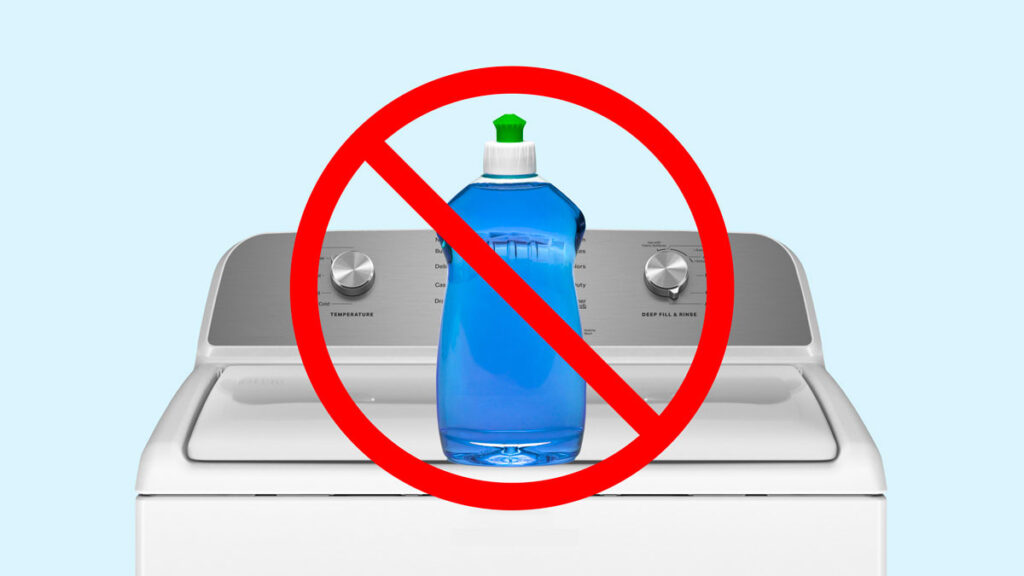
Why it’s harmful: Hand-dishwashing liquid foams aggressively. Excess suds push water into door vents, flood the base pan, trip leak sensors, and strain the circulation pump.
What to do instead: Use only dishwasher-specific detergent (tabs, powder, or gel). If a sudsy mishap already happened, cancel the cycle, soak up foam, and run a short rinse with no detergent.
2) Overloading or “Nesting” Dishes
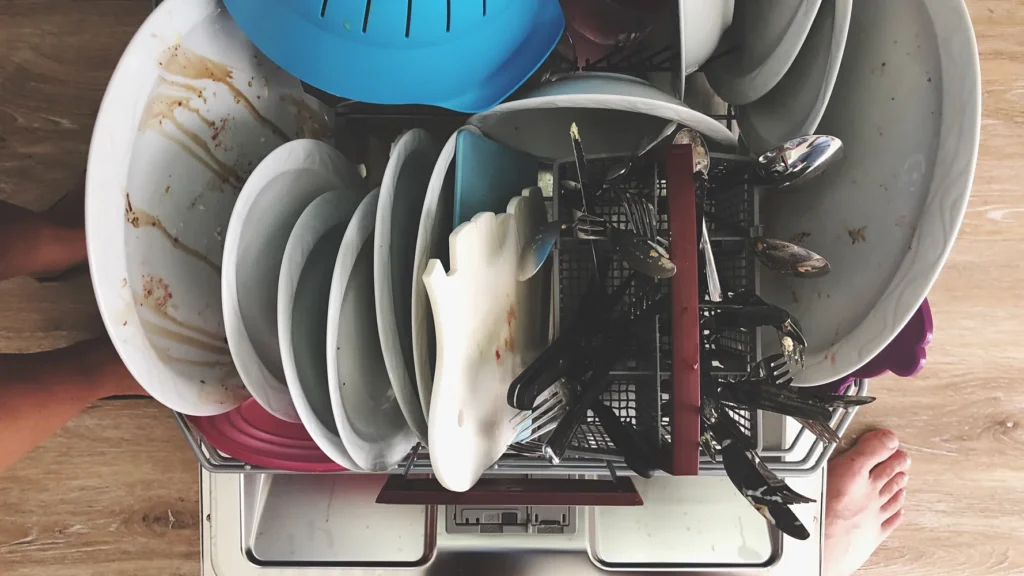
Why it’s harmful: Overpacked racks block spray arms and prevent water from reaching surfaces. Bowls and cups that nest trap dirty water, forcing longer, hotter cycles that wear parts.
Fix it: Leave space between items. Face the dirtiest surfaces toward the spray, and avoid stacking bowls or spoons together.
3) Blocking Spray Arms and Sensors
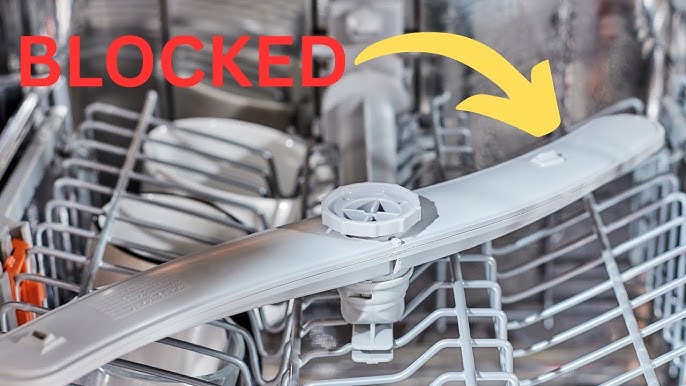
Why it’s harmful: Tall utensils poked through the bottom rack can stop the lower arm; cutting boards at the front can block detergent dispensers and turbidity sensors. A stalled arm can overheat the circulation motor.
Fix it: Spin spray arms by hand before starting. Place baking sheets and boards at the sides of the lower rack, not the front.
4) Skipping Filter and Sump Cleaning
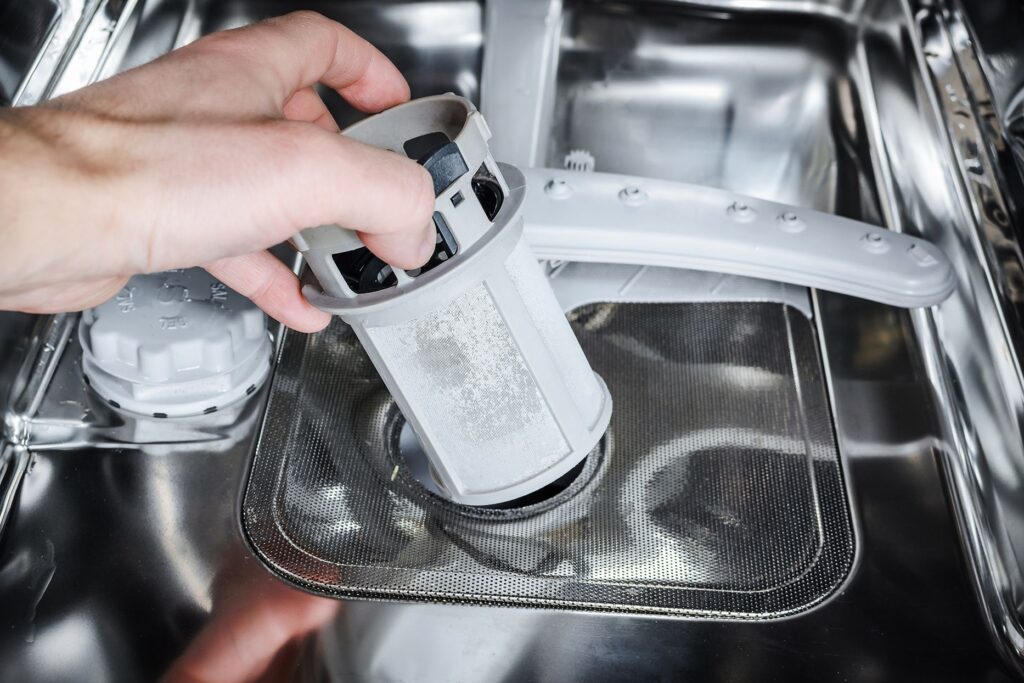
Why it’s harmful: Modern machines use fine filters. Food sludge reduces water flow, encourages odors, and can recirculate grit that scratches glasses. Pumps work harder, fail sooner.
Fix it: Every 1–2 weeks, twist out the filter, rinse it under warm water, and check the sump for bones, fruit stickers, or glass shards.
5) Pre-Rinsing Too Much—or Not at All
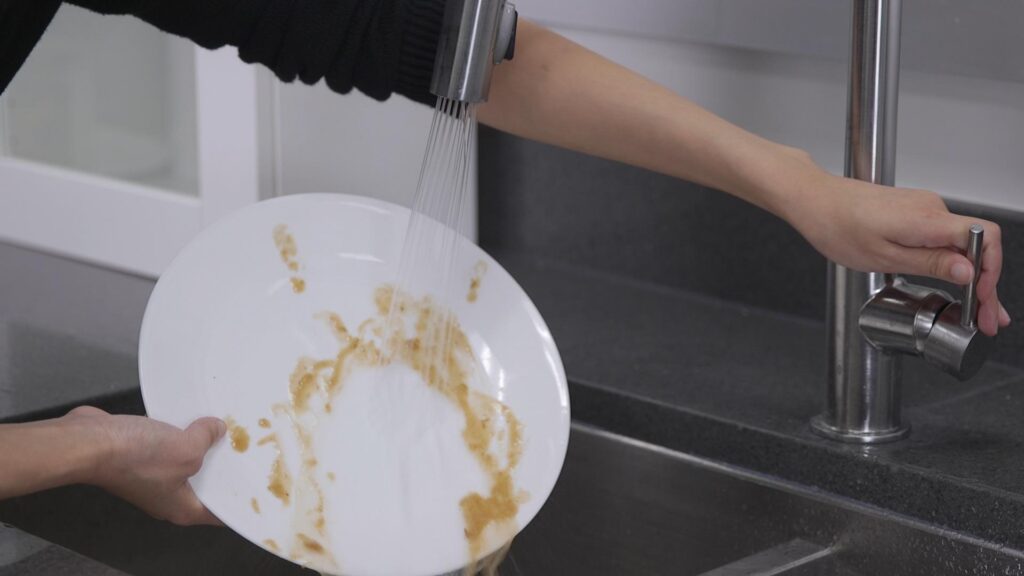
Why it’s harmful: Detergents are formulated to react with food soils. If plates are squeaky-clean going in, enzymes have nothing to grab, leading to cloudy film. On the flip side, leaving big chunks can clog the filter.
Fix it: Scrape, don’t rinse. Remove large debris, but leave a thin film so detergents can work.
6) Wrong Detergent for Your Water Hardness
Why it’s harmful: Hard water leaves mineral scale on heaters, spray nozzles, and sensors. Soft water plus too-strong detergent can etch glass.
Fix it:
- Hard water: choose a detergent with built-in softeners, use rinse aid, and descale monthly.
- Soft water: Use less detergent, consider powder for finer dosing.
7) Ignoring Rinse Aid (or Overusing It)
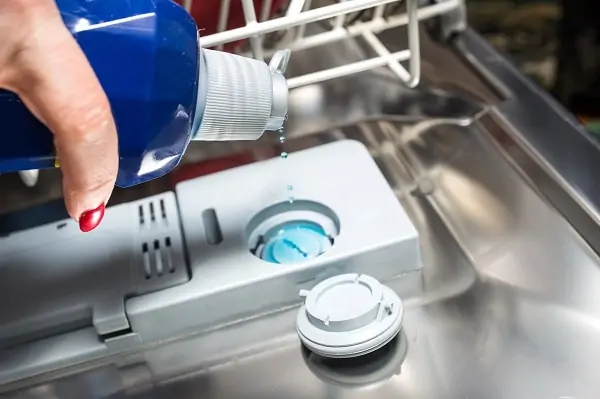
Why it’s harmful: No rinse aid leads to spots and wet plastics; too much can cause blue-ish film.
Fix it: Start at the mid setting and adjust by one notch every few washes until drying improves without residue.
8) Misloading Plastics and Lightweight Items
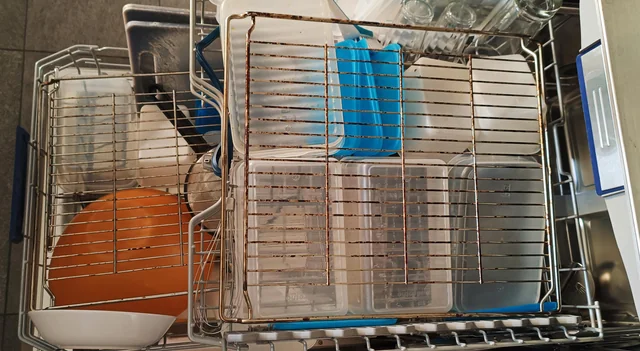
Why it’s harmful: Plastics can warp near heating elements and may flip, landing on the heater or blocking drains.
Fix it: Place plastics on the top rack only, secure lids with tines, and avoid “compact” cycles that superheat the final rinse.
9) Neglecting the Door Gasket and Bottom Seal

Why it’s harmful: Grease and sugars break down rubber. A nicked or dried gasket leads to leaks that trigger float switches and error codes.
Fix it: Wipe the gasket monthly with warm, soapy water. Lightly condition with a damp cloth—no petroleum-based products.
10) Letting Grease Build Up in Hidden Spots
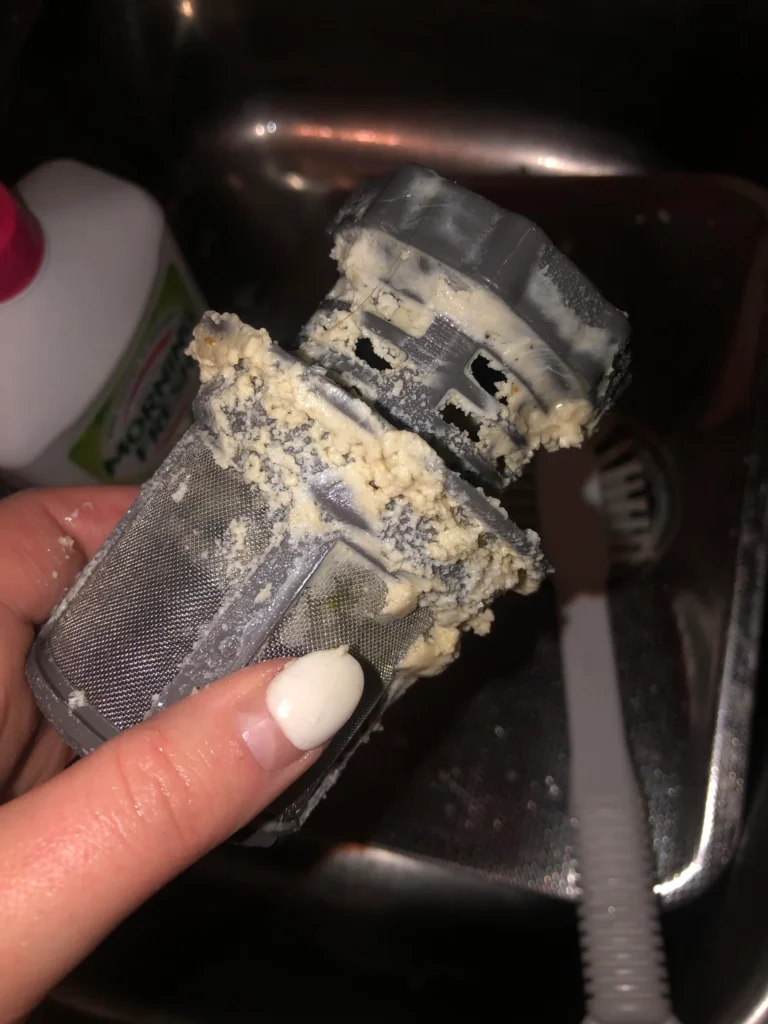
Why it’s harmful: The lip under the door, the detergent cup hinge, and the dishwasher’s corners can harbor sticky grime that feeds odor-causing bacteria.
Fix it: Once a month, wipe these areas. Pull out racks, clean rails, and check the door lip.
11) Overusing “Sanitize” or High-Heat Cycles
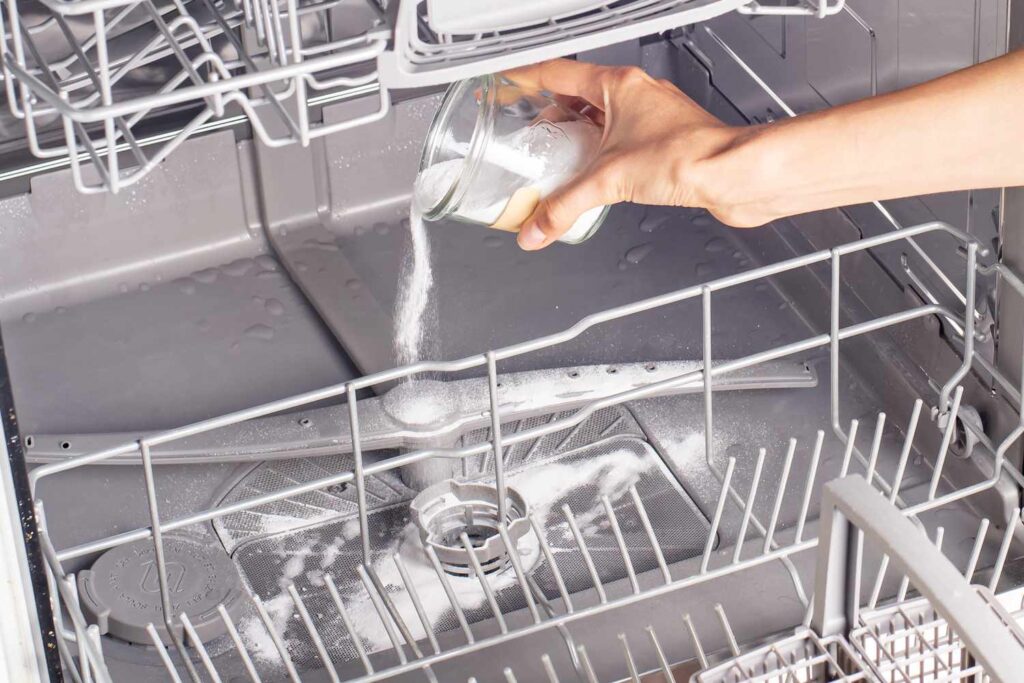
Why it’s harmful: Consistently running the hottest options stresses heaters and can accelerate mineral scaling in hard water conditions.
Fix it: Save sanitize cycles for sickness, raw-meat-heavy loads, or baby items. For everyday dishes, a standard normal cycle is enough.
12) Forgetting to Run Hot Water at the Sink First

Why it’s harmful: Dishwashers often start with whatever temperature is in the line. If that’s cold, the machine spends extra time heating and may not hit target temps early in the wash.
Fix it: Before pressing Start, run the kitchen tap until the water is hot.
13) Using Vinegar the Wrong Way
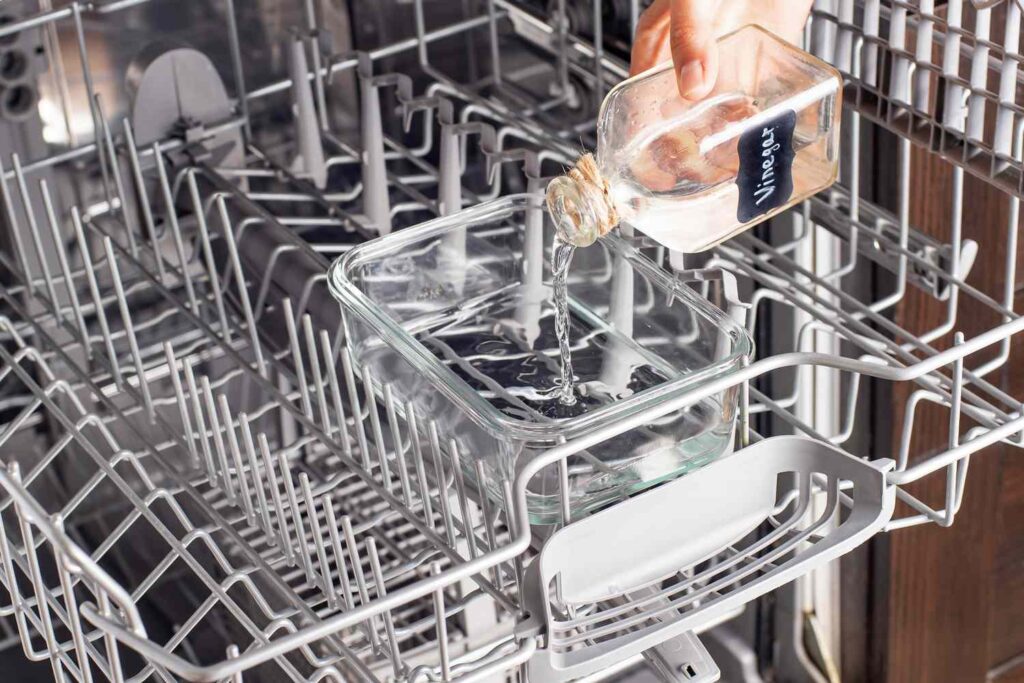
Why it’s harmful: Vinegar in high concentration can attack rubber hoses and seals. Pouring it directly onto metal can also pit surfaces over time.
Fix it: If you use vinegar, dilute it (e.g., a cup in a bowl on the top rack), run a hot cycle with no dishes, and avoid mixing with bleach—ever.
14) Ignoring Early Warning Signs
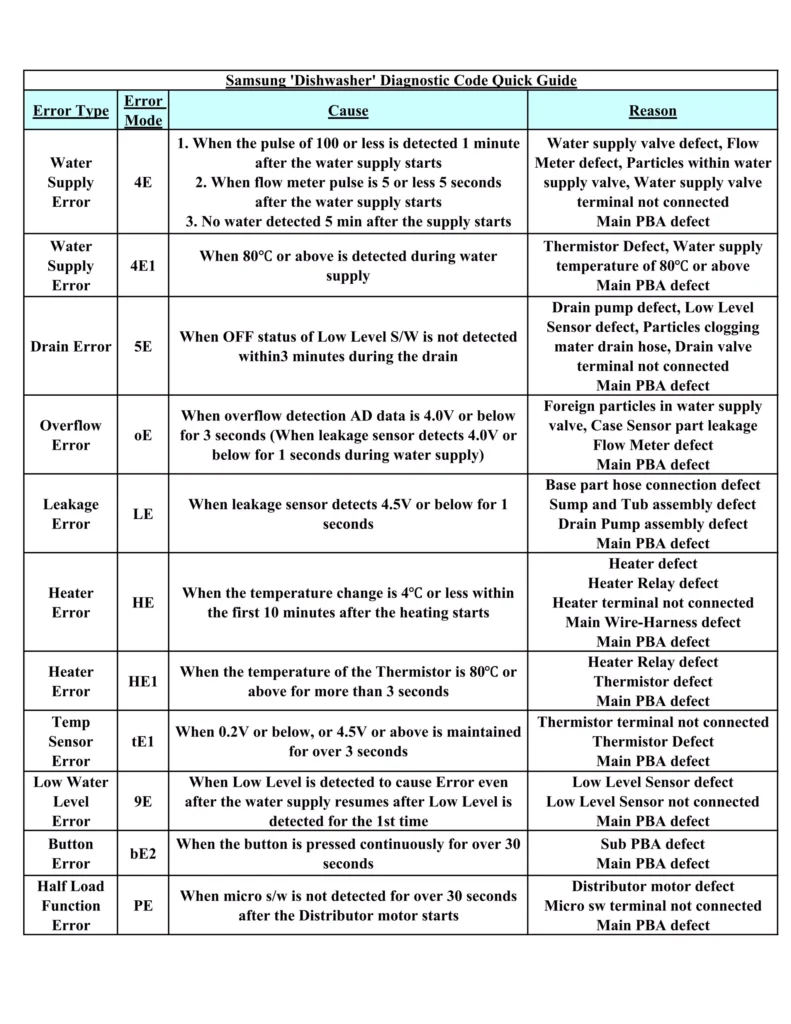
Why it’s harmful: Strange noises, standing water after a cycle, or new error codes usually mean something simple: a blocked filter, a stuck check valve, or a failing diverter. Waiting turns minor issues into partial failures.
Fix it: Investigate immediately. Our guides at Appliance Rescue can help you pinpoint the cause and try safe, user-level fixes.
15) Not Leveling the Dishwasher
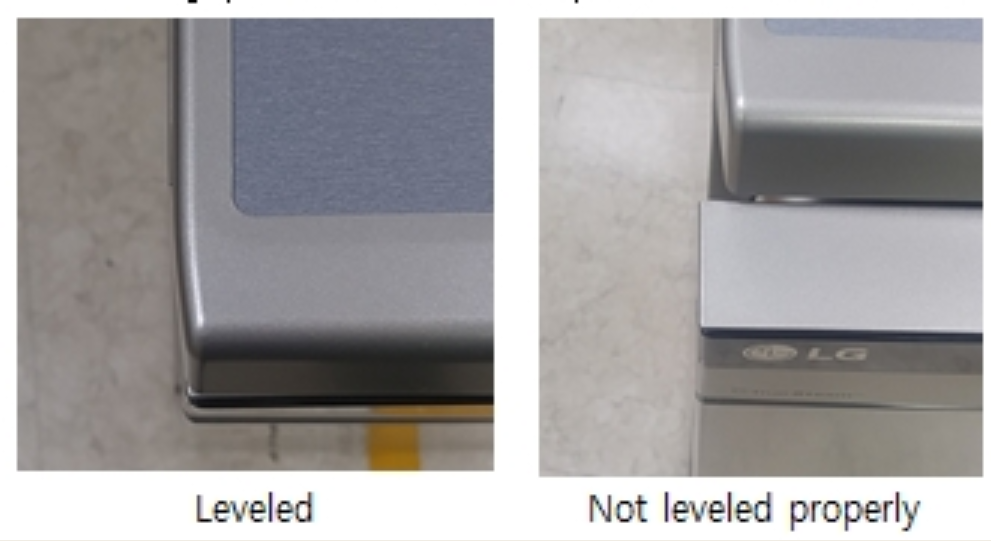
Why it’s harmful: A unit that leans forward or sideways can leak at the corners, pool water on one side of the tub, and confuse flood sensors.
Fix it: Use the adjustable feet and a bubble level; confirm the door closes evenly and the tub drains fully.
16) Mixing Metals Without Thinking
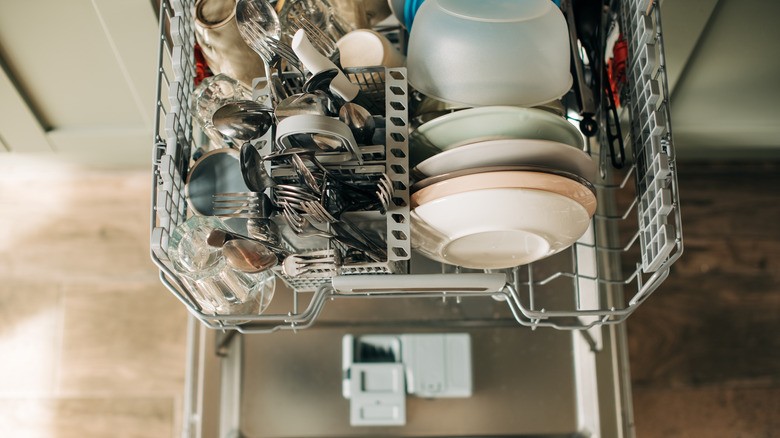
Why it’s harmful: Aluminum, cast iron, and some carbon-steel knives don’t love the dishwasher. They can discolor, rust, or shed particles that clog the filter; cast iron also drops seasoning into the sump.
Fix it: Hand-wash reactive metals and wood-handled tools.
17) Running Half-Loads on Heavy Settings
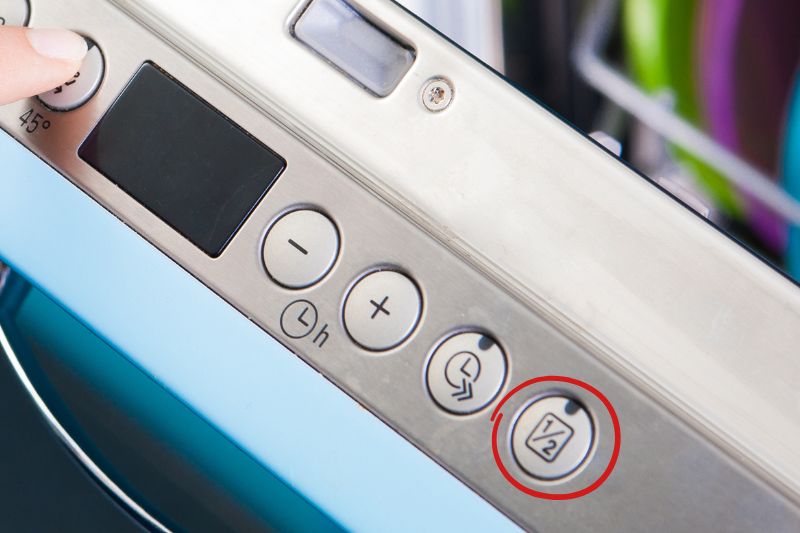
Why it’s harmful: Heavy cycles blast water through empty spaces, causing excessive spray and vibration. Over time, this can loosen racks and stress the pump.
Fix it: Use eco or light cycles for partial loads—or wait for a full load.
18) Neglecting Seasonal Deep Cleans
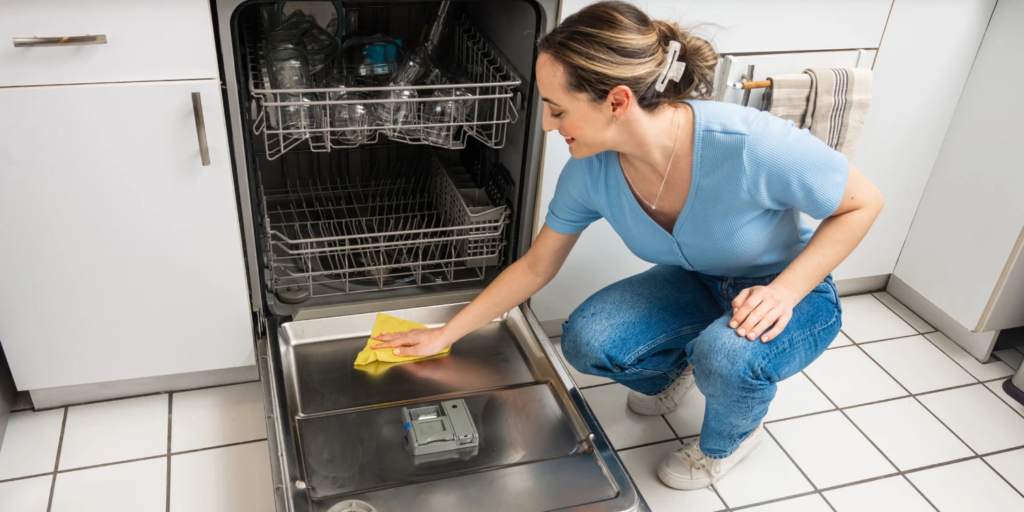
Why it’s harmful: Grease film and mineral scale harden over months, narrowing spray nozzles and coating heating elements.
Fix it (Quarterly Routine):
- Remove and clean filters.
- Inspect spray arms; poke out clogged jets with a wooden toothpick.
- Run a hot cycle with a dishwasher cleaner or a diluted citric-acid product.
- Wipe the tub seams, rails, and door lip.
Smart Loading Basics (Quick Reference)
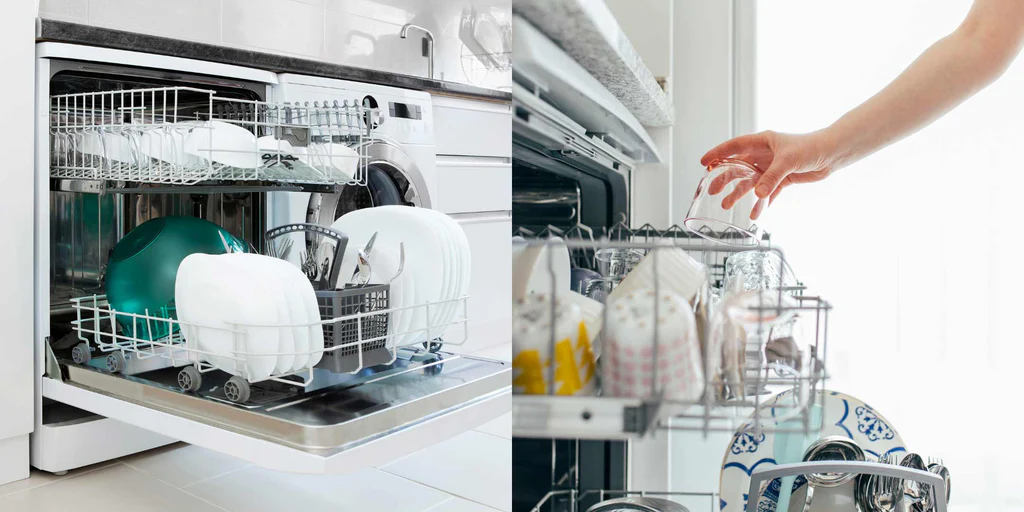
- Top rack: cups, glasses, small bowls, plastics (secure them).
- Bottom rack: plates, heavy bowls, oven-safe cookware.
- Utensil basket: mix orientations to reduce nesting; keep knives point-down for safety.
- Keep clearances: leave 2–3 cm around the detergent cup and ensure both spray arms spin freely.
Safety Reminders
- Never mix bleach and vinegar—this creates toxic chlorine gas.
- Unplug or switch off the breaker before reaching near the wiring or the junction box.
- Broken glass in the sump? Use needle-nose pliers and gloves; don’t fish by hand.
When You Need Guidance (Not a Repair Call)
If you’ve read this and still have a puzzling symptom—say, a grinding noise mid-cycle or persistent standing water—browse step-by-step tutorials at Appliance Rescue. We provide Brands & Reliability Reviews, Buying Guides, Appliance Reviews & Comparisons, and the latest Trends & Innovations, so you can make informed decisions. If you have a question about a specific model or an error code, Contact us, and we’ll point you to the most relevant guide.
A Minimal Upkeep Plan (That Actually Works)
- Every load: scrape plates, check spray-arm spin, and verify the detergent cup isn’t blocked.
- Every 1–2 weeks: clean the filter and wipe the door gasket.
- Monthly: run a hot maintenance cycle with a cleaner or diluted citric acid.
- Quarterly: inspect spray arms, check rack wheels, and confirm leveling.
- Annually: assess hoses for kinks or bulges and replace the inlet hose if it shows wear.
Keep these habits, and your dishwasher should stay quiet, efficient, and far less likely to surprise you with an outage the night before guests arrive.