

A Comprehensive Guide to the Top Features in Modern Washing Machines
Shopping for a new washer can feel like decoding a wall of specs. Capacity numbers, cryptic cycle names, fancy dispensers—it’s a lot. This guide cuts through the noise and explains the features that actually matter in day-to-day use, so you can match a machine to your laundry habits and home.
Quick note: Appliance Rescue doesn’t sell or repair appliances. We focus on Brands & Reliability Reviews, Buying Guides, Appliance Reviews & Comparisons, and the latest Trends & Innovations to help you make smarter choices and solve common issues on your own.
1) Capacity & Drum Size: Fit Your Lifestyle, Not Just the Space
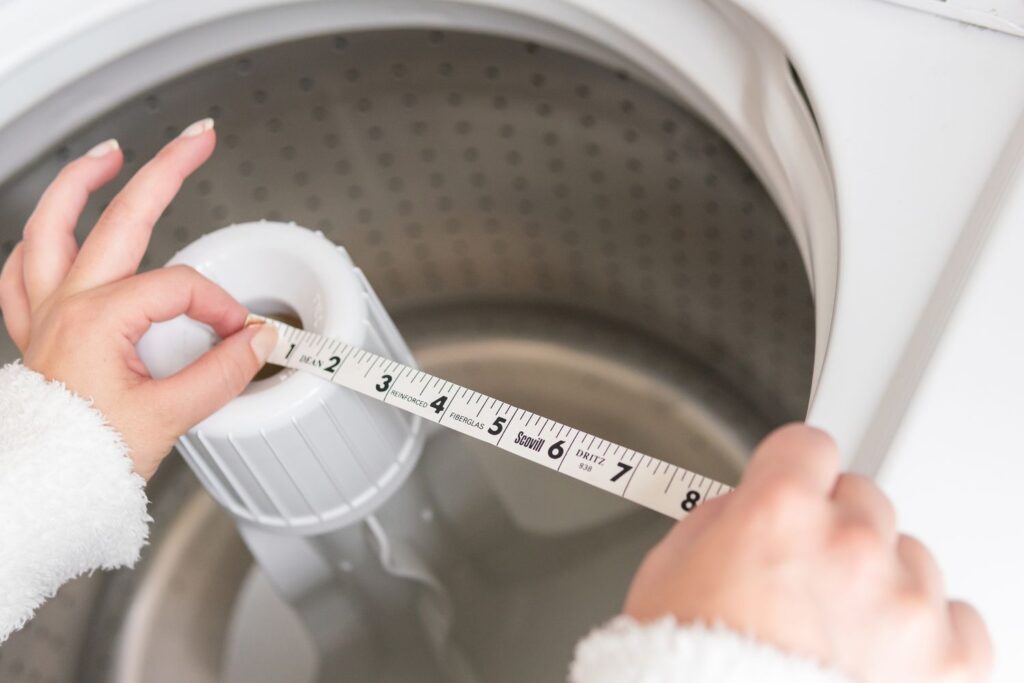
- Cubic feet (cu. ft.) tells you how much the drum holds. Households doing frequent loads with bulky items (comforters, dog beds, sports gear) often benefit from larger capacities.
- Front-load vs. top-load: Front-loaders typically handle larger, denser loads and spin out more water; high-efficiency top-loaders (impeller style) offer good capacity with gentler fabric action.
- Tip: If you often overstuff, size up slightly; consistently half-full? Save money with a smaller, efficient model.
2) Energy & Water Efficiency: Lower Bills, Smaller Footprint

- Look for ENERGY STAR® (or equivalent) ratings to gauge efficiency.
- Efficient machines save on both electricity (shorter heat-dry times thanks to better spin-out) and water (smarter fill and spray systems).
- Spin speed (measured in RPM) helps: higher RPM means drier clothes after the wash, which can reduce dryer time.
3) Wash Cycles That Matter (and the Ones You’ll Actually Use)
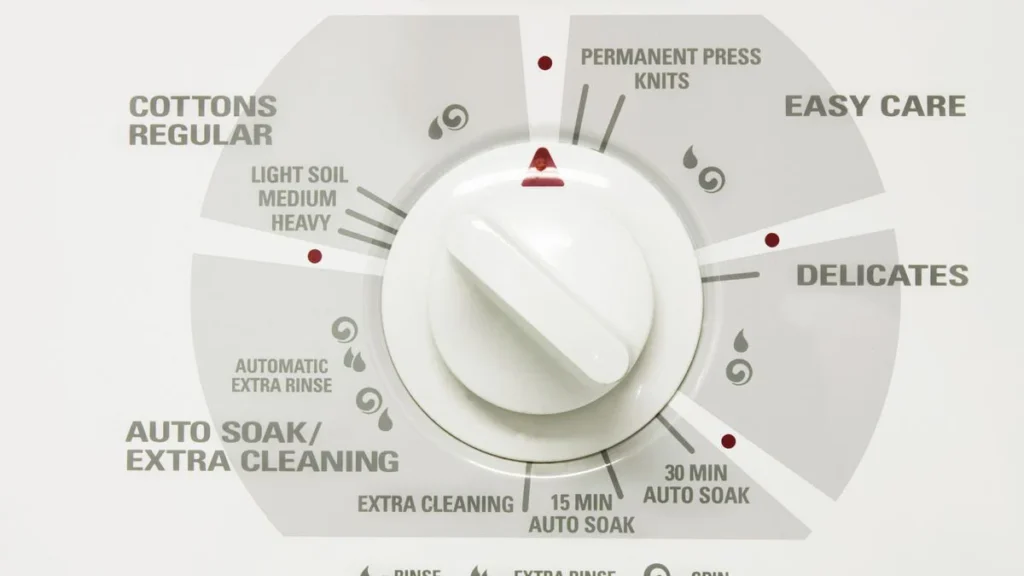
It’s easy to get dazzled by a dozen cycles you’ll never touch. Prioritize:
- Normal/Cotton: Everyday loads.
- Quick/Speed: Small, lightly soiled loads; useful when you’re rushing.
- Heavy Duty/Bulky: Towels, denim, bedding.
- Delicates/Wool: Gentle action for fine fabrics.
- Sanitize/Allergen: High-heat or specialized cycles targeting bacteria, dust mites, and pollen—handy for babies, allergy sufferers, or during cold season.
- Activewear: Calibrated for synthetics and stretch fabrics to help remove body oils without damage.
- Permanent Press: Reduces wrinkles by controlling agitation and cool-down.
Reality check: If a machine has dozens of niche cycles, test whether you can easily find and select the handful you’ll rely on weekly.
4) Agitation System: Impeller vs. Agitator vs. Tumble
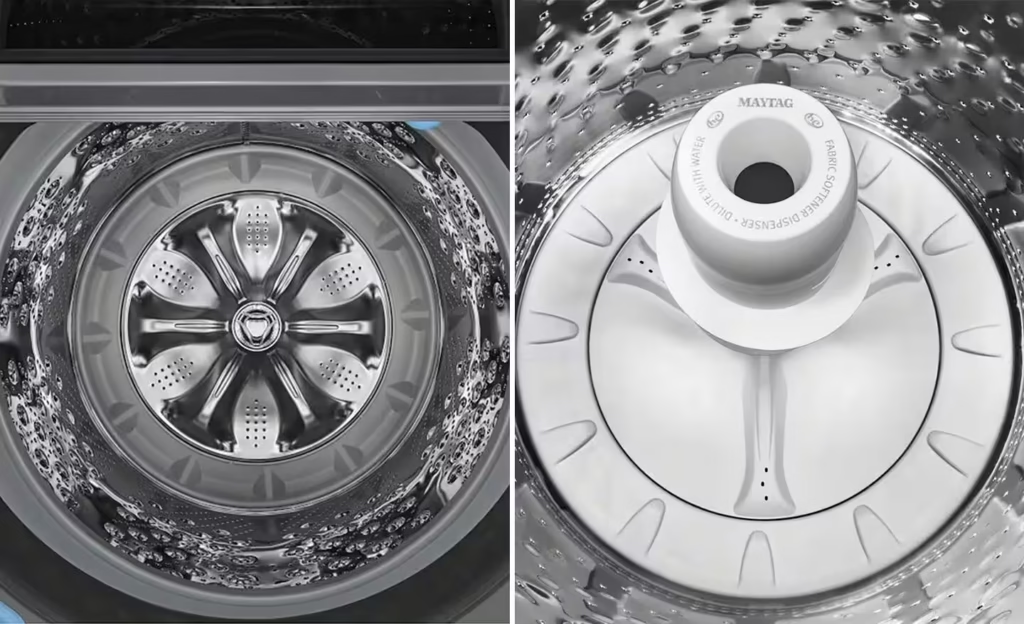
- Front-load tumble: Excellent soil removal, fabric care, and water extraction; may require bending to load/unload (pedestals help).
- Impeller (low-profile): Gentle on clothes, efficient use of water, large capacity.
- Agitator (post in the center): Strong mechanical action for heavy soils; can be tougher on delicate fabrics.
Choose based on fabric mix and soil levels in your household.
5) Soil & Load Sensing: Let the Machine Think a Little
Modern washers use sensors to adjust water level, cycle time, and rinse intensity. Benefits include:
- Better cleaning with less waste.
- Shorter cycles when the load is lightly soiled.
- Consistency across mixed loads.
6) Temperature Control & Internal Heaters
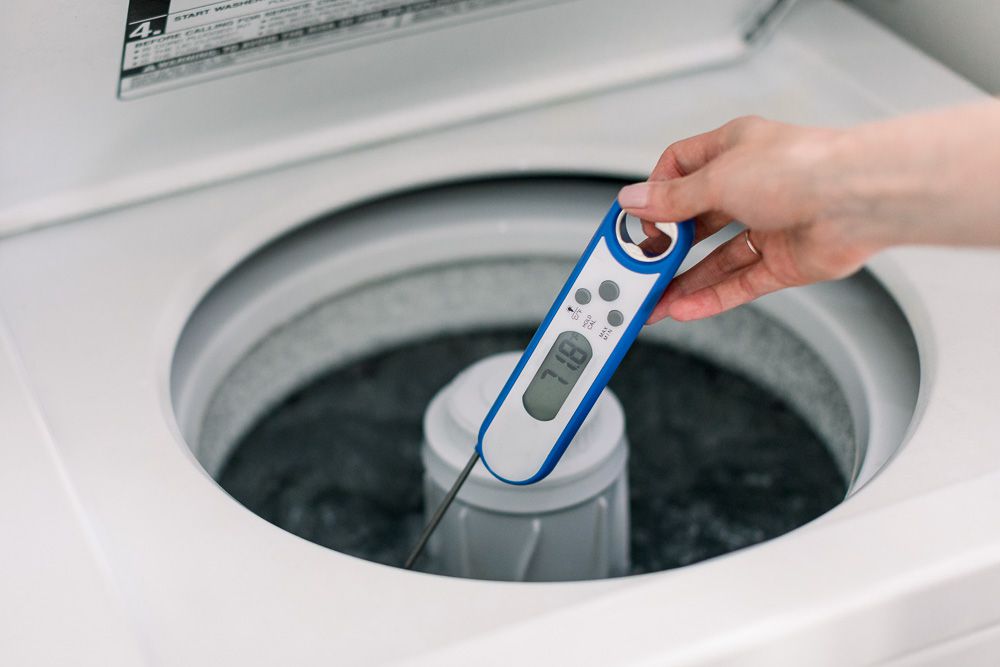
- Automatic temperature control (ATC) blends hot and cold to hit target temps for each cycle.
- Internal water heaters raise temperatures above household hot water limits for sanitize or allergen cycles, improving hygiene and detergent performance (especially with powder or enzyme-based formulas).
7) Spin Speed (RPM): Faster Isn’t Always Better… but It Usually Helps

A higher maximum RPM extracts more water, trimming dryer time.
- 1200–1400 RPM is common for front-loaders and yields noticeably drier loads.
- Check for adjustable spin so you can lower RPM for delicates.
8) Dispensers & Auto-Dosing: Right Amount, Right Time

- Auto-dosing dispensers store detergent and softener, releasing precisely measured amounts based on load size and soil level. This reduces residue, protects fabrics, and prevents waste.
- Pre-wash/bleach dispensers help avoid direct contact with fabrics (no splash spots).
- Detergent type: Make sure the machine is compatible with HE liquids, powders, or pods—whatever you prefer.
9) Steam Options: Not Just Hype (But Know What You’re Getting)
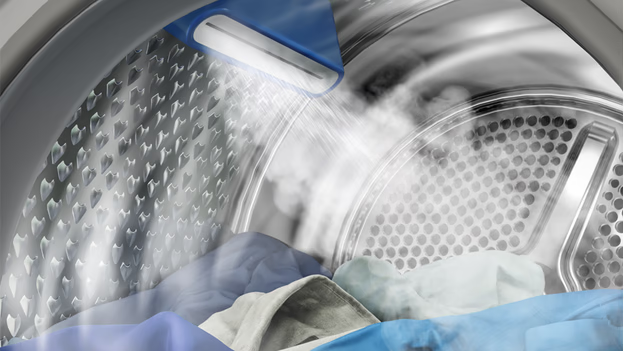
“Steam” labels cover several implementations:
- True steam injection can help lift tough stains and improve hygiene.
- Steam-assist may preheat air/water to boost cleaning and reduce wrinkles.
- Evaluate claims carefully and read the manual: benefits depend on the specific cycle design, not just a steam badge.
10) Smart Features: Useful When They Solve Real Problems

Connected features can be genuinely helpful:
- Cycle alerts to your phone—no more forgotten, musty loads.
- Remote start/scheduling to run during off-peak energy hours.
- Downloadable cycles tailored to niche fabrics.
- Diagnostics that help you troubleshoot without a service call.
If you’re not into apps, make sure the physical controls are intuitive—you shouldn’t need your phone to do laundry.
11) Build Quality & Materials: What You Can’t See Still Matters

- Stainless steel drums resist chips and snagging better than porcelain-coated steel or plastic.
- Hinges and gaskets: Sturdy hinges and quality door seals reduce leaks and wear.
- Direct-drive motors often mean fewer belts and pulleys to fail.
- Filter access: Easy-to-reach pump filters make clearing coins, hair ties, and lint less of a chore.
12) Self-Clean & Mildew Prevention: Keep It Fresh

- Drum clean/tub clean cycles help remove detergent film and biofilm.
- Auto-drying door vents and antimicrobial gasket treatments can slow mold growth.
- Door-ajar magnets on front-loaders allow air circulation between washes.
- Habit matters too: Use the right amount of HE detergent and leave the door open after cycles when possible.
13) Safety & Family-Friendly Touches
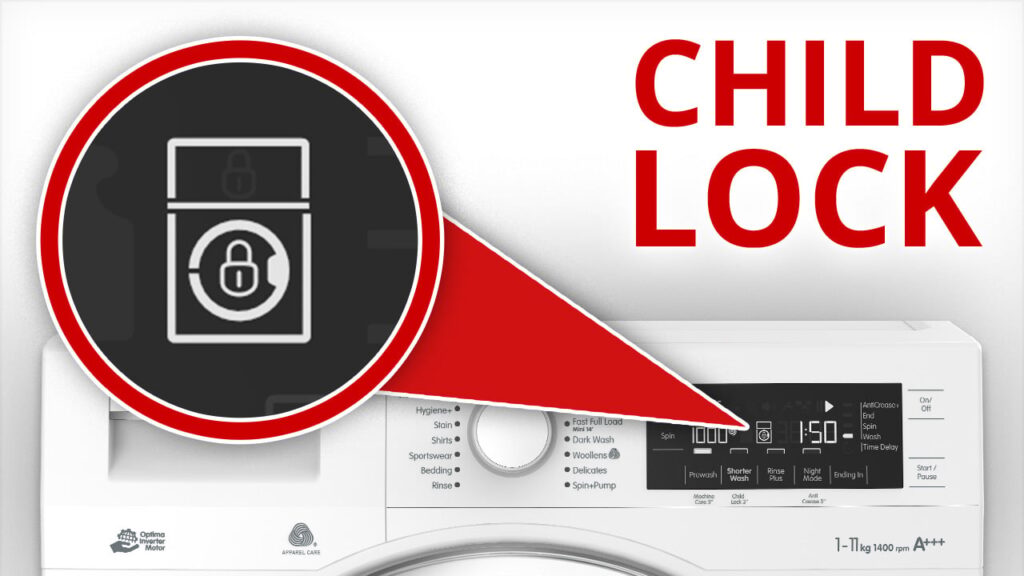
- Child lock to disable buttons mid-cycle.
- Auto-shutoff and overflow protection for peace of mind.
- End-of-cycle chimes with volume control (or mute) to suit your space.
14) Controls & Usability: Design You Don’t Have to Think About
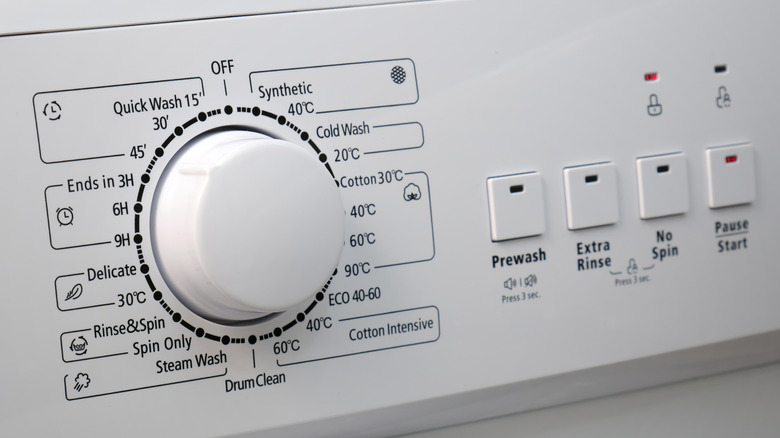
- Readable labels that won’t rub off, tactile knobs, and clear icons.
- Favorite/Memory settings to recall your go-to cycle combo.
- Interior drum light makes it harder to leave a sock behind.
- Ergonomics: Consider door swing direction and stacking compatibility if you’re pairing with a dryer.
15) Warranty, Serviceability & Total Cost of Ownership

- Compare warranty length and what’s covered (drum, motor, electronics).
- Filter access, error code clarity, and diagnostic modes matter for DIY troubleshooting.
- Factor in detergent, water, and energy savings over the machine’s life, not just the purchase price.
Feature Priorities by Household Type
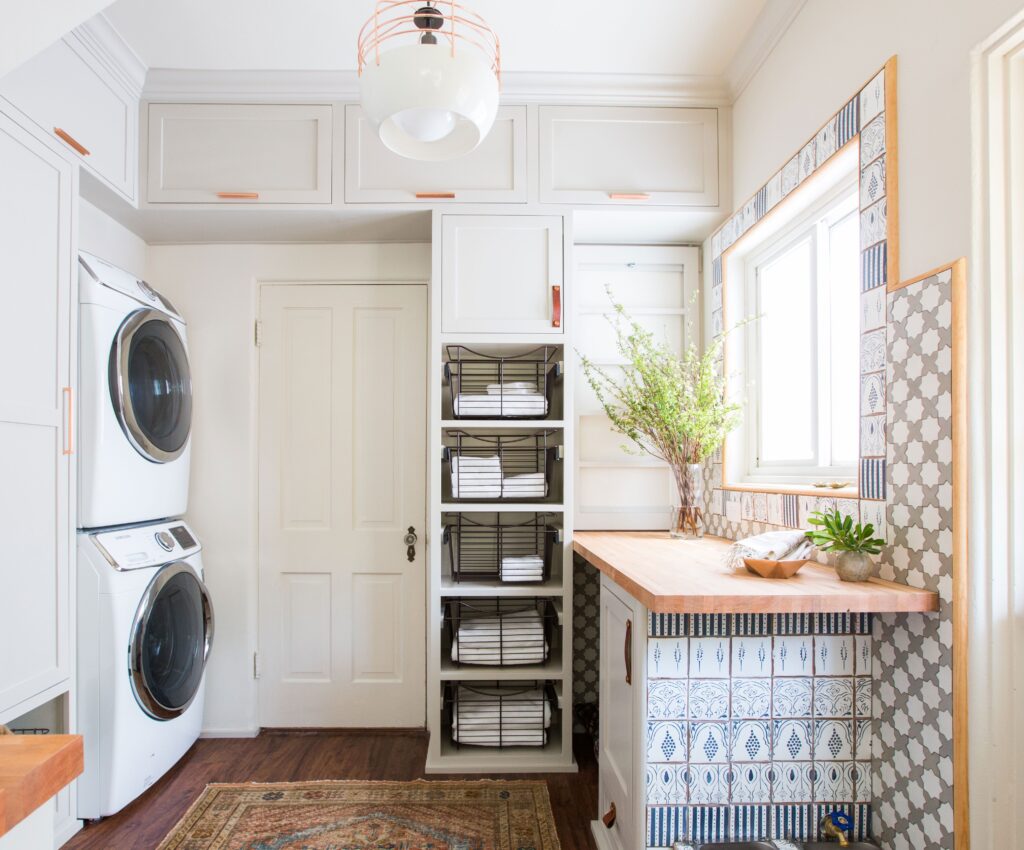
Small apartments or laundry closets
- Low noise, strong vibration control, stackable footprint, quick cycle options.
Families with kids or athletes
- Large capacity, heavy-duty, and sanitize/allergen cycles, high RPM, durable drum.
Budget-minded buyers
- Core cycles, reliable sensing, stainless drum if possible, good warranty; skip niche frills.
Allergy-prone or hygiene-focused homes
- Internal heater, sanitize or allergen cycles, thorough rinse options, auto-dose for precise detergent use.
Sustainability-focused shoppers
- ENERGY STAR® certification, high RPM extraction, load sensing, cold-wash optimization.
Pre-Purchase Checklist (Save This!)

- Measure your space (width, depth, height, door swing).
- Confirm venting and water hookups; check for stacking kit if needed.
- Match capacity to your biggest regular loads—not just the rare duvet day.
- Prioritize efficiency, spin speed, and the 5–7 cycles you’ll use weekly.
- Test noise and control layout in person if you can.
- Review warranty terms and skim the manual for maintenance (filter, self-clean).
- Decide whether smart features fit your routine or would go unused.
Where to Get More Help
For step-by-step troubleshooting and unbiased buying tips, explore Appliance Rescue—again, we do not provide repair services, but you’ll find Expert Guides, Appliance Tips, and practical advice to keep your laundry setup running smoothly.