
What Appliance Warranties Really Cover (and Don’t)
Major appliances are designed to last, but real life is messy—motors fail, control boards glitch, seals crack. A clear grasp of appliance warranties helps you compare brands, avoid surprise costs, and decide whether extra coverage is worth it. This guide explains how warranties work, what they do not cover, and the steps to take before and after you buy.
Quick note: Appliance Rescue offers expert guides, appliance tips, and troubleshooting advice. They do not provide repair services. If you need help choosing or understanding coverage—not booking a repair—their resources are a solid starting point. For questions about this article or site resources, you can Contact us.
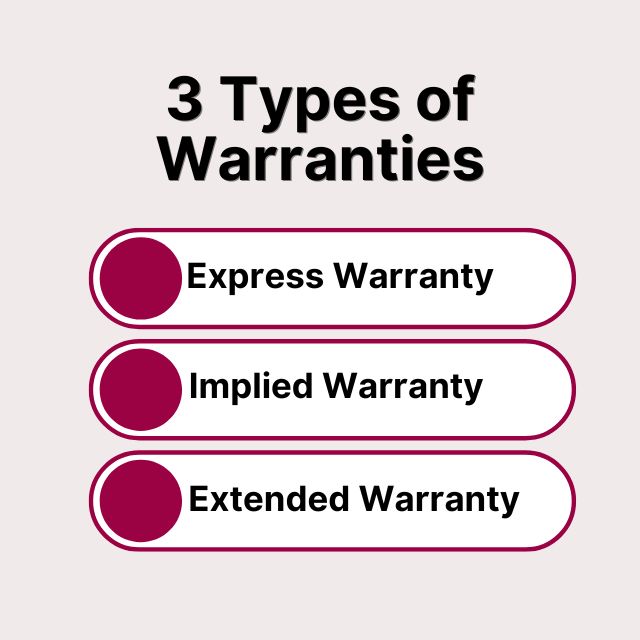
The main types of appliance warranties
1) Manufacturer’s (limited) warranty
- What it is: Standard coverage included with purchase, typically 1 year parts and labor.
- Scope: Defects in materials and workmanship.
- Limits: “Limited” means exclusions apply (wear items, cosmetic damage, misuse, improper installation, or lack of maintenance are common carve-outs).
2) Parts-only or labor-only extensions
- What it is: Some brands extend specific components—e.g., 5–10 years on a sealed refrigeration system or a washer’s direct-drive motor—often parts only.
- Implication: You may still pay labor/diagnostic fees unless clearly stated otherwise.
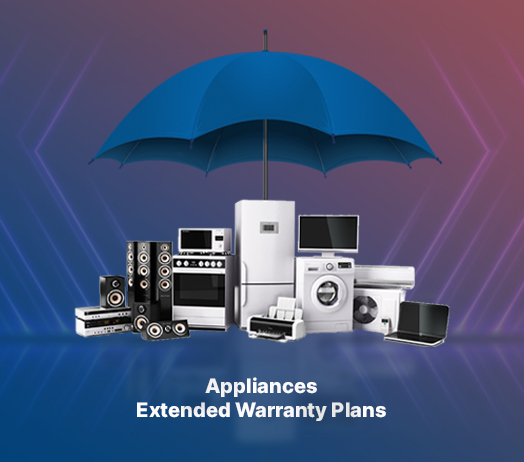
3) Retailer service plans (extended warranties)
- What it is: Add-on contracts from the store or a third party, usually 2–5 years beyond the manufacturer’s term.
- Scope: Coverage varies—some include accidental damage, food-loss reimbursement for fridges/freezers, or no-lemon replacement rules.
- Caveat: Read the service network restrictions and claim process; some plans are convenient, others cumbersome.
4) Credit card extended warranty benefits
- What it is: Certain cards (especially premium tiers) may extend the manufacturer’s warranty for eligible purchases.
- Action: Keep your receipt and card statement; claims often require original documentation.
What’s typically covered (and what isn’t)
Commonly covered
- Defects in materials or workmanship
- Early failures of electronic control boards, motors, compressors, pumps, and valves
- Replacements for failed parts and associated labor (within the covered period)
Commonly excluded
- Installation errors, improper leveling, or inadequate ventilation
- Damage from power surges, floods, pests, or corrosion
- Consumables and wear items (light bulbs, water/air filters, door gaskets, cosmetic parts)
- Normal wear and tear, noise/vibration judgments, or “performance not meeting expectation” without a fault code
- Commercial use of residential appliances (unless explicitly allowed)
- Travel/remote service fees in certain regions
Gray areas to clarify before you buy
- Food spoilage coverage: Is there a per-incident cap? Do you need receipts?
- Power surge coverage: Is a surge protector required?
- Refrigerant costs: Covered in full or capped?
- Remote locations: Are mileage charges or third-party contractors allowed?
Warranty length and how it’s measured
- Start date: Usually, the purchase date on your receipt; sometimes, the delivery or installation date with proof.
- Registration: Some brands require you to register within a set window to unlock extended coverage or promotions; missing the deadline can limit benefits.
- Transferability: If you sell the appliance, can the next owner inherit coverage? Many warranties are non-transferable unless stated.
Extended warranties: are they worth it?
Extended plans are neither universally good nor bad. Consider:
- Failure probability vs. repair cost
- A sealed-system refrigerator repair can be expensive; a basic range or microwave is cheaper to fix. Plans make more sense for high-ticket, high-complexity units (built-in fridges, vented heat-pump dryers, smart ranges).
- Brand reliability and parts availability
- Even reliable brands experience supplier hiccups. Longer parts lead times increase the value of plans that offer loaners or replacements after repeated failures.
- Your location and service network
- Urban areas typically have faster authorized service. Remote locations may face travel fees or limited technician availability—check whether your plan covers those.
- Your tolerance for hassle
- Plans that offer “no-lemon” policies (replace after multiple unsuccessful repairs) and in-home service appointments can reduce downtime.
- Existing coverage
- If your credit card extends the manufacturer’s warranty, you might not need a separate plan—unless you want add-ons like food-loss protection.
How to compare warranties across brands and stores
A. Line-by-line coverage
- Parts and labor? For how long? Are sealed systems, drums, or control boards treated differently?
B. Service logistics
- Who dispatches the technician—brand, retailer, or third party?
- Average response times? Availability on evenings/weekends?
- Are you allowed to pick your own repair company if none is available locally?
C. Claim friction
- Diagnostic fees covered? Trip/mileage fees? Return-visit charges?
- Replacement rules (e.g., “three attempts in 12 months”)? Depreciation applied to payouts?
D. Extra protections
- Food spoilage allowance for refrigerators/freezers
- Power surge coverage
- Laundry pair or kitchen bundle multi-appliance discounts
E. Data & smart features
- If the appliance connects to Wi-Fi, does the warranty demand software updates? Will failure to update void coverage?
The claim process (and how to avoid delays)
- Document immediately
- Keep receipts, serial/model numbers, and installation paperwork in a single digital folder. Photograph the rating plate and receipt on day one.
- Troubleshoot first
- Many issues are solved by basics: breaker reset, proper leveling, clearing drain filters, cleaning lint traps, and updating firmware. For step-by-step how-tos and checklists, consult Appliance Rescue for expert guides, tips, and troubleshooting advice (again, they don’t run repair calls, but their instructions can help you resolve simple problems or prepare for a service visit).
- Open a ticket with complete details
- Describe the symptom, error codes, when it occurs, and what you have already tried. Attach photos, videos, and proof of purchase. Complete information reduces back-and-forth and speeds dispatch.
- Be present during diagnosis
- Technicians may need to verify water pressure, measure voltage, or run diagnostic modes. Clear the area for access to the back and sides of the unit.
- Record everything
- Keep a log with dates, case numbers, technician names, and what was replaced. This supports “no-lemon” claims if the issue recurs.
Red flags and fine print to watch
- “Cosmetic damage only within 7 days” clauses: Inspect on delivery; note dents and scratches immediately on the bill of lading.
- Travel surcharges: Rural or island destinations may incur fees that aren’t covered.
- Aftermarket modifications: Hardwiring, non-OEM accessories, or drilling cabinets can void coverage around the modification.
- Water quality requirements: Dishwashers and washers sometimes require a certain hardness level; use recommended filters/softeners when specified.
- Improper maintenance: Skipping filter changes or condenser-coil cleanings can become grounds for denial—set calendar reminders.
Preventive steps that protect your coverage
- Professional installation for gas lines, built-ins, and vented dryers; keep the installer’s invoice.
- Level the appliance and confirm clearance specs from the manual (critical for refrigerators and wall ovens).
- Use surge protection or a dedicated circuit where recommended.
- Register the product within the stated window and save the confirmation email.
- Track maintenance (filter changes, descaling, vent cleaning) with dates and receipts.
Quick decision framework before you buy

- List the models you’re considering (brand, size, key features).
- Pull the warranty PDFs and highlight: term lengths, parts vs. labor, special components, exclusions.
- Call or chat with the retailer/brand with three questions:
- “Who performs service in my postal code?”
- “Are there mileage or diagnostic fees I might pay?”
- “What qualifies me for replacement instead of repeated repairs?”
- Check your credit card benefits for extended warranty doubling and claim limits.
- Decide on an extended plan only after comparing all the above—don’t buy it just because it’s offered at checkout.
Sample documentation checklist (copy/paste)
- Purchase receipt + order confirmation
- Delivery/installation paperwork
- Photos of serial and model numbers
- Warranty registration confirmation
- Maintenance log (filters, coils, vents)
- Service records and case numbers
- Videos/photos of the issue and error codes
Final takeaway

Warranties aren’t just paperwork—they’re a real slice of your appliance’s total cost of ownership. Read terms before you buy, keep your documentation tidy, and match coverage to the appliance’s complexity and your location. For step-by-step troubleshooting (not repair booking), visit Appliance Rescue; if you have questions about site resources or want to share feedback on this guide, Contact us.