

Washer Not Draining, Shaking, or Stinking? Quick Fixes and When to Call a Technician
Modern washers are pretty tough, but three issues show up again and again: the tub won’t drain, the machine vibrates like a jet taking off, or it smells like a locker room. The good news? Many causes are simple and safe to check. The better news: you don’t need to be a pro to do the first round of diagnostics.
Important note: Appliance Rescue doesn’t offer repair services. We publish expert guides, appliance tips, and troubleshooting advice to help you decide what you can do yourself—and when it’s smarter to bring in a certified technician. If you have questions about these steps or want more guidance, Contact us.
Quick Safety First
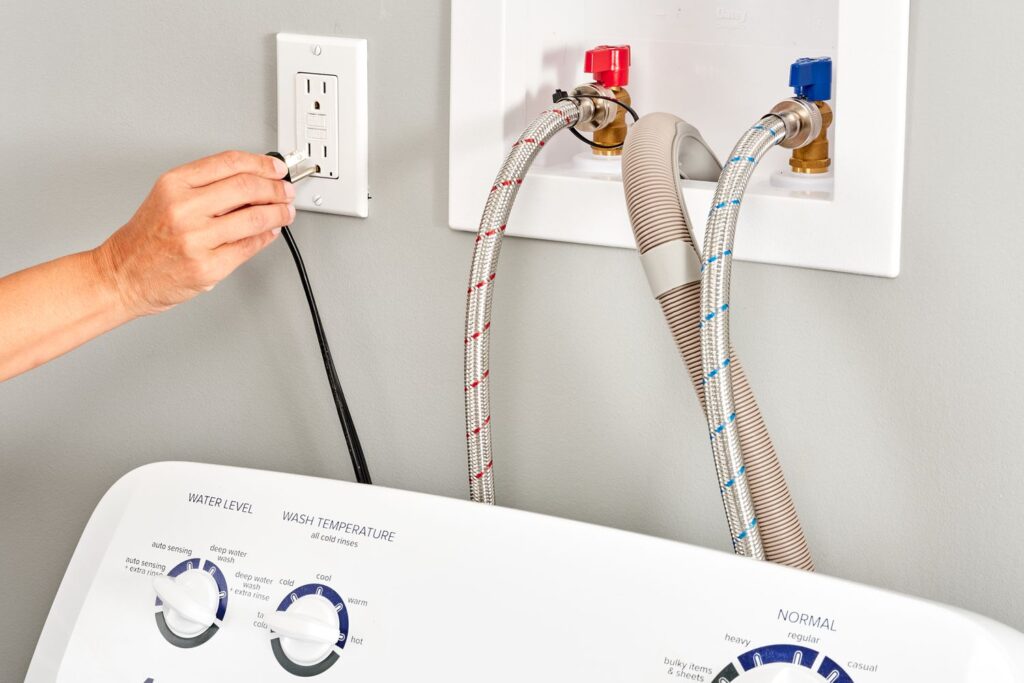
- Unplug the washer before you remove panels or reach into any compartment.
- Turn off the water supply valves if you’ll disconnect hoses.
- Bail out standing water with a container to prevent spills and shock risk.
- Use gloves—lint, screws, and sharp edges live in surprising places.
Symptom A: Washer Won’t Drain
What it feels like
Cycle ends with water still in the drum, clothes sopping wet, maybe an error code like “ND,” “OE,” or “E21” depending on brand.
Likely causes (from most to least common)
- Clogged drain filter or coin trap (front-loaders especially).
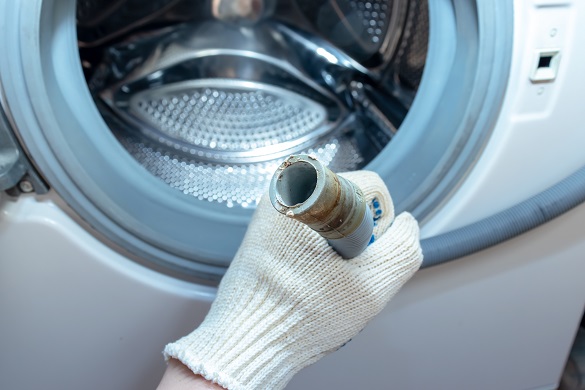
- Blocked drain hose (kinked or packed with debris).
- Standpipe or sink clog downstream from the machine.
- Failed drain pump (impeller jammed or motor burned out).
- Lid switch/door lock issue (machine won’t spin/drain if it thinks the door is open).
- Pressure switch or air dome hose blockage (washer never “sees” that water level is ready to pump).
DIY checks (10–30 minutes)
- Drain filter/coin trap
- Find the small service door at the front bottom (front-load). Place a shallow pan or towel.
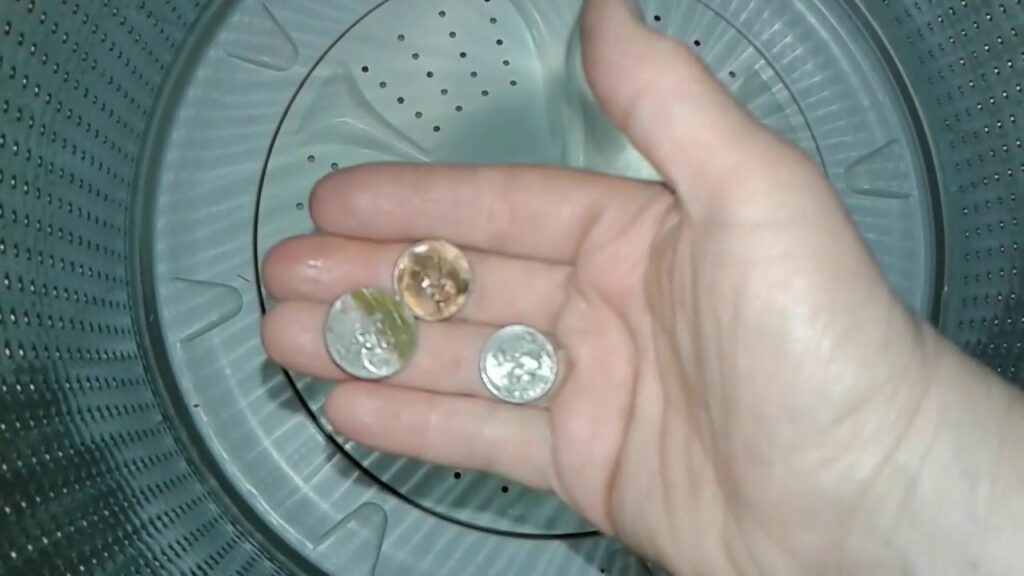
- Twist out the filter plug; expect a water gush. Remove coins, hairpins, lint mats, or stray sock fluff.
- Reseat the cap firmly. Run a short drain/spin test.
- Drain hose
- Pull the machine forward. Inspect for kinks behind the cabinet or crushed sections under the machine.
- Detach the hose at the standpipe or sink and flush it with warm water. If badly clogged, snake it or replace.
- Standpipe or sink
- If water backs up when the pump runs, the house drain is clogged. That’s a plumbing issue, not the washer.
- Door lock/lid switch
- Listen for the click of the door lock engaging at cycle start. No click? The machine may refuse to spin or drain.
- For top-loaders, gently press the lid during spin—if it starts, the switch may be intermittent.
- Hidden sock in the pump
- If the pump hums loudly but doesn’t move water, and your filter was clean, a small garment may have slipped past the tub boot. At this point, removing pump hoses is required—consider calling a pro.
When to call a technician
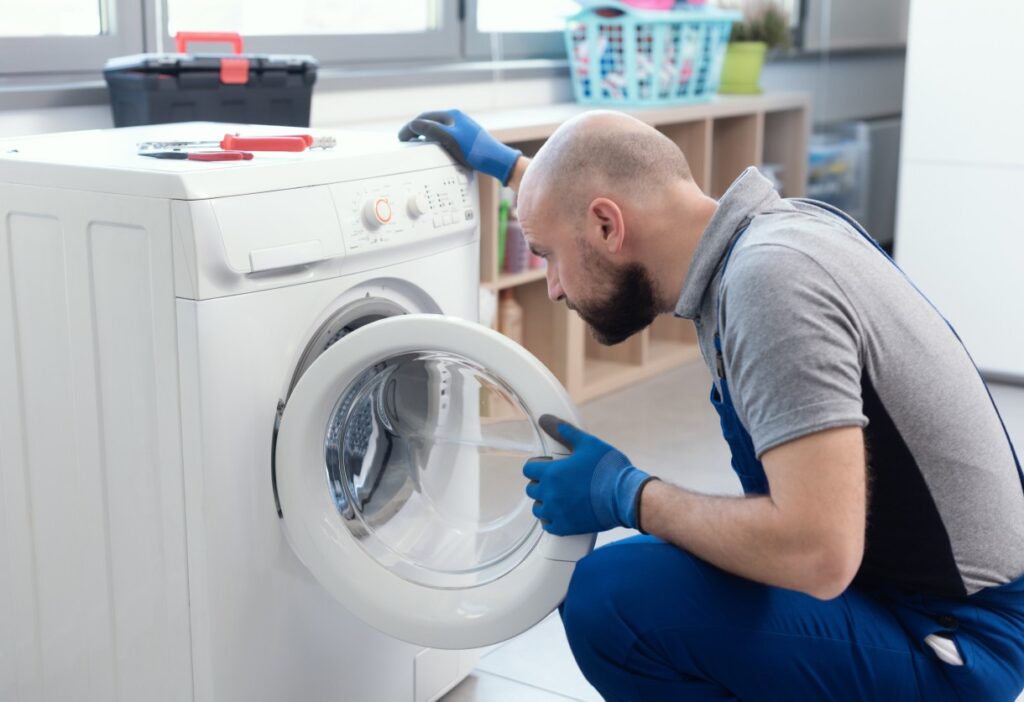
- You’ve cleaned the filter and hose, but the pump just hums or trips the breaker.
- Error codes persist after resets, or the machine won’t enter spin.
- Burnt smell or visible leaks appear during drain attempts.
- Access requires fully removing the front or rear panel, and you’re not comfortable doing that.
Symptom B: Washer Is Off-Balance or Shaking
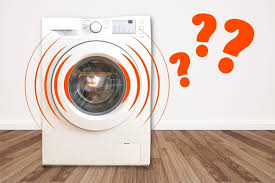
What it looks and sounds like
Thumping, walking across the floor, or vibrating so hard the detergent bottle shimmies off the lid. Often happens in spin with heavy loads.
Common culprits

- Uneven floor or feet not leveled—the classic.
- Uneven load distribution—one heavy blanket soaks up all the water and throws the drum off.
- Worn suspension/rod/damper assemblies (top-loaders).
- Worn shock absorbers or tub springs (front-loaders).
- Damaged or missing shipping bolts—if never removed on a new machine, vibration is extreme.
- Failed bearing or spider arm—less common but serious on older front-loaders.
DIY stabilization steps
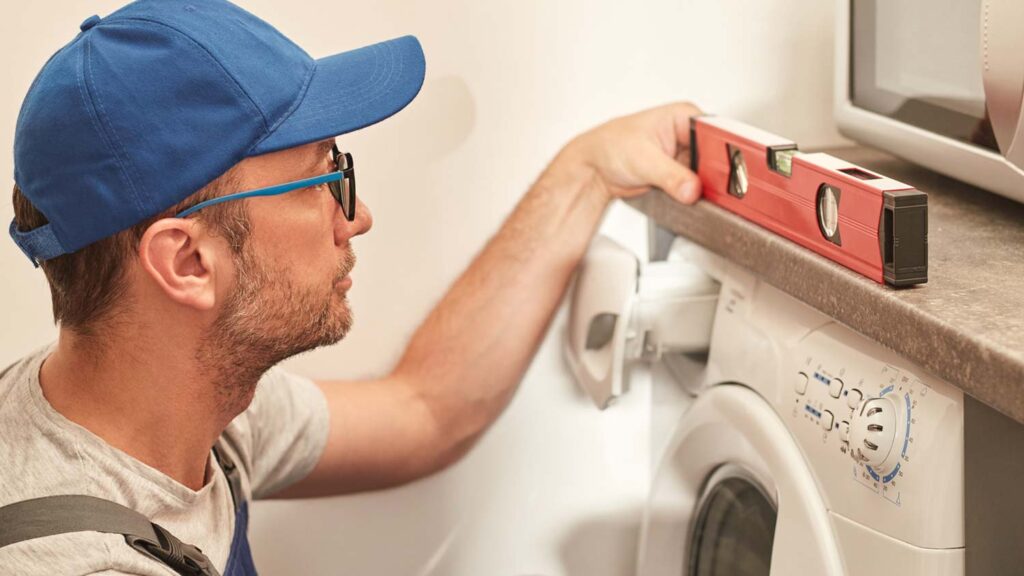
- Re-level the washer
- Put a level on the top—front-to-back and side-to-side.
- Adjust the feet (usually twist to extend/retract). Lock the jam nuts so they don’t drift.
- Place the washer on a solid surface; flimsy floors amplify vibration.
- Rebalance the load
- Pause the cycle; redistribute towels/jeans/blankets so the weight is even.
- For single bulky items (comforters, rugs), add a few towels to even it out.
- Use High-Speed Spin only when the load is balanced; otherwise, choose a lower speed.
- Check for missing shipping bolts (new units)
- The rear panel may still have long transport bolts. If yes, remove per manual. Running with them installed can damage the suspension.
- Inspect shocks/suspension (visual)
- Front-load: open the door and push the drum up and down. Excessive bounce or knocking hints at worn shocks.
- Top-load: look under the cabinet (with power off). If the rods have oily residue, broken plastic bushings, or the tub leans, the suspension may be spent.
When to call a technician
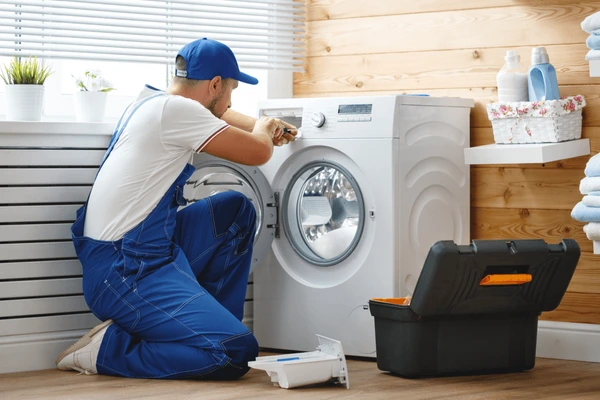
- Repeated “UE/UB” balance errors even after careful loading and leveling.
- Metal grinding, brown streaks behind the drum, or wobble that doesn’t correspond to load size—possible bearing or spider failure.
- You see leaking at the bottom concurrently with vibration.
Symptom C: Foul or Musty Smells

Why washers smell
Warm water + detergent residue + fabric softener + lint = biofilm. Add infrequent hot cycles and a sealed door, and bacteria throw a party.
Routine odor-busting plan

- Monthly tub clean
- Run a Tub Clean or Sanitize cycle with a washer cleaner or 1 cup of white vinegar, followed by a second cycle with 1/3 cup baking soda. (Never mix bleach and vinegar.)
- For severe odor, run one clean with bleach (no clothes), then rinse.
- Door boot and gasket wipe-down (front-loaders)
- Pull back the gray gasket. Wipe out slime, coins, and hair. Dry thoroughly.
- Check the drain holes around the bottom of the boot—they clog easily.
- Dispenser and filter maintenance
- Remove the detergent drawer; soak it in warm water and scrub the detergent sludge.
- Clean the drain filter (see Symptom A) to remove trapped organic gunk.
- Air it out
- Leave the door and dispenser drawer cracked open between washes. Airflow is your friend.
- Detergent right-sizing
- Use HE detergent and measure modestly. Overdosing feeds residue.
- Run hot washes periodically, especially for towels.
When to call a technician

- Persistent odor even after multiple deep-clean cycles and gasket care.
- Visible black mold you can’t reach, or standing water in the bottom of the drum for days.
- Suspected blocked vent or internal hose biofilm that requires cabinet disassembly.
Fast Decision Tree (What to Try First)
- Water still in the tub? → Clean filter → Check hose → Test drain → If pump hums or errors remain → Call a tech.
- Machine shaking? → Relevel feet → Rebalance load → Inspect shocks/suspension → If grinding/leaning → Call a tech.
- Musty smell? → Tub clean → Gasket & dispenser scrub → Air out → Adjust detergent → If odor persists → Call a tech.
Preventive Habits That Pay Off
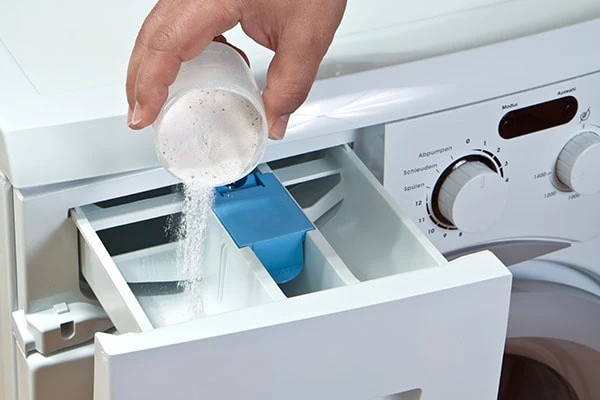
- Quarterly maintenance: Clean the drain filter and dispenser, and run a sanitize cycle.
- Right detergent, right dose: Too much soap = residue and balance issues.
- Mind the pockets: Coins and bobby pins love the pump.
- Use the right cycles: Bulky items on Bulky/Blanket; high spins for balanced loads only.
- Mind the water hardness: In hard-water areas, a monthly descaler can cut residue buildup.
What NOT to Do

- Don’t pry or force the door lock; it’s expensive to replace.
- Don’t run the machine with shipping bolts installed (new units).
- Don’t mix bleach and vinegar—dangerous fumes.
- Don’t bypass safety switches to force a spin with the lid open.
If You’re On the Fence About DIY vs. Pro

Ask yourself three questions:
- Is power/water fully off, and is the machine stable? If not, stop.
- Do I need to remove internal panels or handle wiring? That’s pro territory for most people.
- What’s the age/value of the washer? Major parts (bearings, spider arms, main control boards) can exceed the value of an older unit.
Remember, Appliance Rescue provides guides—not in-home repairs. For local, hands-on service, hire a certified appliance technician. If you want help interpreting an error code or choosing next steps, Contact us, and we’ll point you to the right resource.
Final Thoughts
Most drain, balance, and odor issues respond to a careful, methodical check: clean the filter, free the hose, level the feet, and keep the interior dry and clean. When symptoms persist—loud humming, grinding, repeated error codes, or a smell that just won’t quit—those are green lights to call a technician. Use our guides to narrow the problem, save time, and talk to your tech with confidence.
For more walkthroughs and maintenance tips, explore Appliance Rescue. If you need help deciding what to try next, Contact us—we’re happy to guide you to the right information.