
How to Winterize Appliances for Canadian Winters: Garages, Cottages & Second Homes
Canadian winters are beautiful—and brutal on appliances. Whether you’ve got a detached garage in Calgary, a cozy cottage in Muskoka, or a second home on the coast, sub-zero temperatures, wide humidity swings, and long periods of disuse can shorten appliance life or cause costly damage. This guide lays out what to do, when to do it, and why it matters, with quick checklists for every major appliance type.
Note: Appliance Rescue provides expert guides, appliance tips, and troubleshooting advice. They do not offer repair services. If you need tailored guidance on a unique setup, you can Contact us for help interpreting your owner’s manuals and creating a winter plan.
The Canadian Winterization Mindset
- Freeze protection: Any water left in hoses, valves, pumps, or traps can expand and crack components.
- Humidity control: Empty, unheated buildings swing from dry cold to damp thaws—perfect conditions for corrosion and mildew.
- Power reliability: Outages, brownouts, and generator use can create voltage fluctuations that stress electronics.
- Rodent pressure: Seasonal closures invite pests to nest in warm cavities and chew wiring or insulation.
Build your plan around these four risks and you’ll prevent 90% of common winter failures.
Quick-Start Seasonal Checklist (Pin This)

- Water out: Drain, purge, or bypass any appliance with water. Use non-toxic RV/Marine antifreeze in traps where draining isn’t possible.
- Clean & dry: Deep clean interiors; leave doors slightly ajar to prevent odours and mold.
- Power strategy: Unplug non-essential appliances; protect essentials with surge protection.
- Rodent defense: Close gaps, use screens on vents, remove food sources, and consider deterrents.
- Documentation: Photograph shut-off positions and label valves; file manuals where you can find them in spring.
- Final walk-through: Confirm heat settings (if any), water main off, and notes for spring startup.
Garages: Unheated, Often Below Freezing
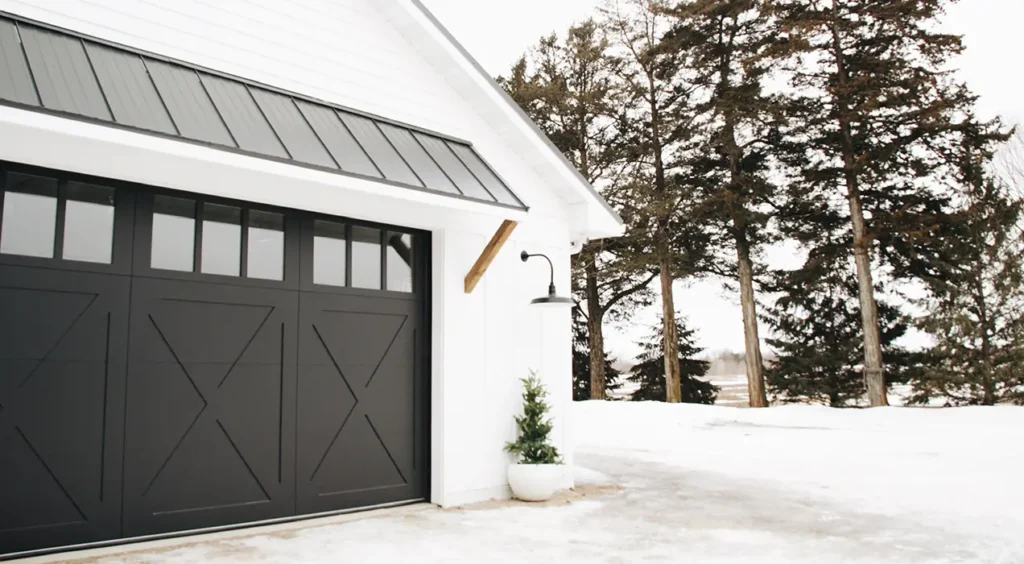
Garages are tempting places for extra freezers and “beer fridges,” but many residential models aren’t designed for ambient temperatures below ~10 °C. Cold rooms can trick thermostats: the fridge section gets too warm or the compressor won’t cycle correctly, risking food safety or compressor wear.
Best practices:
- Choose garage-rated models, where possible, or check the operating temperature range in your manual before winter.
- Position wisely: Keep units off concrete (use a platform or rubber feet) to reduce cold conduction and condensation.
- Airflow: Maintain several inches of clearance around coils; dusty garages clog condenser fins fast.
- If shutting down for winter:
- Empty and defrost completely.
- Clean gaskets, drawers, and drain pan.
- Wipe interior with a mild baking-soda solution.
- Prop the doors open with a towel or door clip.
- Unplug and cover with a breathable appliance cover (not plastic sheeting).
Cottages & Second Homes: Intermittent Use, Plumbing Everywhere

The challenge here is water lines—not just in laundry and dishwashers, but in refrigerators with ice/water, coffee systems, and built-in filtration. If the building is left unheated, you must assume all lines can freeze.
Whole-home sequence (do this first):
- Shut off the main water supply.
- Open the lowest faucets to drain lines; open higher taps to admit air.
- Bypass or drain filters/softeners per the manufacturer’s instructions. Remove and store filter cartridges indoors.
- Blow out lines with low-pressure compressed air if recommended for your plumbing type.
- Pour RV/Marine antifreeze into sink, tub, shower, and floor traps to prevent freeze damage and odours.
Once the house is “dry,” move appliance-by-appliance:
Refrigerators & Freezers (Including Ice Makers)
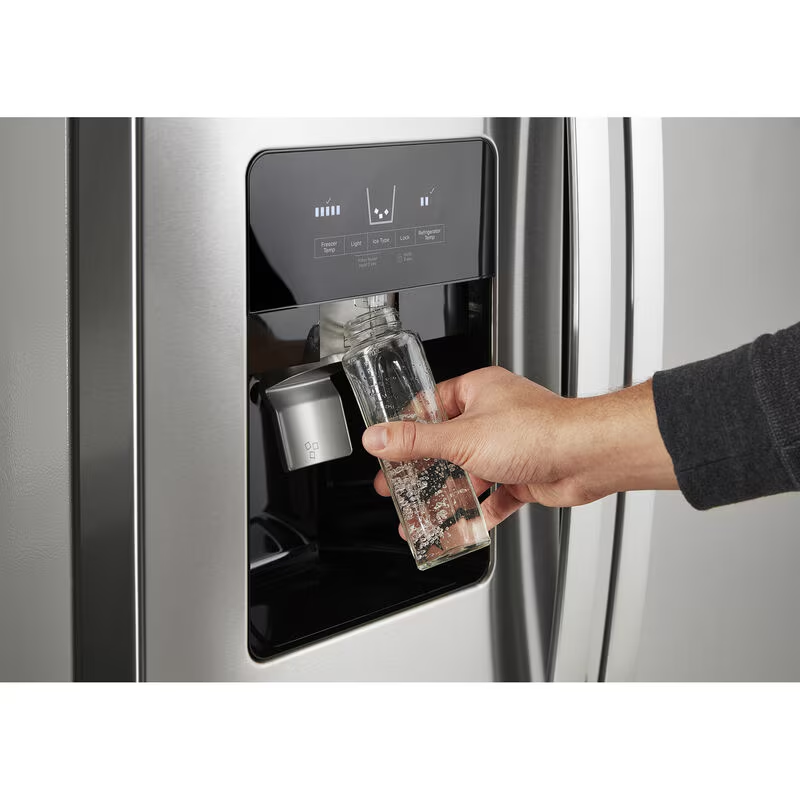
- If powering off:
- Turn off the ice maker 24 hours prior; empty the bin.
- Disconnect the water supply; drain the line or cap it.
- Defrost (for manual-defrost units) and clean.
- Leave doors ajar with a spacer; place a tray of dry baking soda or fresh charcoal sachets.
- If leaving it on in a garage or cold room:
- Confirm the model’s low-ambient rating.
- Keep at least half-full (jugs of water work) to stabilize temps.
- Use a plug-in thermometer to verify the interior stays below 4 °C (fridge) and at or below −18 °C (freezer).
- Gasket care: Lightly coat door gaskets with food-grade silicone to prevent drying and sticking.
Washing Machines
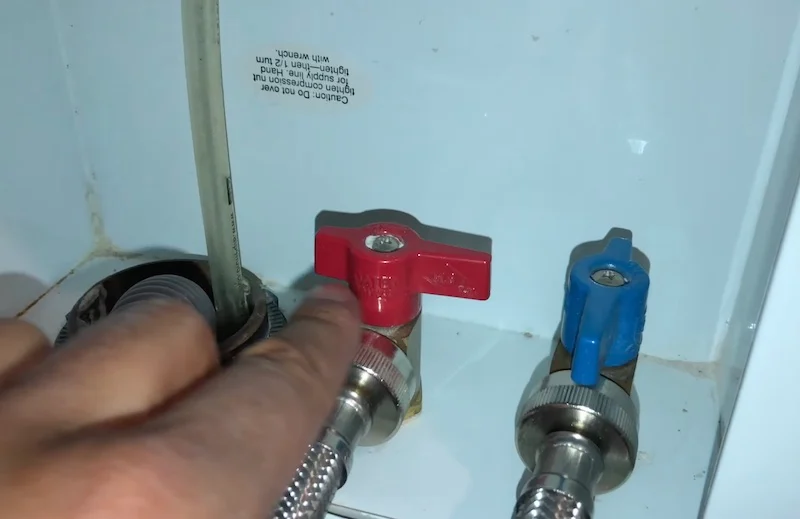
Water hides in pumps, hoses, and the tub ring—even after a “drain/spin.”
Winterize steps:
- Run a cleaning cycle (without clothes) using machine cleaner or white vinegar to remove residues.
- Shut water off at the valves; disconnect hoses; drain into a bucket.
- Tip inlet hoses to empty them; remove and clean inlet screens.
- For cold buildings, add 1–2 cups of RV/Marine antifreeze into the drum and briefly start a spin/drain to pull antifreeze into the pump and sump.
- Leave the door open and the detergent drawer out to dry.
- Tape hoses and screws to the machine so nothing goes missing.
Dishwashers

Dishwashers retain water in the sump, pump, and drain hose.
Winterize steps:
- Clean the filter and run a hot sanitize cycle to degrease.
- Turn off the water at the shut-off; disconnect the supply line and let it drain.
- Add 1–2 cups RV/Marine antifreeze to the tub; run a short drain-only (or start a cycle and cancel) so antifreeze fills the pump and traps.
- Leave the door ajar.
- If hard-wired, switch off the breaker and label it.
Water Dispensers, Ice Makers & Built-In Coffee Systems

These systems have small valves and capillary lines that are easy to crack.
- Follow the manual to purge lines. If unavailable, disconnect and drain the supply, then prime the system with RV/Marine antifreeze where the manual allows.
- Remove and store filters indoors; label the date for spring replacement.
- For standalone water dispensers, drain the hot and cold tanks completely; store indoors if possible.
Ranges, Ovens & Cooktops (Electric, Gas, Propane)
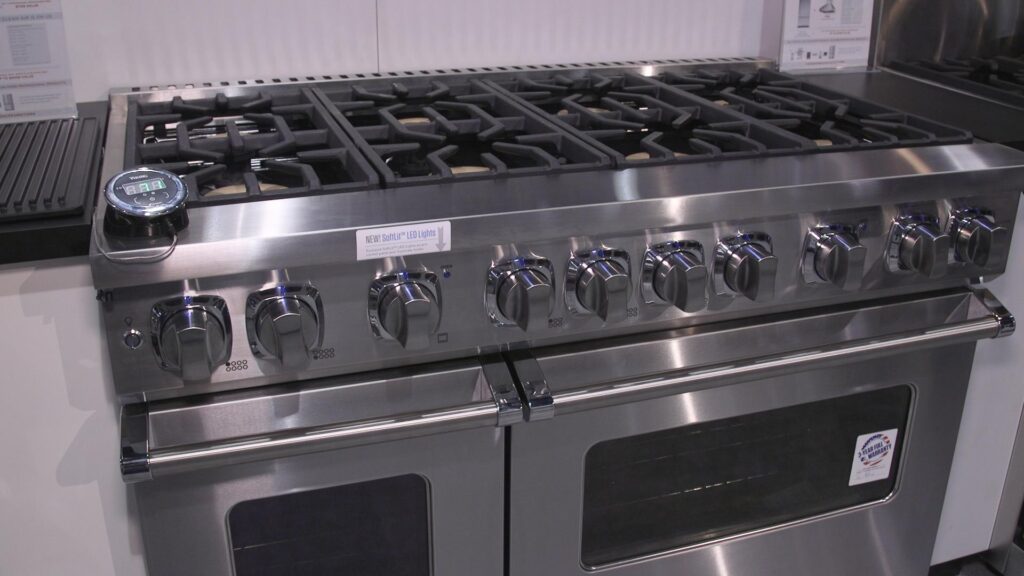
- Electric: Clean thoroughly. Unplug if not in use; protect the outlet from dust.
- Gas/Propane:
- Close the appliance shut-off valve.
- If leaving the gas on for a furnace or other appliances, tag all closed valves so no one reopens them accidentally.
- Clean burners and check for insect screens on outdoor regulator vents (wasps and spiders love them).
- Pilot lights: Most modern units are electronic ignition; for older pilots, verify they’re off before leaving.
Microwaves, Range Hoods & Small Appliances
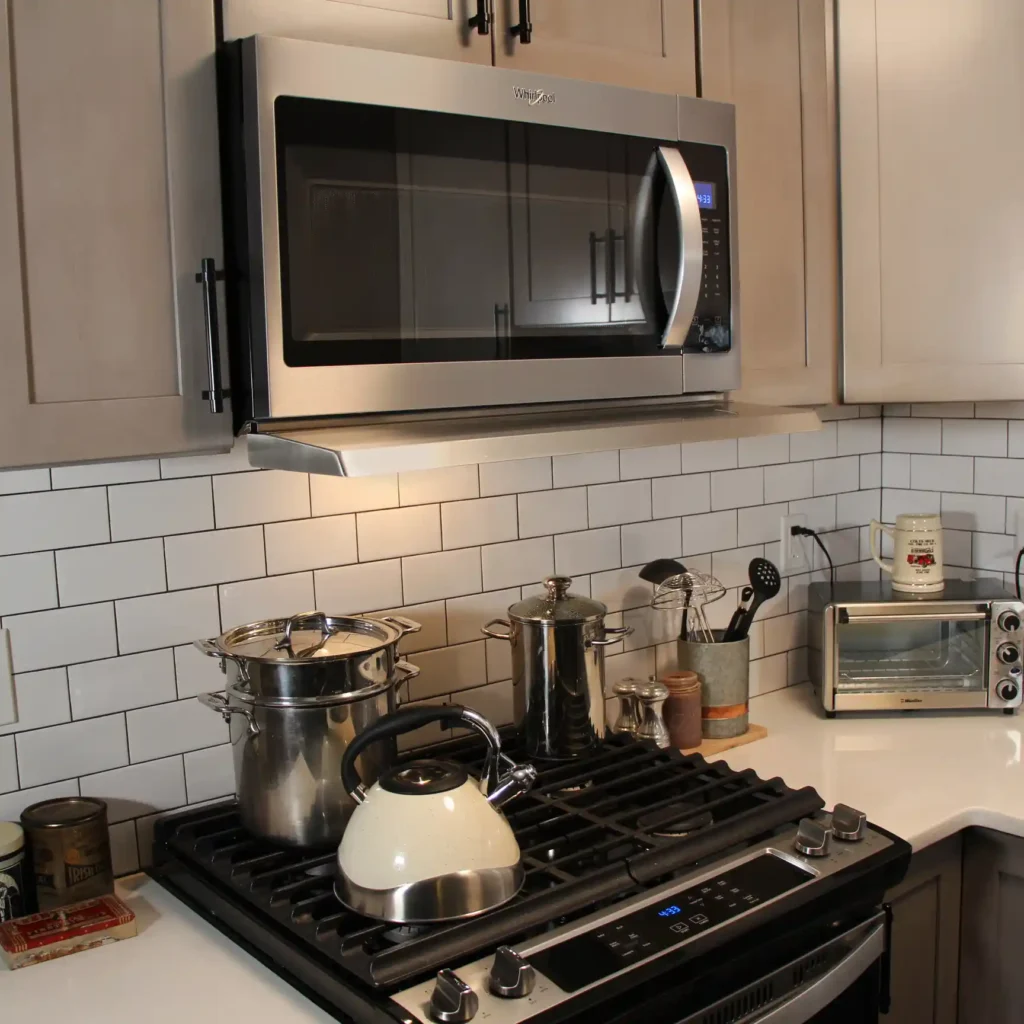
- Wipe, deodorize, and unplug. Moisture plus long idle time can corrode electronics.
- Remove and wash grease filters from range hoods; dry completely before reinstalling.
- Store kettles, mixers, and countertop coffee machines indoors if the structure will drop below freezing.
Humidity, Odours & Mold Control
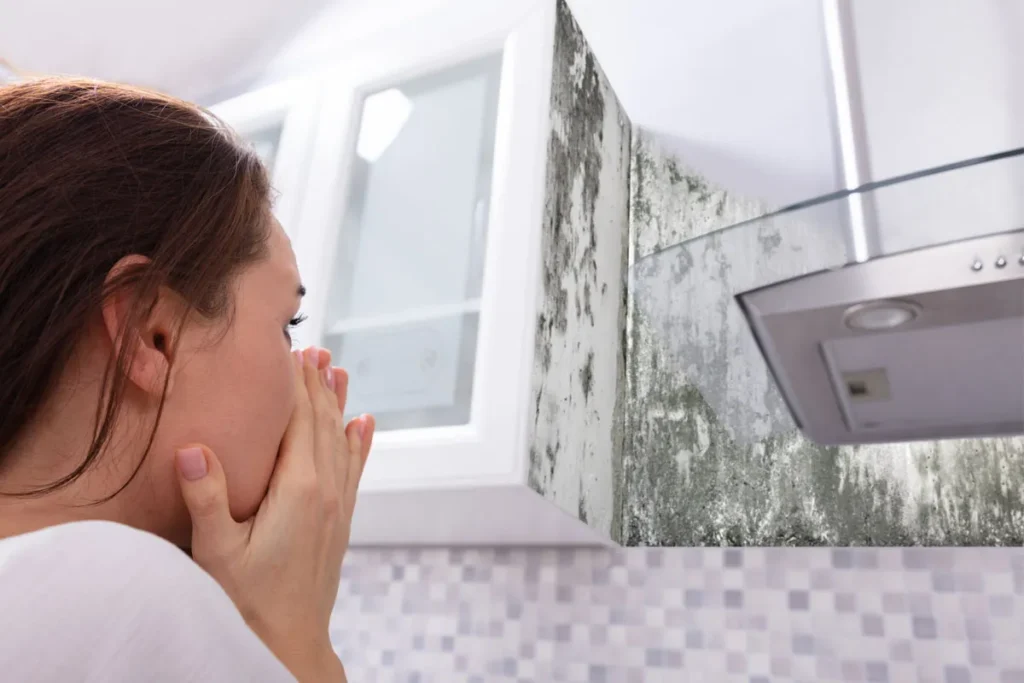
- Air the space before closing up: run the bath fan/HRV briefly to exchange indoor air.
- Desiccants: Place moisture absorbers in enclosed areas (fridge cavities, under sinks).
- Leave doors ajar: Fridges, dishwashers, and laundry machines benefit from a cracked door to prevent stale odours.
- No plastic wrap: It traps moisture. Use breathable covers only.
Power & Electronics Protection
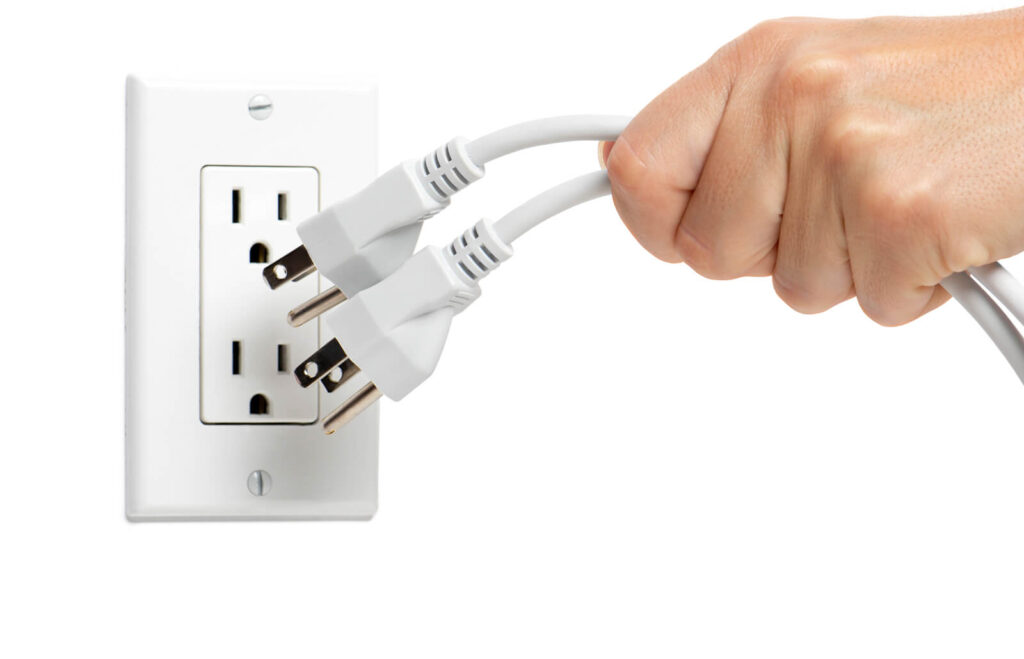
- Unplug non-essential appliances. Idle electronics are vulnerable to surges.
- For essentials you must leave on (sump pump, security systems, select fridges):
- Use a surge protector or line conditioner rated for the load.
- Consider a temperature monitor and smart plug to verify status remotely.
- Generator/backup power: Check that sensitive appliances are on circuits with clean sine-wave output to avoid control board damage.
Rodent & Pest Prevention

- Seal cable and pipe penetrations with caulk or steel wool.
- Install mesh screens on exterior vents (without blocking airflow).
- Remove all food and wipe crumbs—especially toaster trays and oven drawers.
- Avoid scented bait inside appliances; use traps in service cavities only if accessible.
Spring Startup: Recommissioning Without Surprises

- Visual check: Look for leaks, chewed wires, or rust streaks.
- Remove antifreeze: Run fresh water through washers and dishwashers on a rinse cycle before the first load.
- Reopen water valves slowly while someone watches appliances for drips.
- Flush filters: Install new cartridges; run ice makers and dispensers for several minutes; discard the first ice batches.
- Power up in stages: Bring appliances online one at a time to isolate any issues.
Warranty & Safety Notes

- Always follow the manufacturer’s manual; some brands specify exact winterizing procedures (and temperatures) for garages and seasonal properties.
- Using RV/Marine antifreeze is standard for winterizing traps and certain pump circuits because it’s non-toxic when used as directed; never use automotive antifreeze.
- If in doubt about electrically hard-wired appliances or gas shut-offs, consult a licensed professional.
Need a Custom Checklist?

Every property is a little different. For appliance-specific guides, troubleshooting flowcharts, and seasonal prep templates, visit Appliance Rescue. If you’re unsure how to interpret a model-specific instruction or you want a room-by-room winter plan, Contact us. Remember, Appliance Rescue does not perform repairs; they focus on expert guides, tips, and DIY troubleshooting advice so you can winterize confidently.
Print-Friendly Mini Checklists
Fridge/Freezer
- Empty → Defrost → Clean → Doors ajar → Water off/disconnected → Unplug or confirm low-ambient rating.
Washer
- Clean cycle → Water off → Hoses drained → Antifreeze through pump → Door open.
Dishwasher
- Filter cleaned → Water off → Antifreeze to sump → Door ajar → Breaker labeled.
Cottage Close-Up
- Main water off → Lines drained → Traps protected → Filters removed → Power plan set → Rodent seals checked.
With a clear plan and a couple of inexpensive supplies, your appliances will wake up in spring exactly as you left them—minus the frost damage and funky smells.