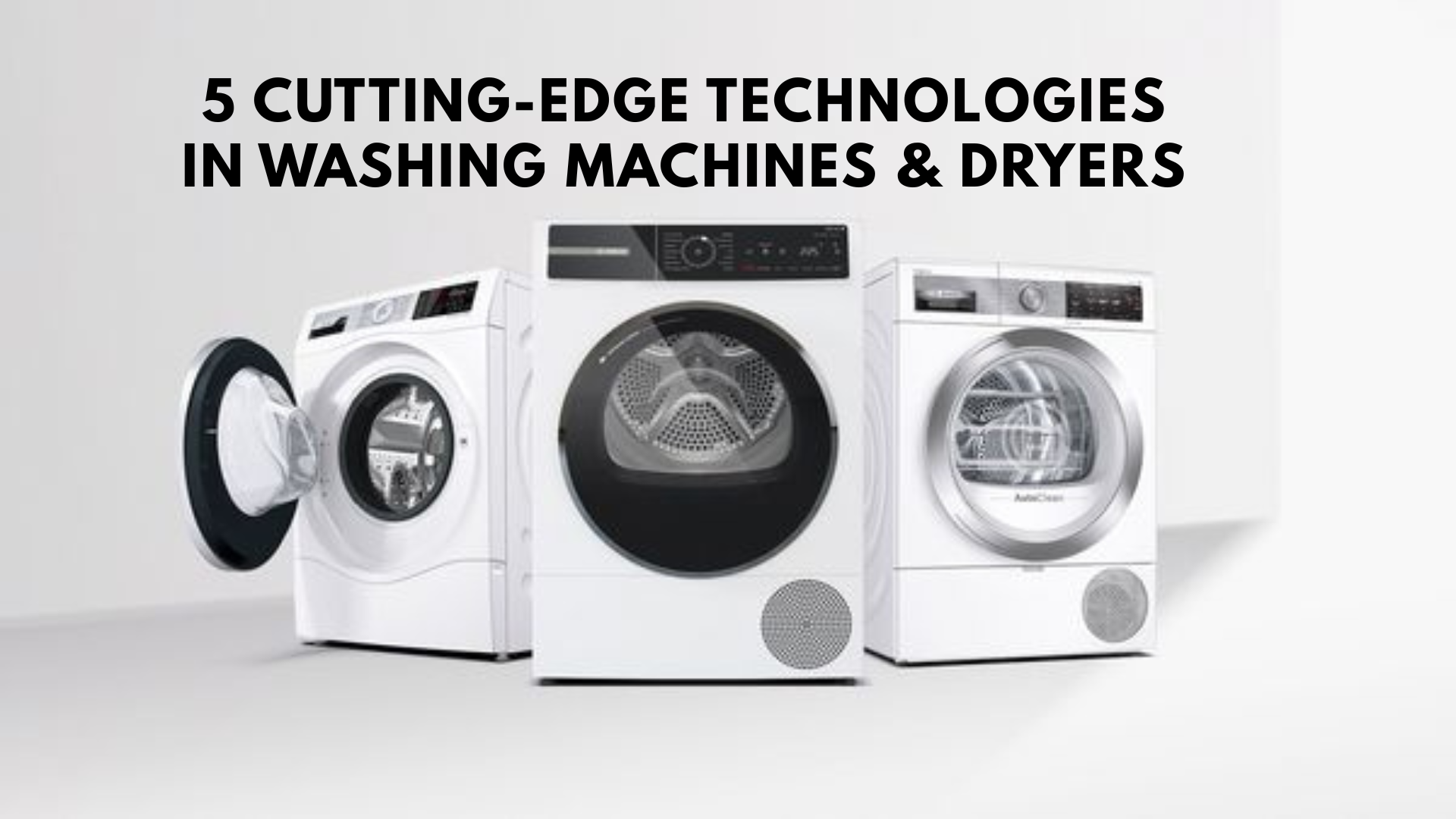

Must-Have Smart Features in Modern Washer & Dryers
The laundry room has quietly become a tech lab. Today’s premium washing machines and dryers pack sensors, software, and ingenious hardware that squeeze out more cleaning power while using less water and energy. Below, we unpack five innovations worth knowing—what they do, why they matter, and a few caveats so you can buy (or use) wisely.
Quick note: Appliance Rescue offers expert guides, appliance tips, and troubleshooting advice. They do not provide repair services. If you want to ask a question or suggest a topic, Contact us.
1) Auto-Dosing with Adaptive Detergent Intelligence
What it is:
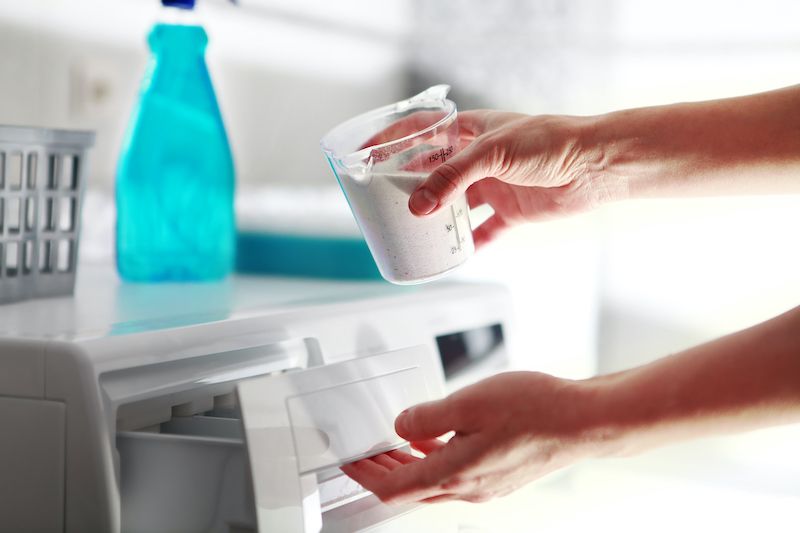
A built-in reservoir stores liquid detergent (and often fabric softener). The washer weighs the load, estimates soil level using turbidity and motion sensors, and dispenses the precise amount needed—sometimes tweaking formula strength based on water hardness and cycle selection.
Why it’s a leap:
- Consistent results: Proper dosing improves stain removal and reduces residue.
- Fabric & machine health: Over-sudsing stresses bearings, traps odor, and can irritate skin; auto-dosing avoids that.
- Convenience: Refill every few weeks rather than every load.
Things to keep in mind:
- If you switch detergents (e.g., from HE to delicate), recalibrate the concentration setting.
- Rinse the cartridge occasionally to prevent gumming, especially with thick liquids.
Pro tip:
If your machine lets you set “detergent concentration,” start conservative (e.g., 2x) and assess. Whiter whites but stiff towels? Bump down a notch.
2) Heat-Pump Drying (Low-Temp, High-Efficiency)
What it is:
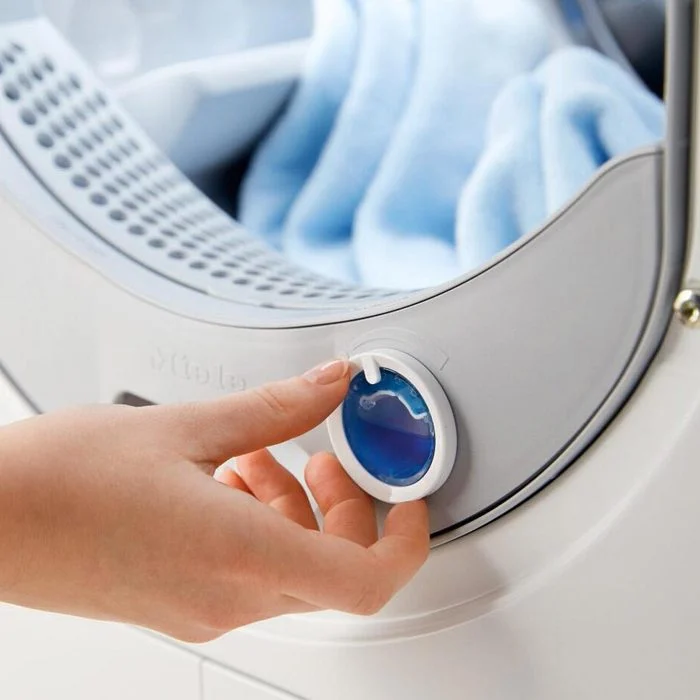
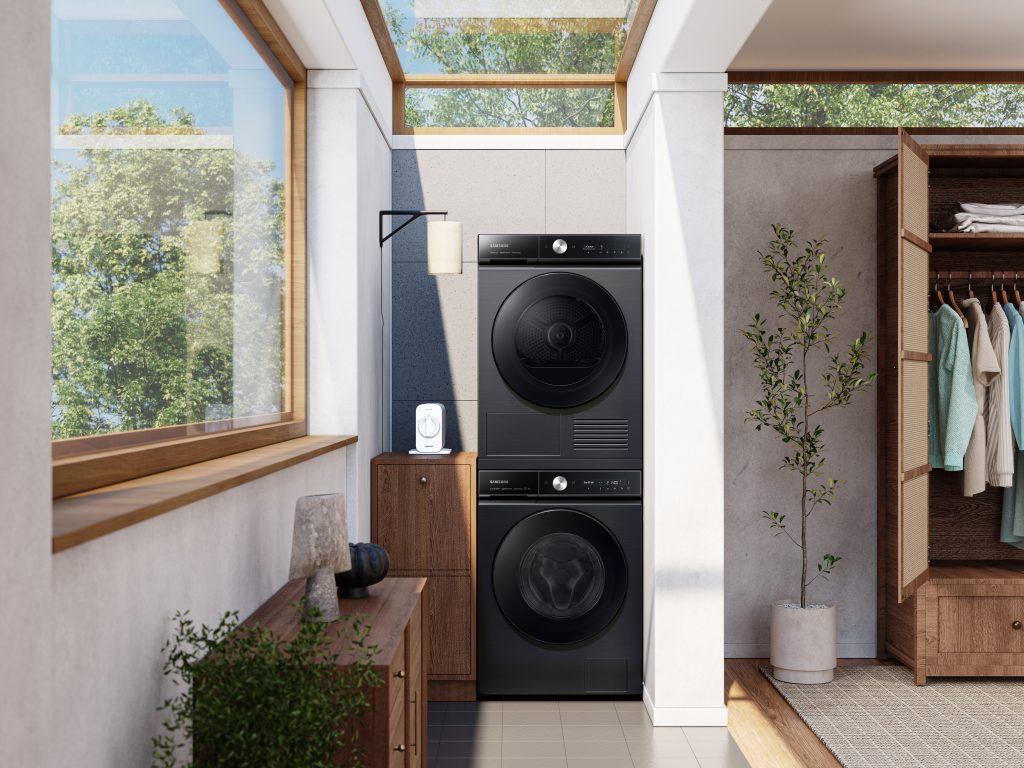
Instead of blasting hot air and venting it outside, a heat-pump dryer uses a closed loop to dehumidify air and reuse heat—similar to a mini split AC running in reverse. It dries at lower temperatures, which is gentler on fabrics and far more energy-efficient.
Why it’s a leap:
- Energy savings: Often 25–50% less energy than conventional vented dryers.
- Fabric care: Lower temps mean less shrinkage and fewer set-in creases.
- Flexible installation: Many models are ventless; great for condos or interior closets.
Things to keep in mind:
- Longer cycles: Low-temp drying can take more time, though many units offset this with moisture sensors and “hybrid” boost modes.
- Filter hygiene matters: Heat-pump units have extra filters and sometimes a condenser that needs periodic rinsing to stay efficient.
Pro tip:
Spin speed in the washer is your secret weapon. A 1200–1400 RPM spin can cut dryer time dramatically, offsetting the slower low-heat process.
3) Microbubble & Ultrasonic Cleaning (Better Chemistry, Less Heat)
What it is:
These systems premix detergent with air to create microbubbles or use ultrasonic agitation to drive tiny cavitation effects. The goal is to increase detergent contact with fibers—especially at lower water temperatures.
Why it’s a leap:
- Cold-water cleaning that works: Save energy without sacrificing stain removal.
- Color protection: Lower temps are gentler on dyes and elastics.
- Shorter dissolving time: Detergent activates faster, so cycles may shorten.
Things to keep in mind:
- Results depend on detergent quality; enzymes matter in cool water.
- For heavy oil or pigment stains, pretreating still helps.
Pro tip:
Pair microbubble modes with an enzyme-rich detergent for athletic wear and food stains; enzymes do their best work below ~130°F (54°C).
4) Fabric-Care Vision: Load Sensing, Fiber-Safe Drums & Precision Motion
What it is:
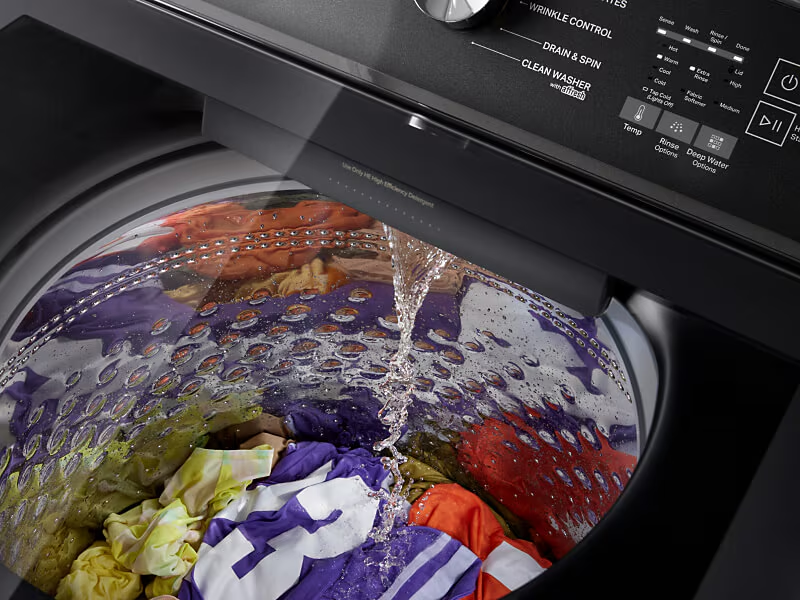
Modern washers and dryers increasingly rely on accelerometers, optical sensors, and direct-drive motors to recognize fabric types, balance loads, and tailor drum movements. Think gentler reverse tumbling for silk, longer dwell times for cotton, and anti-crease patterns near the end of a cycle.
Why it’s a leap:
- Damage reduction: Smarter agitation cuts pilling and fiber breakage.
- Noise & vibration control: Advanced balancing allows high-speed spins with fewer rattles.
- Time right-sizing: The machine ends when the clothes are actually dry or clean, not when a timer says so.
Things to keep in mind:
- Mixed loads confuse sensors. If towels and chiffon share a drum, the machine averages settings—usually not ideal.
- Frequent small loads can defeat efficiency; sensors often work best with a reasonably full drum.
Pro tip:
Sort by fabric weight as much as by color. Heavy terry cloth with featherweight synthetics leads to uneven cleaning and wrinkling.
5) Connected Diagnostics & Care Routines (Apps That Actually Help)
What it is:
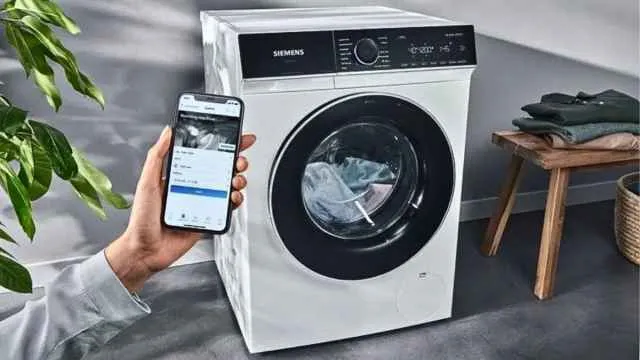
Wi-Fi/Bluetooth modules connect your laundry pair to an app. Beyond remote start, better platforms deliver cycle-by-garment libraries, water and energy reports, firmware updates, and self-diagnostics that suggest fixes when something goes wrong (e.g., slow fill or persistent imbalance).
Why it’s a leap:
- Fewer “mystery errors”: Apps can translate cryptic codes into clear steps.
- Optimized habits: Usage analytics nudge you toward the right cycle for your fabrics.
- Longer lifespan: Early warnings for clogged inlet screens, dirty lint pathways, or failing pumps.
Things to keep in mind:
- You’re trading convenience for data; check privacy settings.
- Keep firmware current—many reliability improvements arrive via software updates.
Pro tip:
Set a monthly reminder within the app for “machine hygiene”: drum clean, gasket wipe, and detergent drawer rinse. It’s boring—and it prevents odors.
Bonus Techs on the Horizon
- Microfiber capture filters: Add-on or built-in traps reduce synthetic microplastic shedding to drains.
- UV-C sanitizing cycles: Post-wash disinfection without extra heat (great for plush toys and pillows).
- Ozone-assisted refresh: Short, low-water deodorizing for lightly worn items—use with care and per manufacturer guidance.
How to Choose: A Fast Buyer’s Checklist
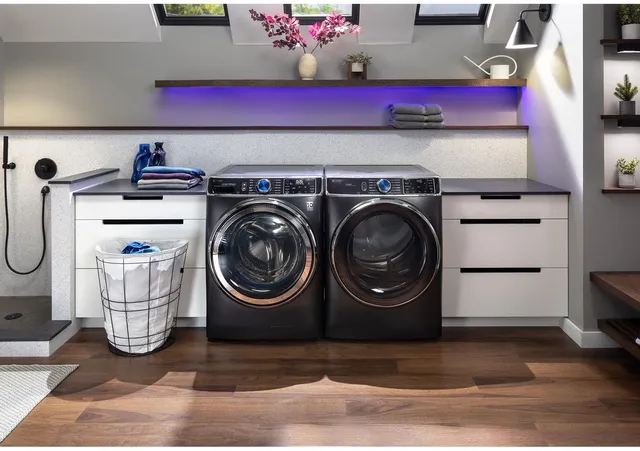
- Your constraints first: Ventless vs. vented, 120V vs. 240V, door swing, and stack height.
- Energy priorities: If electric rates are high or you’re eco-minded, heat-pump dryers and high-spin washers pay off.
- Fabric mix: Delicates or tech apparel? Prioritize advanced motion control and steam/refresh programs.
- Detergent habits: If dosing is hit-or-miss at home, auto-dosing is transformative.
- Serviceability: Look for easily accessible lint paths and clear maintenance menus in the app.
- Noise level: Direct-drive motors and adaptive balancing make small apartments livable.
Care & Maintenance That Protects Your Investment
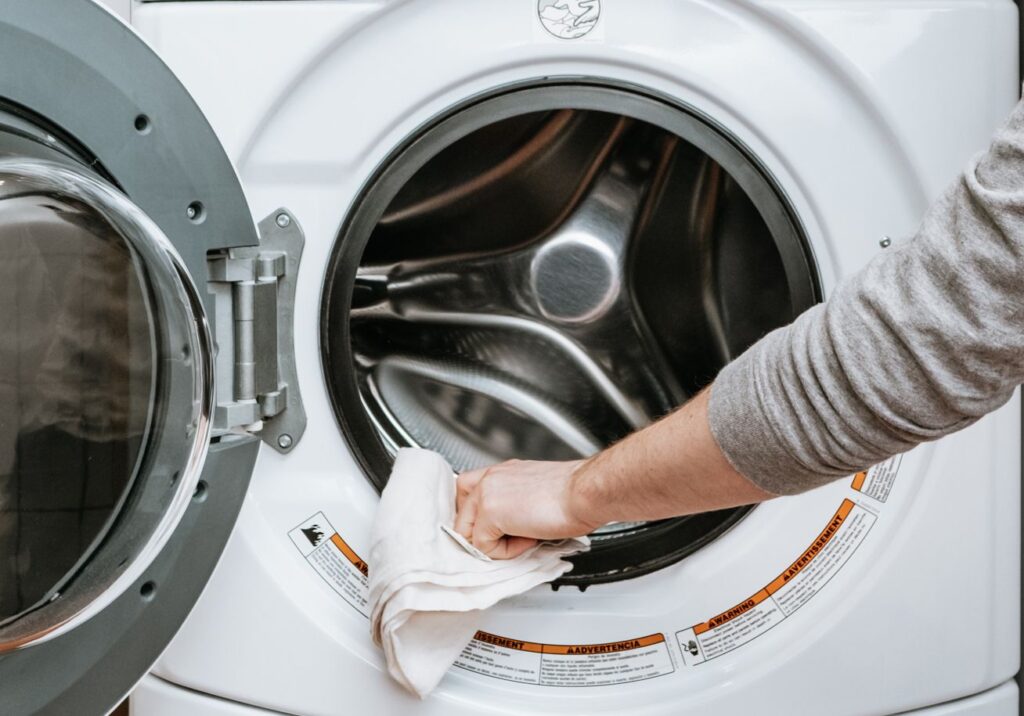
- Run a monthly clean cycle with a washer cleaner or diluted bleach; wipe the door gasket and leave the door ajar to ventilate.
- Vacuum behind the dryer twice a year; lint builds up where you don’t see it.
- Inspect hoses annually; replace rubber with braided stainless if you can.
- Mind the filters on heat-pump dryers (often two or three); a clogged condenser can double cycle times.
- Use the right detergent, ideally HE and enzyme-rich for most loads; powders excel in hard water.
Where to Learn More

Find practical walkthroughs, cycle explainers, and troubleshooting guides at Appliance Rescue. Have a question or want a guide on a specific model? Contact us. Again, they do not perform repairs—their focus is on clear, expert advice you can apply at home.
Bottom line
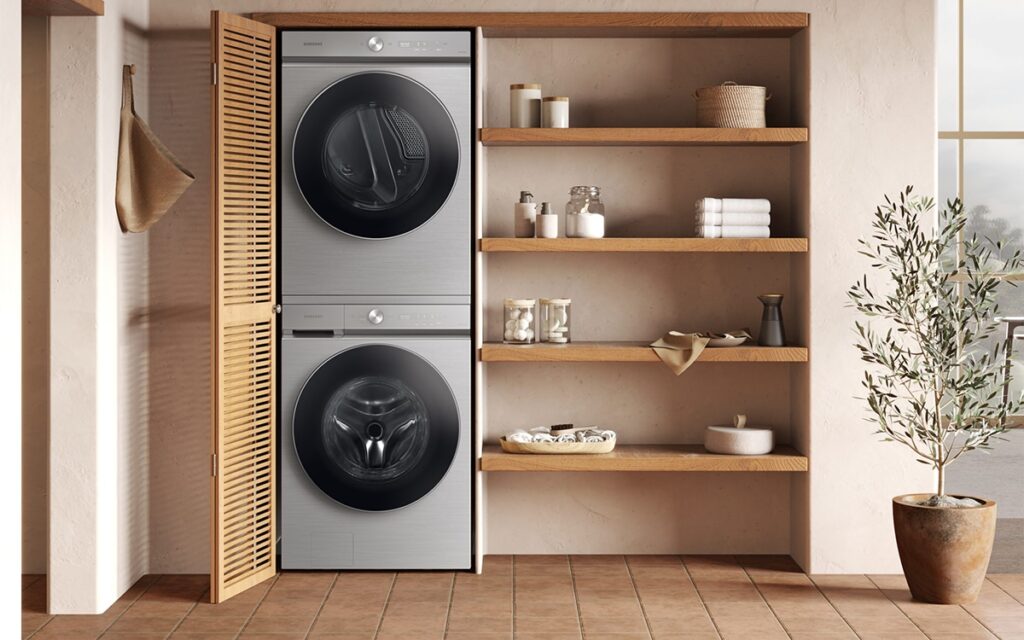
The newest laundry tech isn’t just gadgetry. Auto-dosing fixes the most common user error, heat-pump dryers slash energy use, microbubble systems unlock cold-water cleaning, adaptive motion protects fabrics, and connected diagnostics turn beeps into useful guidance. Pick the features that fit your space and habits, and your clothes—and electricity bill—will thank you.